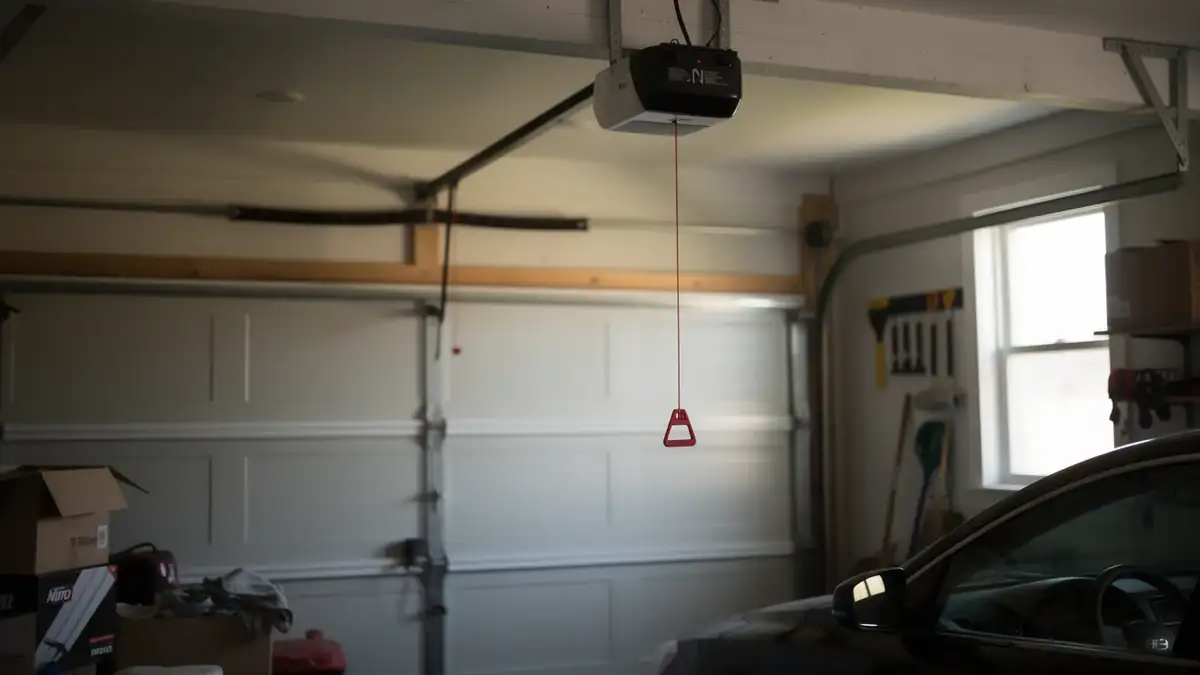
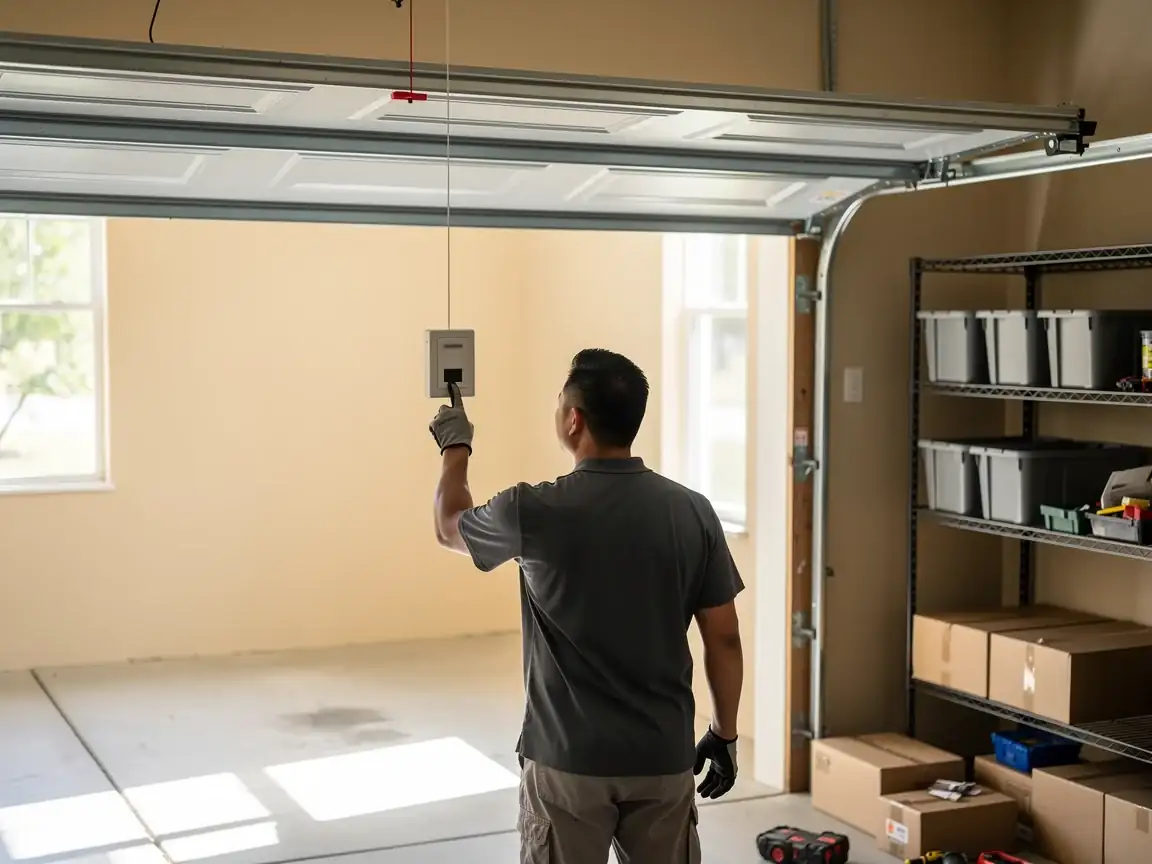
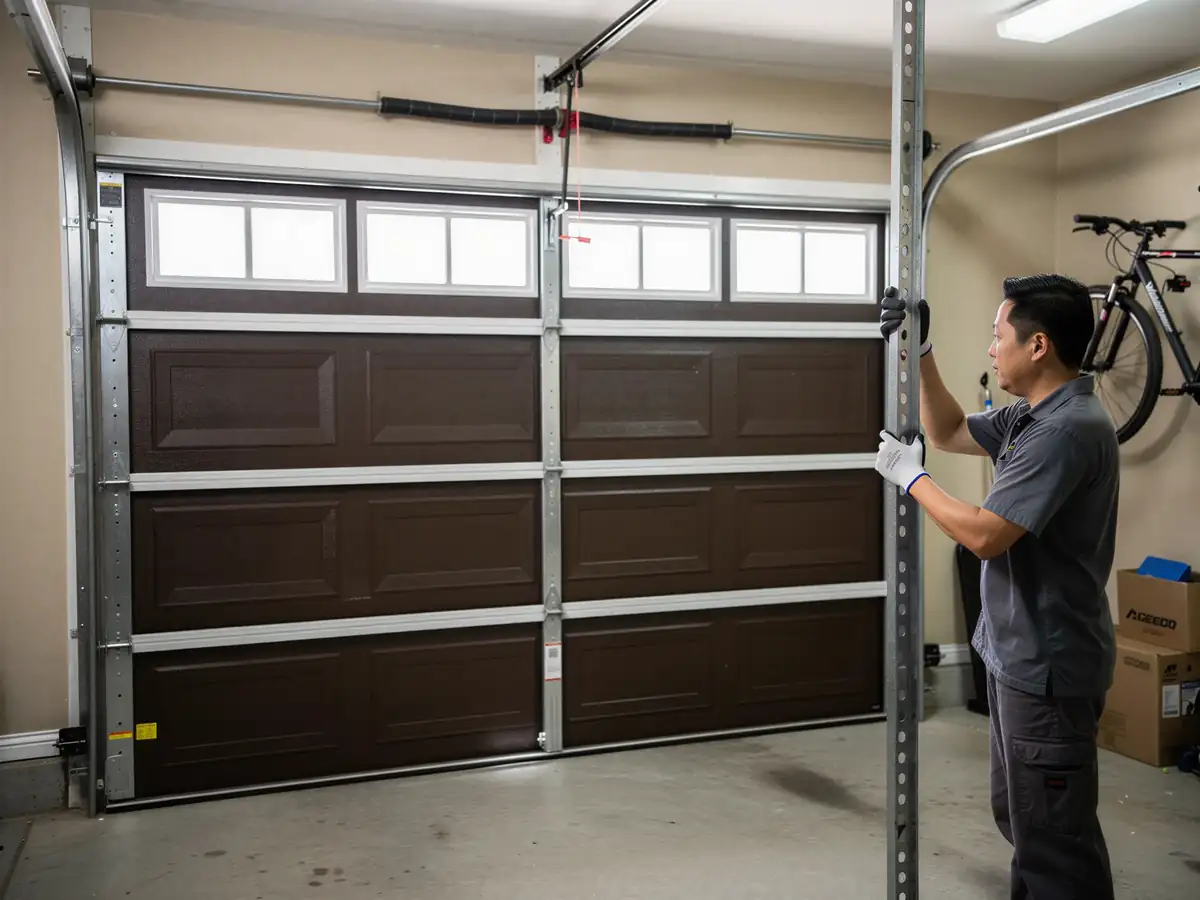
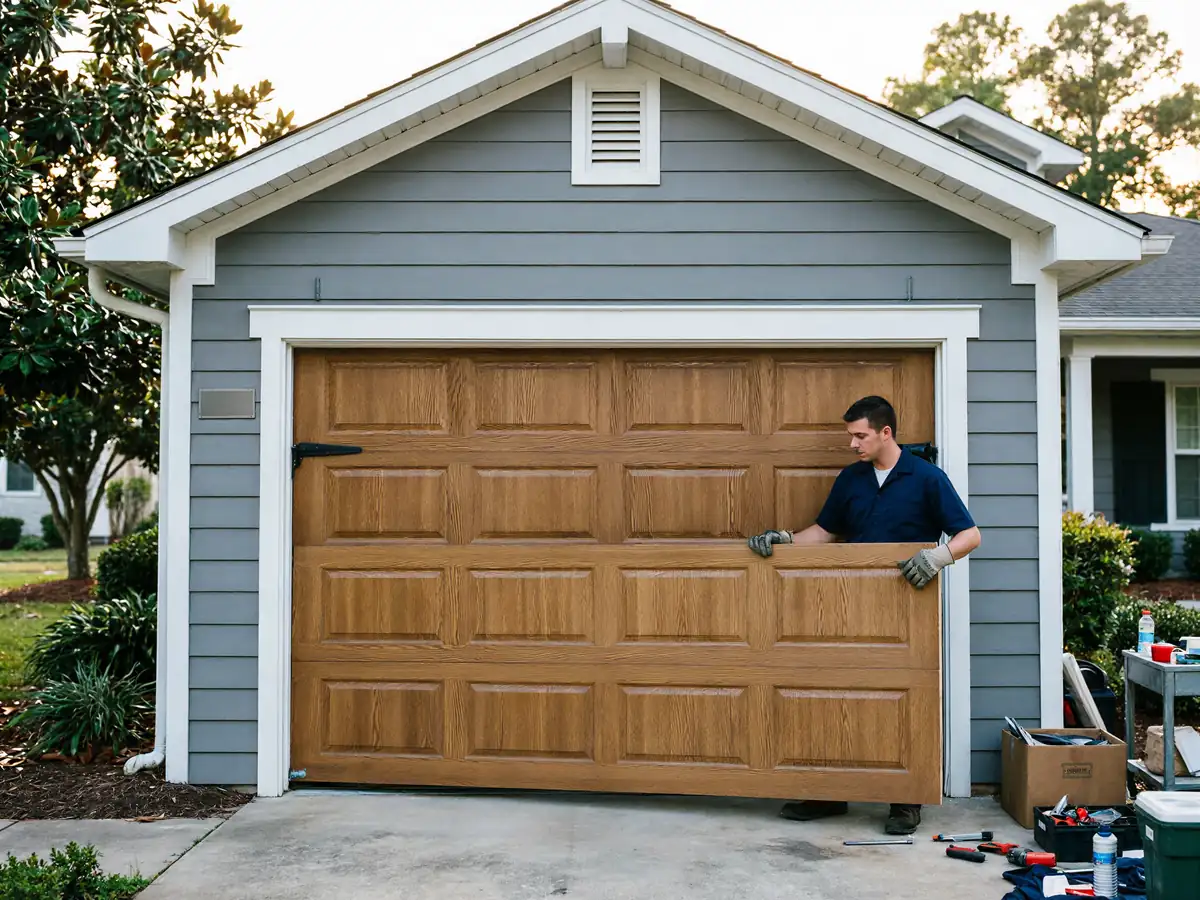
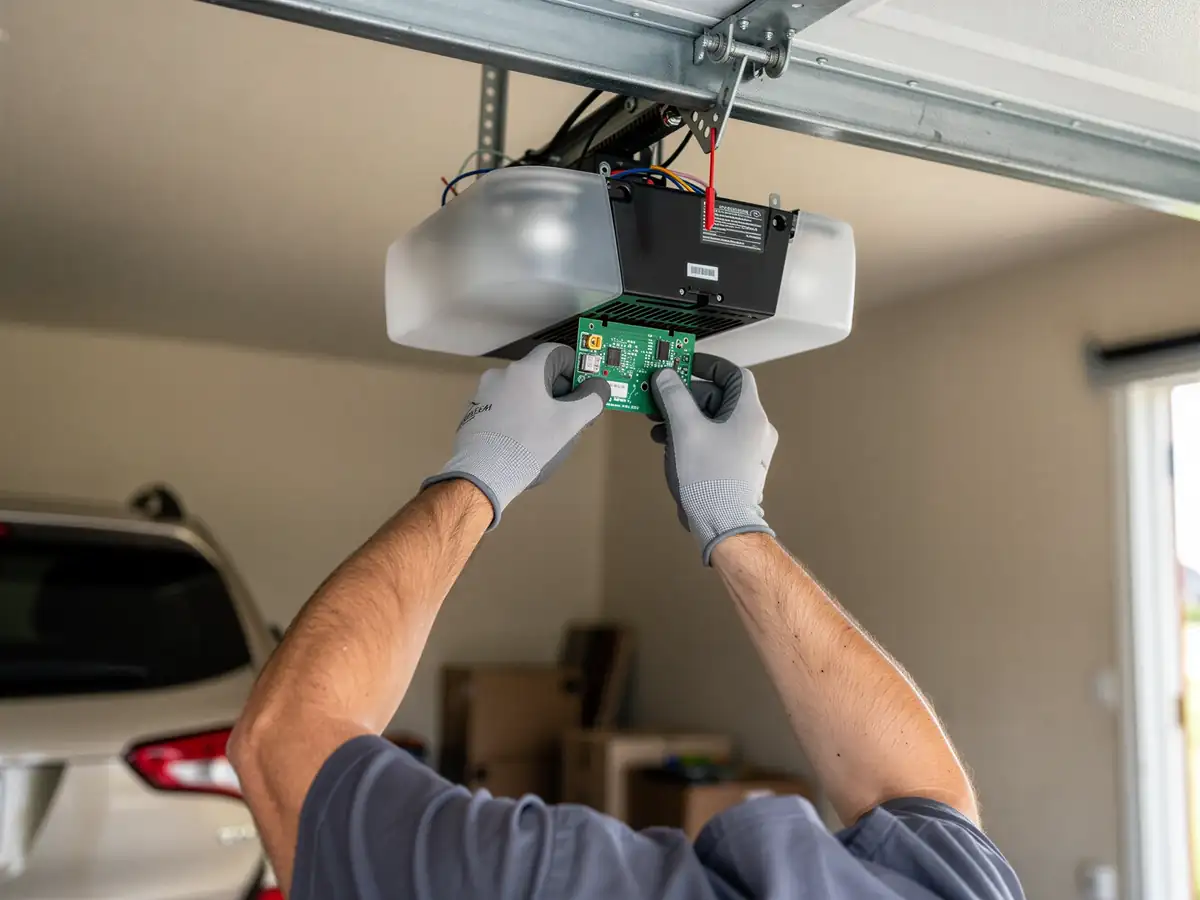
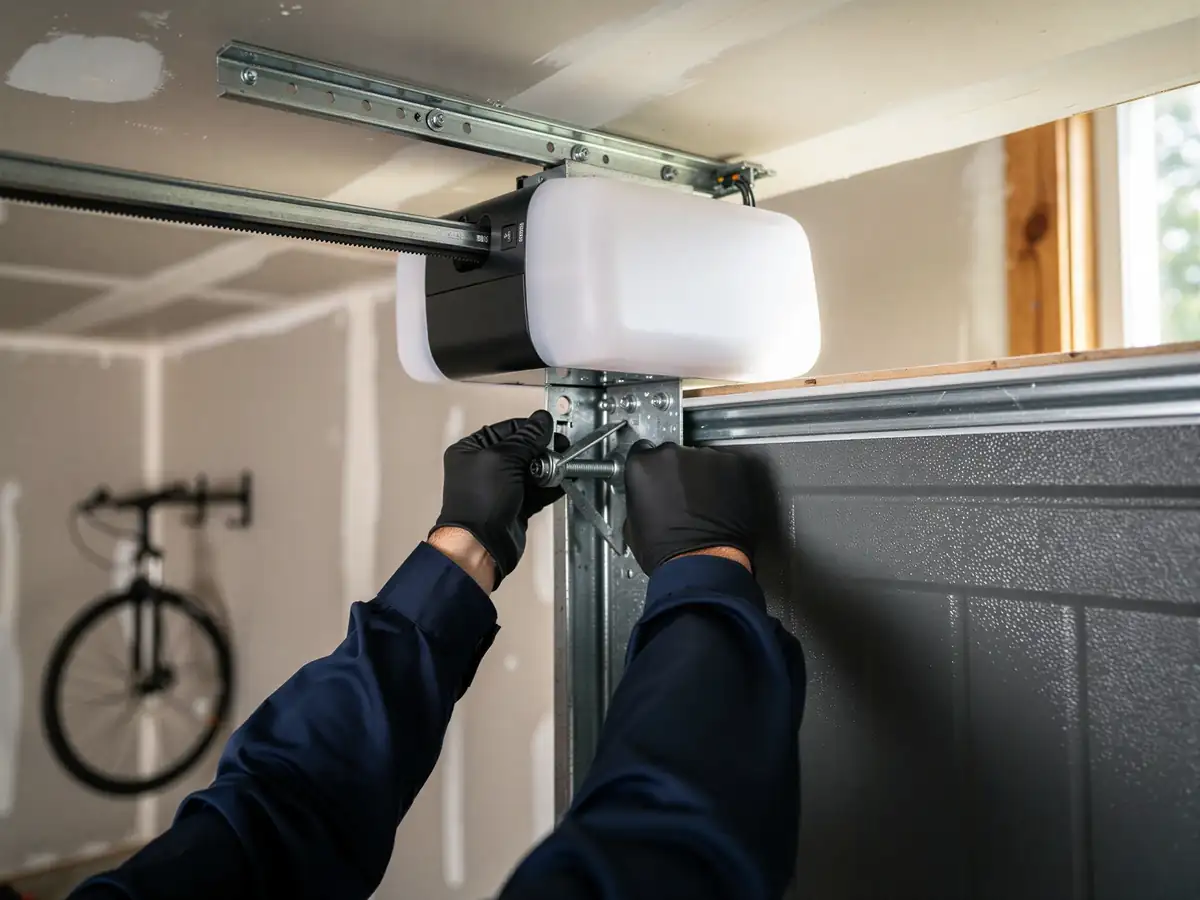
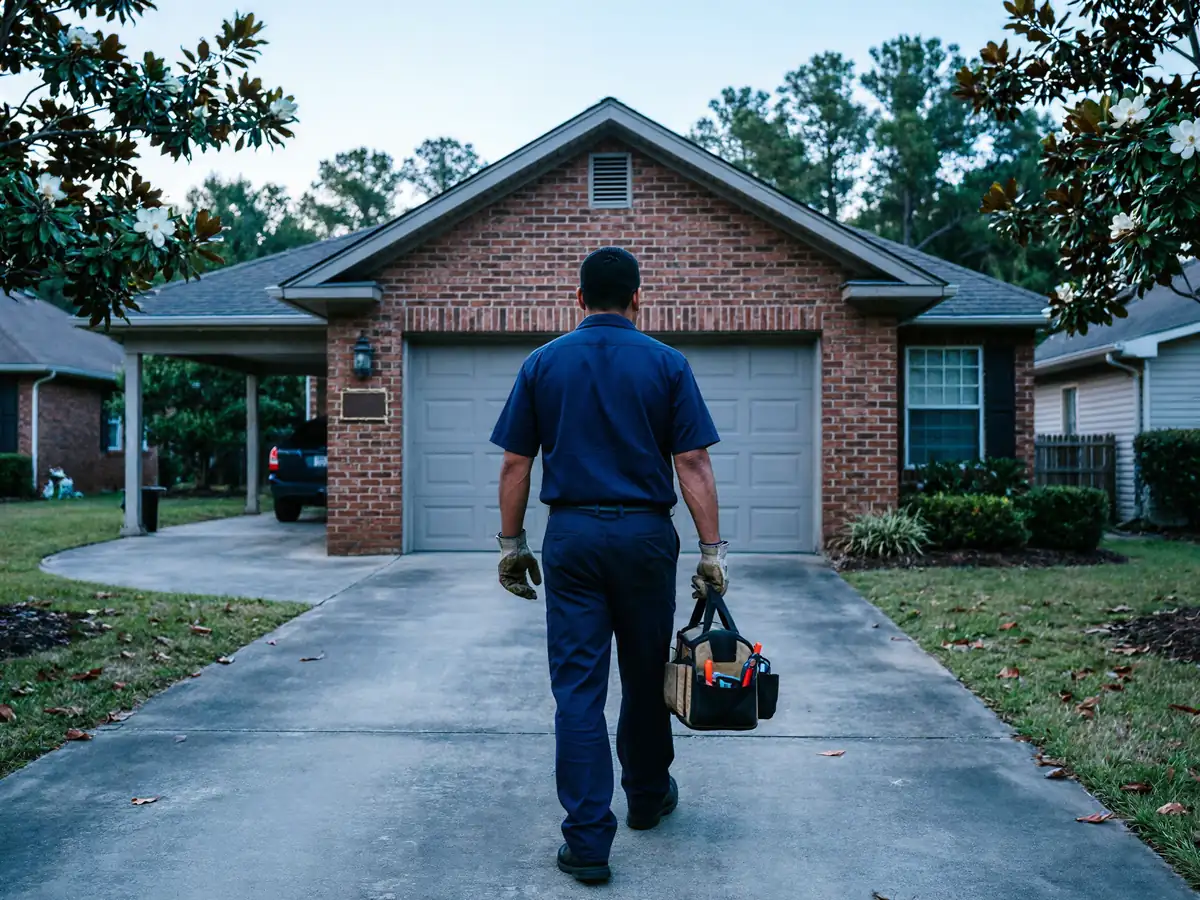
We can't quote a number here without seeing the opener on your wall, so we won't pretend otherwise. What we can tell you is what drives the cost up or down. If your house is part of the 1980s-90s stock that makes up most of this service area, you're likely dealing with a chain-drive unit that's twenty to forty years old. Parts for those get harder to source every year, and a technician sometimes spends more time tracking down a compatible logic board than actually swapping it in. A straight repair - a new sensor, a stripped gear, a dead capacitor - costs less than a full unit replacement, but if the opener predates the mid-90s belt-drive shift, replacement is often the cheaper long-run call even though it looks pricier on the invoice. With a median household income of $65,179 across the area, most owners we talk to weigh a smaller repair bill against a full swap rather than jumping straight to new equipment. Battery backup add-ons, which matter a lot here given how often outages take the opener down with the power, run as a separate line item on top of either path. Ask for both numbers before you decide.
The Situation
Here's the actual problem, not the generic one: most houses in this service area were built between 1980 and 2013, with the thickest cluster going up in the 1980s and 90s. That generation of garage door opener was built to run on house current with no expectation it would ever need to work without it. No battery backup, no capacitor reserve, nothing. When the power goes out - and across the eleven areas we cover, from Pumpkin Center four miles in to Cape Carteret nineteen miles out, outages aren't rare - that opener just stops. The door doesn't lock, it doesn't fail safe, it just sits there until someone manually releases the trolley and hauls it up by hand. For a single-car household that's an inconvenience. For a two-car garage where one bay holds a vehicle you need for work the next morning, it's a real problem at six a.m. in the dark. The fix isn't complicated - a battery backup unit retrofits onto most of these 90s-era openers - but almost nobody in a house built in that window has one installed, because it wasn't standard equipment when the house went up.
When Waiting Is Fine
Not every opener quirk needs a same-day call. If your door loses power and comes back up fine once the electricity returns, and it's done that consistently without getting worse, you don't need us out there. A single remote that's gone flaky is usually a battery in the fob, not the unit. A door that's slightly louder than it used to be, but still opens square and closes all the way, can wait for a scheduled visit instead of an emergency one. Where we'd tell you to wait: cosmetic wear on a chain-drive opener that's otherwise running fine, a slightly slow close cycle that hasn't changed in months, or an outage-related stop where the door behaved normally once power came back. Where we wouldn't: a door that reverses on its own mid-close, a motor that hums but doesn't move the door, or any opener that's stopped responding to the wall switch as well as the remote. That split matters more here than in newer subdivisions, because so much of the opener fleet in this area is already past its expected service life - a minor symptom on an old unit is more likely to be the start of something, not a one-off.
How Local Conditions Play In
This area sits in a cold-moderate climate band - not the deep-freeze kind that cracks concrete, but cold enough on winter mornings to thicken grease in an opener's gear housing and tighten up chain slack that was fine the day before. On a chain-drive unit from the 1980s or 90s, that shows up as a grinding start-up sound on the first cycle of a cold morning, then it loosens up once it's run a few times. It's not damage by itself, but it's also the reason old lubrication in an original-install opener wears faster here than it would in a mild year-round climate. Power cuts tend to cluster with the same weather that brings the cold snaps, which is the part people don't connect until it happens to them: the day you most need the garage to open without power is also the day the cold has already made the mechanism stiffer. None of this means you need new equipment every winter. It means an opener that's original to a house built in this window is carrying two separate loads - age and seasonal strain - and neither one shows up on a casual walk-by inspection.
Why doesn't my garage door opener work when the power goes out?
Most openers installed in houses built here in the 1980s through the 2000s run on standard house current with no backup power source. When electricity cuts out, the motor has nothing to draw on, so the door stays wherever it was when the power dropped, locked in place until you release the trolley by hand.
Can I add battery backup to an older opener?
Many chain-drive and early belt-drive units from the 1980s-90s accept a retrofit backup battery pack, but not all. It depends on the model and control board. A technician can check compatibility on site; if the unit's too old for a retrofit, replacement with a battery-backup-ready opener is usually the next option.
How often do power cuts actually affect garage doors here?
We don't have outage frequency data to quote you, but it's common enough across this service area that battery backup requests are a routine part of the work, not a rare one. If you've had the opener fail during an outage before, it's worth asking about backup options rather than waiting for it to happen again.
Ready to get your garage door sorted?
Tell us what it’s doing and where you are in Jacksonville - we’ll take it from there.