How to Book
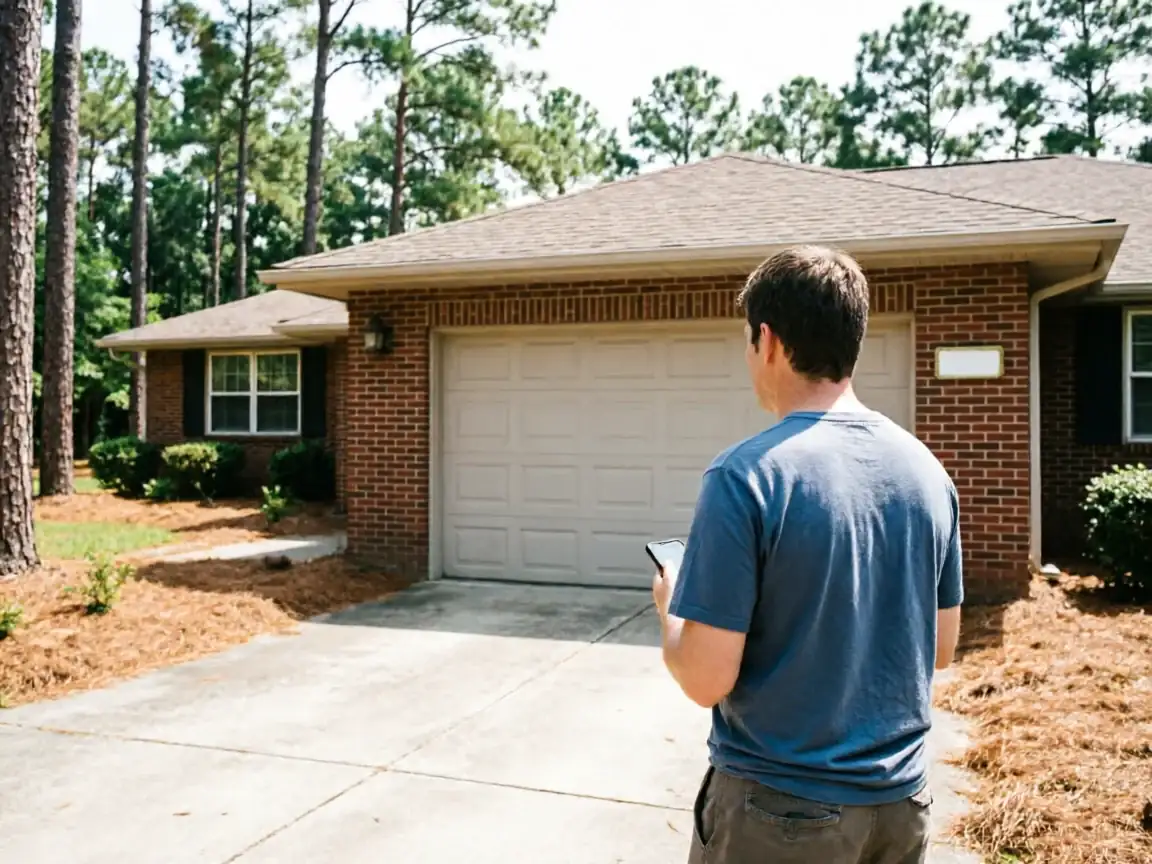
Call or request a time, tell us whether the opener is dead, grinding, or just old, and we'll give you a window instead of an all-day wait
If you already know the horsepower or drive type you want, say so - otherwise we look at the door weight and track setup when we get there and recommend from what actually fits.
Most jobs across this service area are straightforward swaps
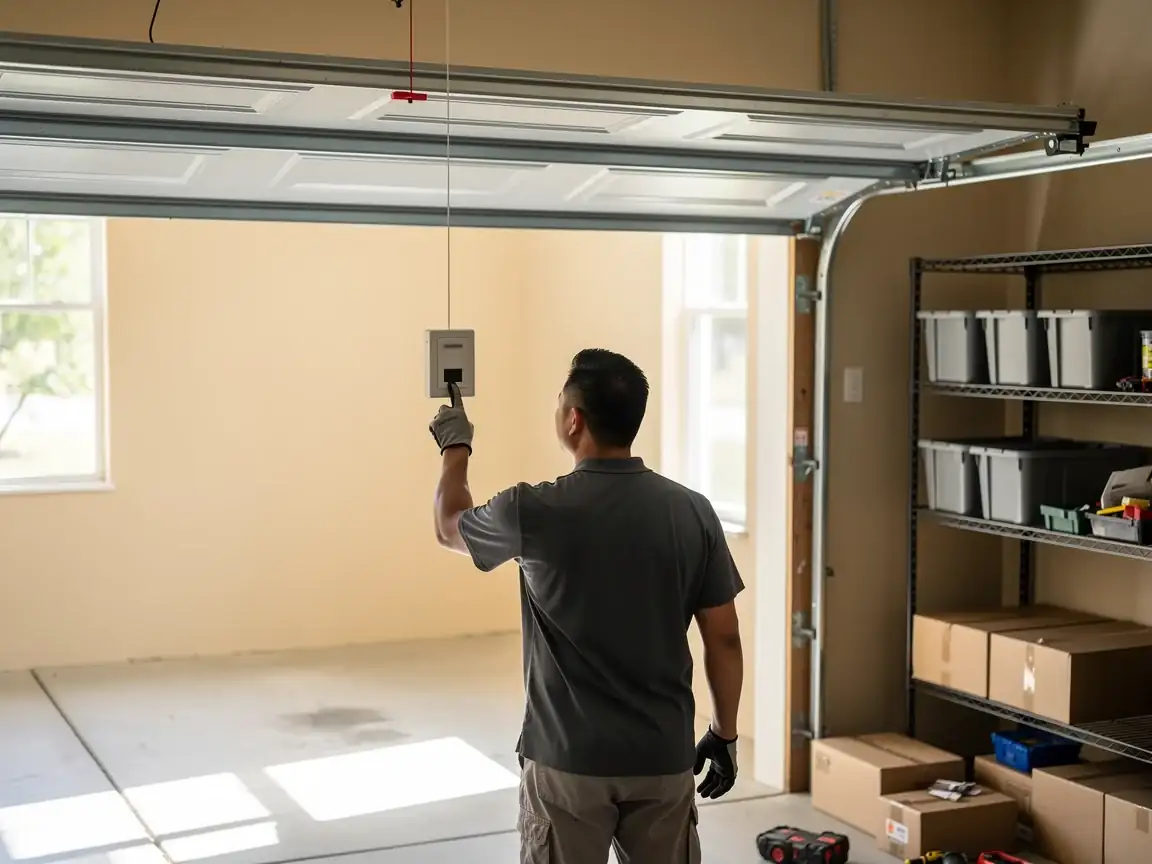
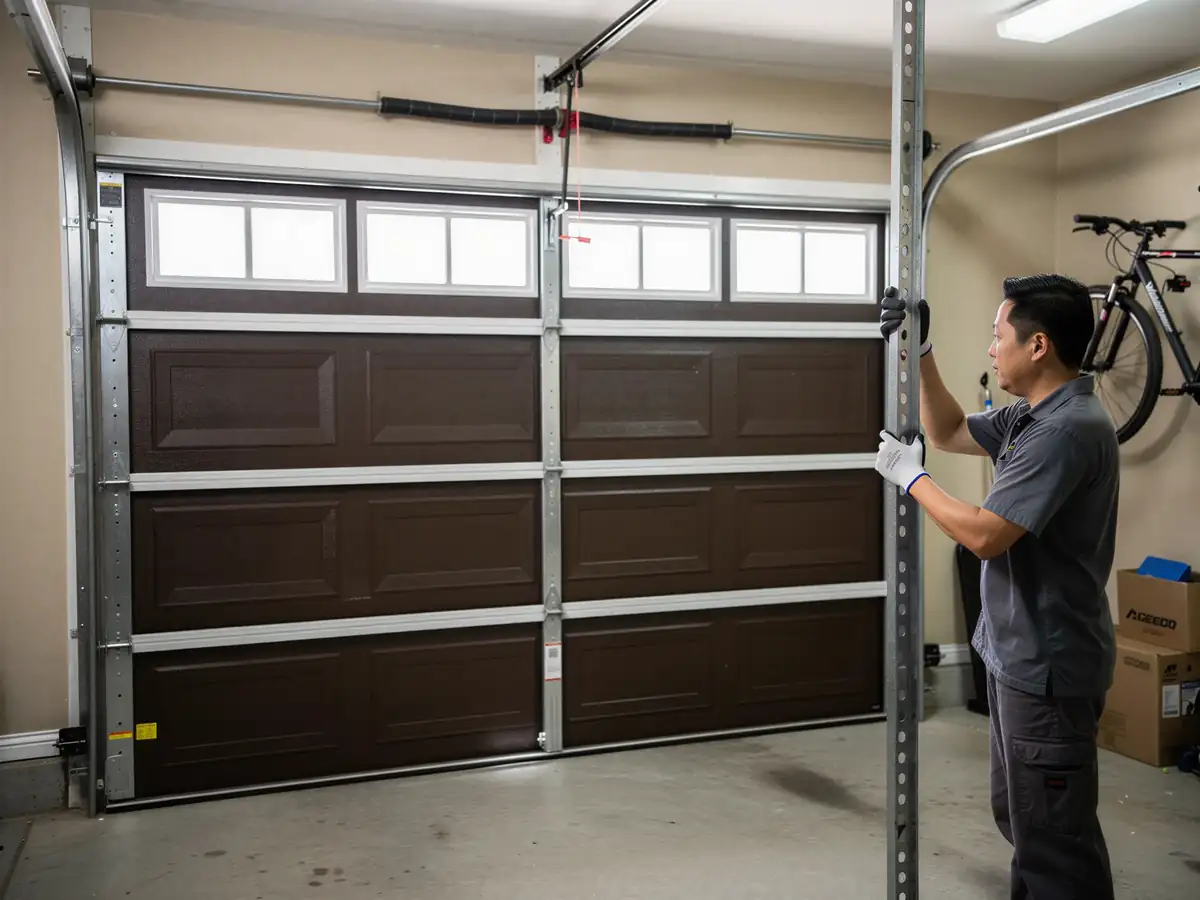
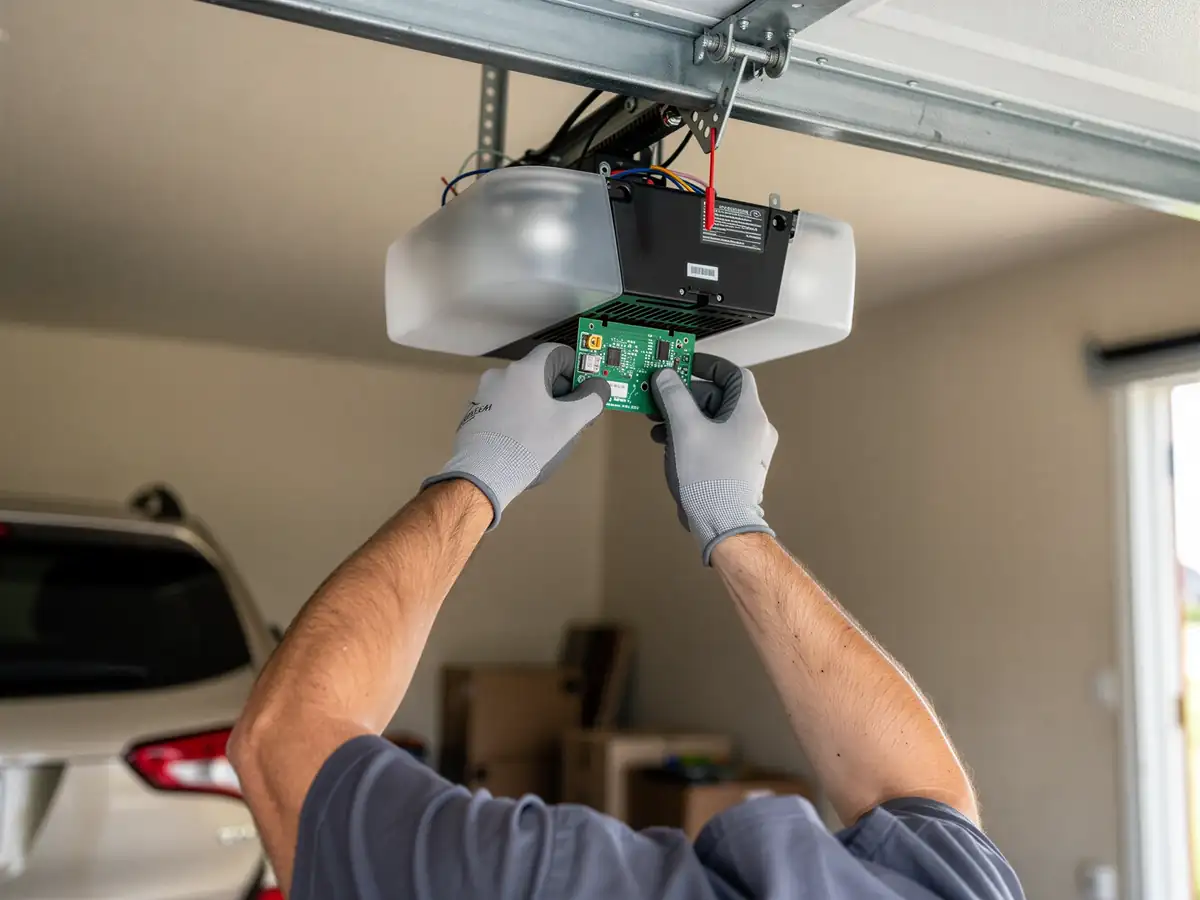
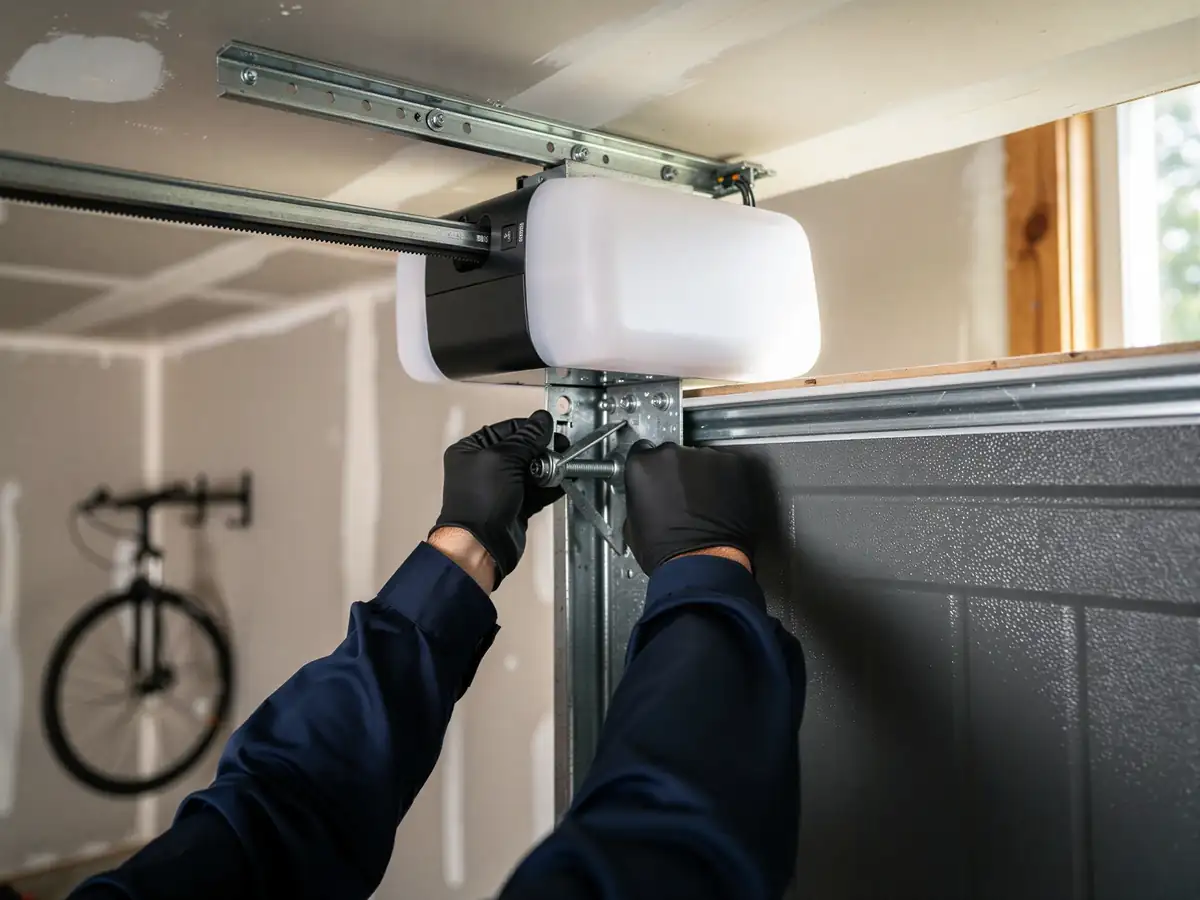
Old unit off the rail, new motor head and logic board on, travel and force limits reset, safety sensors realigned. If the bracket or rail is bent, cracked, or the wrong length for the opener you want, we say so before we install anything, not after you've paid for a unit that won't sit right.
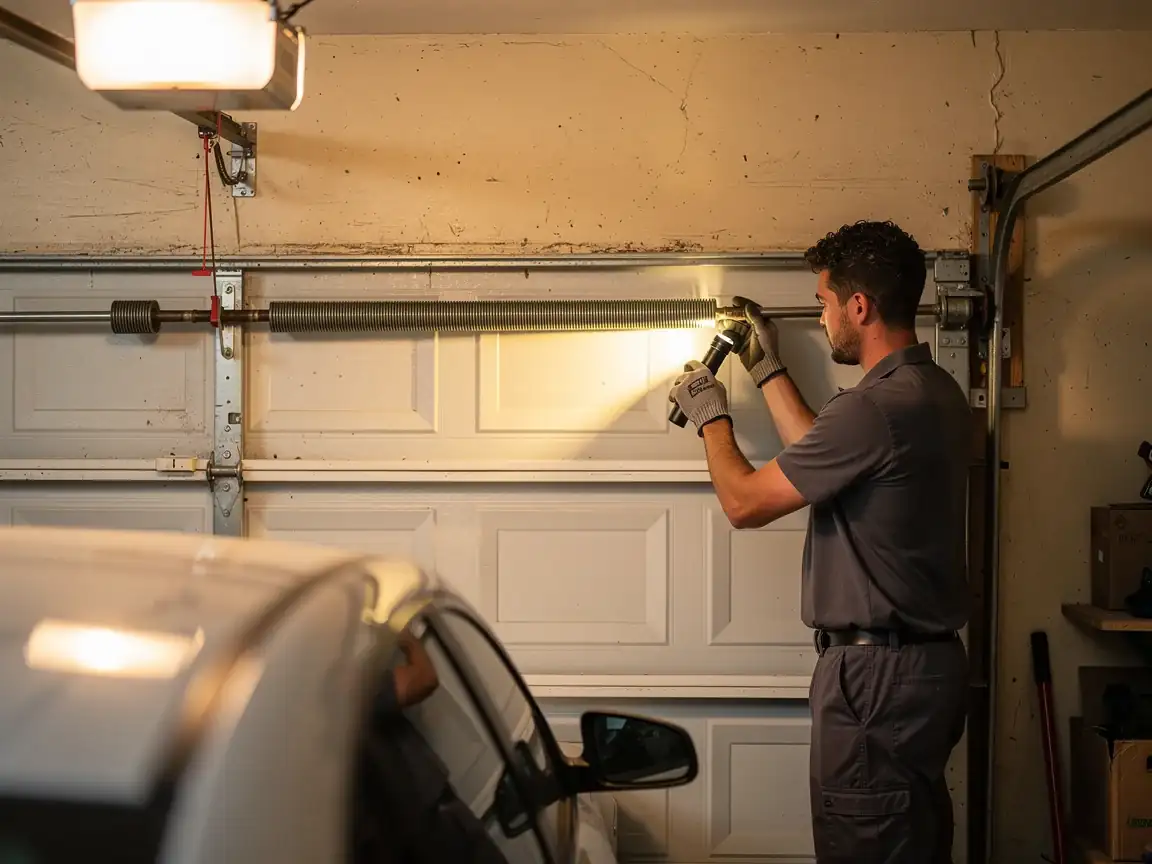
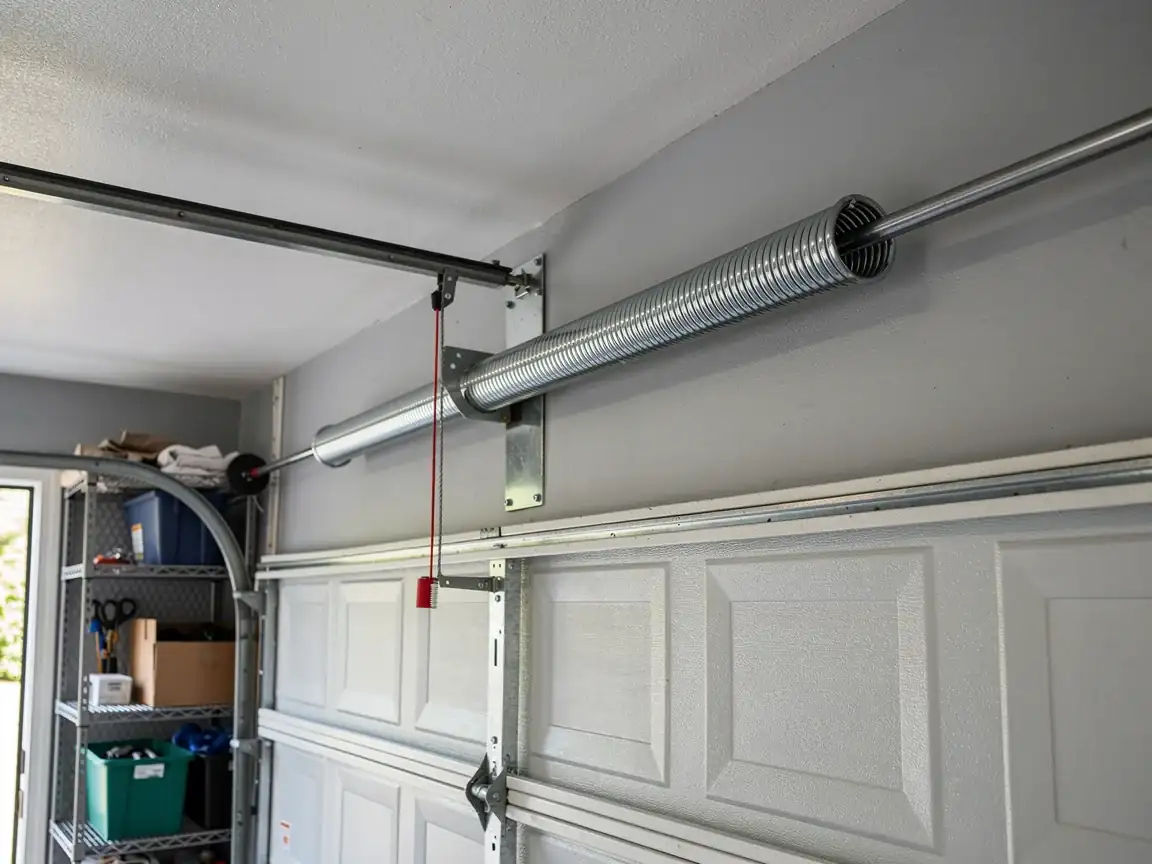
We don't install openers sight-unseen based on a phone description of a problem that's actually a spring or cable issue
Those get fixed first, because an opener fighting bad hardware burns itself out in months, not years. One thing we won't do is sell you a bigger opener than your door needs; horsepower doesn't fix a door that's out of balance, it just hides the symptom until the motor gives out.
The DIY Question
A boxed opener kit from a home store looks simple until you're standing on a ladder holding 20 pounds of motor head trying to line up a rail bracket alone. The wiring and logic programming are the easy part. What trips people up is travel limits, force settings, and the safety reversal sensors - get those wrong and you've got a door that either won't close or closes hard enough to hurt someone or something underneath it.
If your garage already has a working rail, bracket, and a door that's properly balanced, swapping a dead motor head for a new one is a reasonable weekend project for someone comfortable with a drill and a ladder. Where it stops being reasonable is when the door is original to a house built in the 1980s or 90s - which covers a lot of this area - because the bracket, rail length, or header clearance often doesn't match what current openers ship with, and modifying any of that wrong turns a $200 part into a safety problem.
Our honest answer: if you're unsure whether your setup is standard, have us look first. It's a shorter visit than most people expect.
What Causes It Around Here
Most of the openers we replace sit in houses built between 1980 and 2013, with the heaviest concentration from the 1980s and 90s across the eleven named areas we work. Openers from that era, or older replacement units installed in those garages since, are chain-drive motors with capacitors and gear sets that weren't built to run 20-plus years, and a lot of them are hitting that mark now.
Winters here fall in the cold-moderate band, which doesn't mean brutal, but it means a handful of mornings a year where humidity and a cold snap stiffen the door's rollers and hinges just enough that the opener has to work harder to lift it. An opener already near the end of its gear life feels that extra load first - that's usually when the motor finally strips a gear or the capacitor gives out, often on the same cold morning it's needed most.
With 12,123 owner-occupied houses among the 16,650 households we cover, a lot of garages share this exact age and drive-type combination, which is why we stock parts for it rather than ordering on the day.
What You Are Seeing
A humming motor that doesn't move the door usually means a stripped gear or a dead capacitor
Common on units that have been running since the house was built or re-sided. A door that opens but won't close, or reverses a few inches from the floor, is almost always a misaligned or dirty safety sensor, not the motor itself, and that's a five-minute fix, not a new opener.
A remote that works sometimes but not others
Or only from right next to the door, points to a failing logic board or a wall button losing contact - again, not always a full replacement. Clicking without any movement, paired with a burning smell, means the motor's done and it's time to talk replacement rather than repair.
If your opener is original to a house built in the 80s or 90s
Parts for that exact motor and logic board often aren't made anymore, and chasing a repair on it can cost more in labor and hunted-down parts than a new unit installed clean. We'll tell you straight which side of that line your job falls on before we start charging for either.