Should You Fix That Older Garage Door, or Replace It?
A look at when it makes sense to repair rather than replace a garage door on Jacksonville, NC homes built mostly between 1980 and 2013, and how our cold-moderate winters factor in.
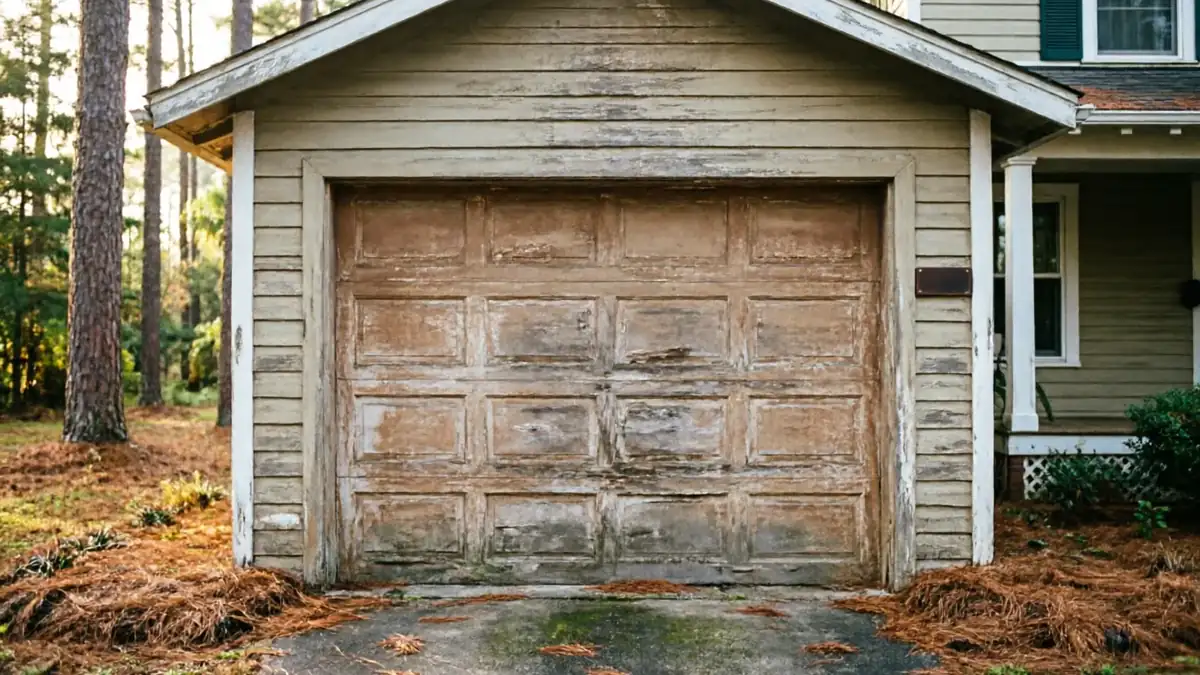
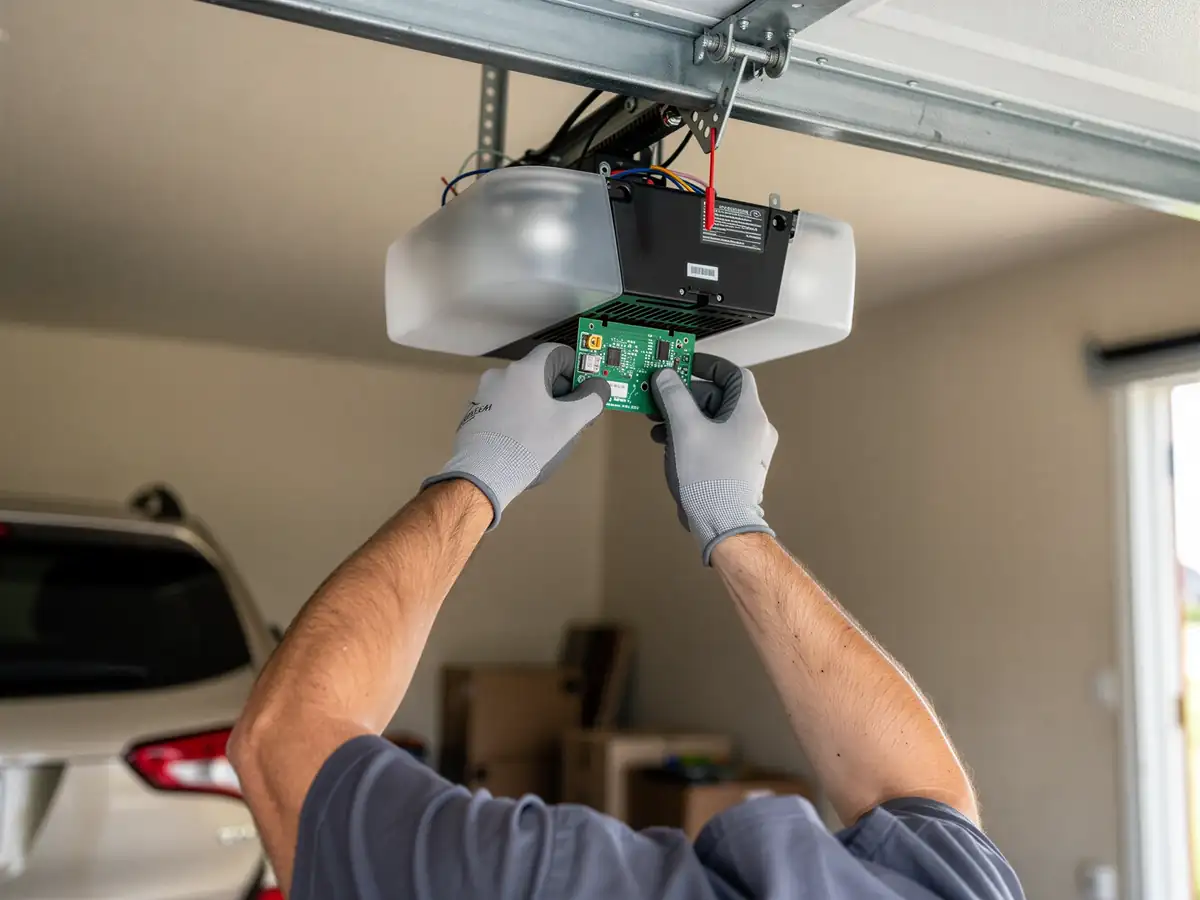
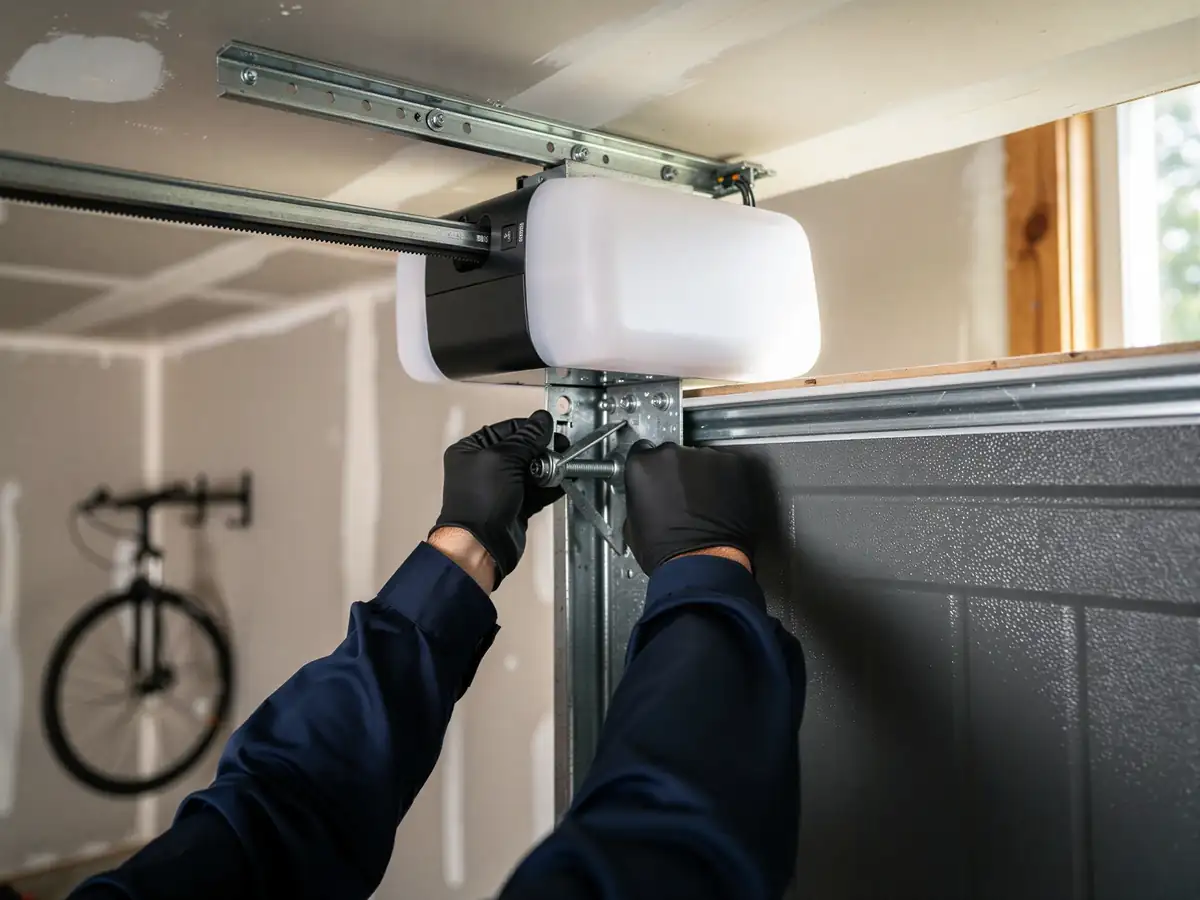
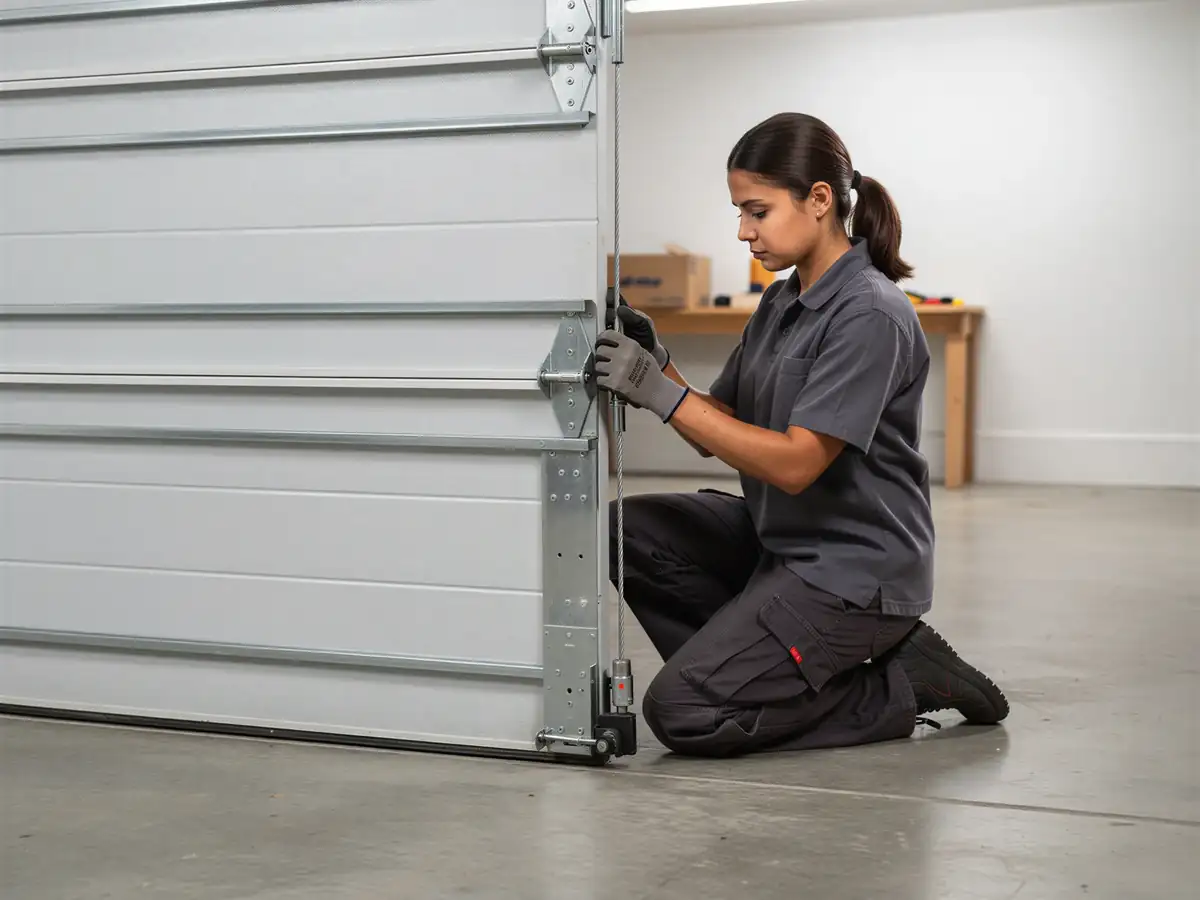
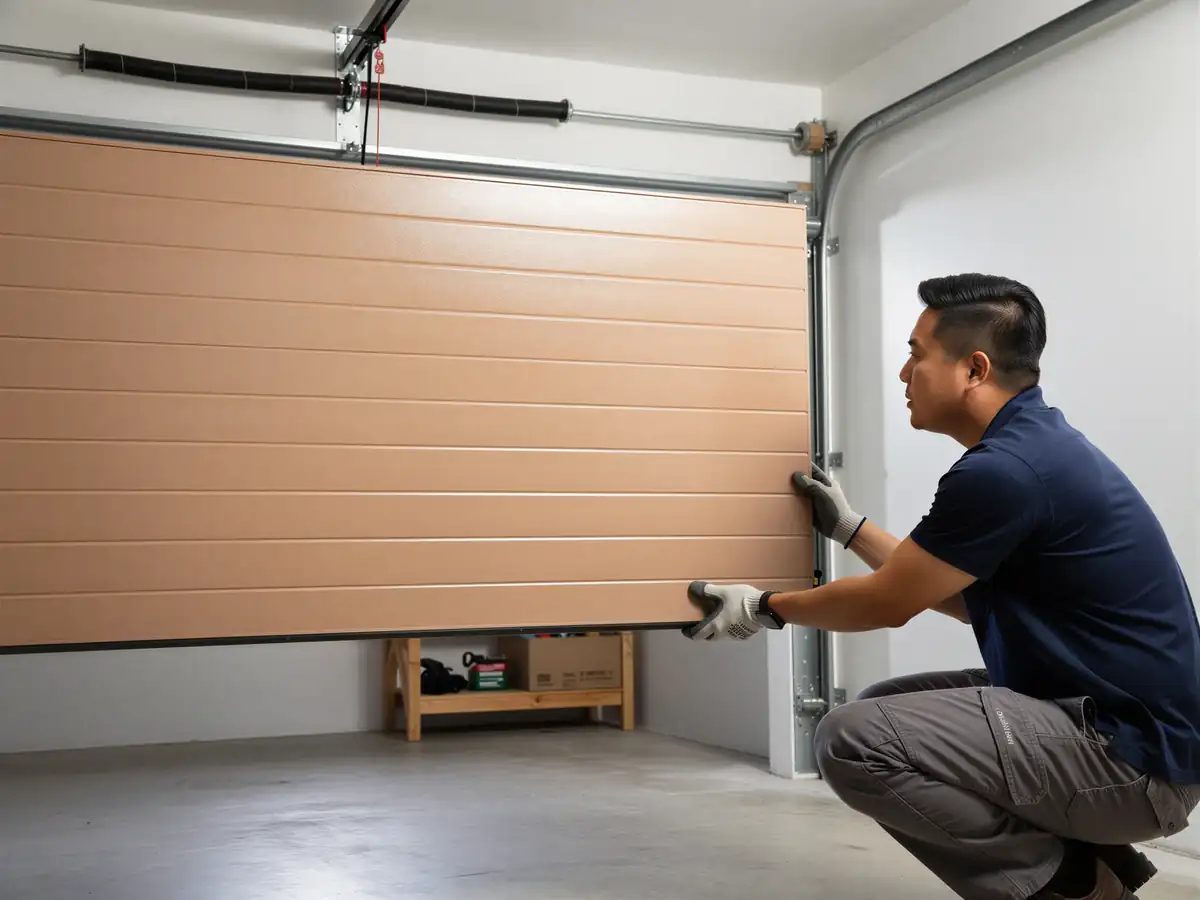
We're not going to throw a number at you that doesn't mean anything until we've seen the door, so we won't pretend a flat price exists here. What we can tell you is how the math usually breaks down. A broken torsion spring, a bad cable, or a worn roller set on a door that's otherwise sound is almost always a repair, not a replacement - the labor and parts cost is a fraction of a new door and opener installed. Where it gets expensive is when the section panels themselves are rusted through, warped, or the track has been bent badly enough that it's fighting the rollers every cycle. On a lot of the 1980s and 90s doors still in service around here, the opener is the first thing to go, not the door itself, and swapping an opener costs far less than swapping the whole unit. If your door is from the newer end of the local stock - post-2000 - parts are usually easy to source and a repair holds up. If it's from the early 1980s end, we'll tell you straight if we think you're pouring money into a door that's done.
The Situation
Most of the housing stock in the Jacksonville service area went up between 1980 and 2013, with the median build year sitting around 1993 - that's roughly 30 years on the average door, spring set, and opener motor. Across the 11 named areas we work in, the story repeats: a wave of construction in the 80s and 90s, then infill through the 2000s and into the early 2010s. That means a huge share of doors out there are original equipment, still running the same springs and the same chain-drive or belt-drive opener that went in with the house. With 12,123 owner-occupied houses among 16,650 households in the area, that's a lot of doors hitting the point where a spring finally snaps or an opener gear strips out after three decades of daily cycles. It's not unusual for us to get called to a house and find hardware that simply isn't made anymore, which changes the repair-versus-replace conversation fast - not because the door failed, but because nobody stocks the part.
When Waiting Is Fine
Not every noisy or stiff door is an emergency, and we'd rather tell you that than run a truck out for nothing. If the door still opens and closes evenly, closes flush to the floor, and the noise is a dry squeal rather than a grinding clunk, you can usually wait and get it lubricated and adjusted on a normal schedule rather than calling it urgent. Our winters here sit in the cold-moderate band rather than the deep-freeze extremes some regions see, so a door that's sluggish on a cold morning is more likely stiff grease than a spring on the edge of failing - that's a different fix and a different urgency level. Where we'd push you to move faster: a cable that's visibly frayed, a spring with a visible gap in a coil, or a door that's suddenly heavier to lift by hand. Those don't wait well in any season. If you're just hearing noise and the door still tracks straight, it's fine to schedule it rather than treat it as a breakdown.
How Local Conditions Play In
Jacksonville's cold-moderate climate band means we don't deal with the deep sub-zero cycling that cracks seals and warps steel panels the way some colder regions do, but we do get enough temperature swing and humidity to matter for a 30-year-old door. Galvanized hardware on the original stock from the 1980s and 90s has mostly held up, but weatherstripping and bottom seals on doors from that era are usually long past useful life, letting in moisture that speeds up rust on tracks and hinges. Because median construction here clusters around 1993, a lot of doors are reaching the stage where the opener's capacitor or logic board fails before the door itself does - that's an opener repair, not a door replacement, and it's worth knowing the difference before anyone quotes you a full unit swap. We don't see the wind-load codes that coastal-facing towns closer to the water sometimes require, which keeps standard residential door specs workable for most houses in this service area.
How it works
From “it’s stuck” to “it’s fixed”
01
Tell us what’s wrong
Describe the symptom - won’t open, loud bang, opener runs but the door won’t move.
02
On-site diagnosis
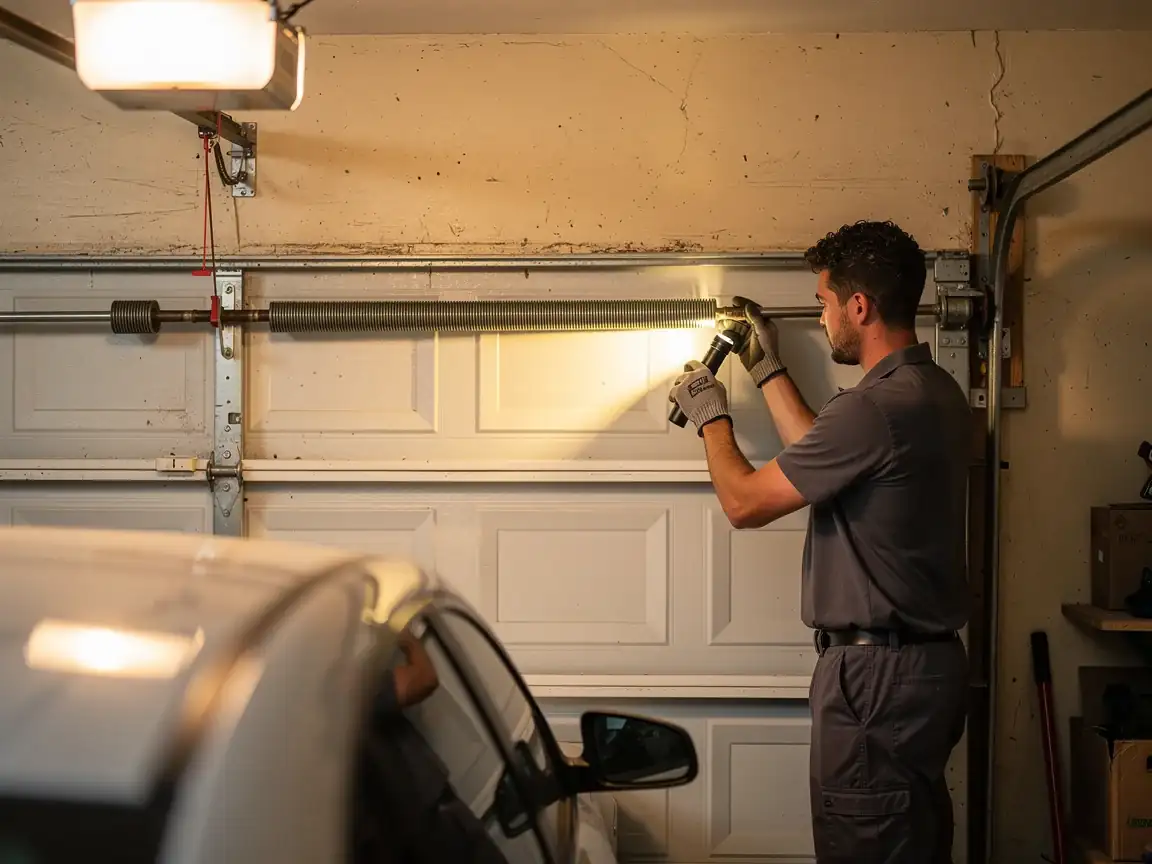
A technician tests the door under power and by hand and finds what actually failed.
03
Clear, up-front plan
You get the fix that’s needed and what drives the cost - before any work starts.
04
Repaired & tested
The repair is done, the door is set true and tested, and the work area left clean.
Not sure which repair your door needs in Jacksonville, NC? Describe what it’s doing - every job starts with a diagnosis.
Is it worth fixing a garage door from the 1980s or does it need full replacement?
Depends on what's actually broken. If it's a spring, cable, or opener, repair almost always makes sense even on an older door - those parts are standardized. If the panels are rusted through or the track is bent from age, replacement is usually the better call. We'll look at the door itself before telling you which one applies.
Do Jacksonville's winters damage garage door springs?
Our climate sits in the cold-moderate band, so we don't get the extreme freeze cycling that snaps springs the way harsher winters do. Spring failure here is more often simple fatigue after decades of daily cycles than a cold-weather event.
Why is my opener failing before my door does?
A lot of homes in this area were built between 1980 and 2013, with many clustering around the early 1990s. Opener motors and circuit boards from that generation are reaching 30 years old, and they tend to fail before the door hardware itself, which is often still original and serviceable.
How do I know if I should wait on a repair?
If the door still opens evenly, seats flush at the floor, and the noise is dry squeaking rather than grinding, it's fine to schedule the work rather than treat it as urgent. Frayed cables, gapped spring coils, or a door that suddenly feels heavier should not wait.
Ready to get your garage door sorted?
Tell us what it’s doing and where you are in Jacksonville - we’ll take it from there.