How to Book
We run maintenance as a standalone visit, not an add-on to a repair call
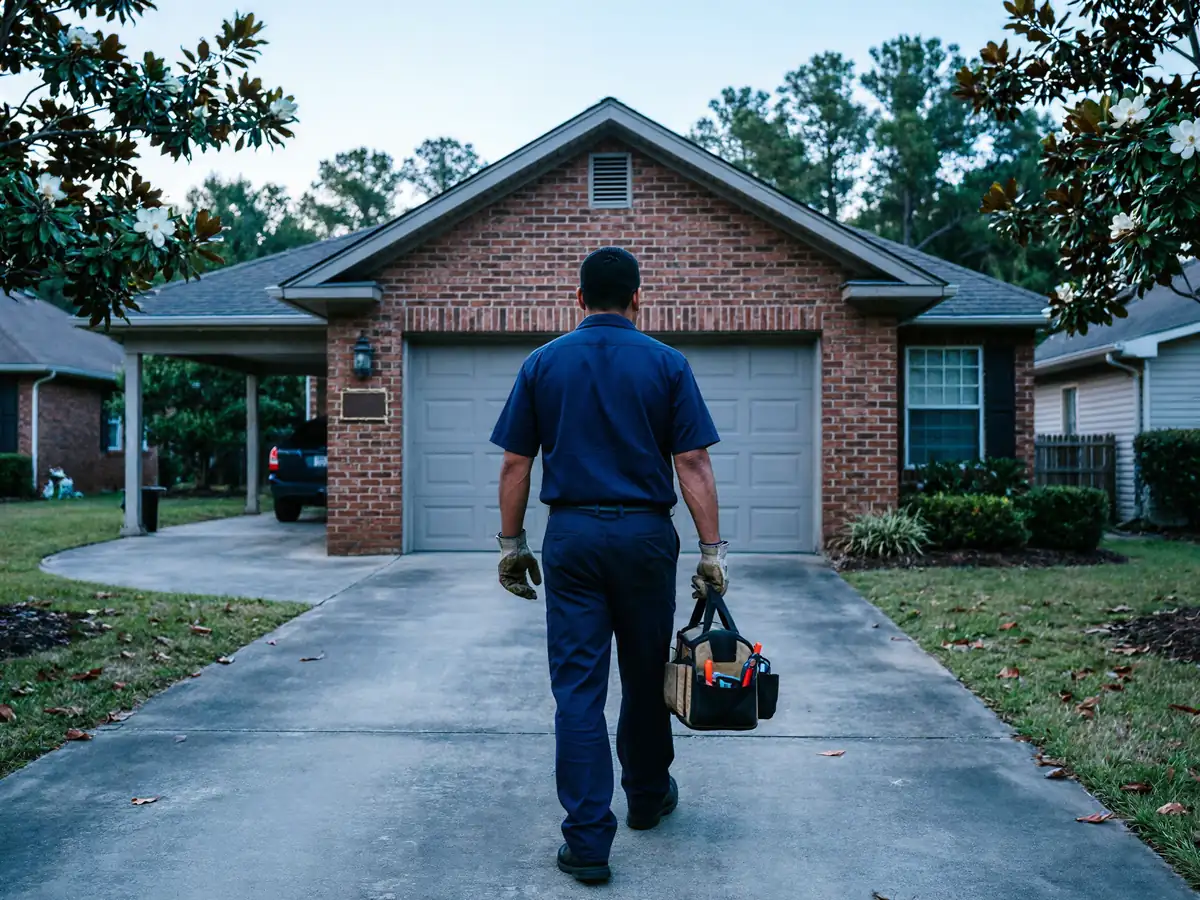
If your door still opens and closes but feels rough, loud, or slightly off, that's the window to catch it before a part fails outright. You can reach us through Jacksonville Garage Door Co to get scheduled.
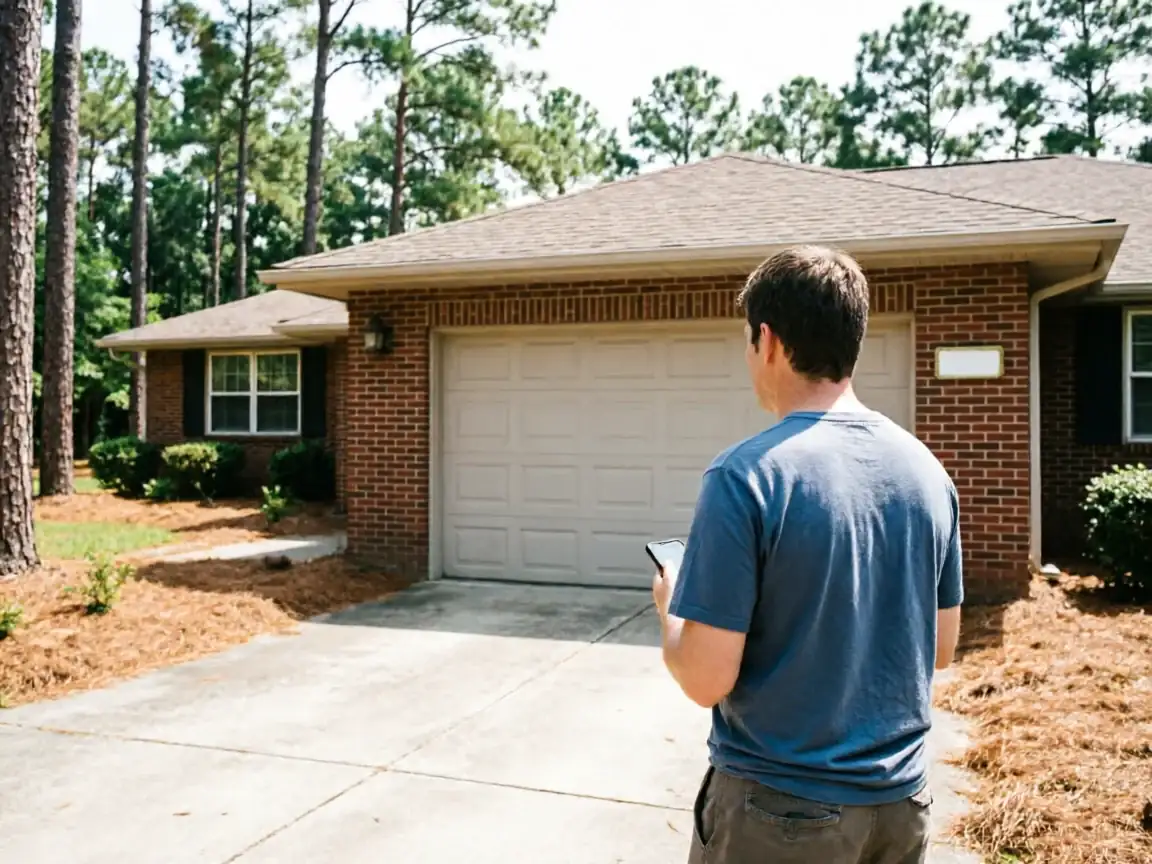
Before the visit, it helps to know the rough age of your door and opener if you have it
A lot of owners in this area are working with hardware original to a house built sometime between 1980 and 2013, and knowing which end of that range you're on changes what we check first. If you don't know, that's fine too; we'll find it on site.
One limitation worth saying up front: we inspect and service what's there
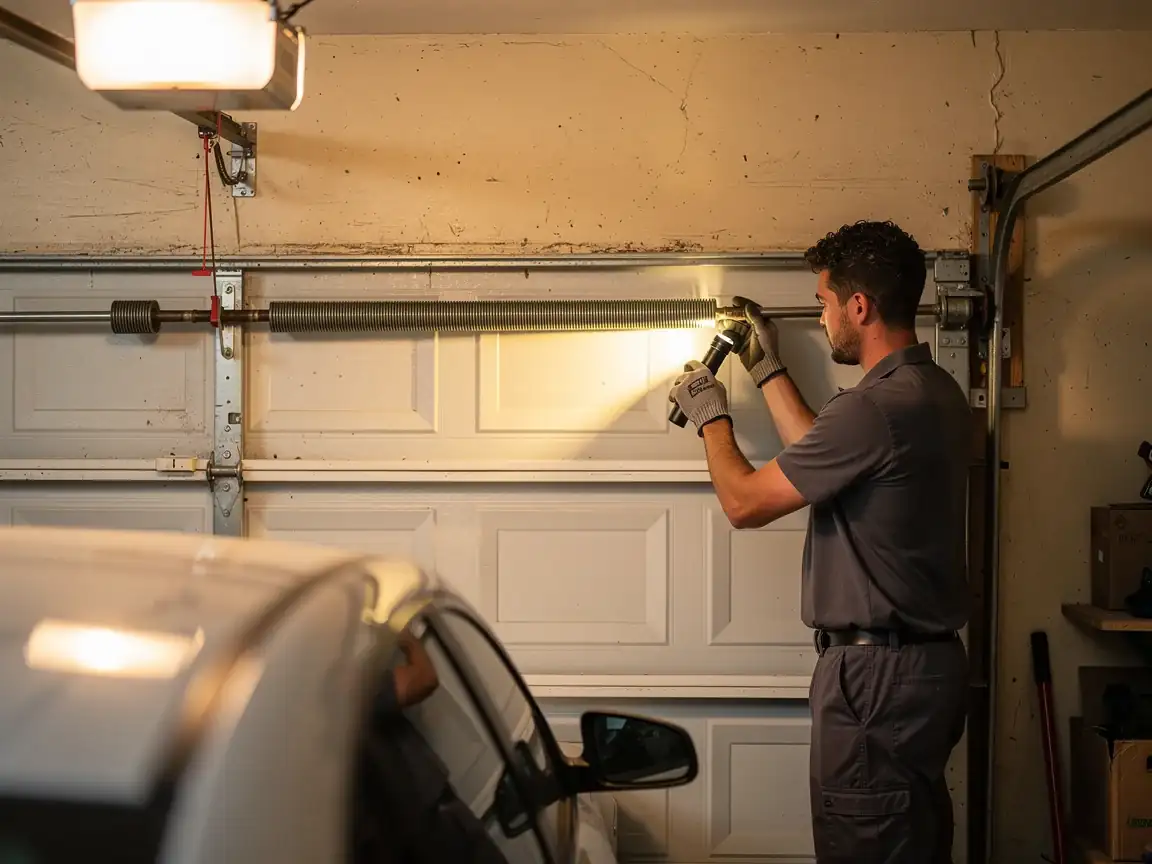
If a part is worn past the point of a safe adjustment - a spring with visible pitting, a cable with broken strands - we'll tell you it needs replacing rather than patch it and send you on your way. A maintenance visit isn't a substitute for a repair when a part has actually failed.
The DIY Question
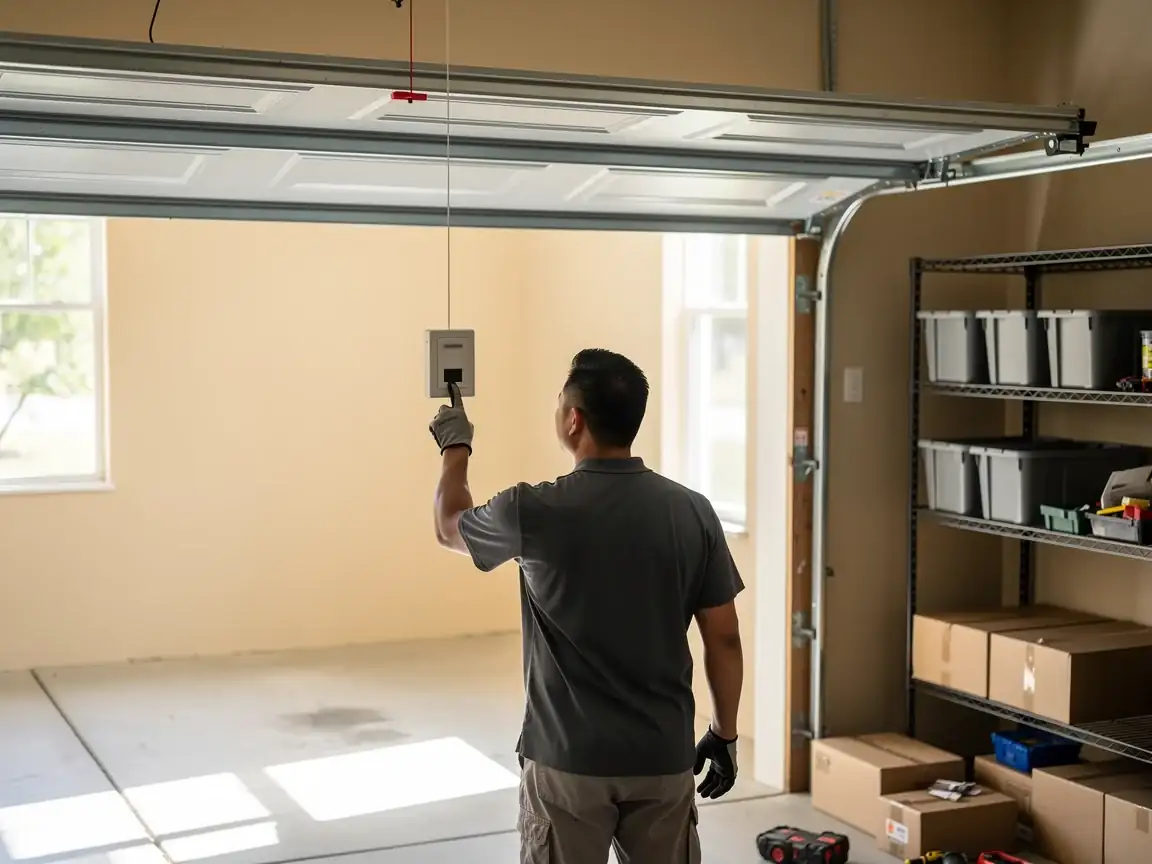
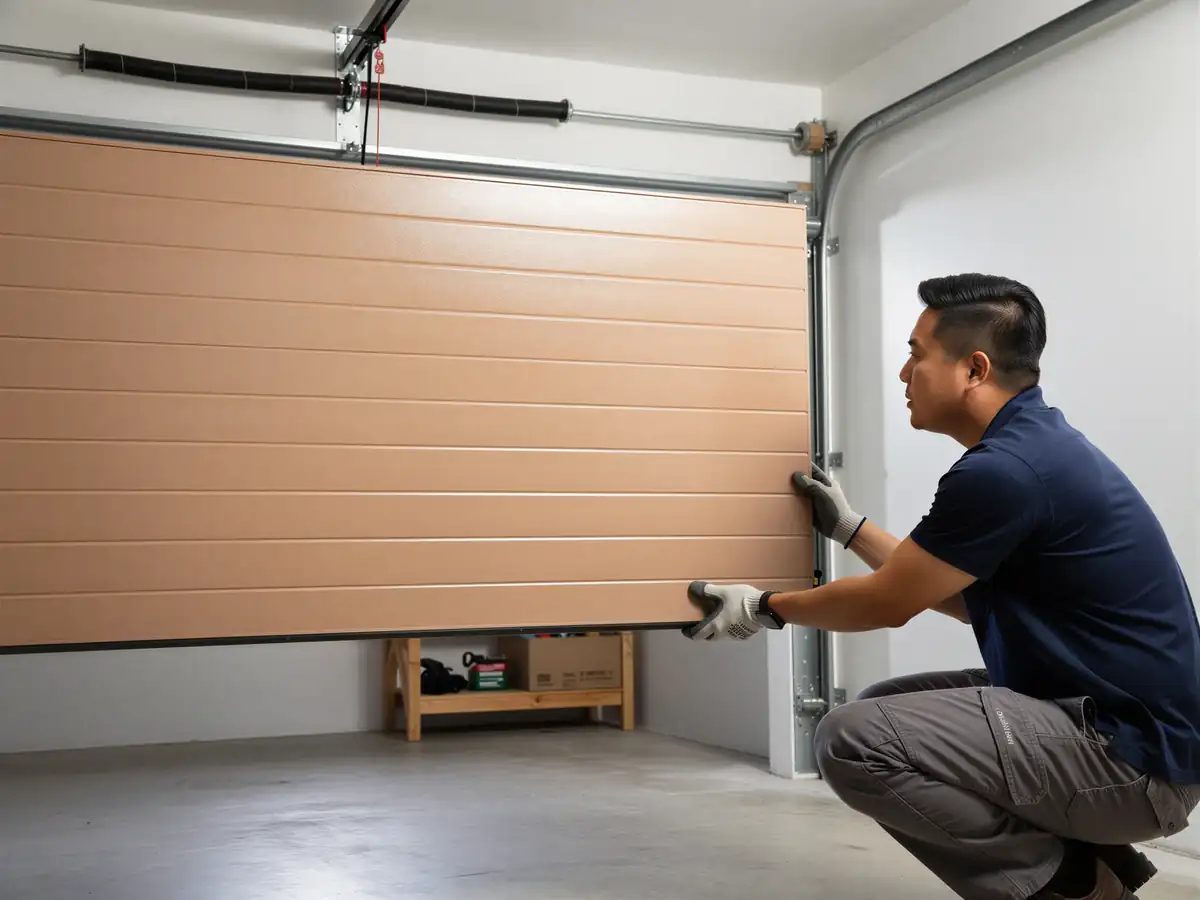
Some of this you can do yourself. Wiping down tracks, checking that the photo-eye sensors are aligned, listening for new grinding sounds, and watching whether the door drifts or jerks on the way down - all of that is reasonable homeowner territory, and doing it monthly catches a lot of problems early.
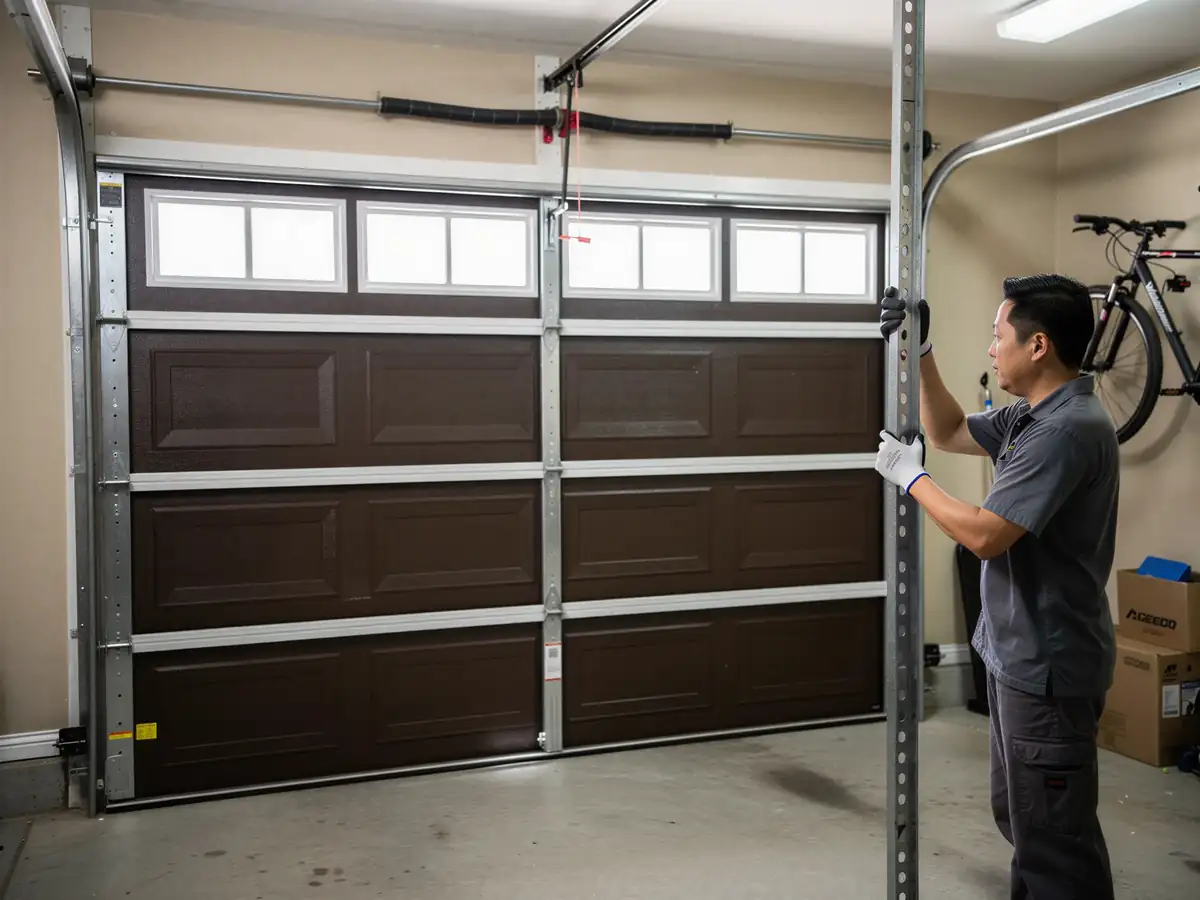
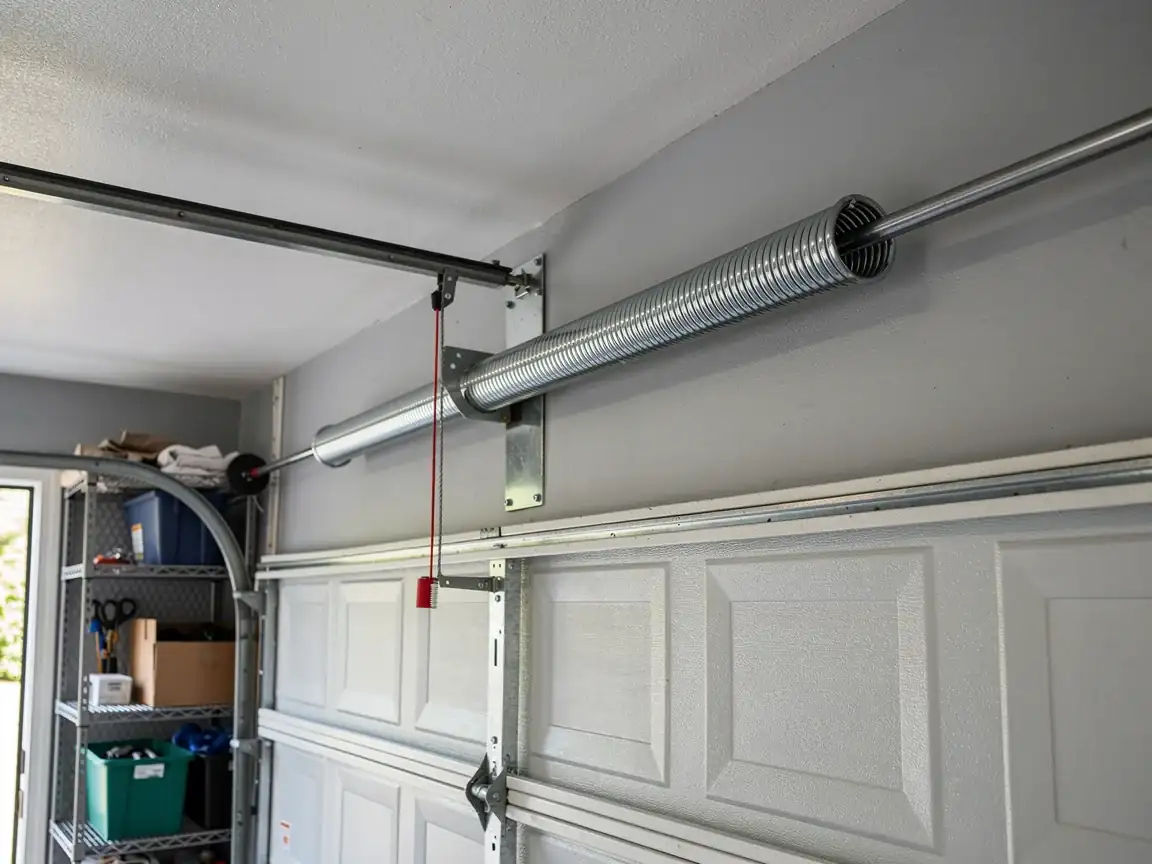
What we don't recommend DIY-ing is anything touching the torsion spring or the cables under tension. On a double door especially, a torsion spring holds enough stored force to cause a serious injury if it lets go while you're working near it. Lubricating hinges and rollers is fine; adjusting spring tension or swapping a cable is not a weekend project.
Given that most doors across this service area are sitting on hardware installed anywhere from the 1980s to the early 2010s, a lot of what we find on a maintenance call isn't a failure yet - it's wear that's close to becoming one. Rollers going oval, a track bracket that's loosened a quarter inch, a spring that's lost a coil's worth of tension. None of that is urgent until it is, and that's the gap a maintenance visit is meant to close.
What Causes It Around Here
Housing across the area we cover was mostly built between 1980 and 2013, with the heaviest concentration from the 1980s and 90s, spread across the eleven named areas that make up this service territory. That means a big share of the garage doors we see are somewhere between ten and forty years into their working life - old enough that the original rollers, cables, and spring are at or past their rated cycle count, but not so old that owners are expecting trouble yet.
Jacksonville sits in a cold-moderate climate band. That's not the extreme swing you'd get further inland or further north, but it's still enough seasonal temperature change to make metal expand and contract, bolts back out of wood jambs, and lubricant on rollers thicken up in colder stretches. On a door that's already twenty-plus years old, that cyclical stress is what turns a minor wobble into a stuck track.
With 12,123 owner-occupied houses among the 16,650 households in this area, a large share of the doors we maintain are long-term, single-owner installs - not recently flipped or newly built - which is exactly the profile where routine maintenance pays off instead of waiting on a failure.
What You Are Seeing
A door that's due for maintenance usually tells you before it quits
The most common early sign is a change in sound - a new grind, squeal, or rattle that wasn't there a few months ago, usually from a roller or hinge that's lost its lubrication. Next most common is a door that hesitates or jerks partway through its travel, which often points to a track that's shifted slightly out of alignment rather than anything wrong with the opener itself.
Some owners notice the door closing unevenly, one side dropping faster than the other
That's frequently early cable or spring wear rather than a track problem. Others notice the opener straining, running longer or louder than it used to, which can mean the spring isn't carrying its share of the door's weight anymore and the motor is picking up the slack.
None of these on their own mean the door is about to fail
But on hardware that's been in place for ten, twenty, or thirty years, they're the signs worth acting on rather than ignoring. Given a median household income of $65,179 across this area, most owners we talk to would rather spend on a maintenance visit now than face a full spring or opener replacement later.
- $65,179 median household income