What It Costs
We don't post a flat number here because no two calls are the same job
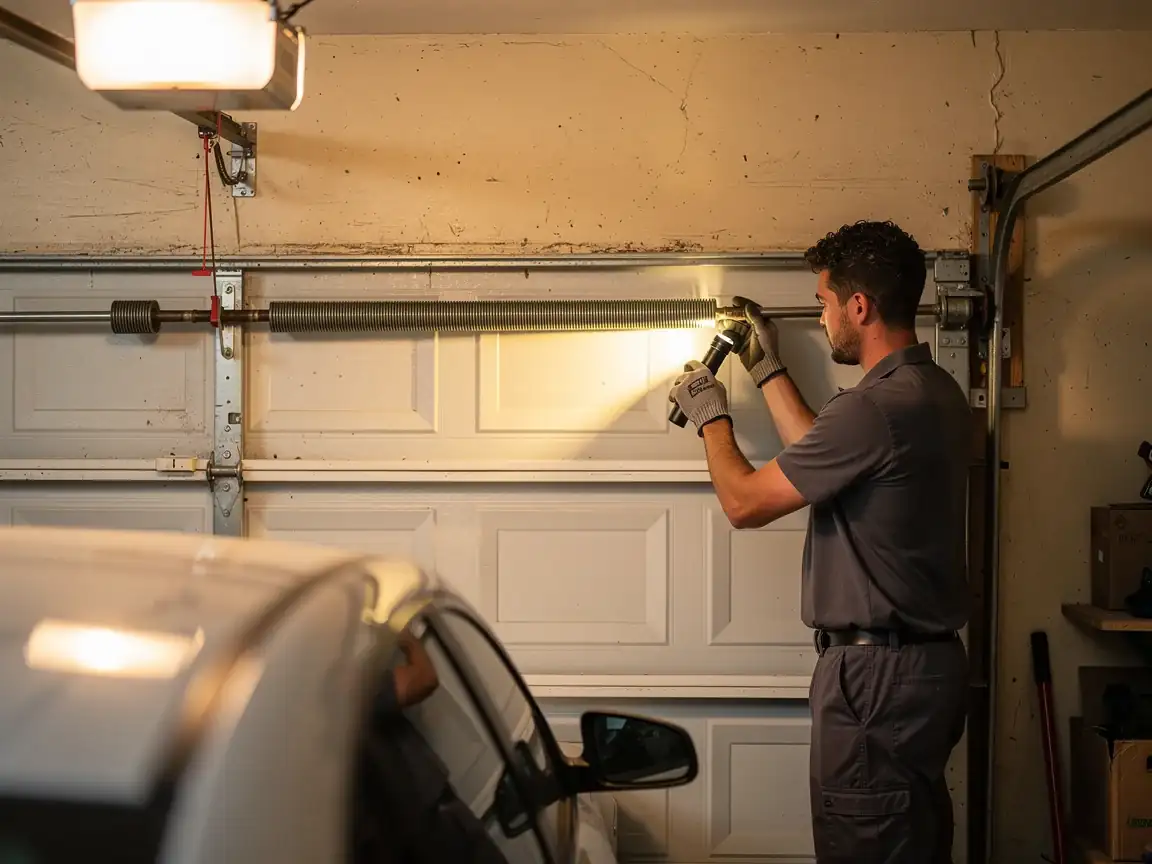
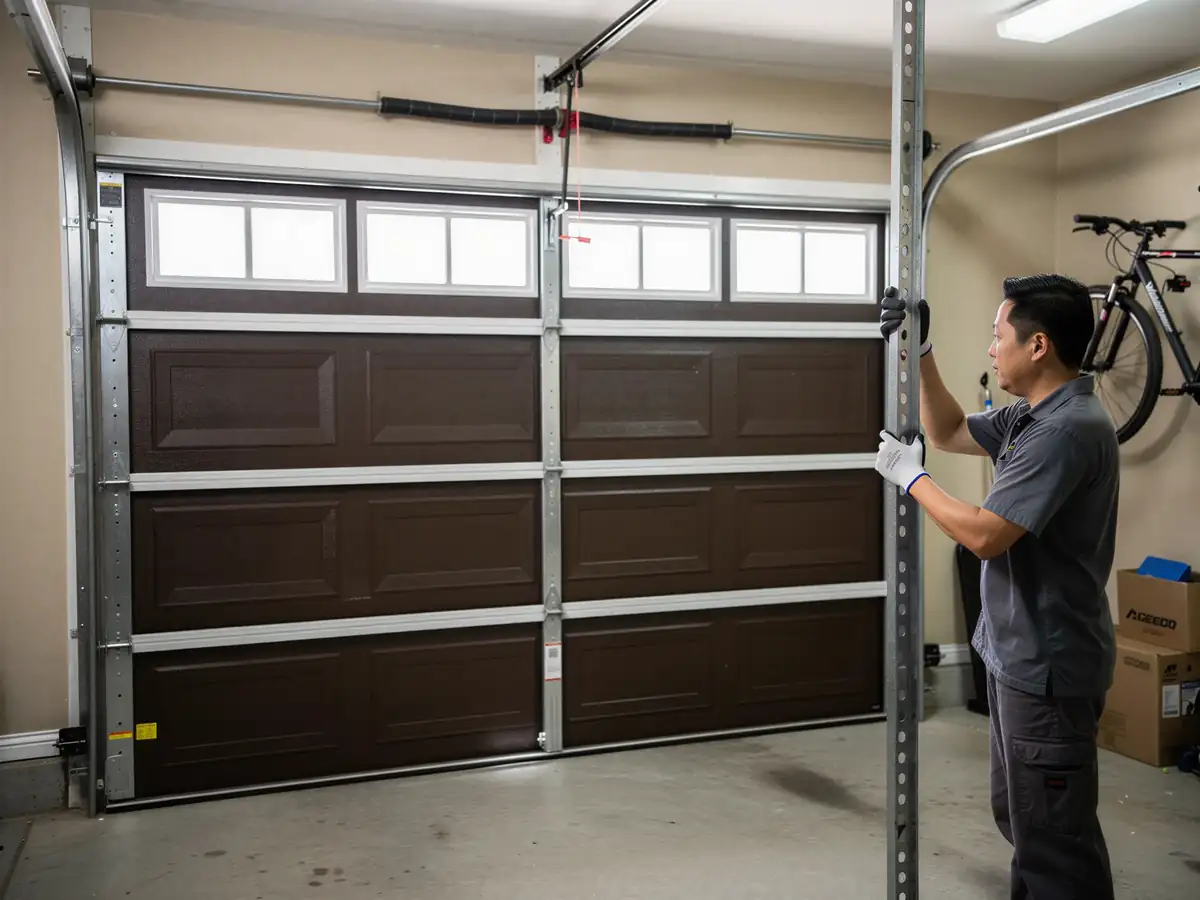
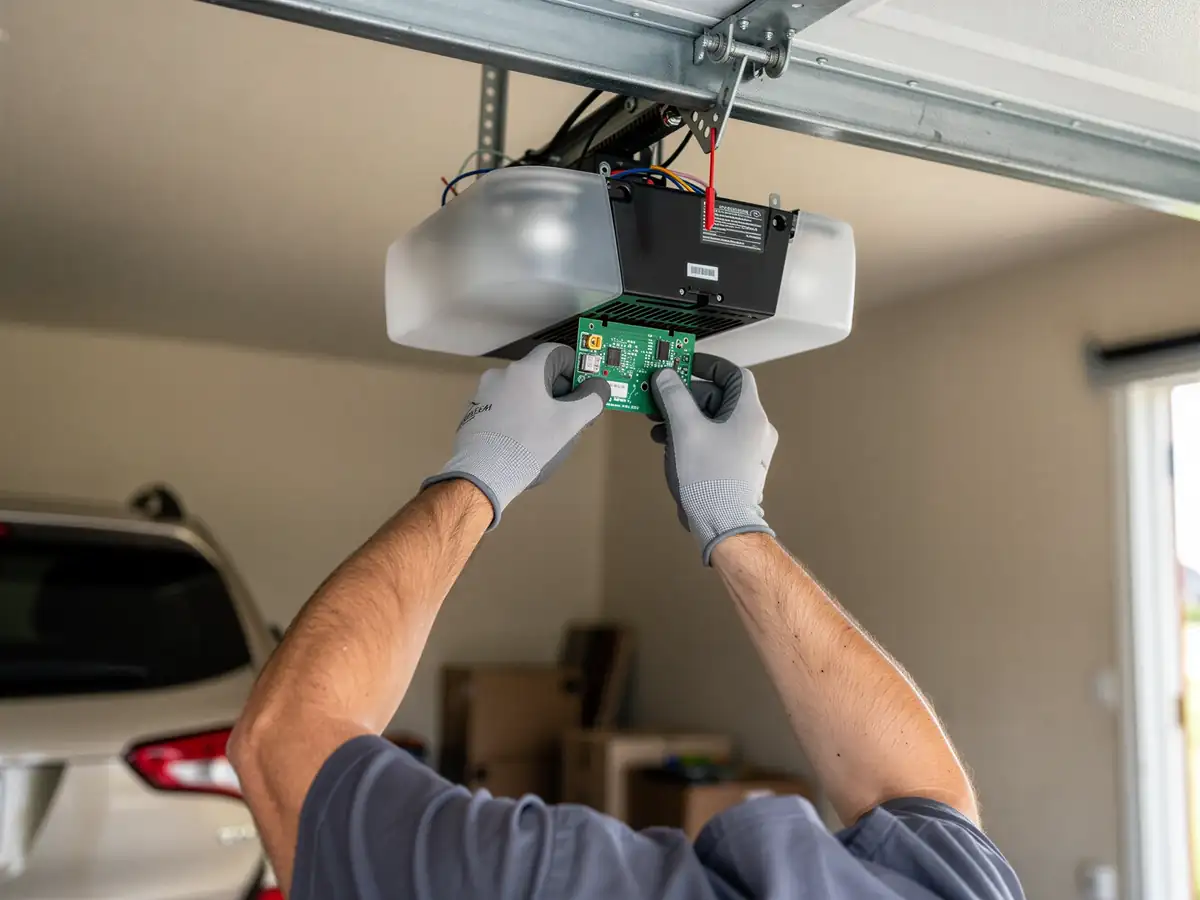
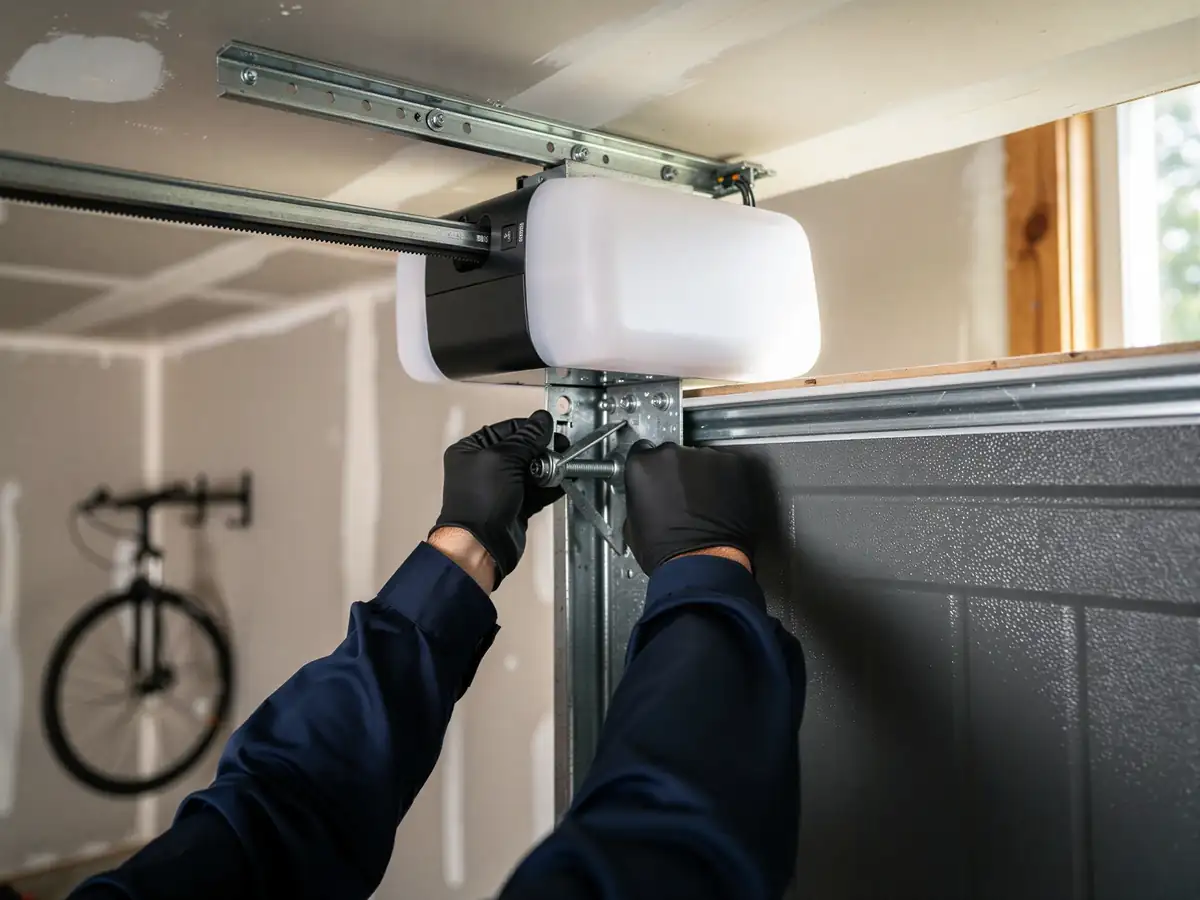
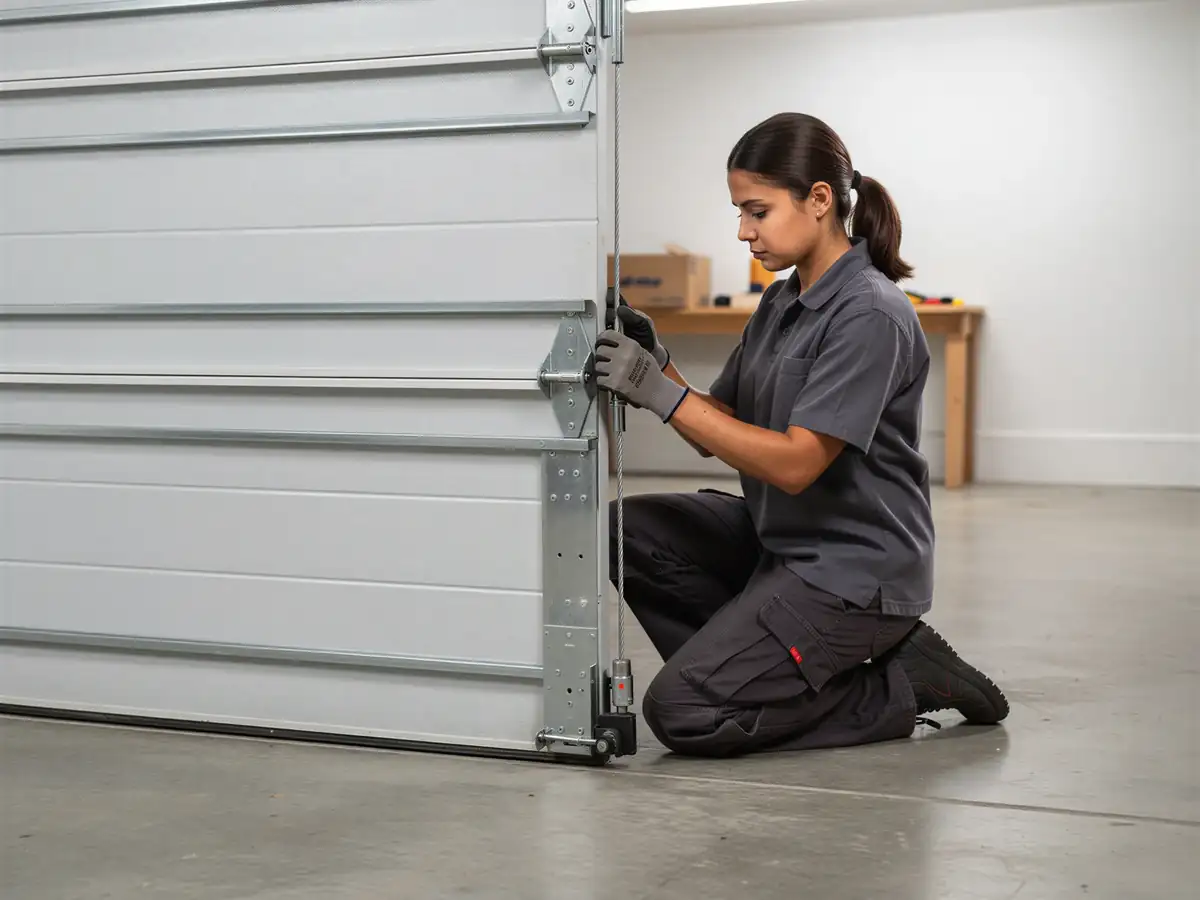
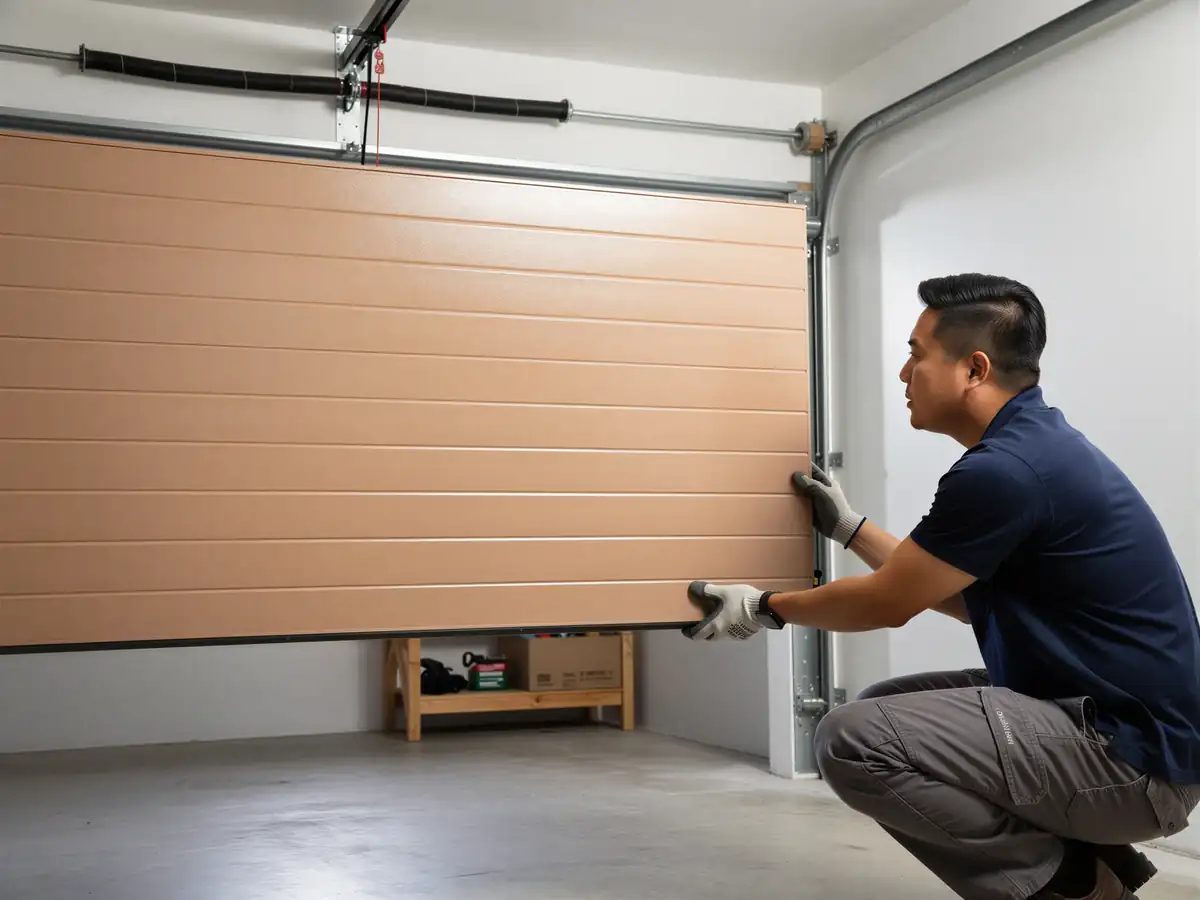
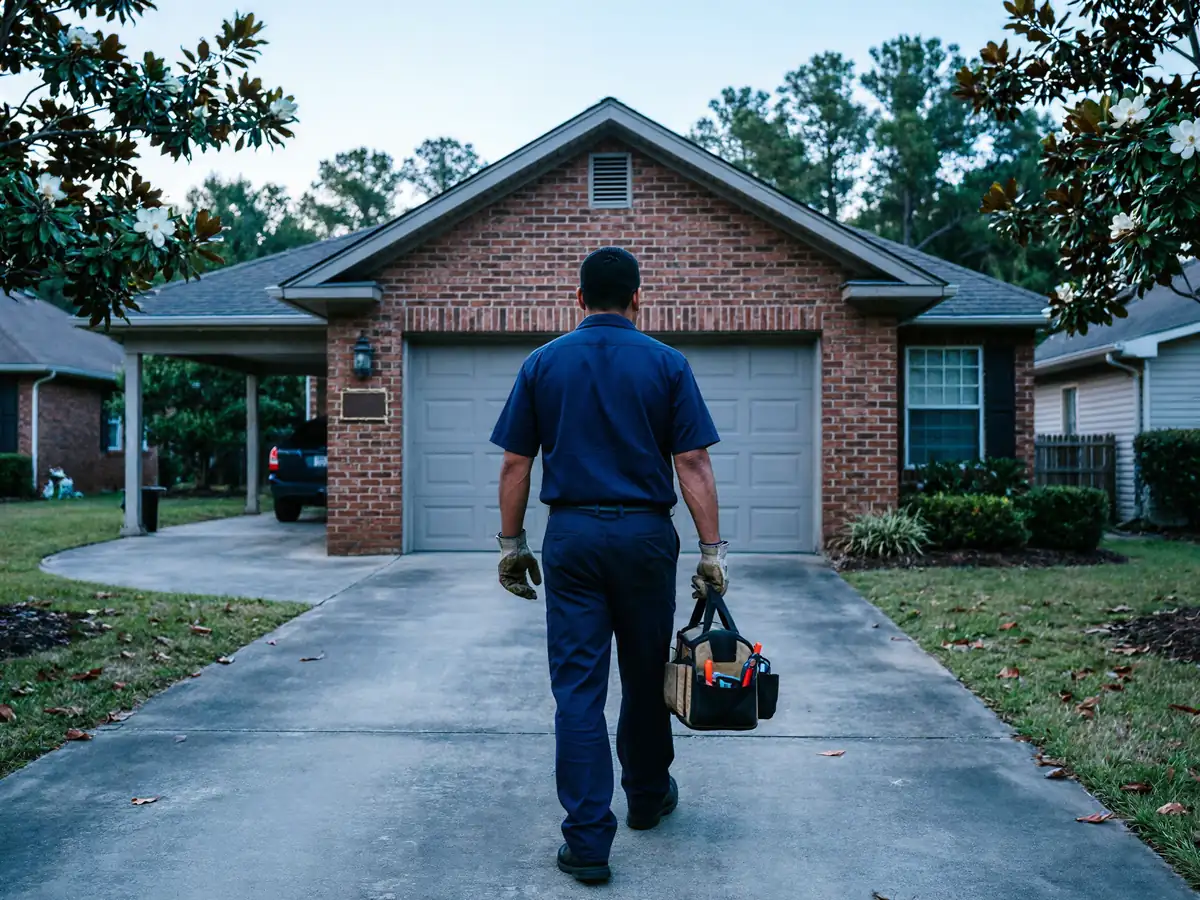
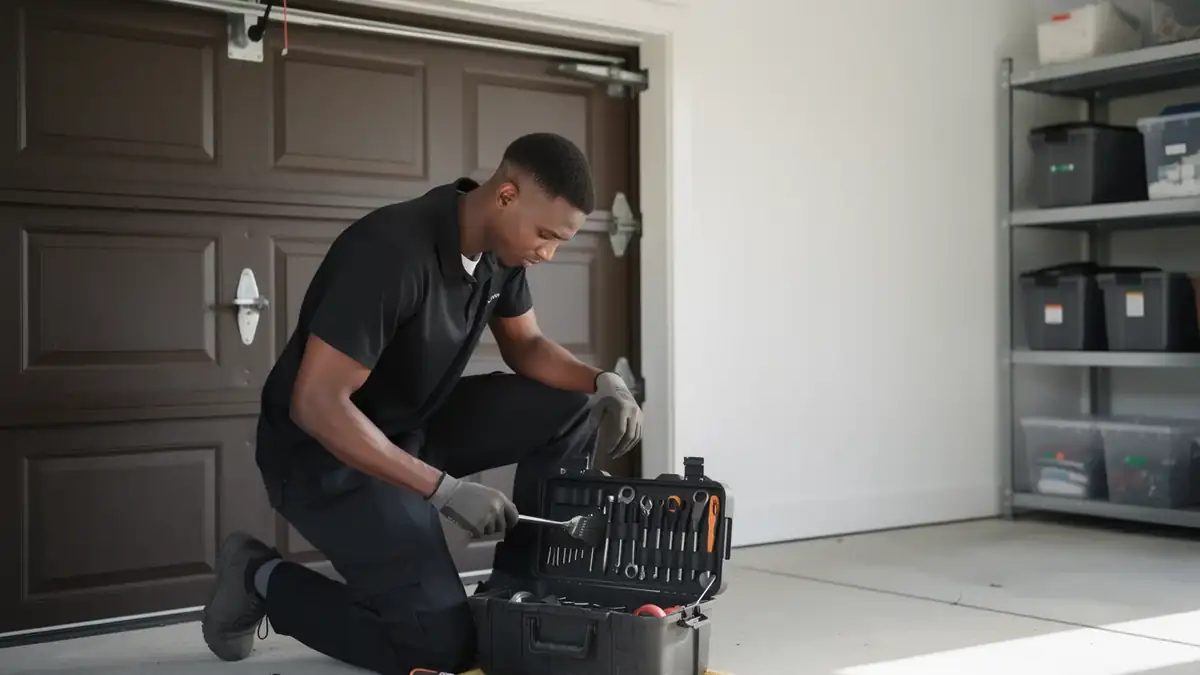
A call that turns out to be a loose cable clamp is a different animal than one where the opener's circuit board is dead. What every call includes is the same: a tech drives out, opens the panel or the torsion tube, finds the actual failed part, and gives you a price before any work starts. You're never billed for a diagnosis you didn't approve.
What changes the number is what's behind your wall
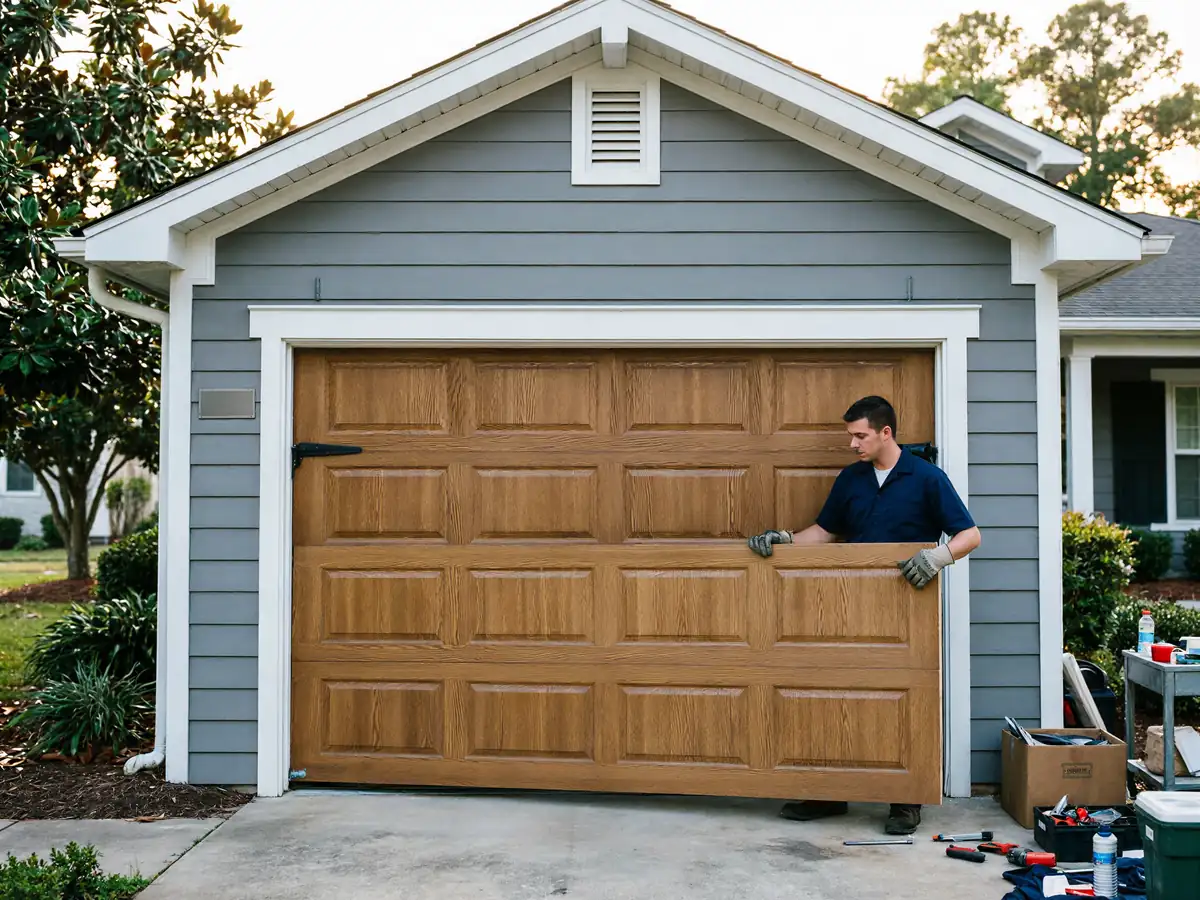
A lot of garage doors in this area were installed between 1980 and 2013, with most of that stock clustered in the 1980s and 90s. That matters because openers and spring systems from that window are often past the point where a manufacturer still stocks matching parts, so a repair sometimes becomes a swap instead - not because we're pushing a sale, but because the original part isn't made anymore.
We'll tell you straight if a repair isn't worth doing against a replacement
That's part of the call, not an upsell pitch.
The Situation
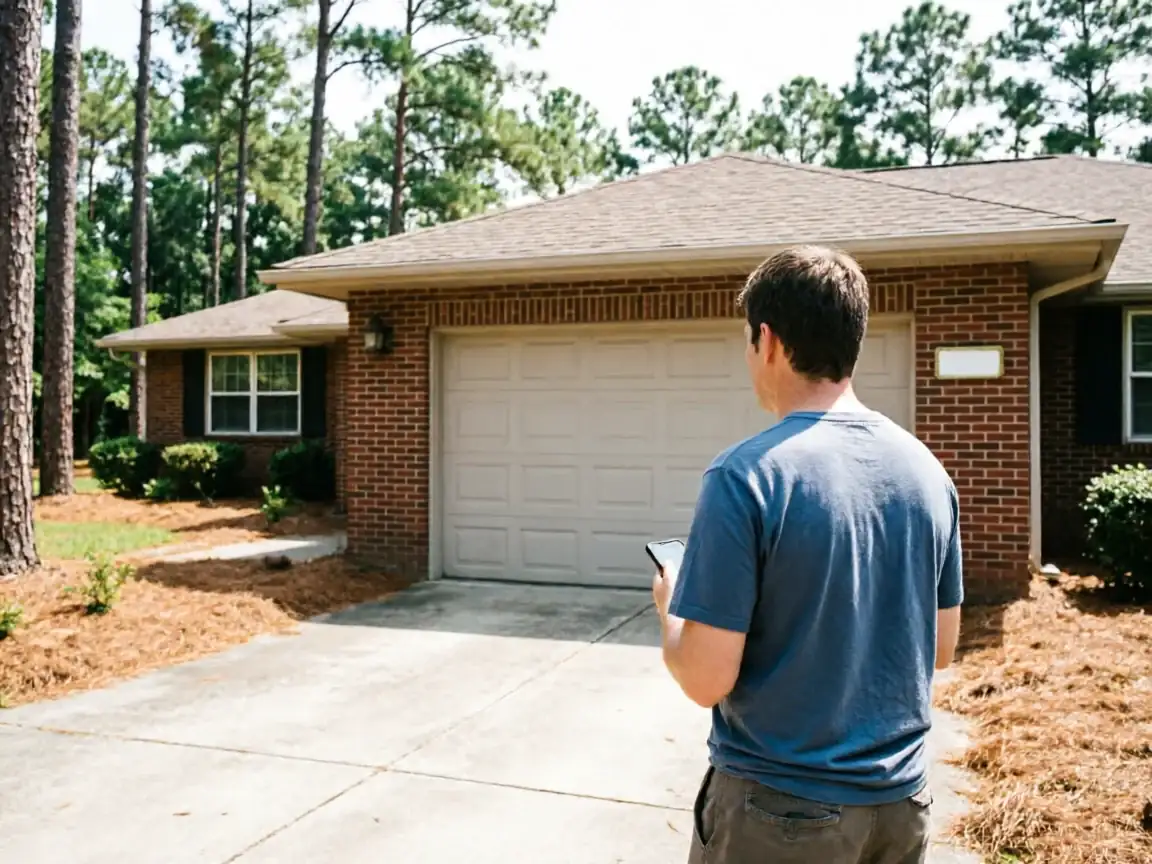
We run calls across the Jacksonville service area, including Pumpkin Center, Piney Green, Half Moon, Sneads Ferry, Richlands, Swansboro, North Topsail Beach, Cedar Point, Peletier, Holly Ridge, and Cape Carteret. That's a wide stretch, and the housing isn't uniform across it - you'll find pockets built in the early 80s sitting a few streets from houses finished in the 2000s and 2010s.
Across the roughly 16,650 households we're working around, about 12,123 are owner-occupied houses - the kind with an actual garage door to maintain, as opposed to a rental unit with a shared lot. Median household income here runs around $65,179, which is part of why we try to be upfront about repair-versus-replace instead of defaulting to the most expensive fix.
A call to a house in Piney Green built in the 90s often turns up different hardware than a call eight miles out in Richlands where construction is newer. We don't assume - we look at what's actually on the track before we quote anything.
When Waiting Is Fine
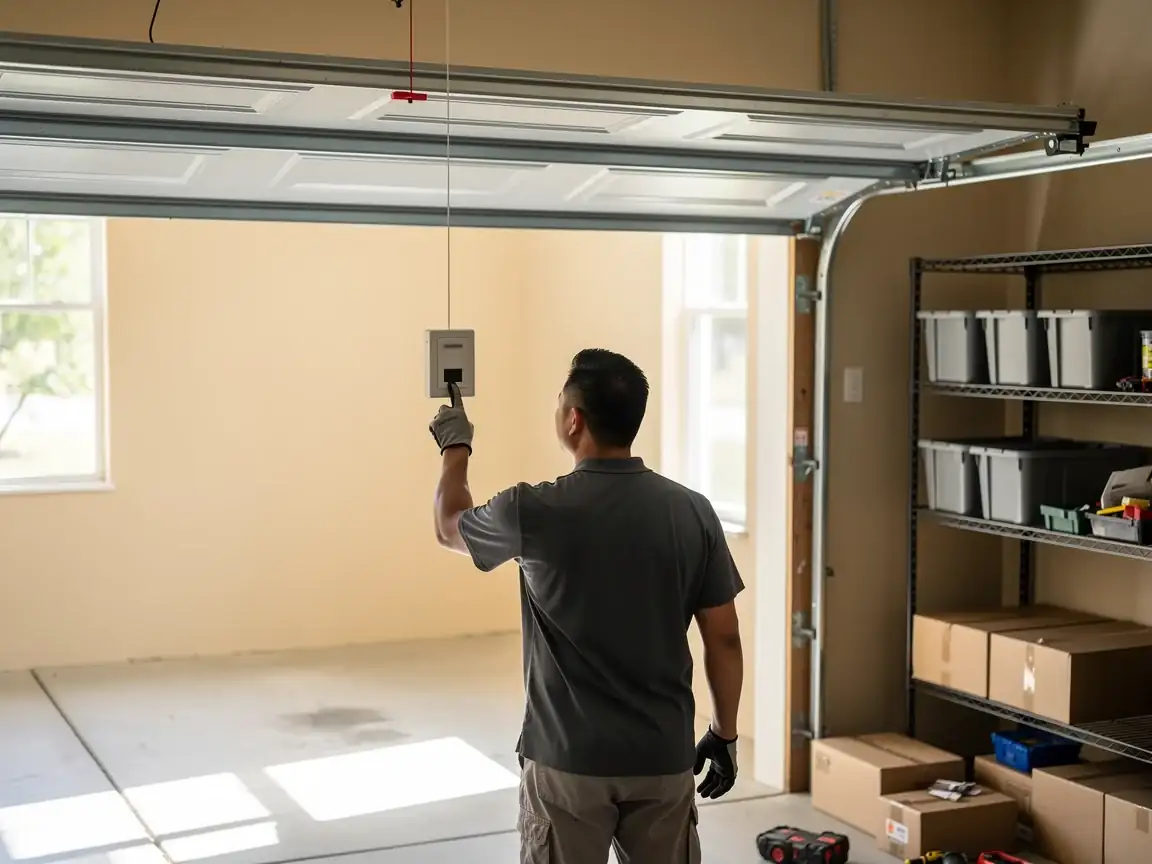
Not every noise or sag means drop everything. If your door is still opening and closing on a timer but the opener chain rattles more than it used to, that can usually sit on a list for a week or two rather than becoming an emergency call. Same with a roller that's started to squeal but isn't binding - lubrication and a scheduled visit covers it.
Where waiting stops being fine is anything involving a torsion spring under tension, a cable that's frayed, or a door that's come off track and is wedged. Those don't improve by themselves, and a door stuck half-open is a door a kid or a car can get under.
Given the climate band here - cold and moderate rather than extreme - we don't see the kind of sudden cold-snap spring failures that hit homes further north all at once. That gives you a little more room to schedule a non-urgent fix on your timeline instead of ours, which is one less thing to stress about on a tight week.
How Local Conditions Play In
This area sits in a cold-moderate climate band
Not the deep-freeze zones where steel contracts hard enough to snap springs overnight. That means we see fewer of the classic cold-snap spring failures that spike in harsher climates, but humidity and temperature swings still work on hardware over time - galvanized cable and track hardware corrode slower here than near the coast, but they still corrode.
The bigger factor is age of install
With most of the local housing stock dating to the 1980s and 90s, and construction running through 2013, a lot of openers out there are on their second or third logic board already, and torsion springs installed in that window are well past typical fatigue life even if they haven't snapped yet. We see a fair number of calls where the spring hasn't failed but is clearly close, based on wear patterns that line up with a door's install era.
We don't guess at that from the driveway
We check wind patterns on the coil, rust at the stationary cone, and the opener's manufacture date sticker before telling you what's actually wearing out.