The DIY Question
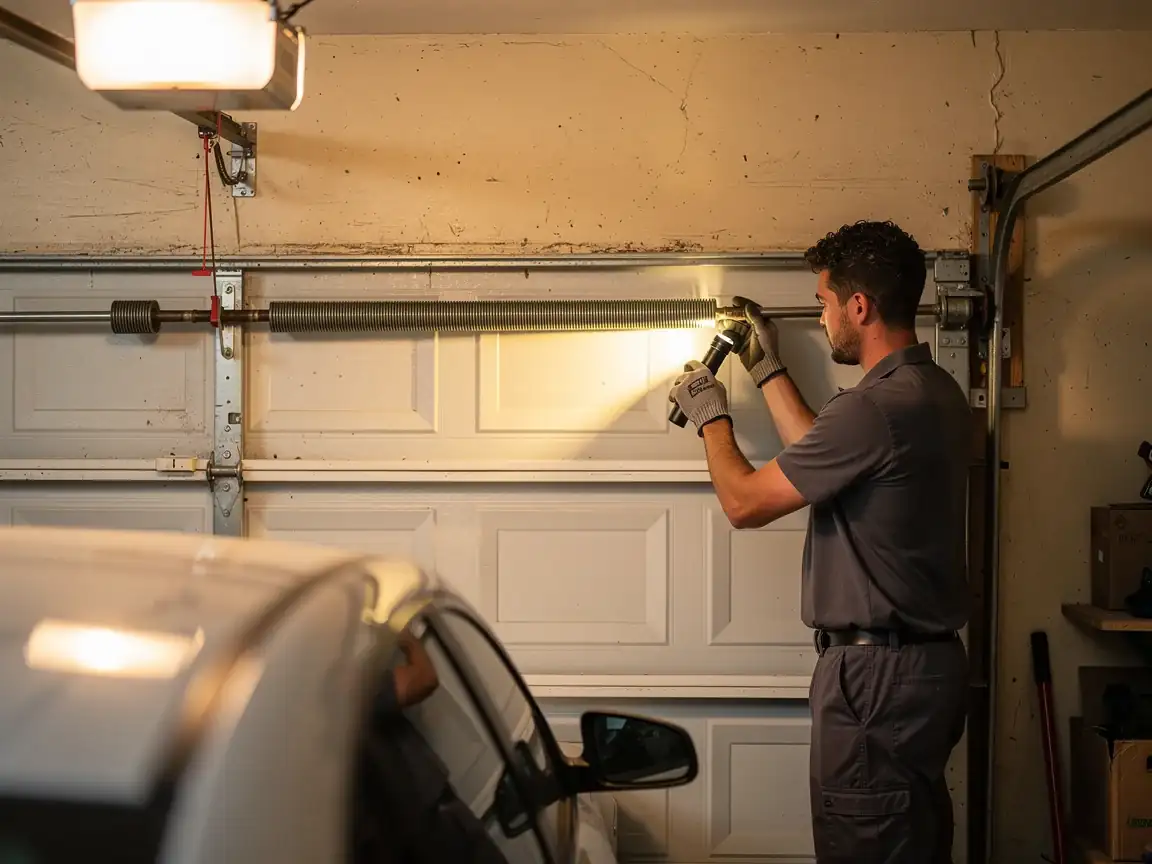
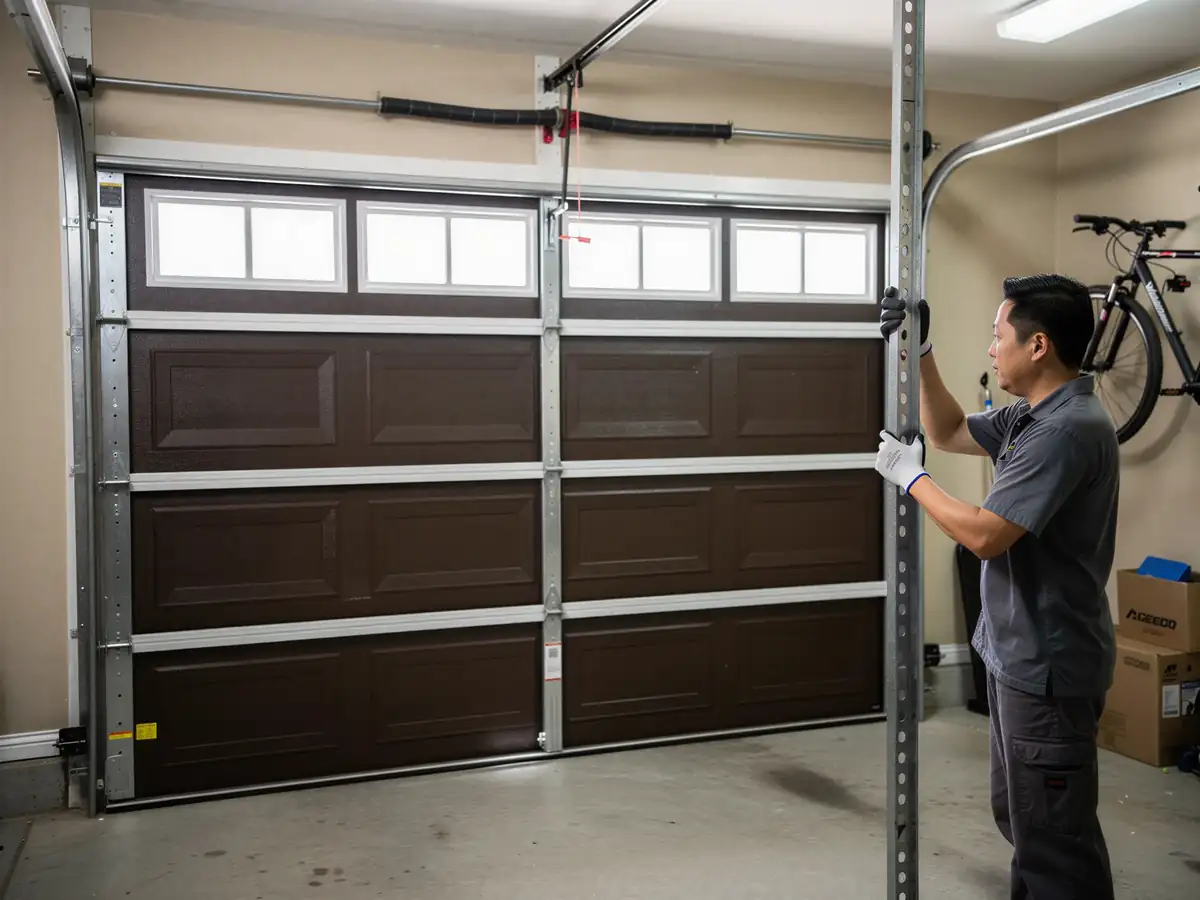
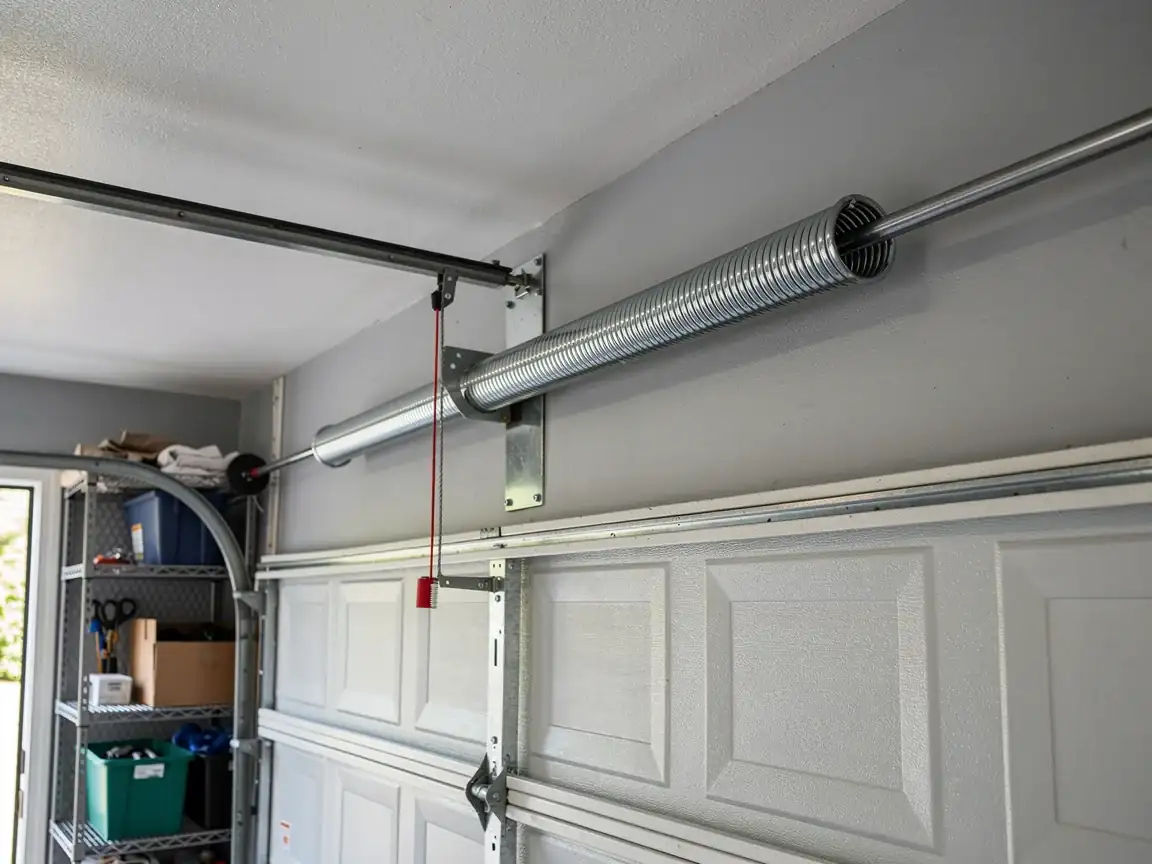
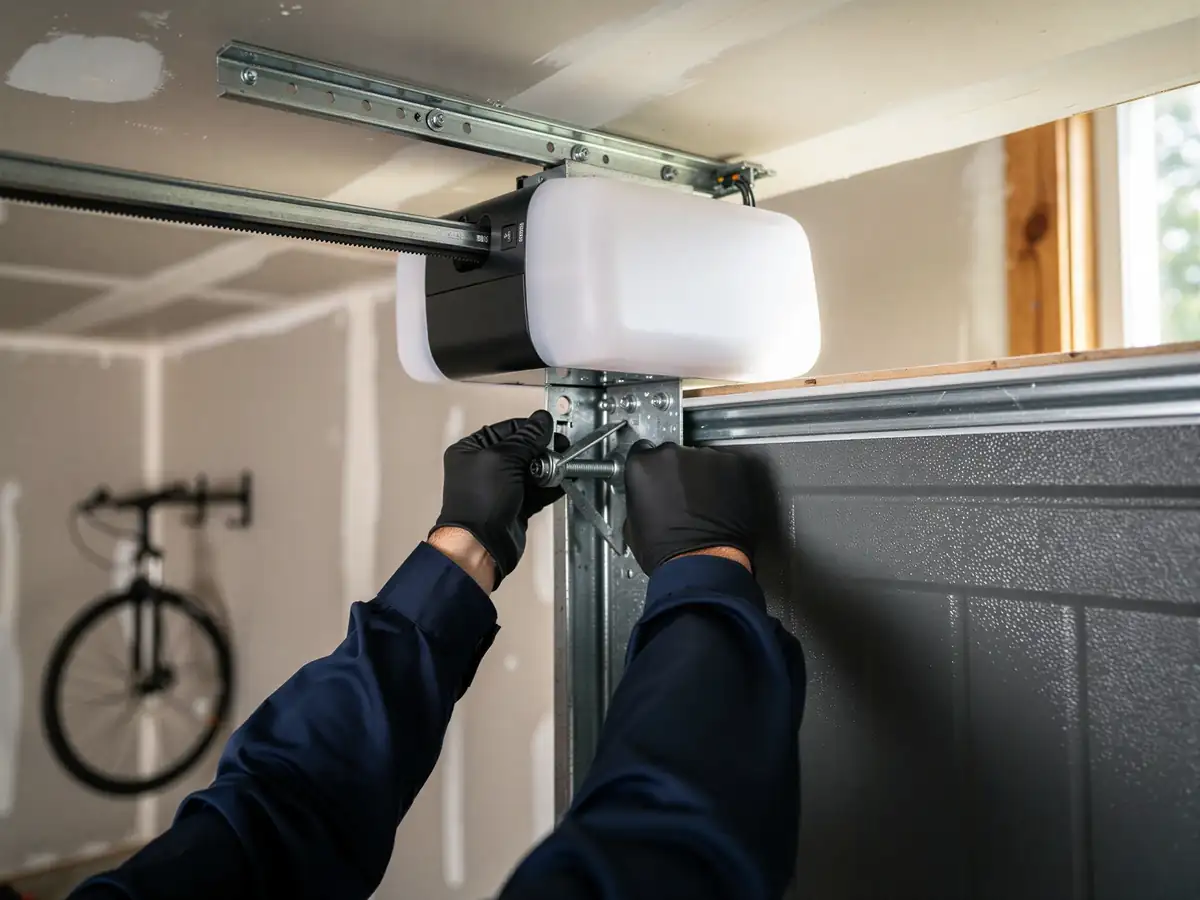
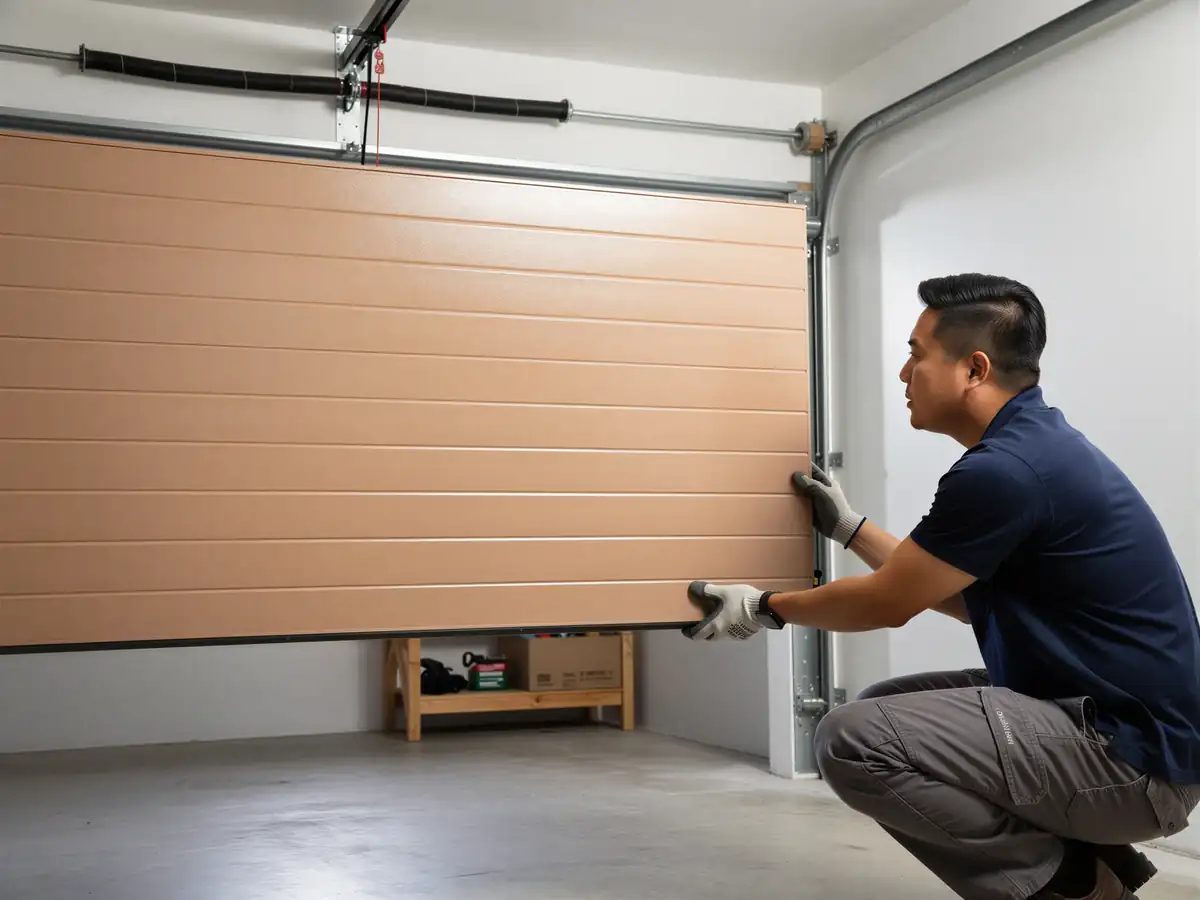
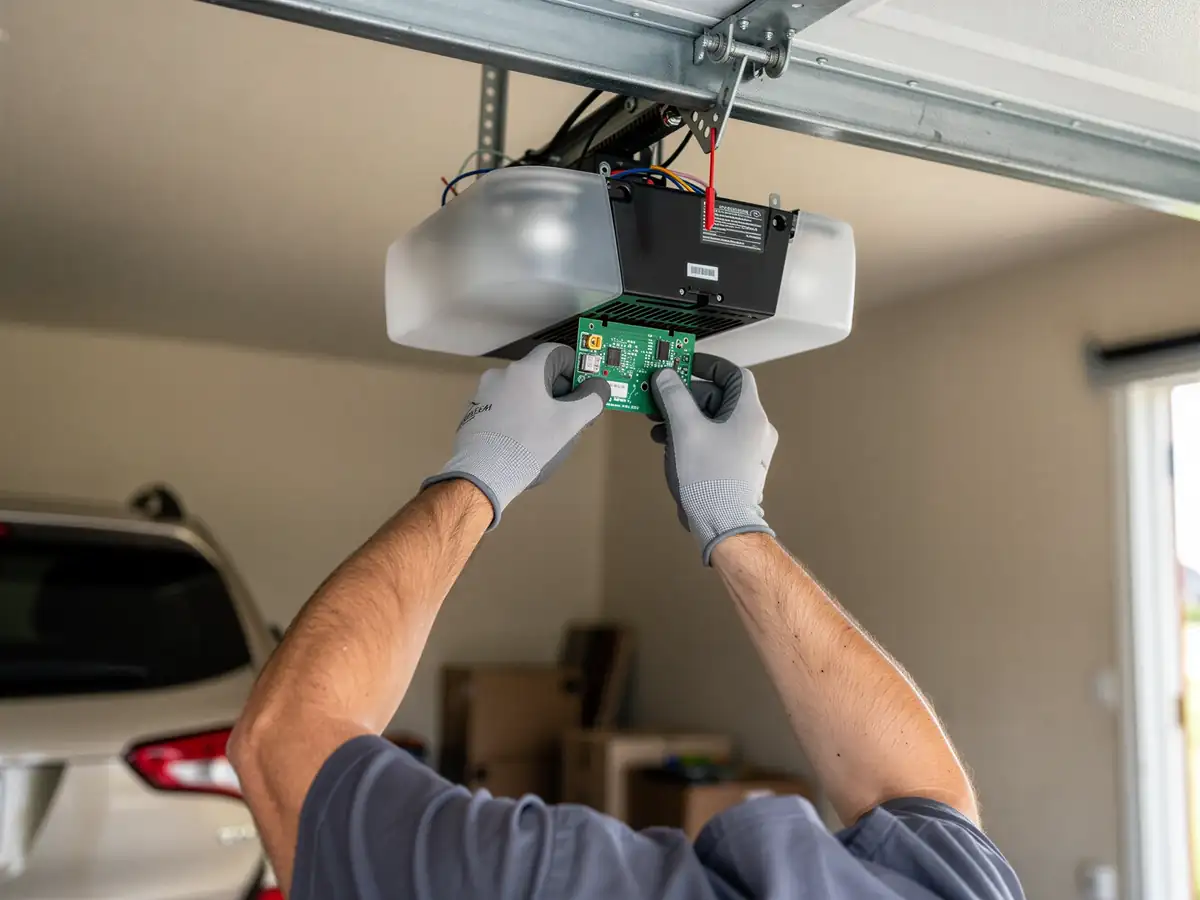
Swapping a logic board or a drive gear is within reach for a patient homeowner with the right parts on hand, and plenty of people in this area do their own opener work. What trips people up is diagnosis, not installation - the symptom you see at the wall button often points to the opposite part of the system from where the fault actually sits. A opener that hums but doesn't lift can be a stripped gear, a dying capacitor, or a spring that's lost tension and is dumping the whole load onto the motor. Replace the opener and leave a failing spring in place, and you've spent money to get the same failure back in a few months. Our limitation here: we don't recommend opener swaps as a first move until the door itself has been checked for balance, because across housing from the 1980s through the early 2000s we see a lot of springs reaching the end of their life around the same years the openers are starting to act up. If you want to do the work yourself, at least rule the door out first - lift it by hand, disconnected, and see if it moves evenly and holds position halfway up. If it drops or fights you, that's not an opener problem.
What Causes It Around Here
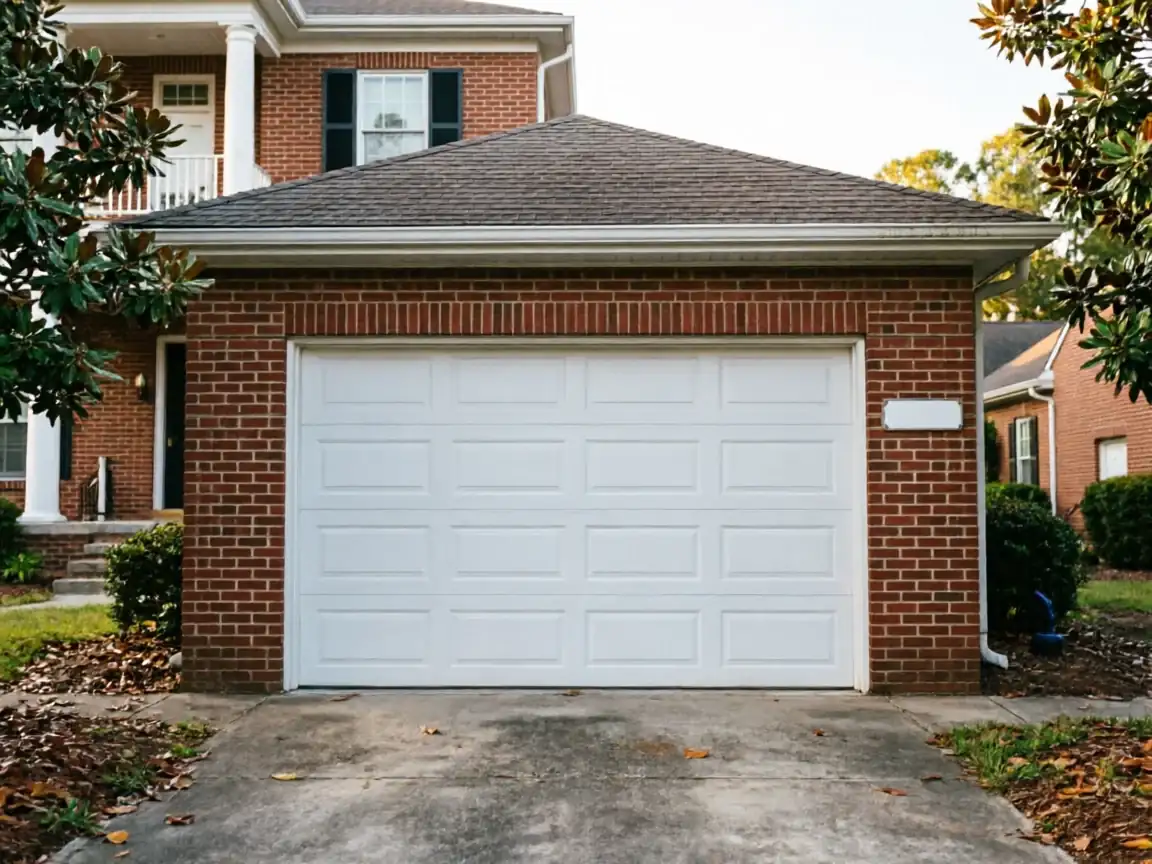
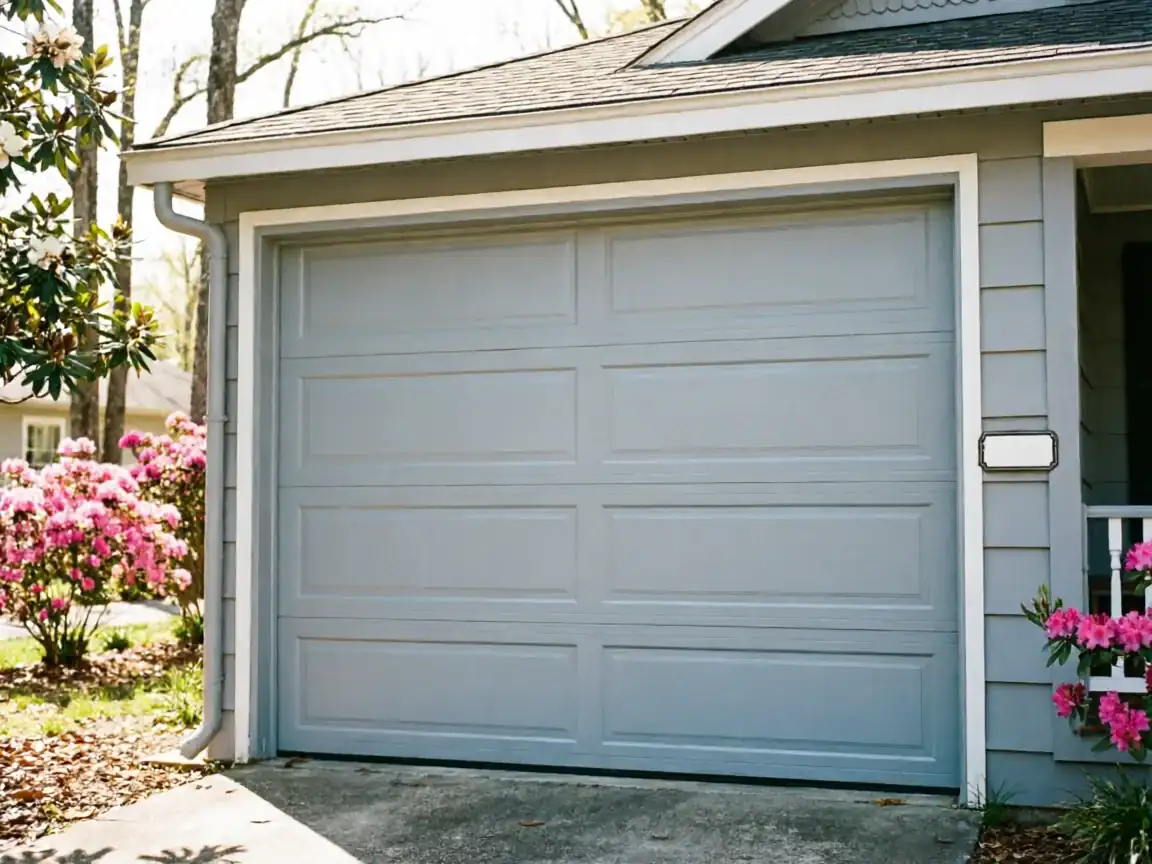
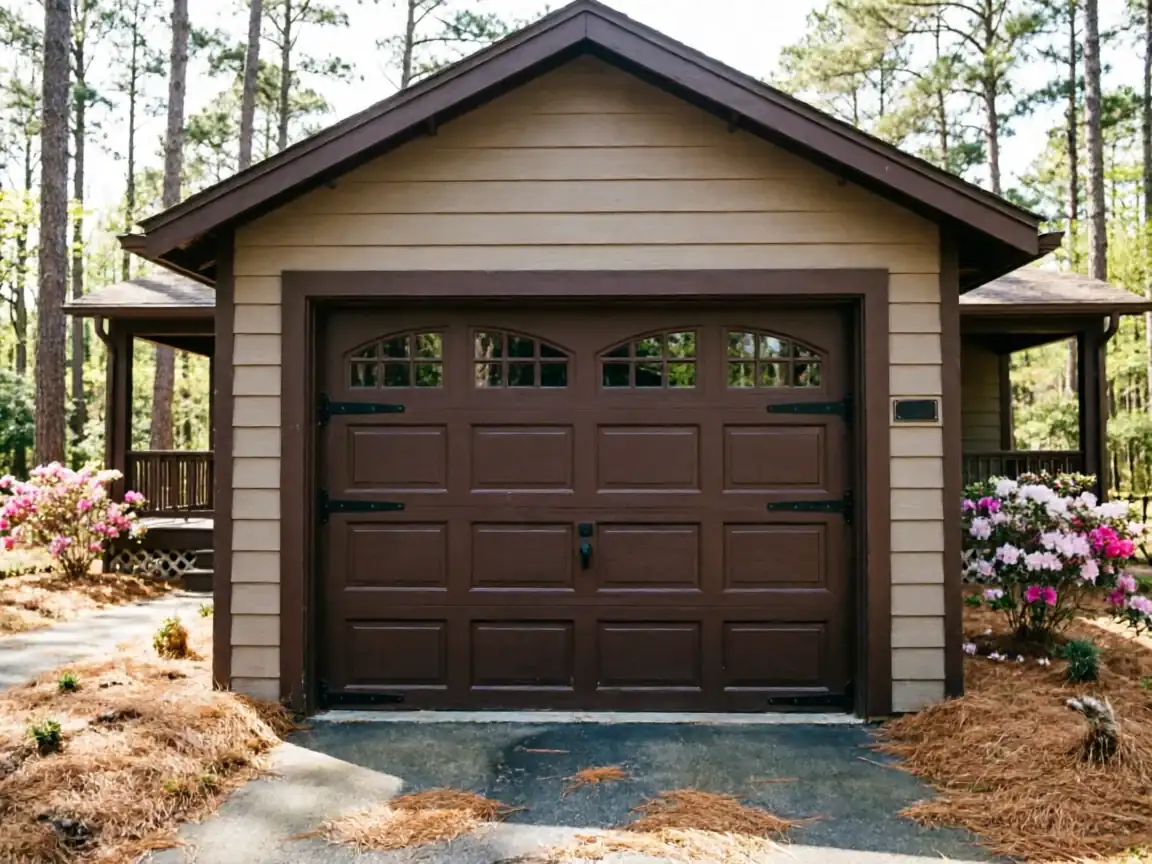
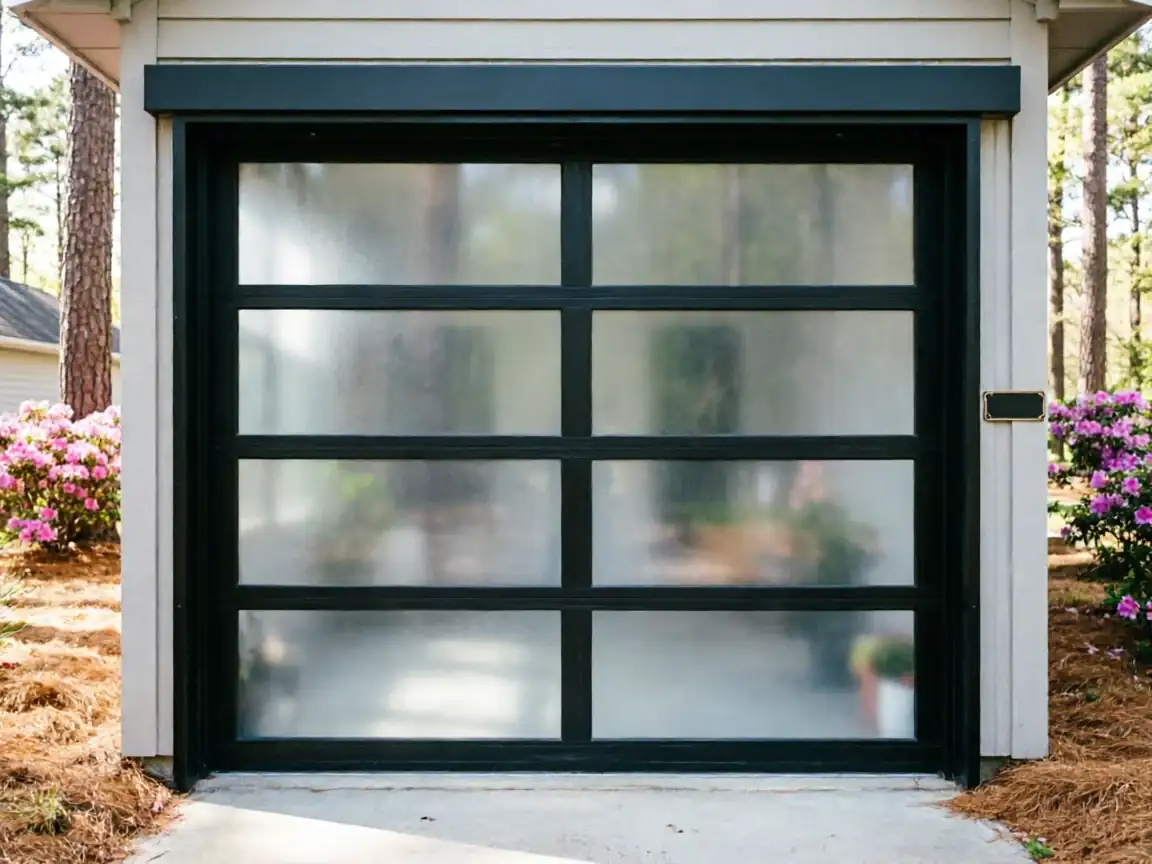
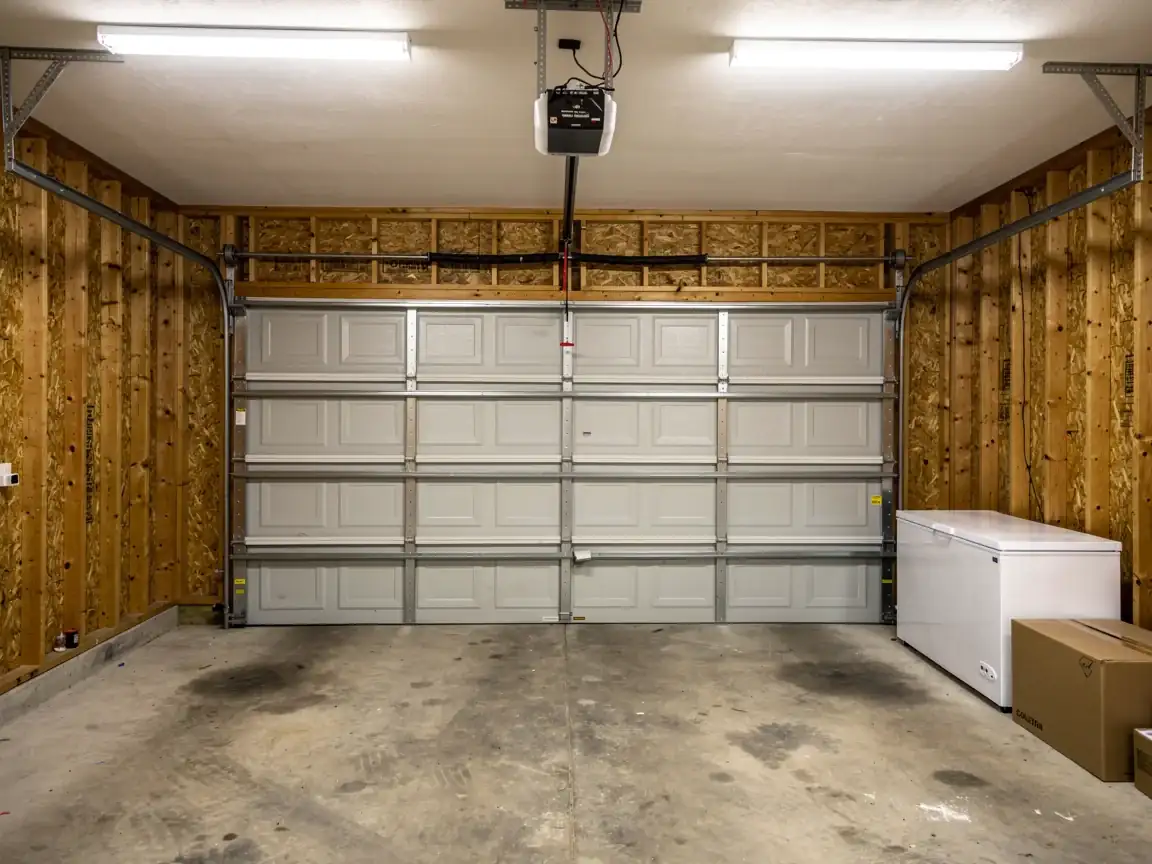
Most of the houses we work on in this service area went up between 1980 and 2013, with the bulk of the stock dating to the 1980s and 90s across the eleven communities we cover. That era of construction means a lot of original or first-replacement openers are now two or three units deep into their service life, and the chain-drive and early screw-drive models common to that period use gears and capacitors that weren't built for 25-plus years of coastal humidity swings. The climate here sits in a cold-moderate band rather than a hard freeze zone, but the damp cold that does show up works differently than dry cold - it corrodes contacts and swells wood jambs instead of just stiffening grease, so openers here tend to fail through electrical and sensor faults more than through frozen mechanisms. Garages that aren't conditioned space see the widest daily swing between a cold night and a sun-warmed afternoon, and that cycling is what cracks solder joints on logic boards over time. None of that is unique to one street - it's a function of when this area built out and what the weather does to a garage that isn't insulated like the house attached to it.