The DIY Question
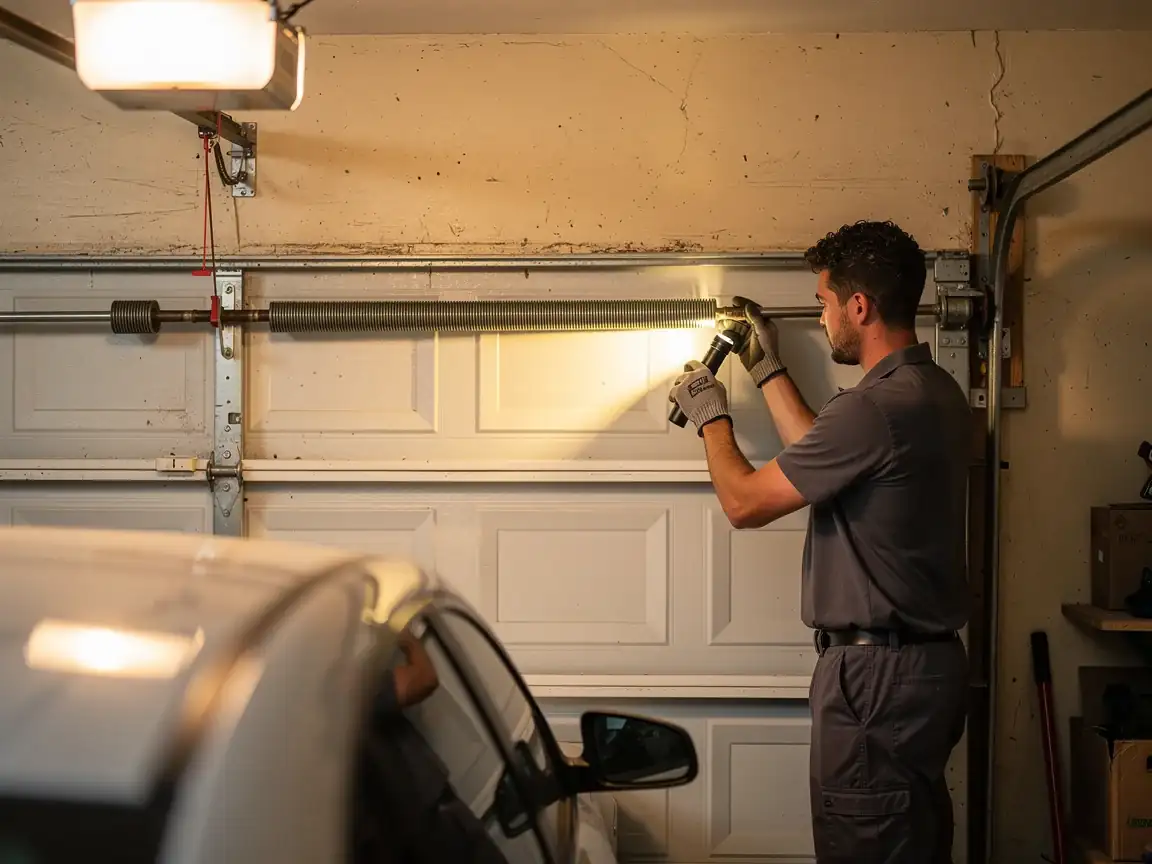
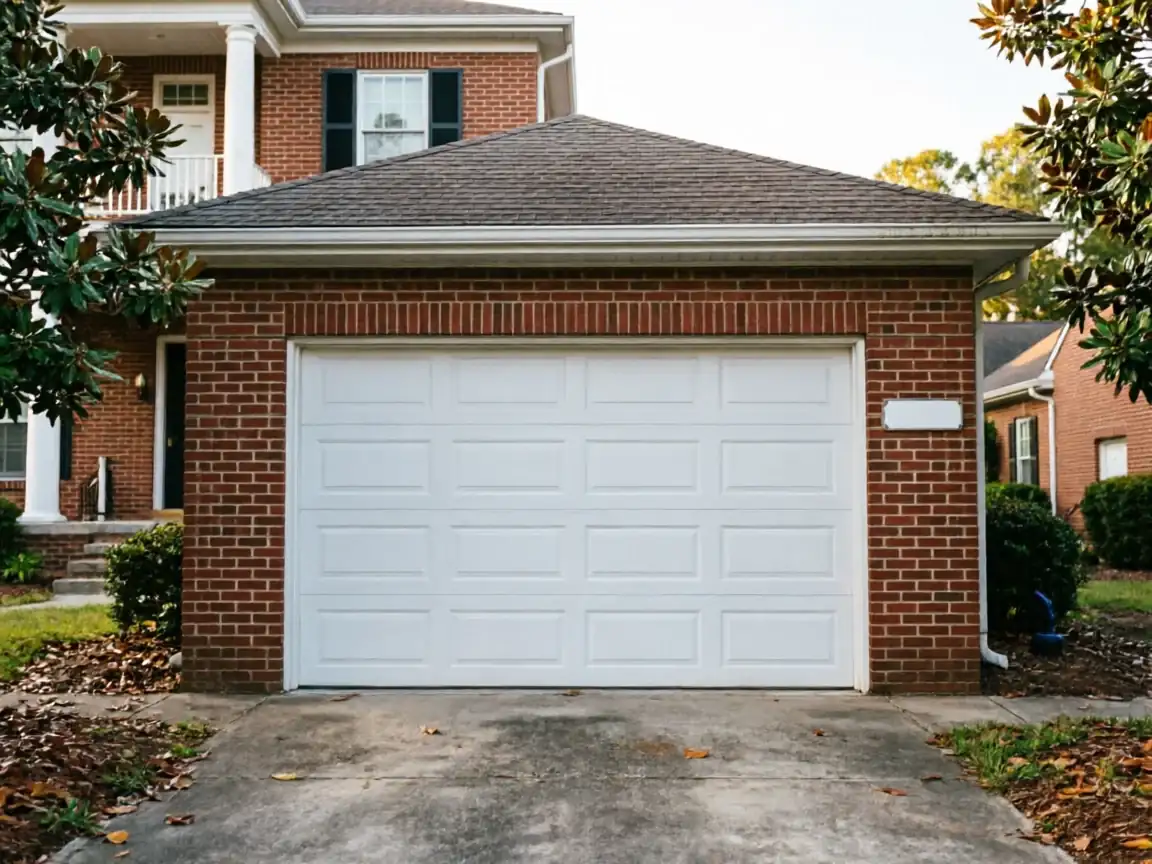
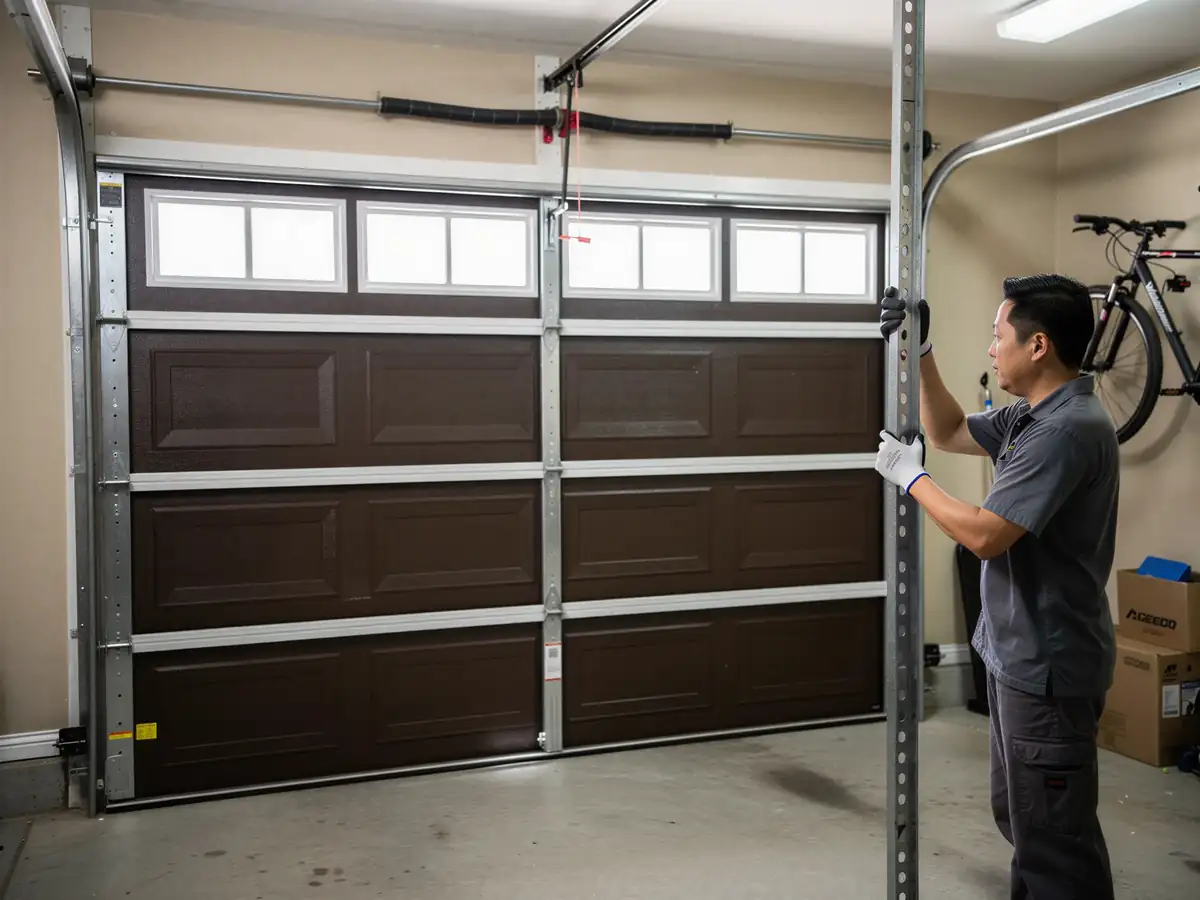
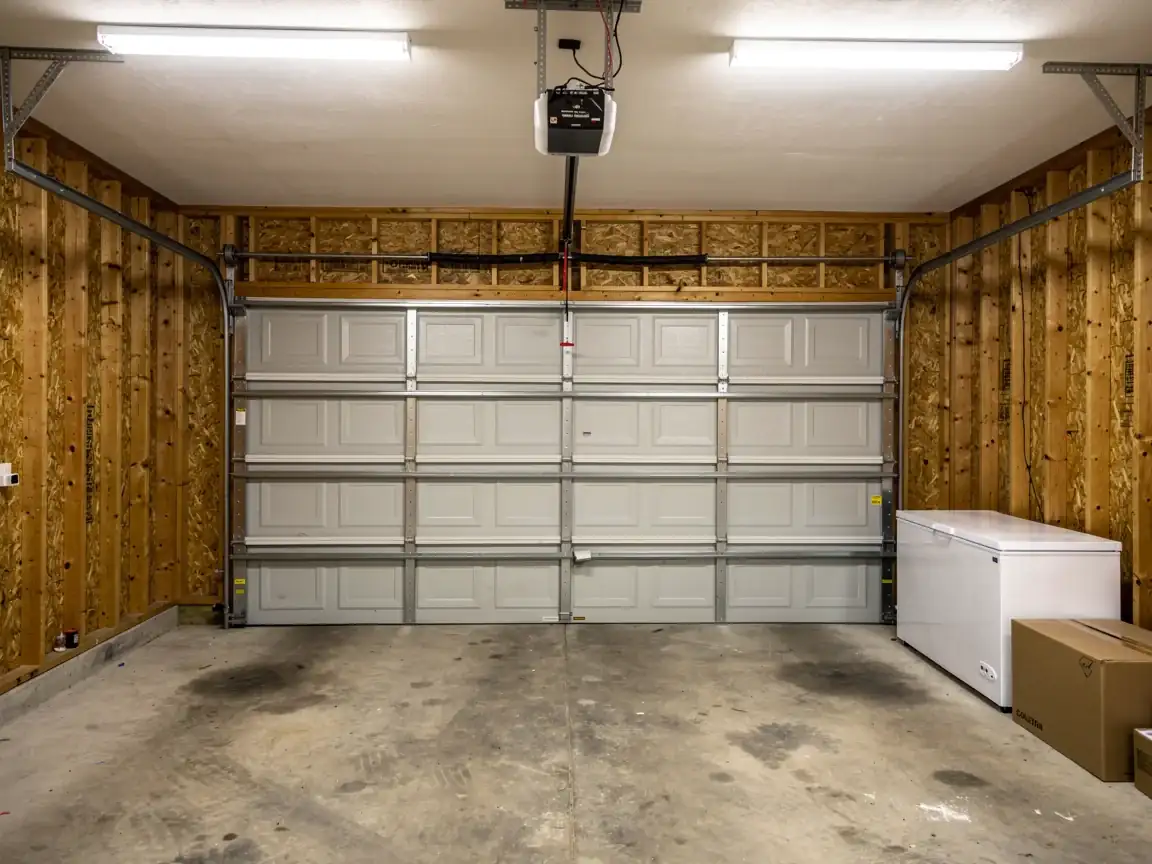
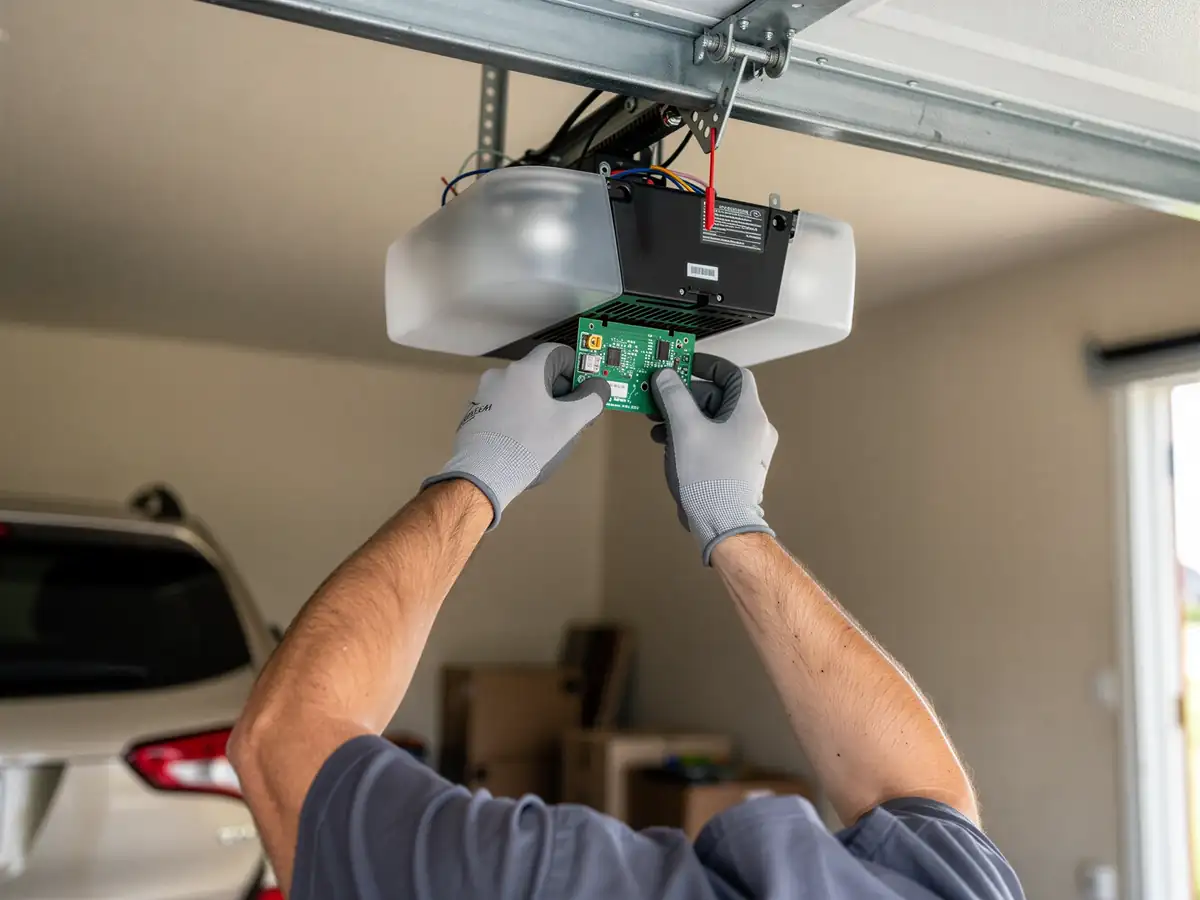
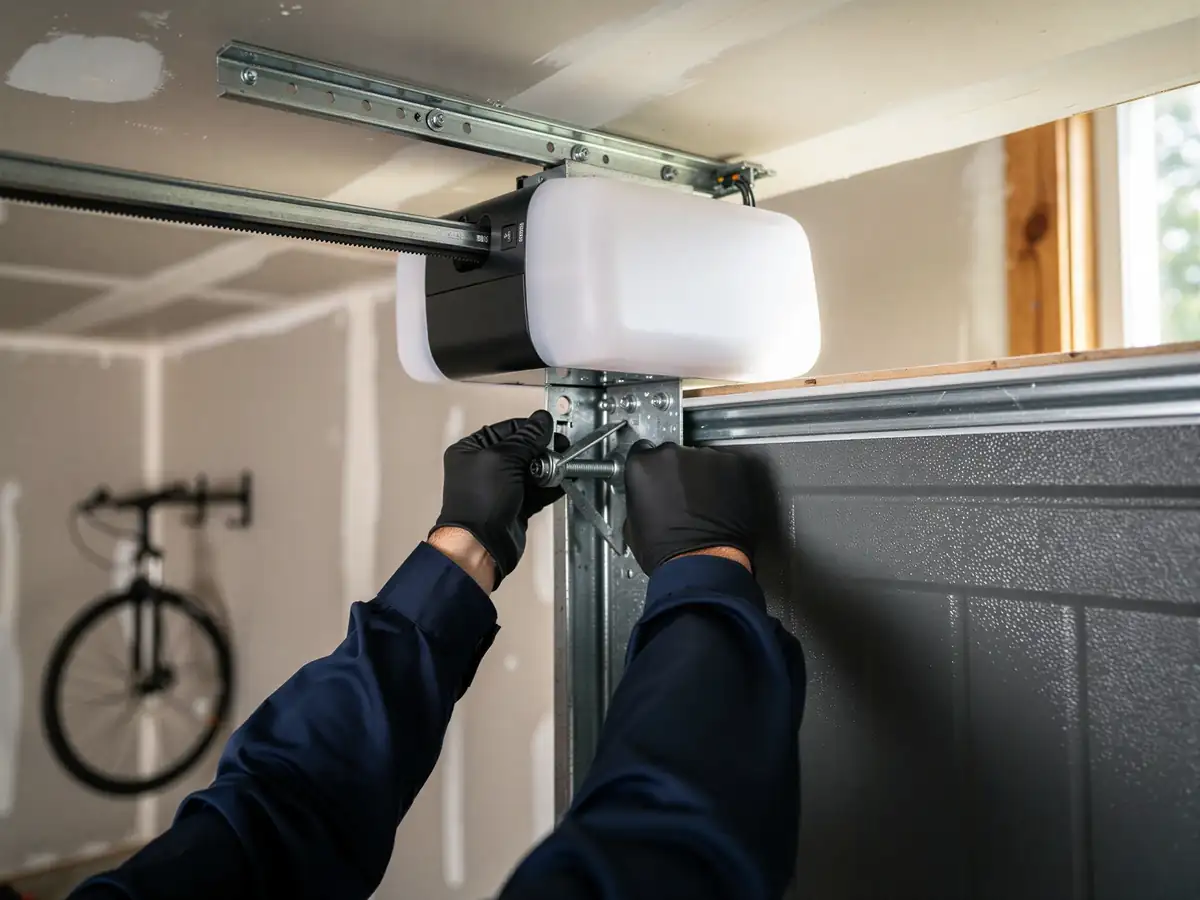
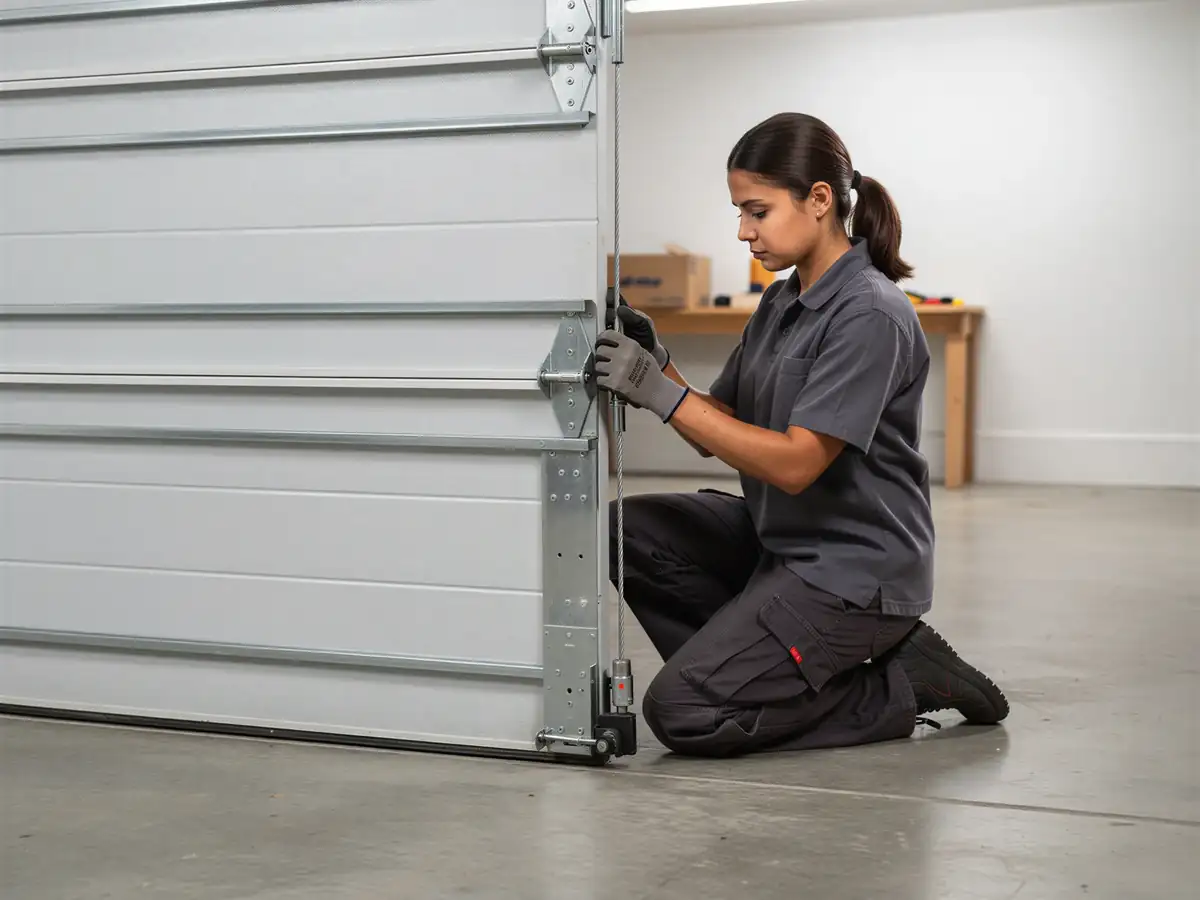
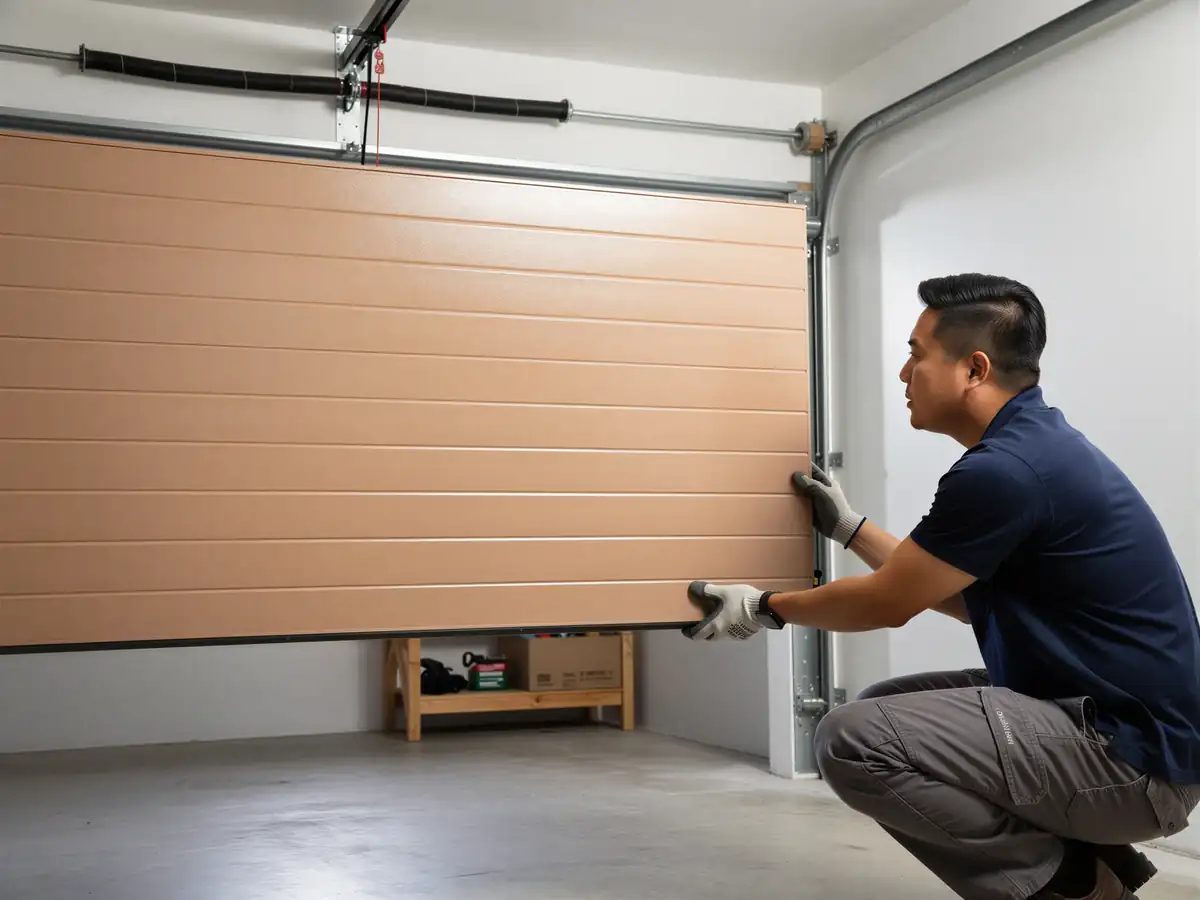
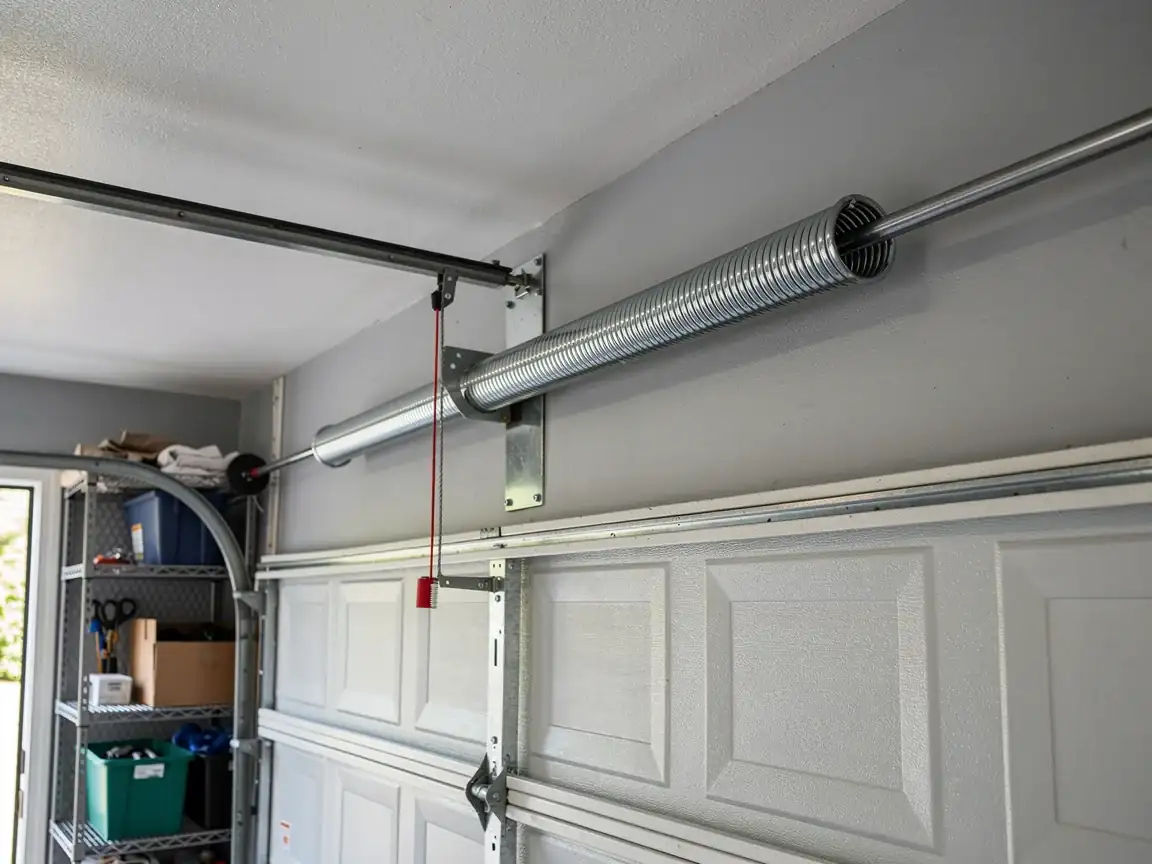
Some of this is fair to do yourself. Lubricating rollers and hinges, tightening loose bolts on the track brackets, clearing the photo-eye sensors if the door won't close - all reasonable weekend jobs with a ladder and a can of the right lubricant. What isn't reasonable is anything involving the torsion spring above your head. Those springs are wound under enough tension to break a bone or worse, and the winding bars and clamps needed to do it safely aren't something most garages have lying around. Cables under tension carry the same risk. If your door is a double-car panel on a torsion system - which is most of what's installed on houses built here in the 1980s and 90s - and the spring has snapped, that's a call, not a project. We'll also say plainly: if your opener is original to a house built in the early 90s, repairing it is sometimes throwing money at a motor that's simply worn out. We'll tell you when replacement beats repair instead of running the clock on a unit that's going to fail again in six months.
What Causes It Around Here
Most of the housing stock we work on went up between 1980 and 2013, with the heaviest concentration from the 1980s and 90s, spread across the named areas around town. That matters because the torsion springs and galvanized cable installed during a builder-grade push in that era had an expected cycle life, and a lot of that hardware is now thirty-plus years into a cold-moderate climate that puts it through real seasonal temperature swings every year. Steel contracts in the cold and expands in the heat, and over enough winters that fatigues a spring faster than a mild, flat climate would. We see a lot of snapped torsion springs and frayed cables on doors that are otherwise in decent shape - the panel's fine, the track's fine, it's the one coil of wound steel that's finally had enough. Humidity swings also mean galvanized coating on cable and hardware wears through faster than it would somewhere drier, which shows up as rust streaks on the cable drum years before the cable itself gives out. If your house falls into that 1980s-90s build window, the spring and cable are the parts most likely to be the actual problem, even if the symptom you're seeing looks like an opener issue.