The DIY Question
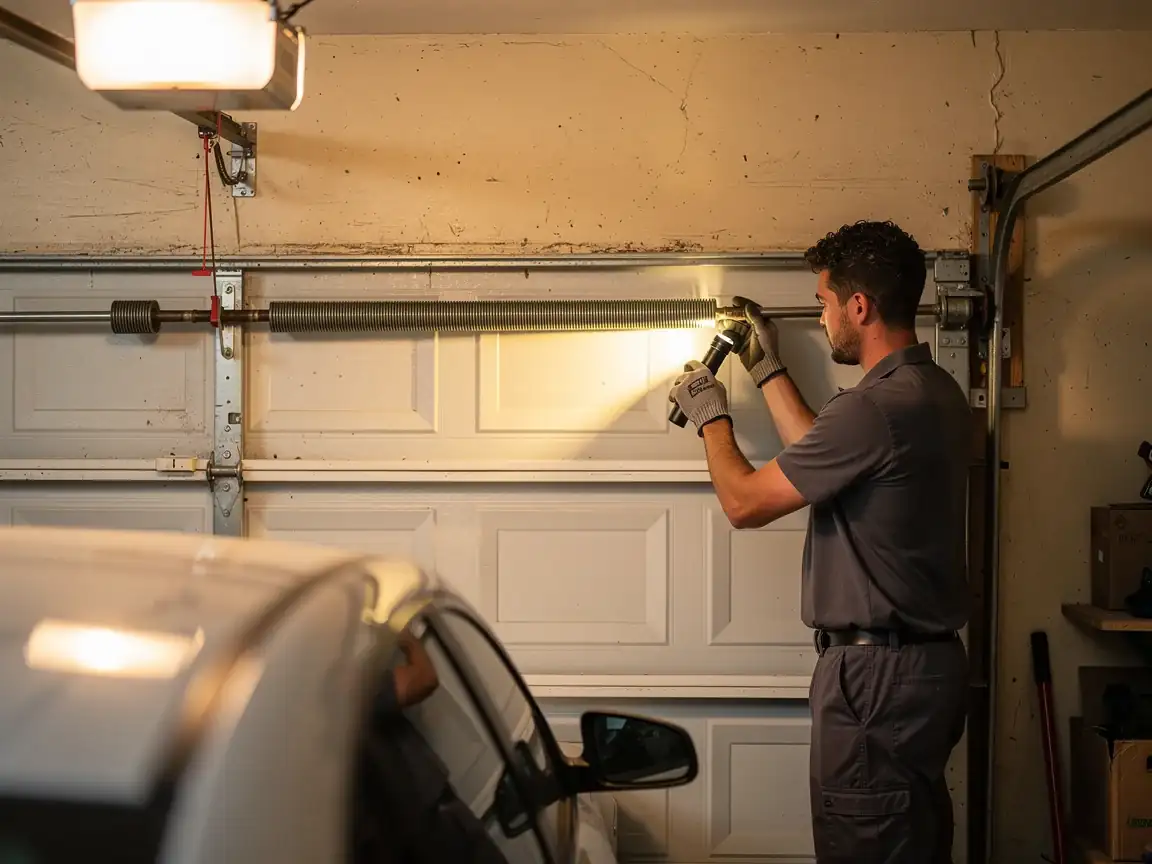
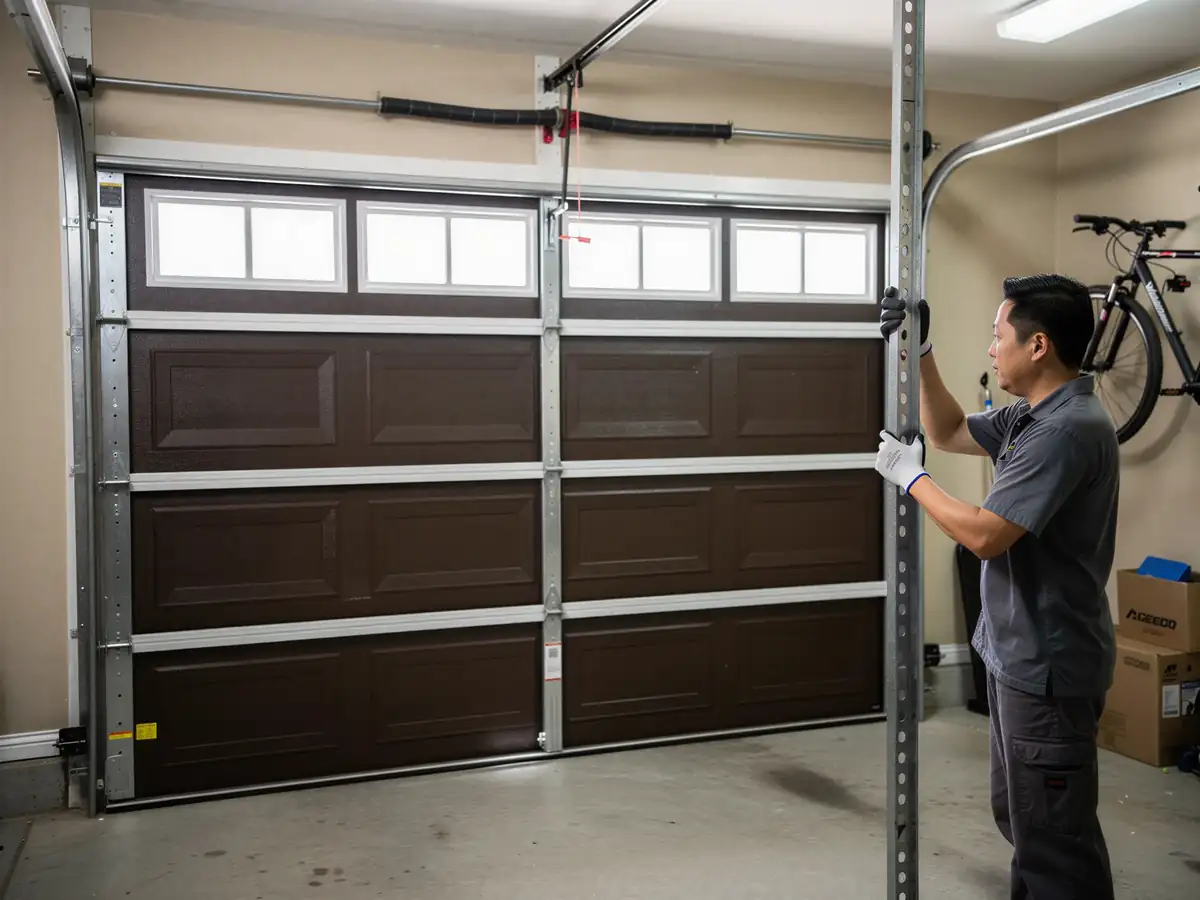
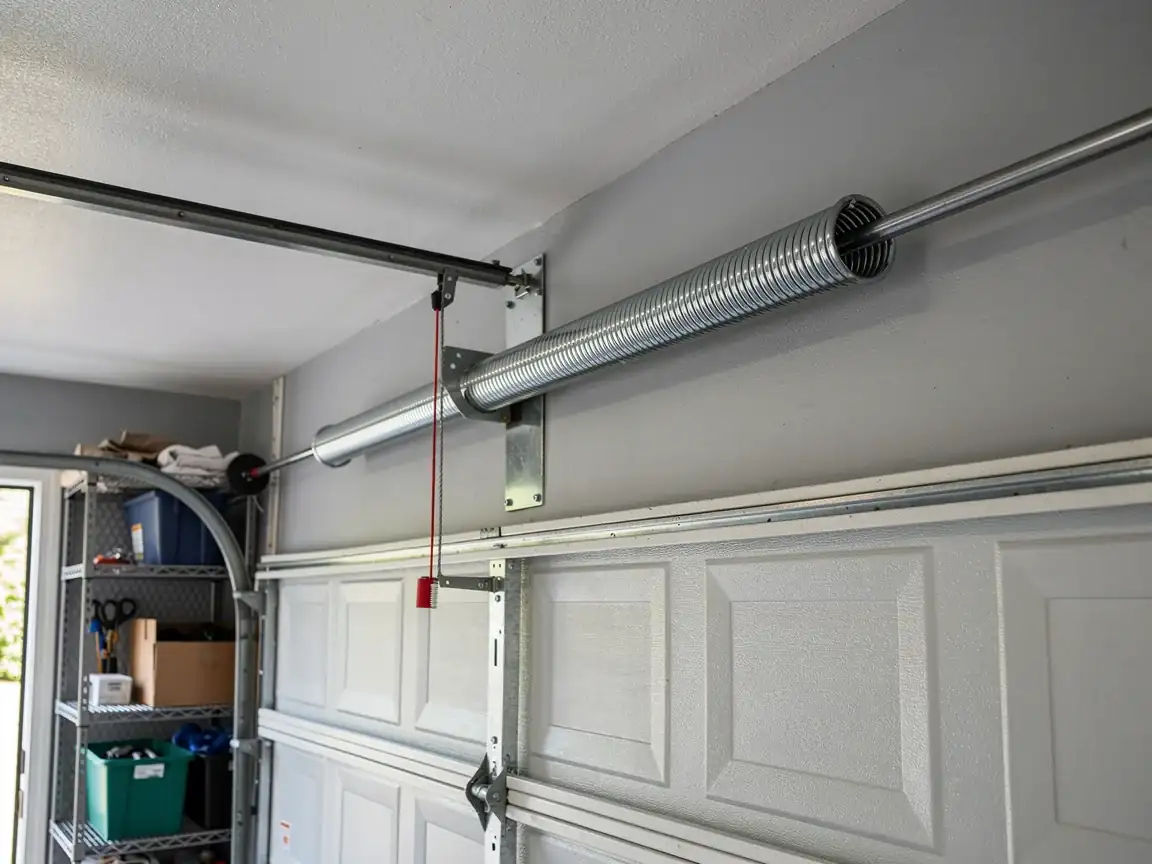
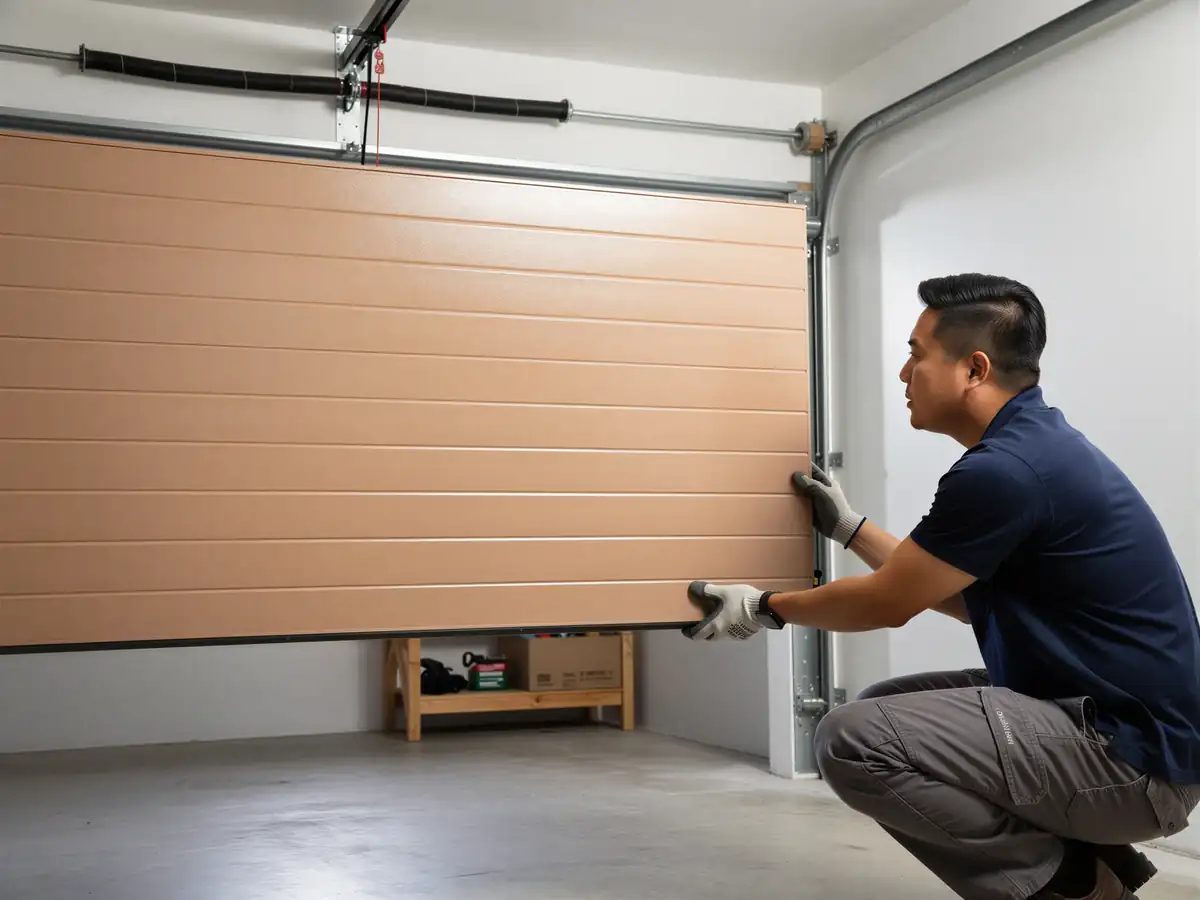
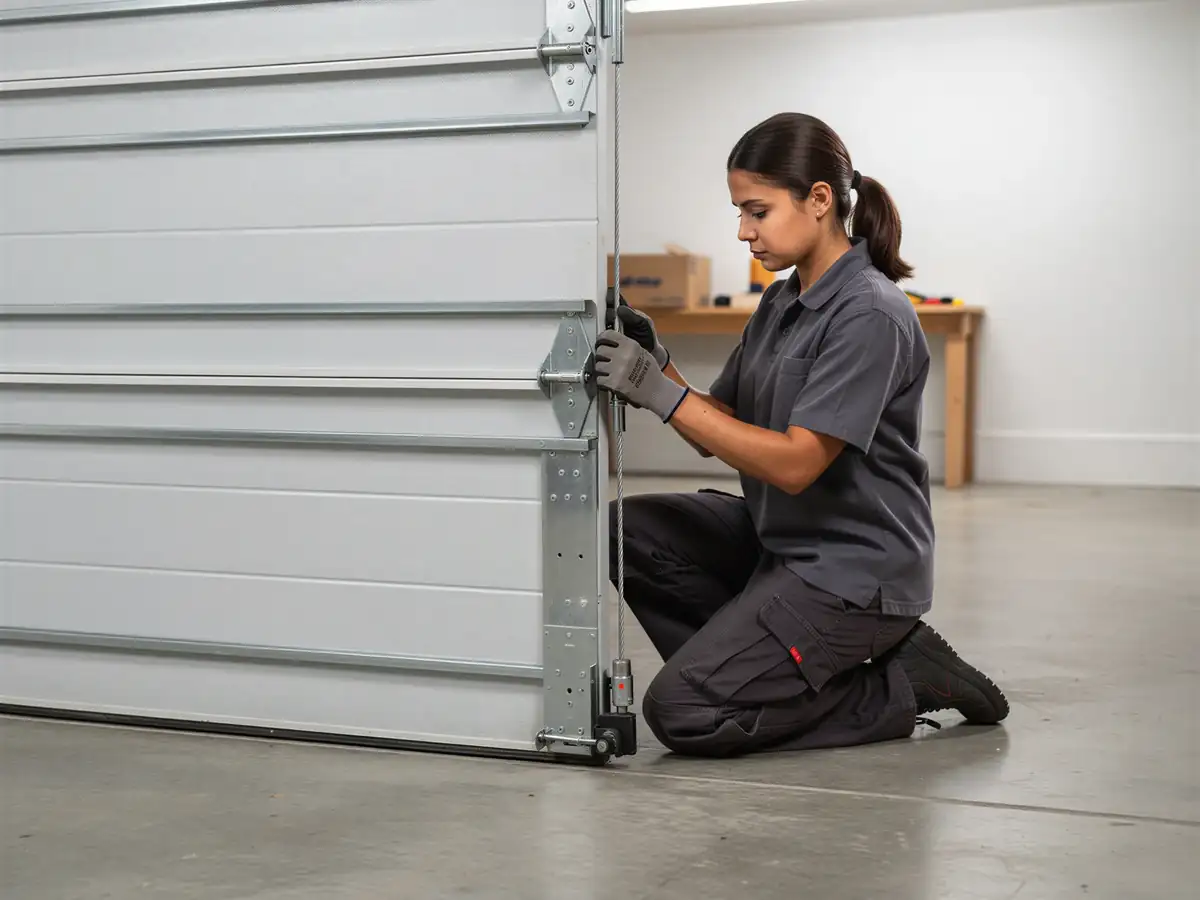
A garage door cable is under real tension even with the door closed, because the spring system is still loaded against it. Cutting a cable, or trying to free one that's jumped its drum, with the door in any position other than fully down and unplugged, is how people lose fingers. If you can see a cable has come off the drum but hasn't snapped, the safe move is to leave the door alone, unplug the opener so nobody tries it by remote, and call. If a cable has already broken, you'll know - the door drops on one side, there's often a loud bang, and the door won't travel smoothly on the track. There isn't a version of this repair that's a reasonable weekend project with hand tools. Replacing a drum or correcting a bent track that caused the cable to wear unevenly takes winding bars, clamps, and a way to hold the door still, none of which are worth buying for a one-time fix. This is one job where calling is the DIY answer.
What Causes It Around Here
Most of the housing stock across this service area went up between 1980 and 2013, with the bulk of it dating to the 1980s and 90s across the eleven communities we cover. That era of garage door is old enough that galvanized cables have had two or three decades of cycling up and down, and the zinc coating that keeps them from rusting through wears thinner every winter. The climate here sits in the cold-moderate band - not brutal, but enough freeze-thaw and humidity swing over a 30-plus-year-old door that cable strands corrode from the inside of the wind before they ever look frayed on the outside. Doors from the earlier end of that build range are also more likely to still have the original drums, and a worn or out-of-round drum cuts into the cable every time it spins, which is a slower, quieter way to end up with the same broken cable. Newer builds from the 2000s and later tend to show wear differently - usually a cable that's jumped the drum groove rather than one that's corroded through.