The Usual Work Here
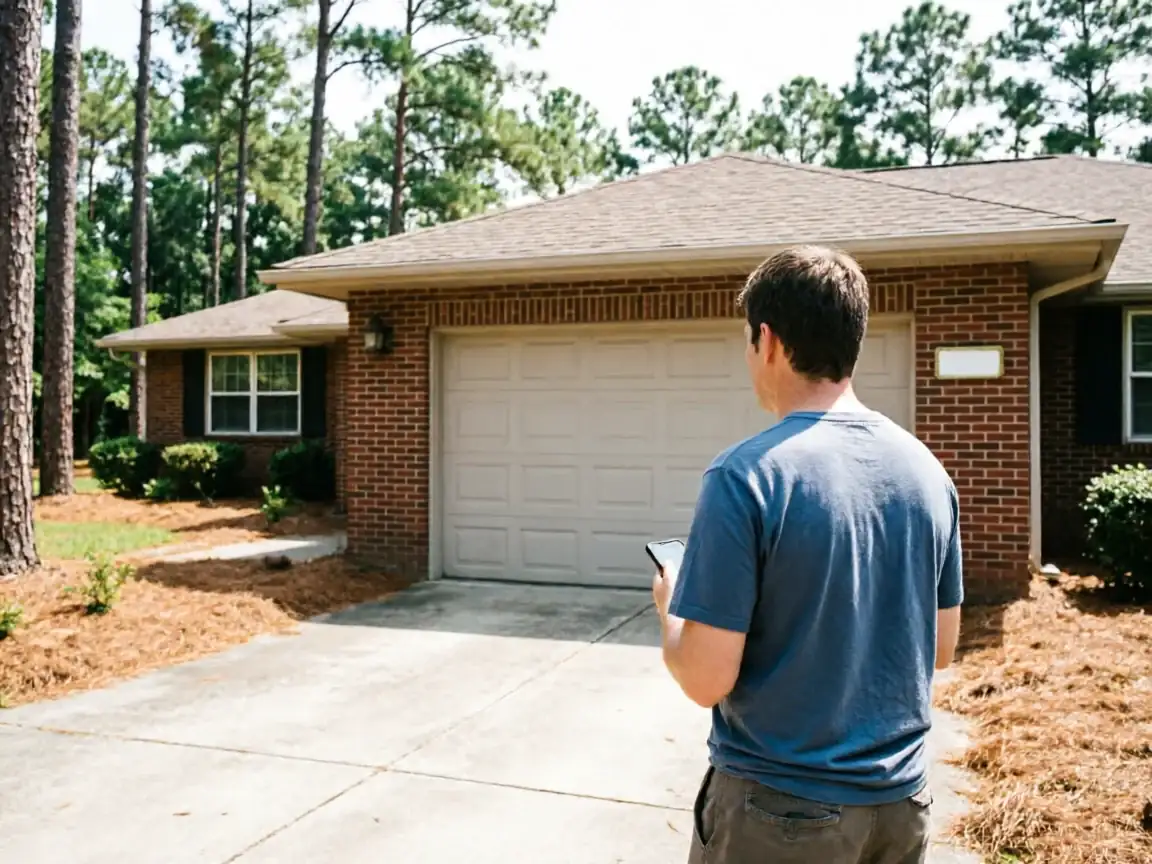
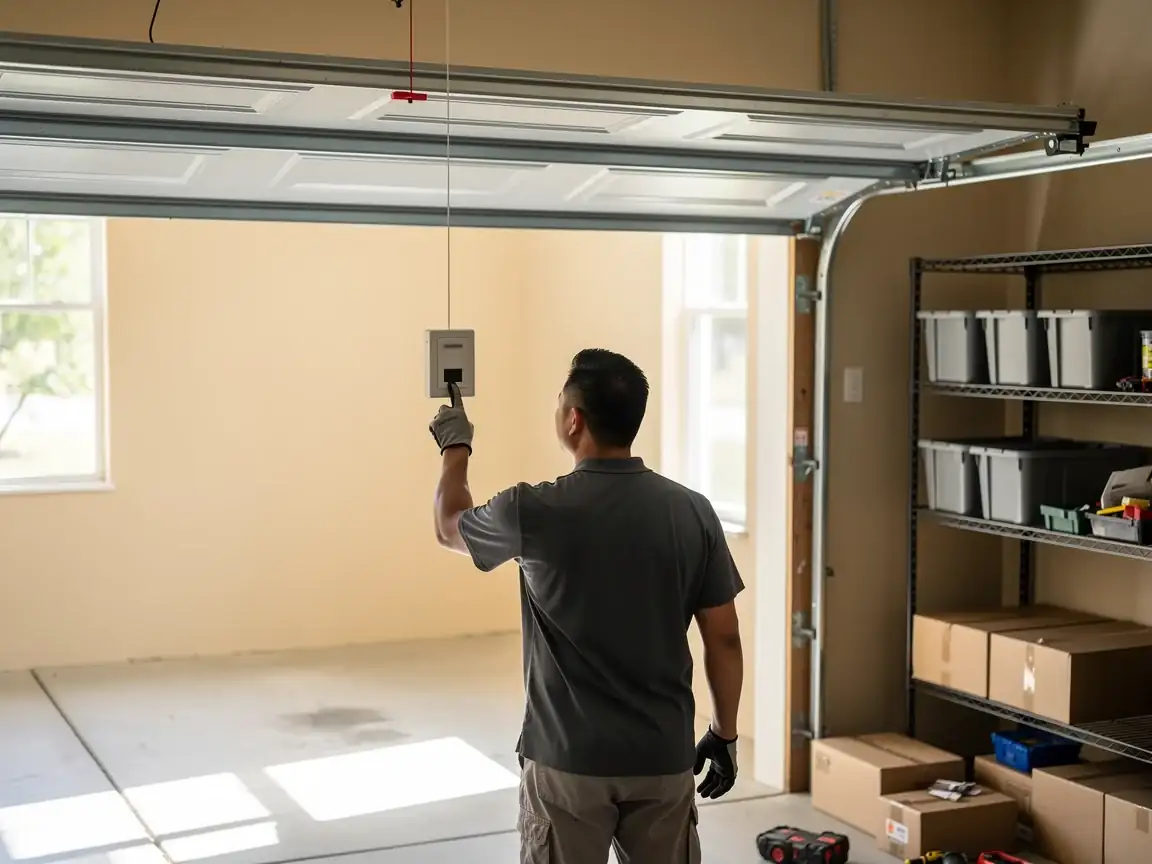
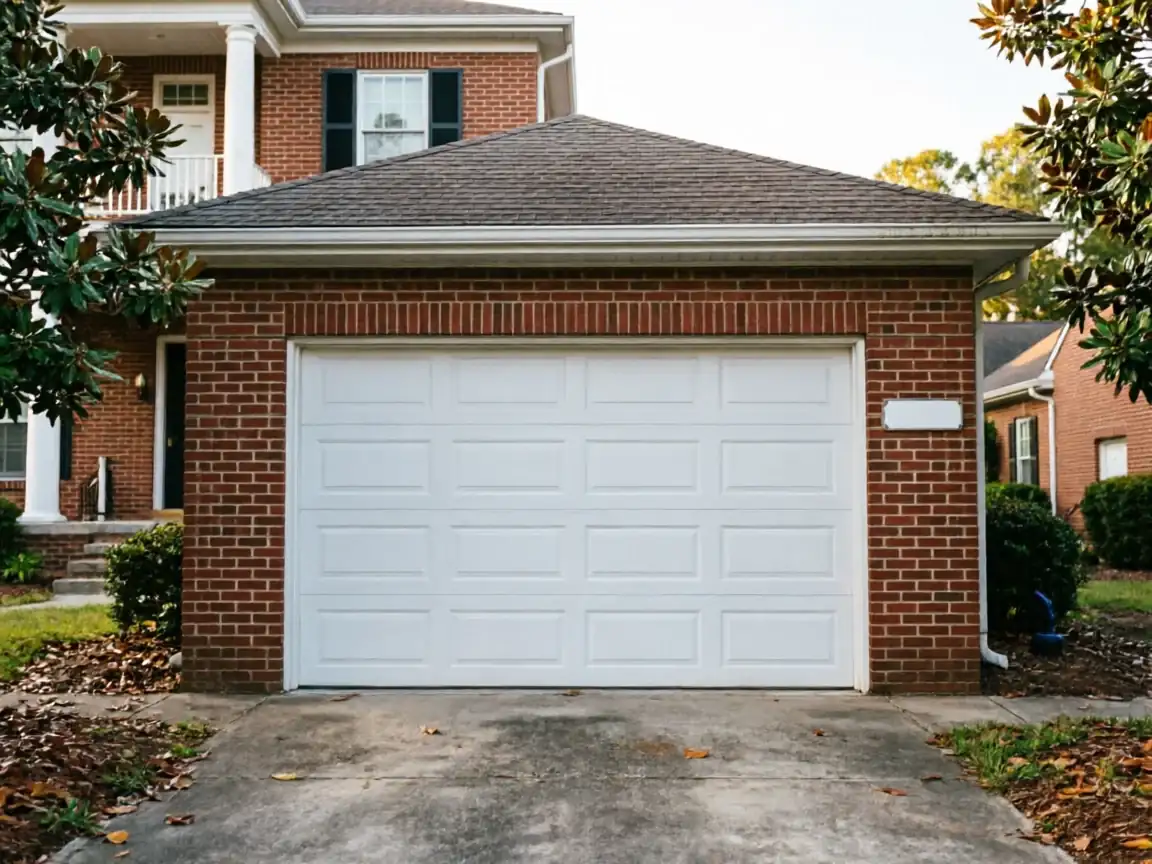
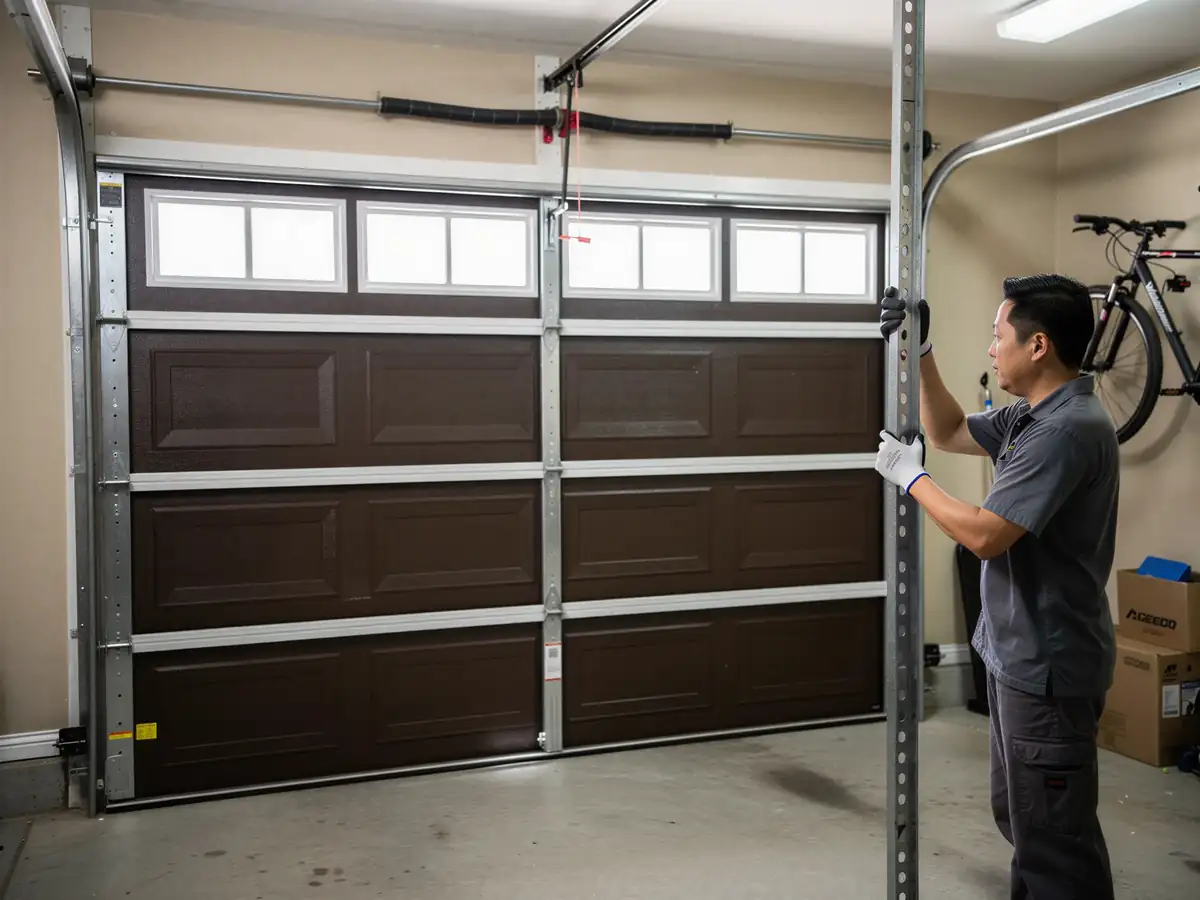
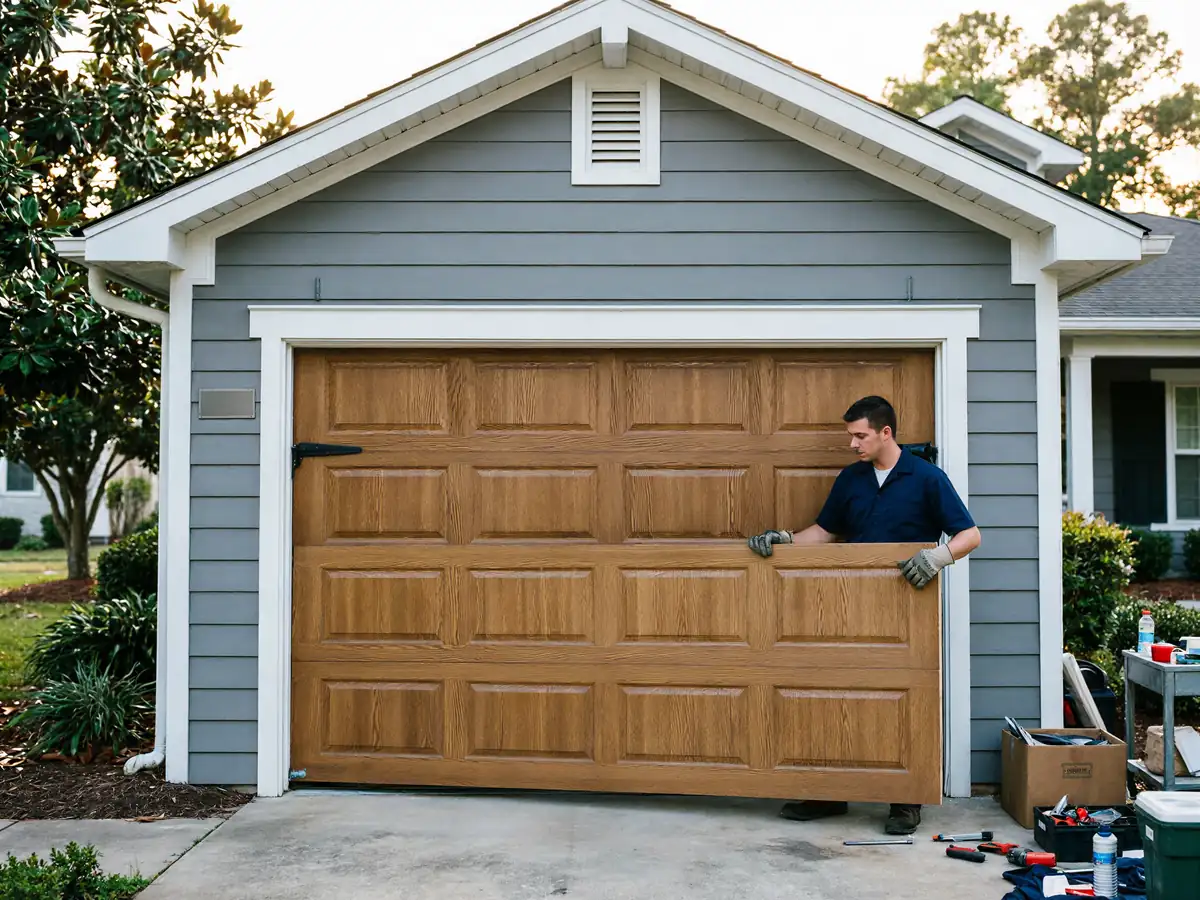
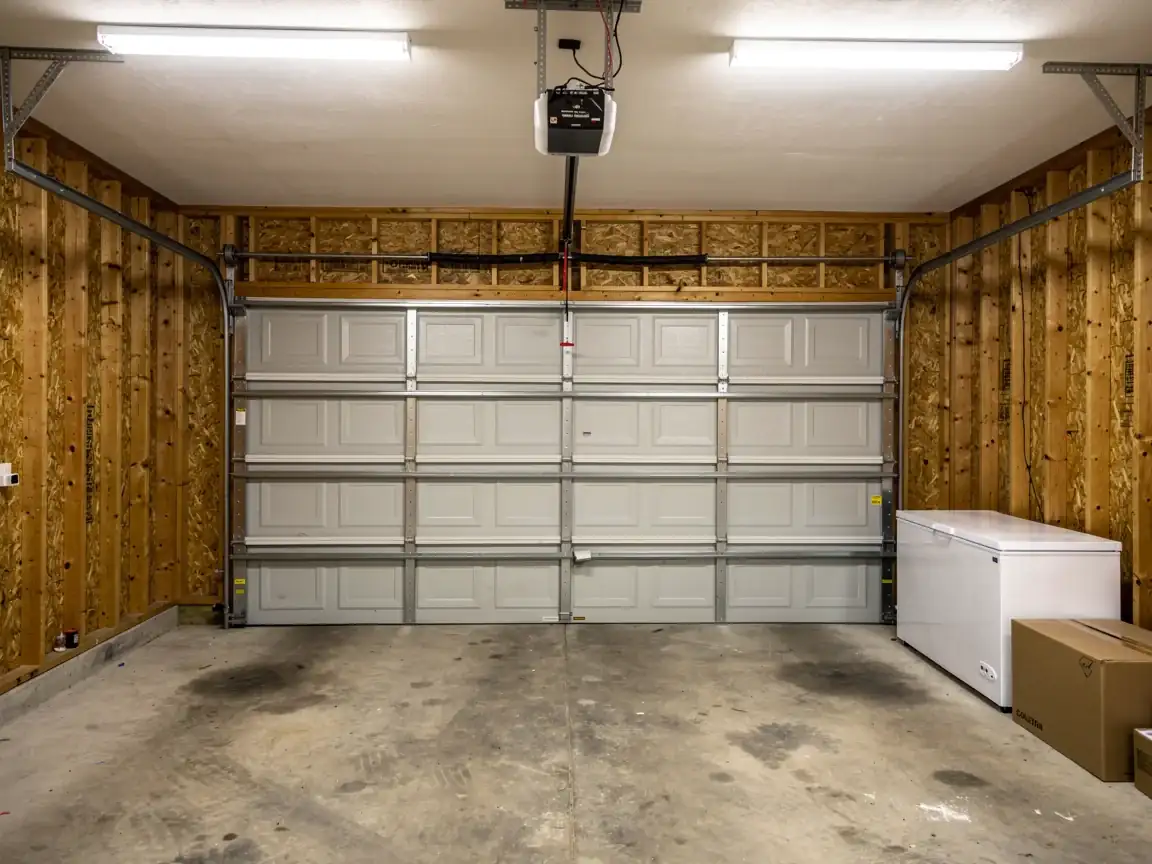
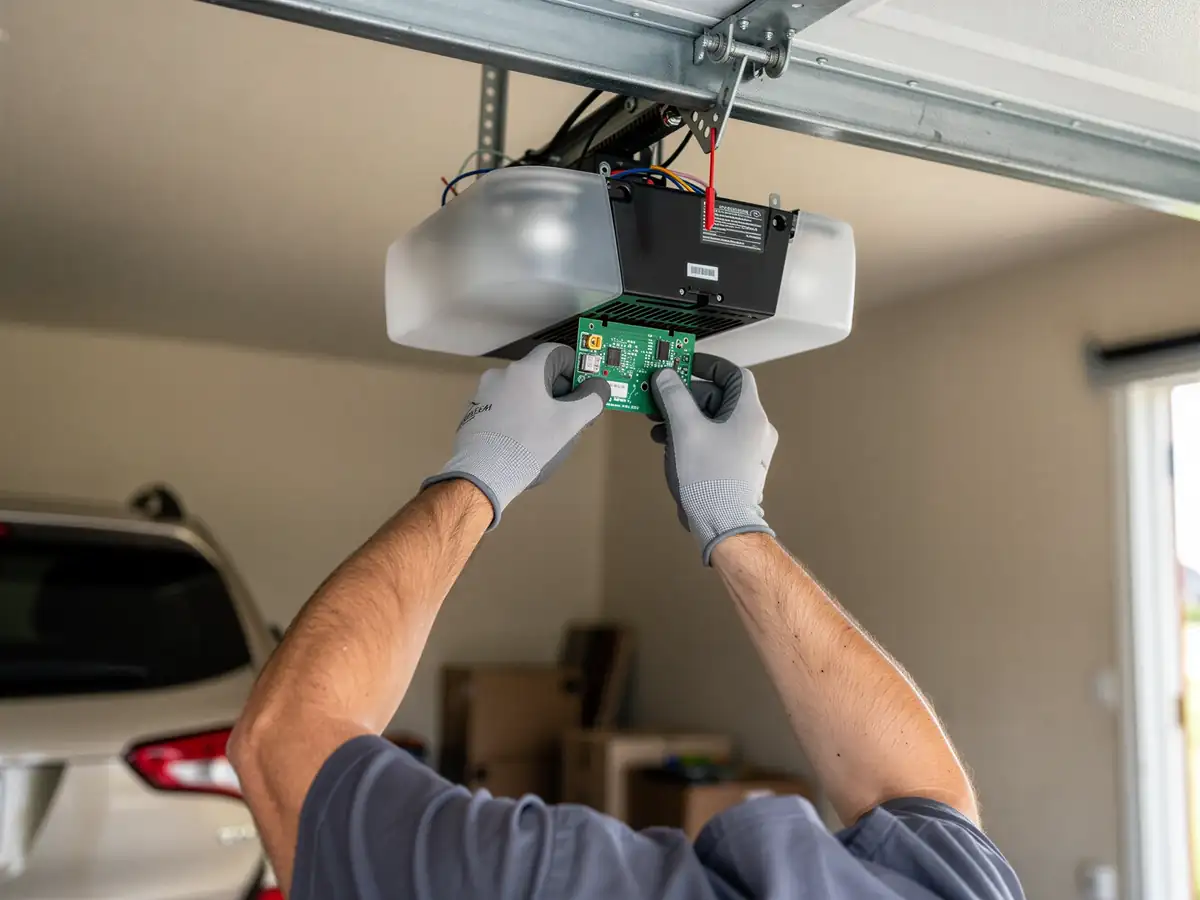
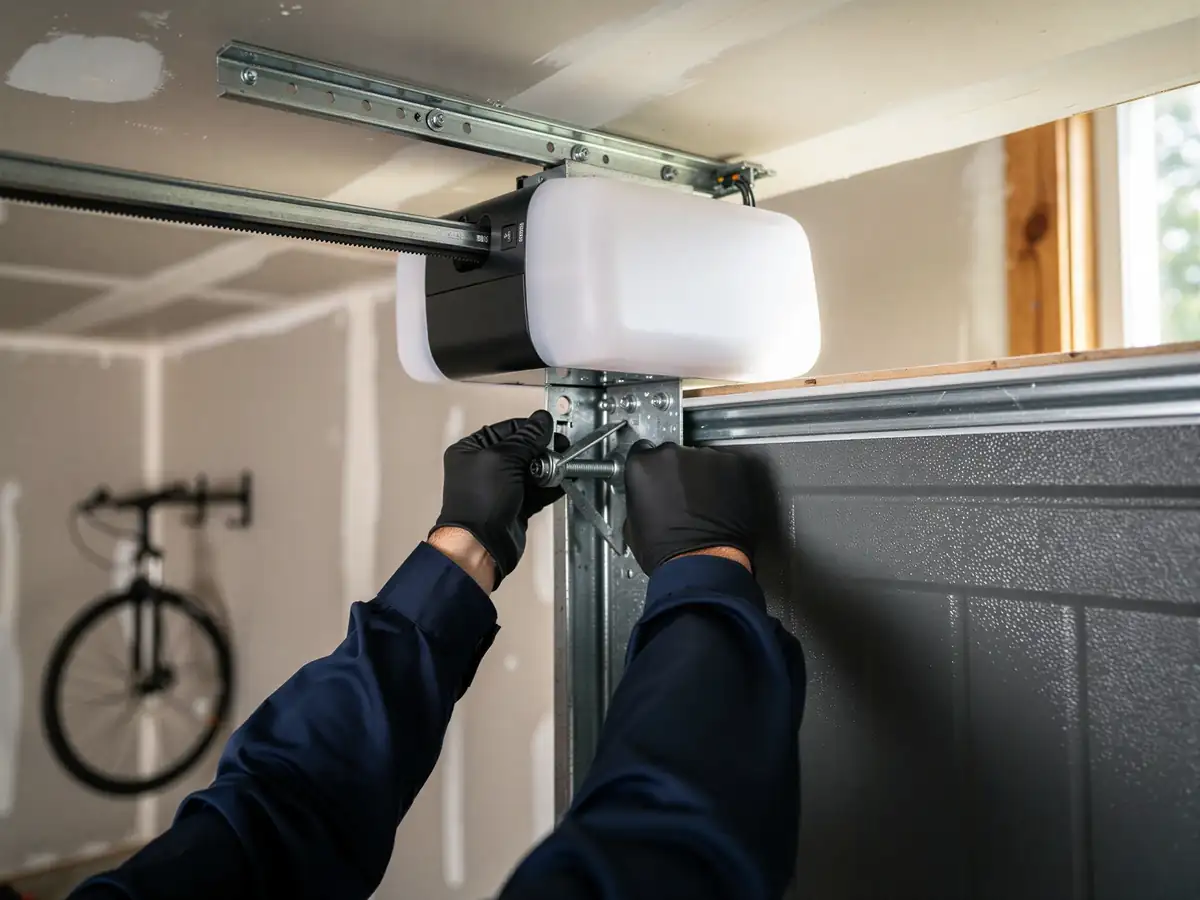
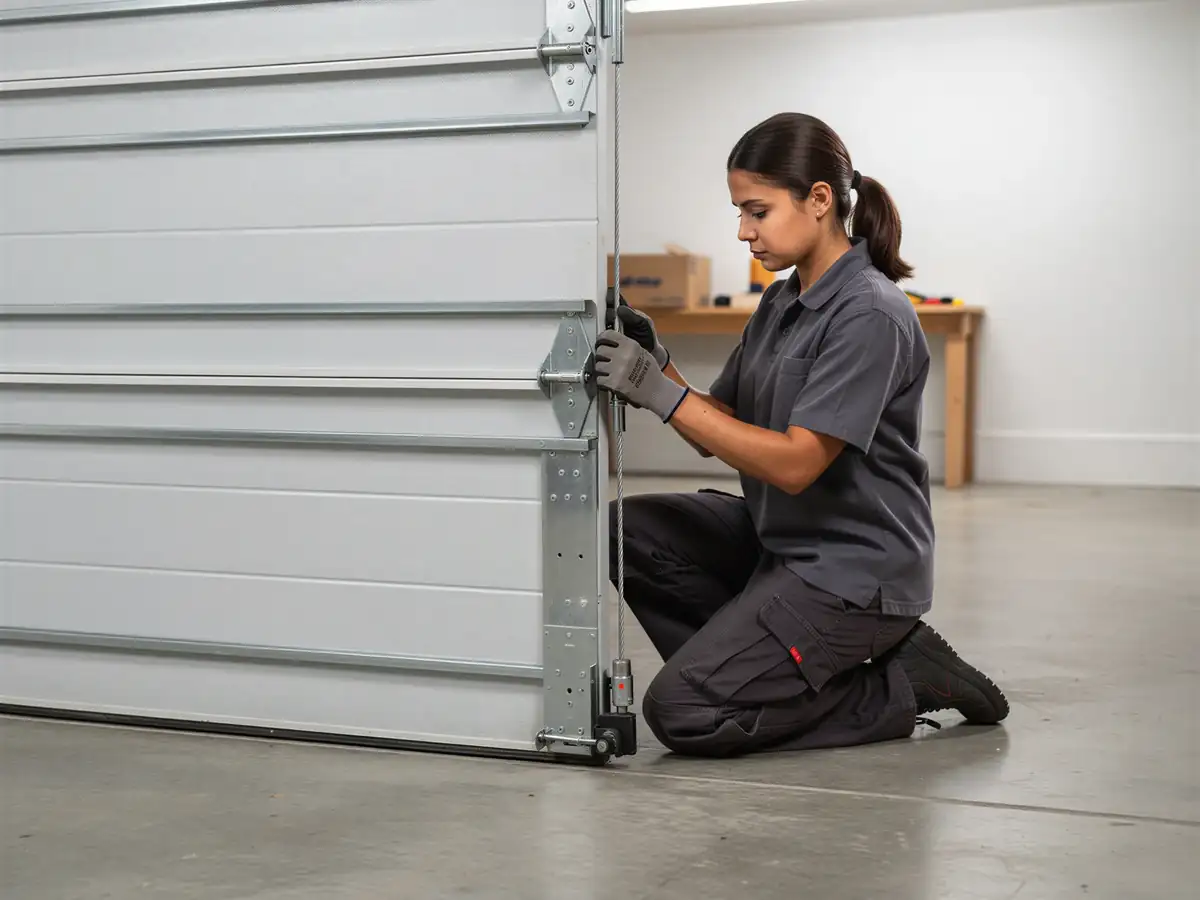
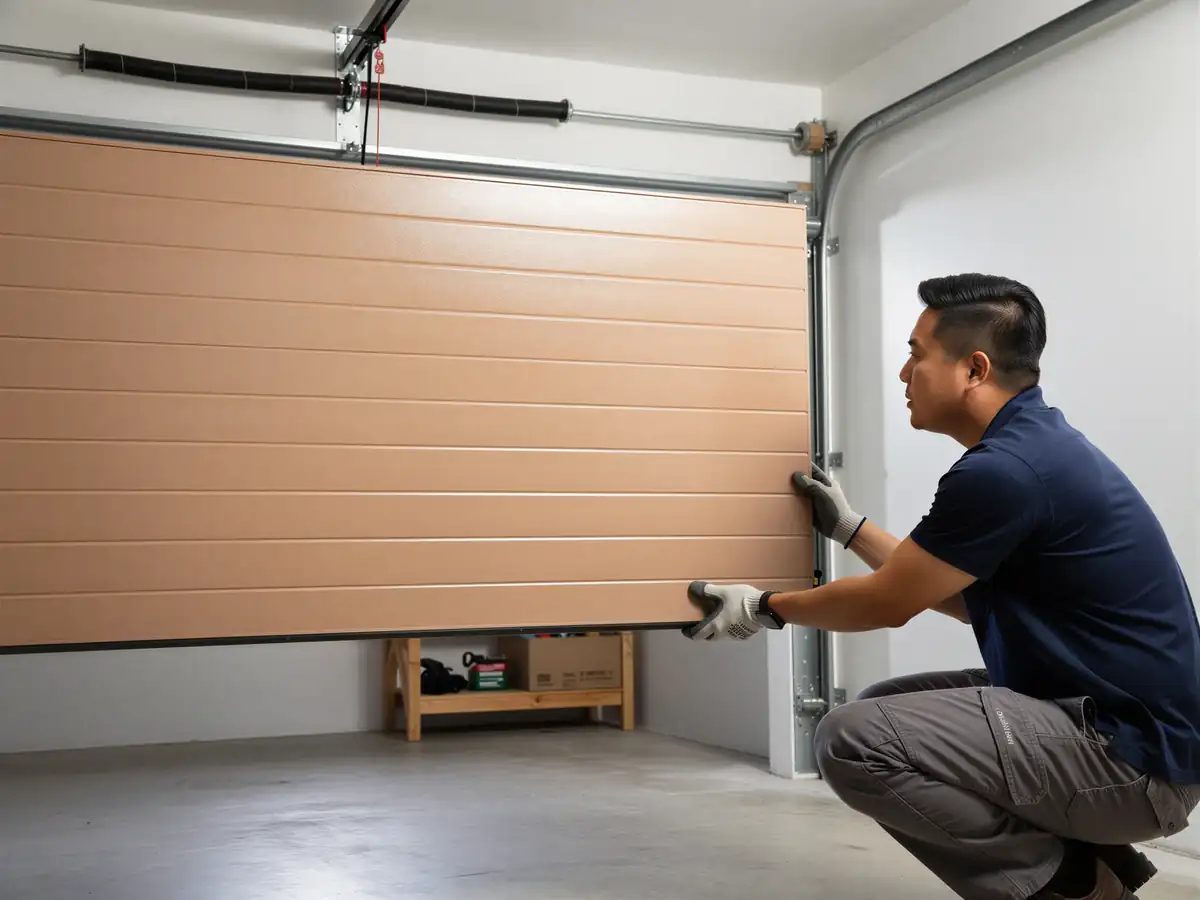
On a late-1980s door, the two most common calls are a torsion spring that's lost its temper and a steel panel section that's started to rust at the bottom corner from years of ground moisture. Openers from that era, if they're still original, are chain-drive units well past the point where parts are easy to source, and a lot of homeowners end up replacing rather than repairing once a circuit board goes. We also see galvanized track that's worked loose at the mounting brackets, which shows up as a door that binds or tracks crooked partway through its cycle. We don't carry stock for every obsolete opener model, and if a part's been out of production for twenty-plus years, replacement usually makes more sense than a repair that won't outlast the visit. That's not a sales pitch, it's just the math on parts availability. For houses that have already had an opener swap or a door replacement since 1989, the work looks more like standard maintenance: roller wear, cable fraying, sensor alignment. The build year sets the baseline, but what's been touched since then matters just as much.
What the Housing Means for Your Door
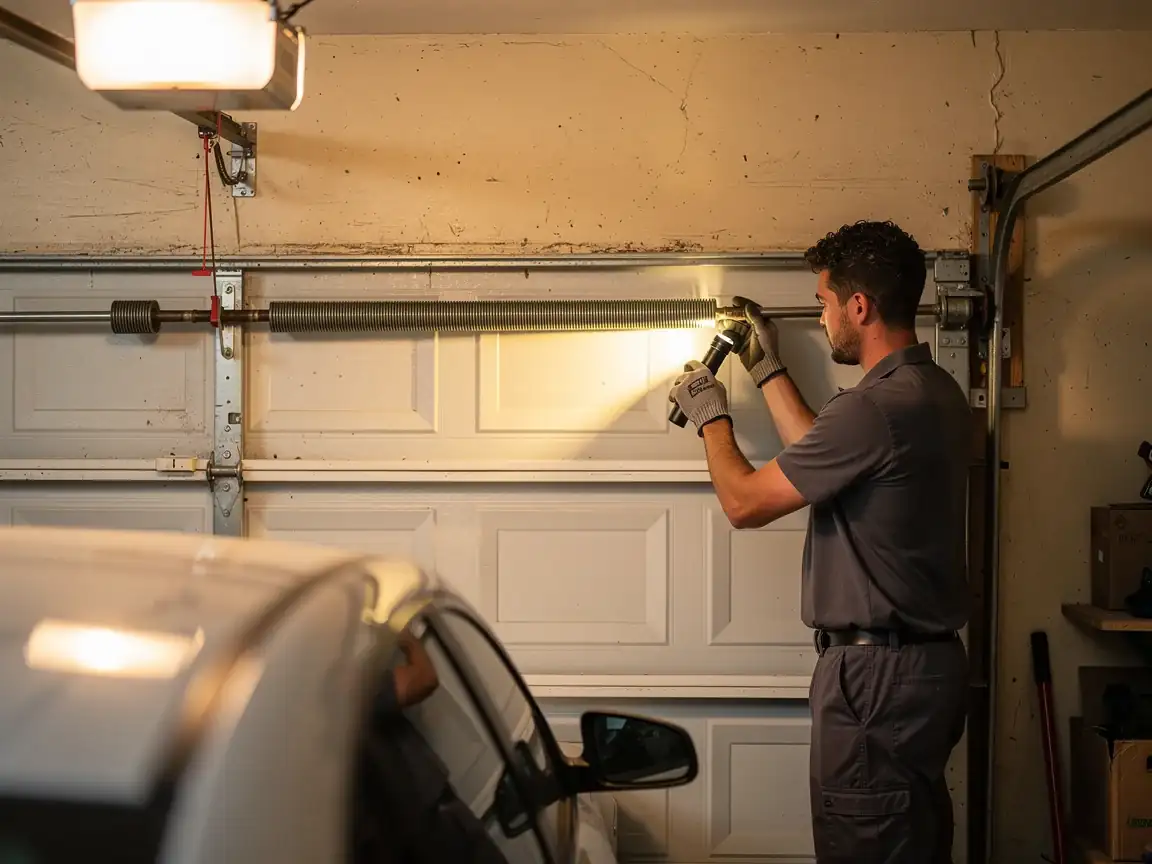
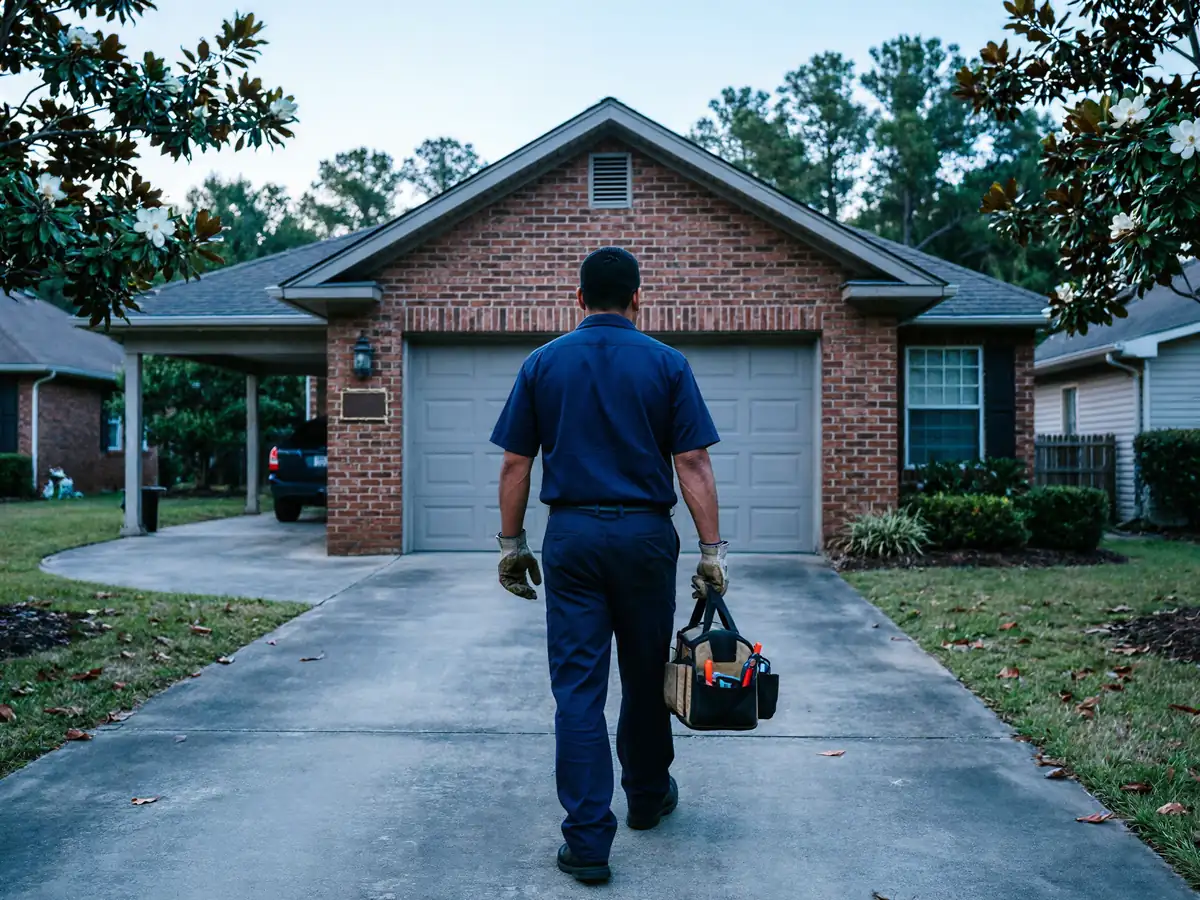
A door built around 1989 was engineered for a moderate cold climate, which is the band this region falls into, and that affects spring tension more than people expect. Steel contracts in cold weather, and a spring that was set correctly when it went in can end up slightly over-tensioned decades later, especially if it's never been rebalanced. On older builds we check spring tension against door weight before touching anything else, because a spring that's been quietly over-tightened for years is the one that snaps a cable on the next cold morning. Builders who worked here in 1989 used different bracket spacing than the ones building across the rest of the service area four years later, which means hardware that looks standard from the driveway sometimes isn't a drop-in match for a big-box replacement kit. We bring measurements, not assumptions, and if a part doesn't match what's listed for the model year, we say so before we quote anything.