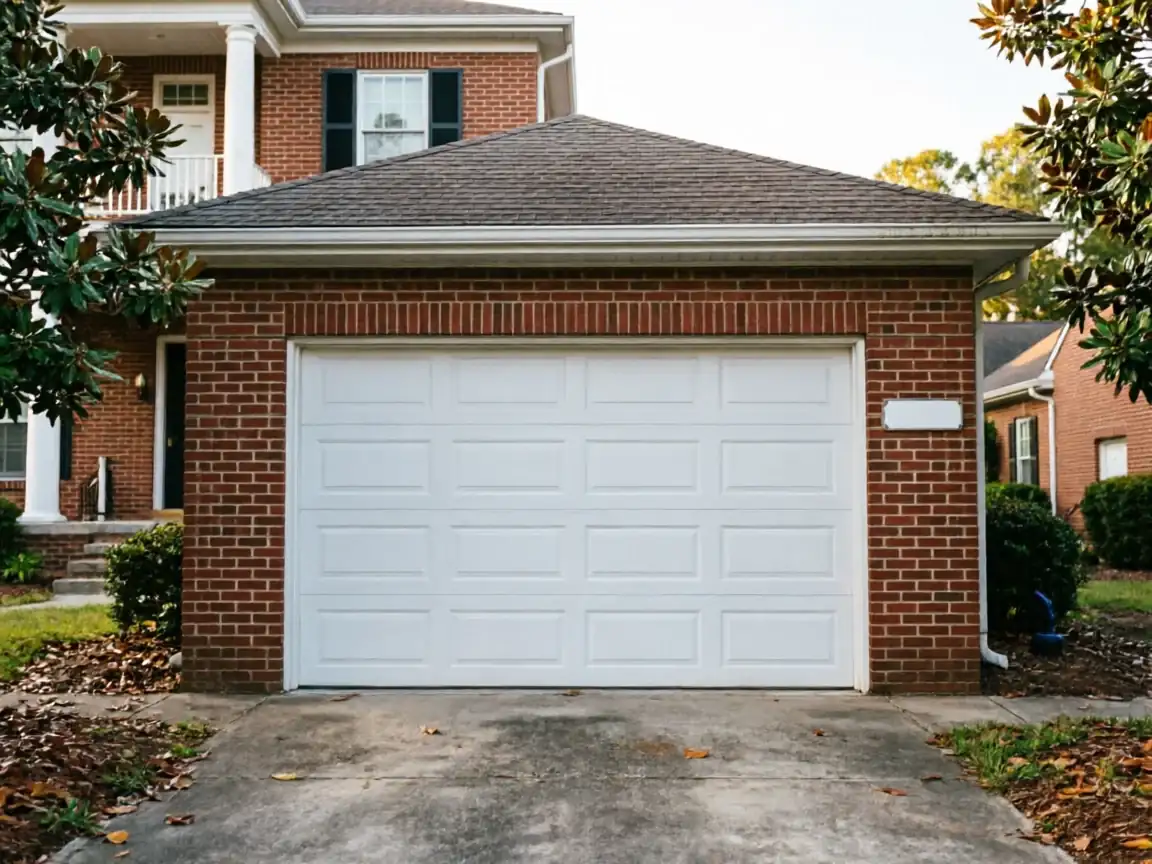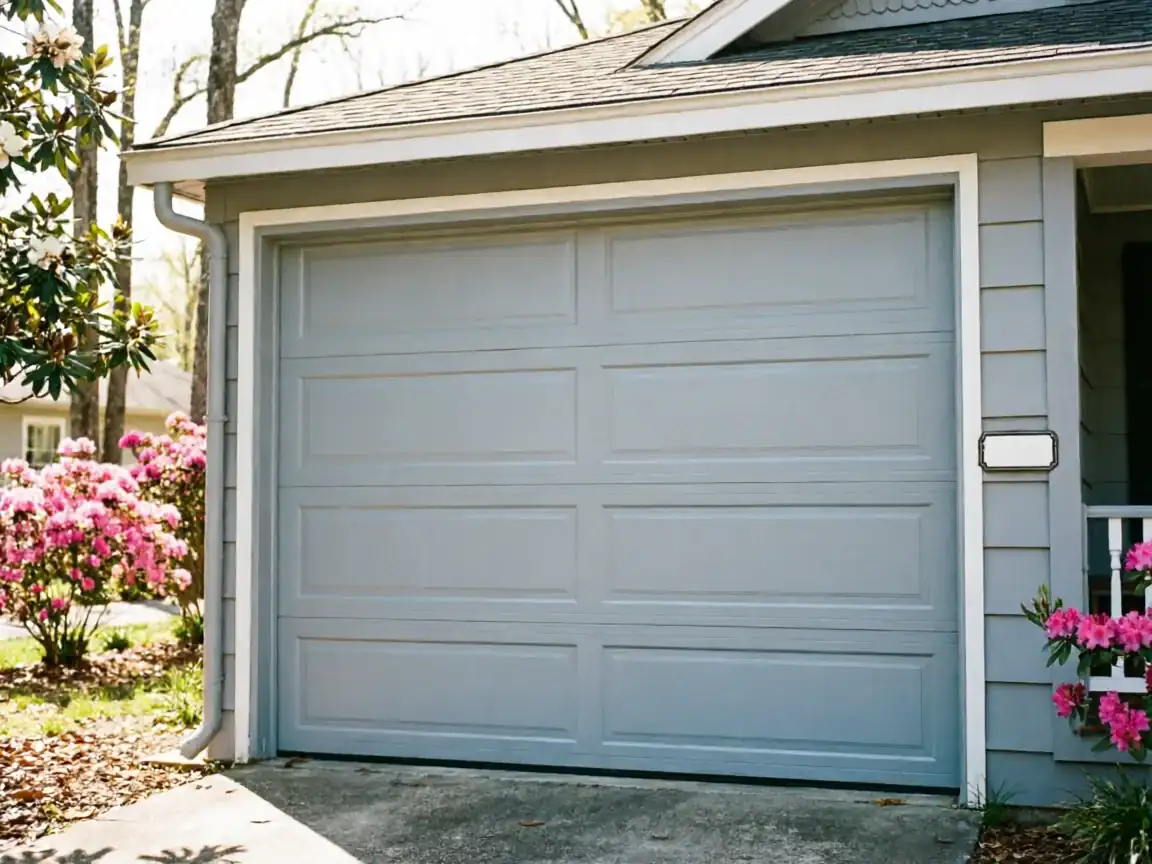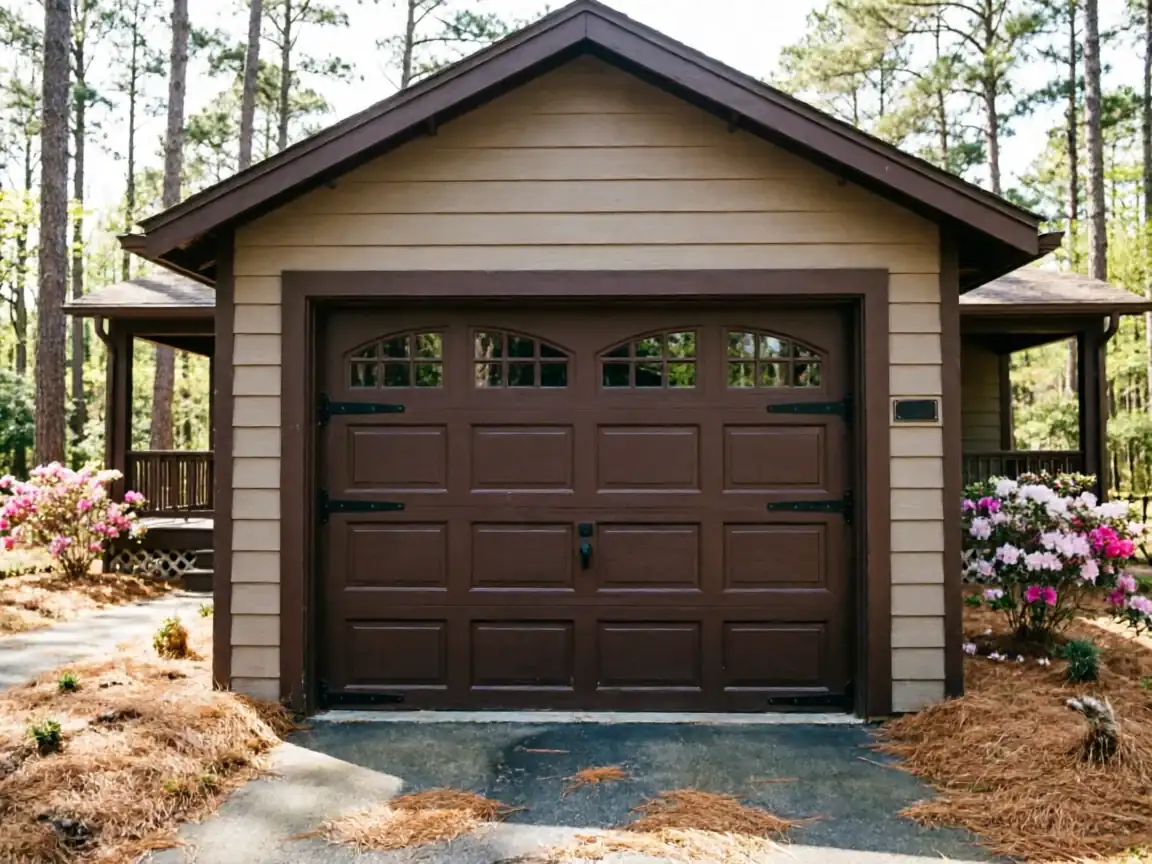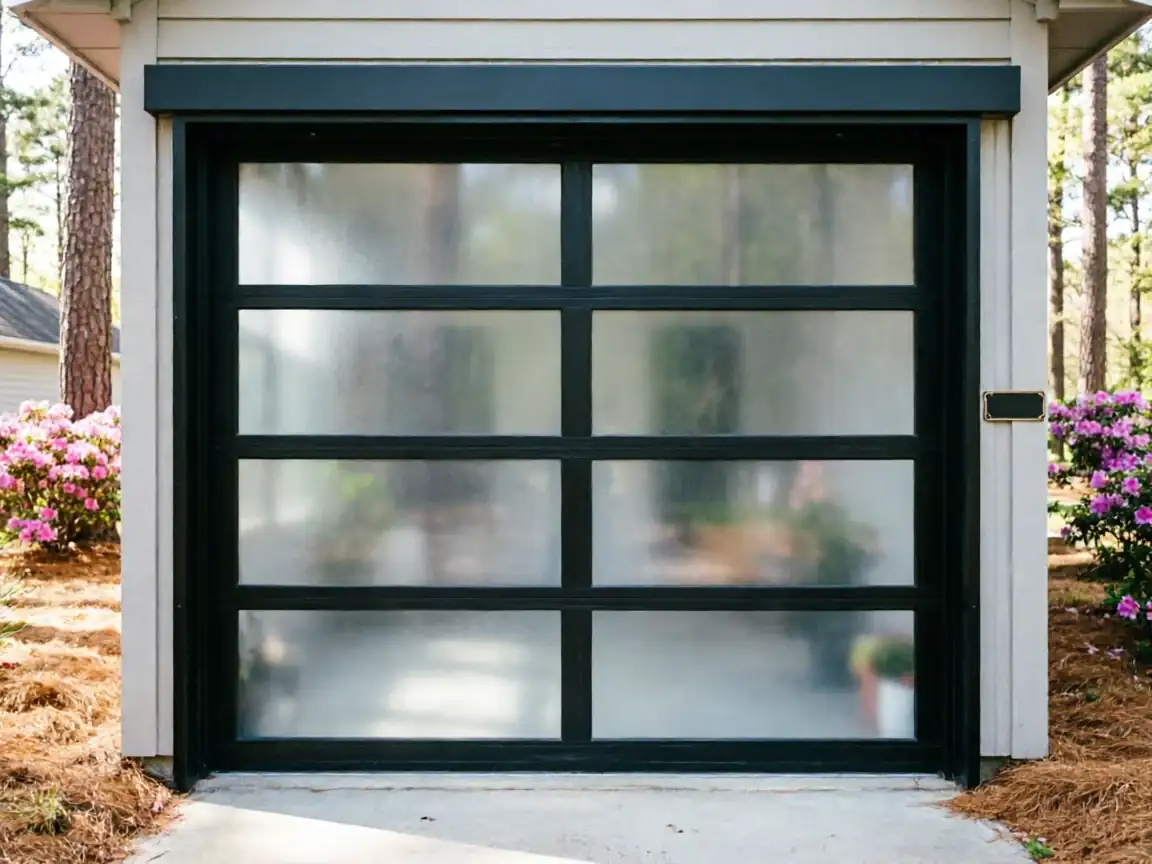
What Causes It Around Here
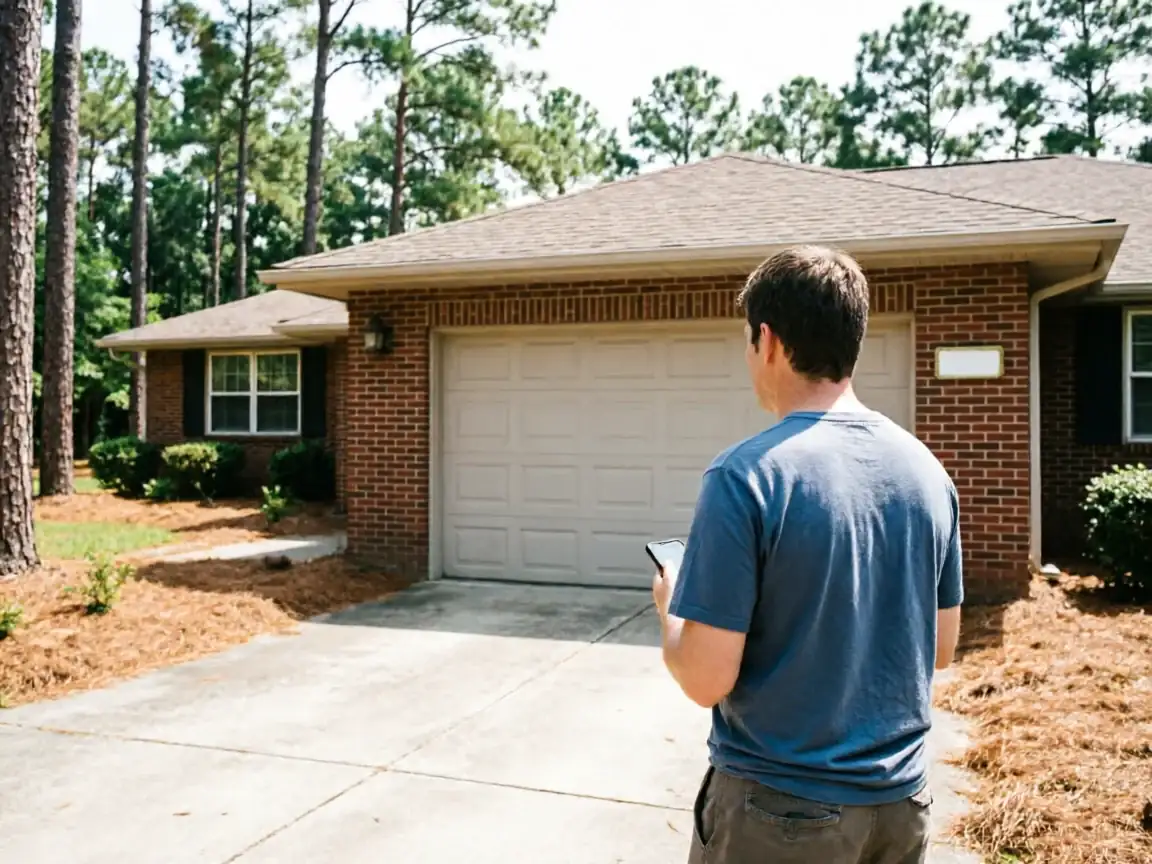
Most of the houses on this stretch of island went up around 1989
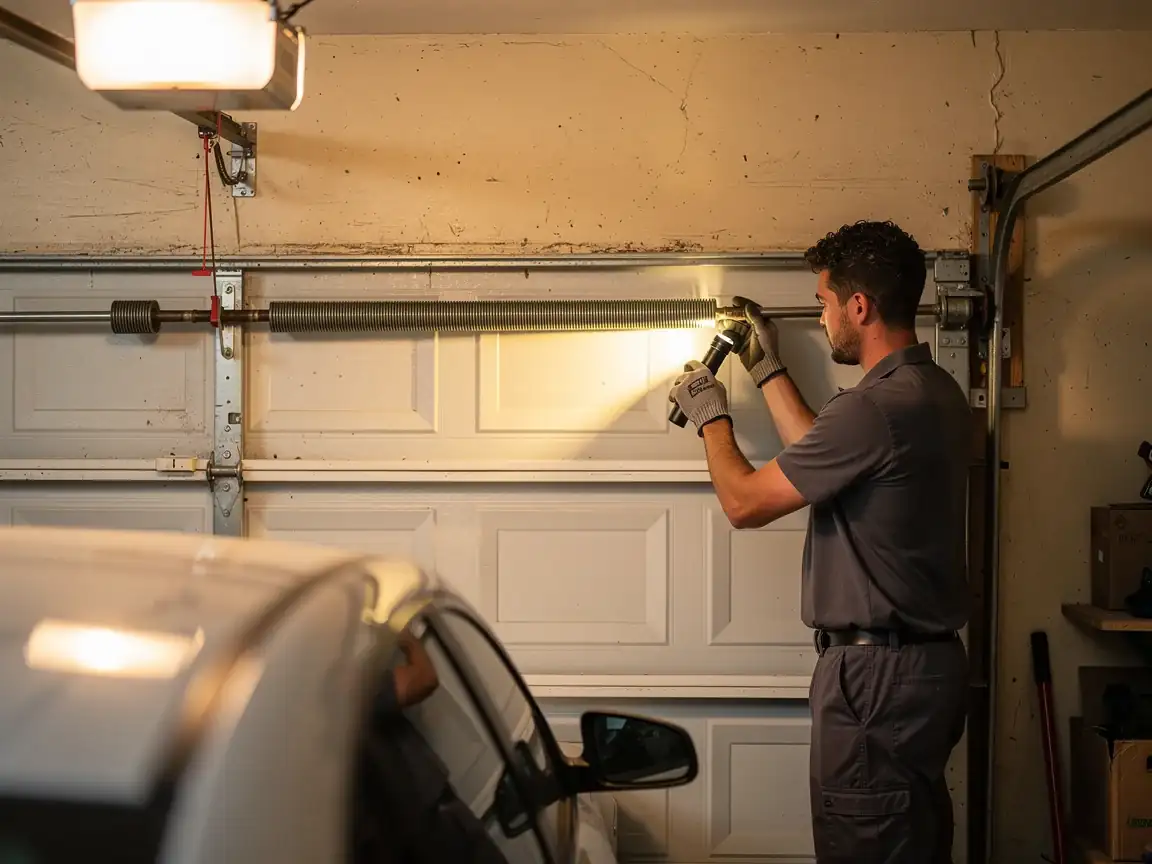
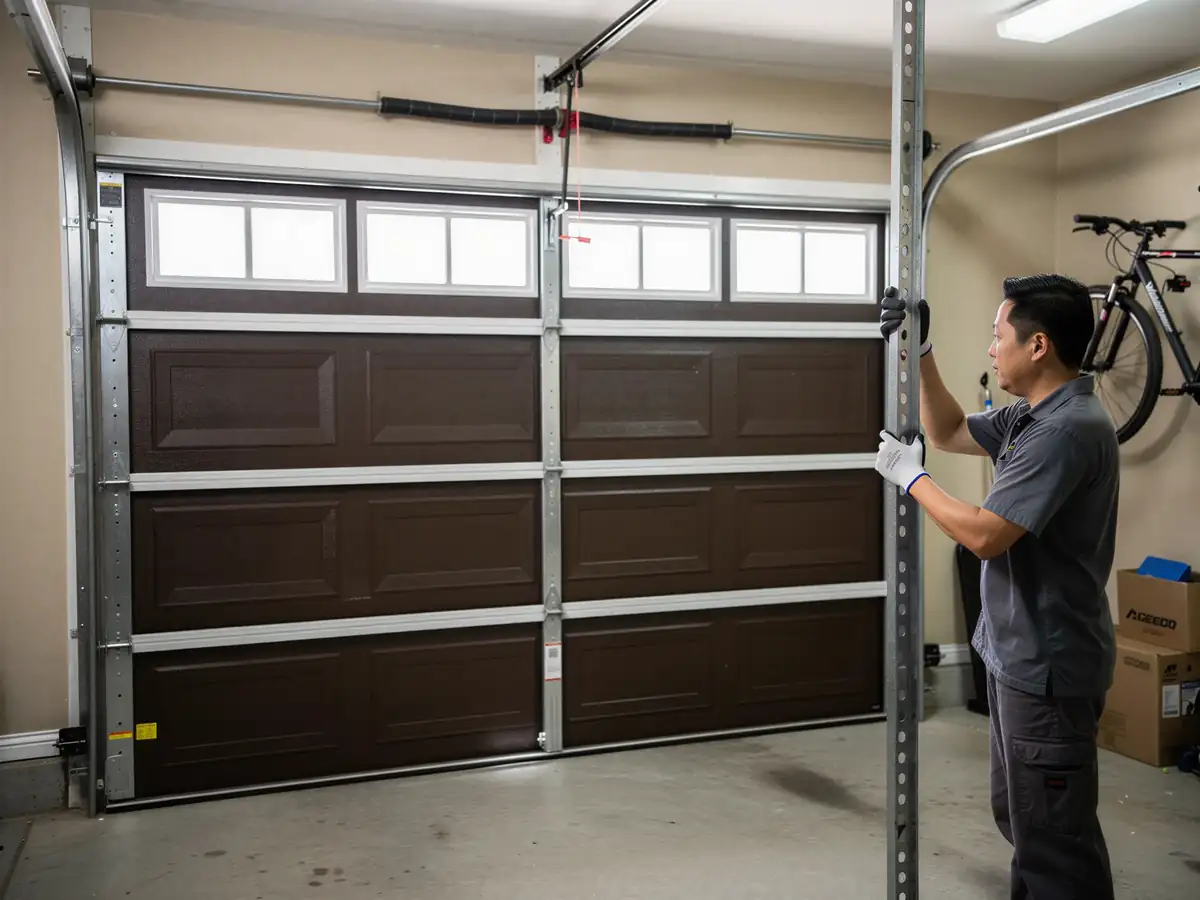
And a lot of that original hardware is still bolted to the jamb. A torsion spring is rated for somewhere between 10,000 and 15,000 cycles - call it seven to fifteen years of normal use. A door built in 1989 that's never had a spring change has been running on borrowed cycles for two decades or more. Same story with the opener: if it's the one that came with the house, the gears are plastic, the capacitor is original, and the logic board has seen thirty-five years of coastal power surges it was never built to survive that long.
The climate here sits in a cold-moderate band
Which means the garage sees real temperature swings between winter and summer. Steel expands and contracts with that, torsion springs lose tension faster than they would in a flat climate, and cables that were fine last August can snap on the first hard cold snap. None of this is dramatic failure - it's fatigue, and it's been building since the house was framed.
What It Costs
We don't have a flat number to quote you here, and I'd rather say that than make one up. What we can tell you is how the math tends to work for this neighborhood. Median household income on this part of the island runs around $106,818 - well above what we see on the mainland side of the service area - and most owners at that income level choose to replace a failed spring system outright rather than nurse a thirty-five-year-old one along with a second patch job. That's not a sales pitch, it's just what the data on repeat calls tends to show: patching an original spring twice usually costs more over two years than one proper replacement.
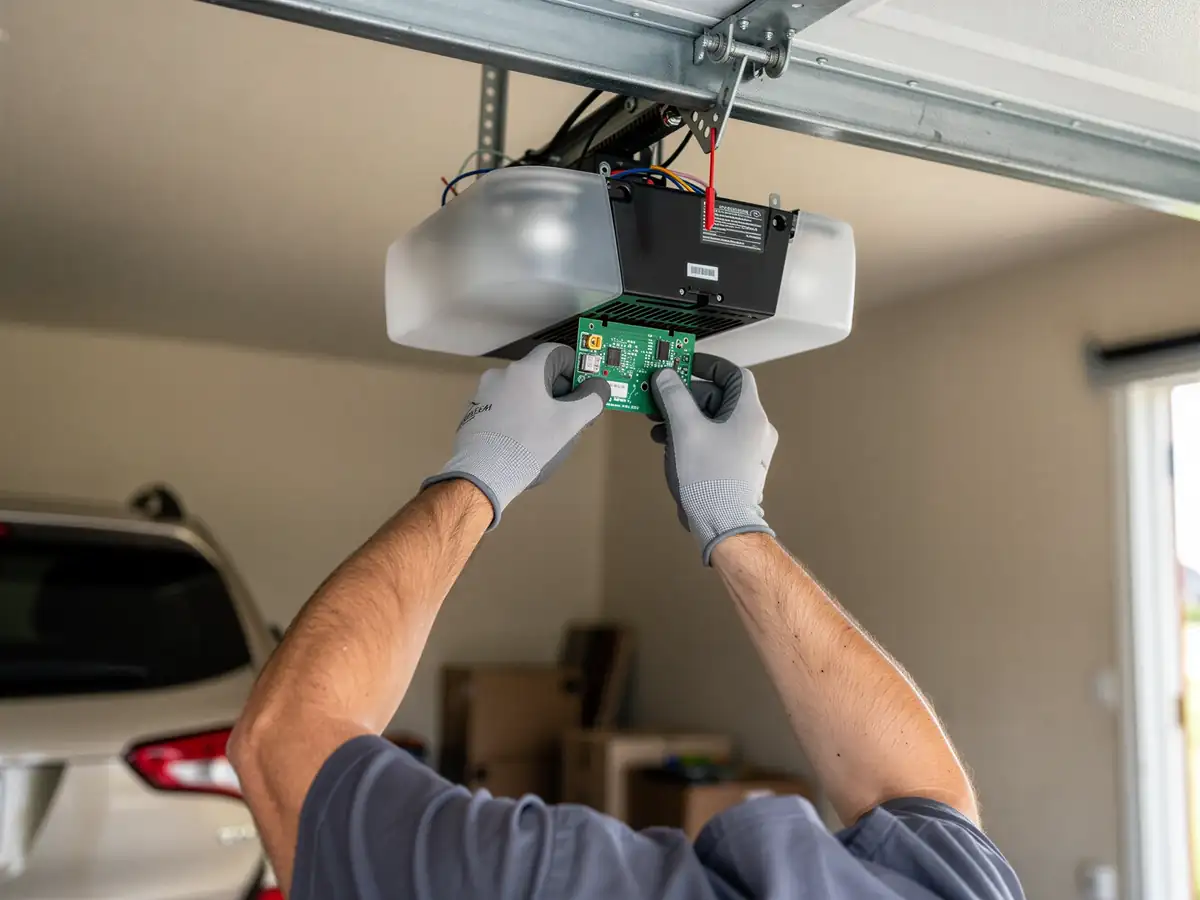
The honest limitation: if your opener logic board is original to 1989, we may not be able to get the exact replacement part same-day. Some of that gear hasn't been made in years, and we're ordering from Jacksonville, not off a shelf eight miles away. We'll tell you on the phone if that's the case before we load the truck.
What You Are Seeing
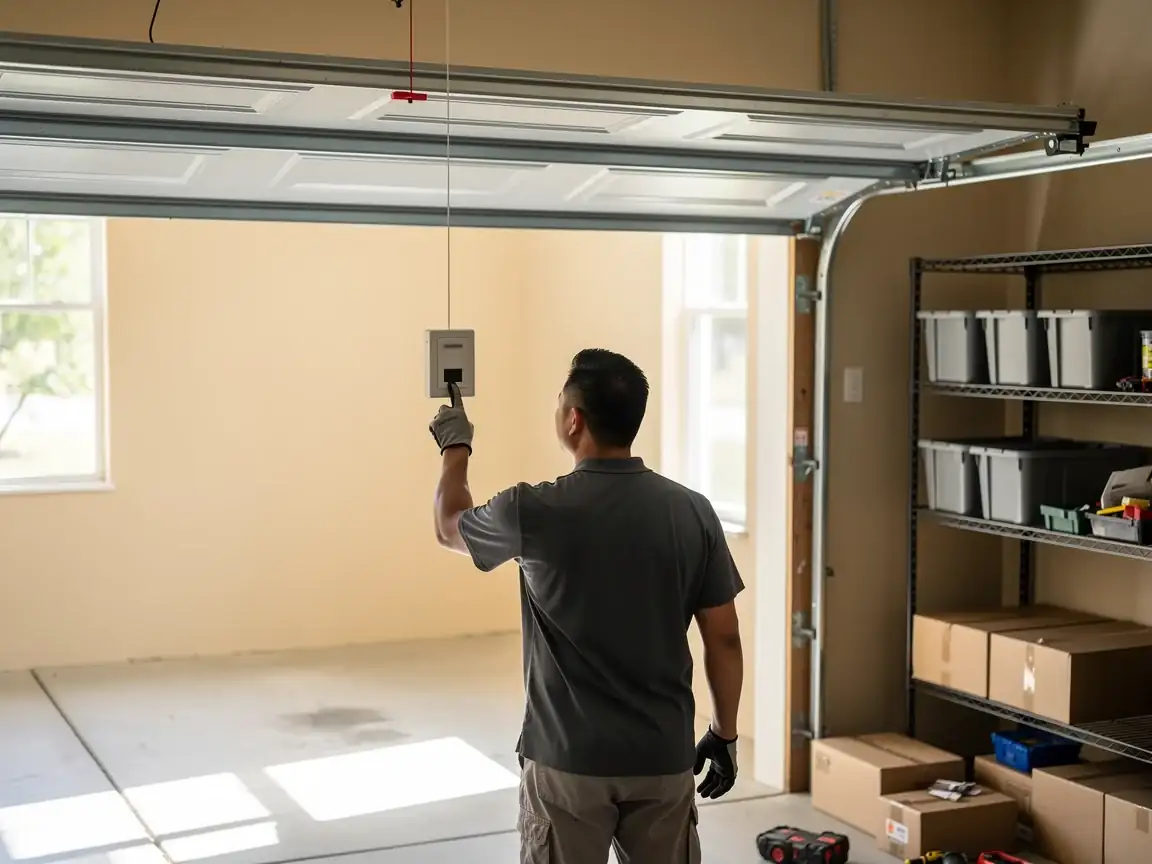
If the door won't move and you hear a hum from the opener, that's usually a capacitor or a stripped gear, not the motor itself - common on units this age. If the door drops fast and uneven, one torsion spring has gone and the other is close behind; they wear at close to the same rate even though they rarely snap on the same day. A door that's heavy to lift by hand, slow to close, or reverses halfway up is almost always spring tension, not the opener at all, and people call about the opener first nine times out of ten.
Rust streaking on the torsion bar or flaking paint on the bottom bracket is worth a photo before you call - it tells us whether we're dealing with fatigue or with a bracket that's actually failing. Across the wider service area of roughly 16,650 households, this is the single most common call we get on houses from this building era, and North Topsail Beach's stock lines up right with it.
Time on the Job
North Topsail Beach sits about seventeen miles from our shop in Jacksonville
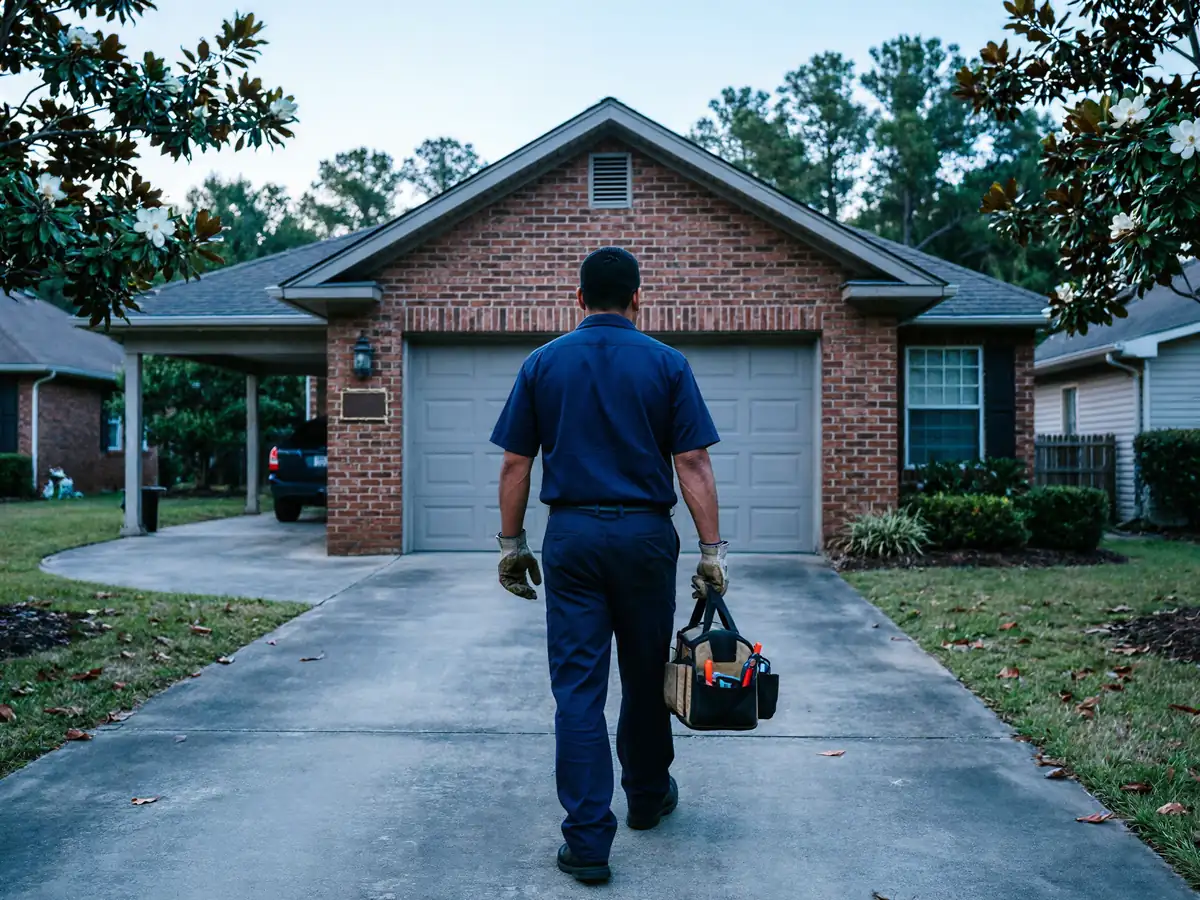
And that drive is part of the job, not an afterthought - we build it into when we tell you we can be there. We don't keep a branch or a drop point on the island, so every call here starts with a truck loaded for what you described on the phone: springs, cables, roller sets, and the common opener boards for houses built in this era.
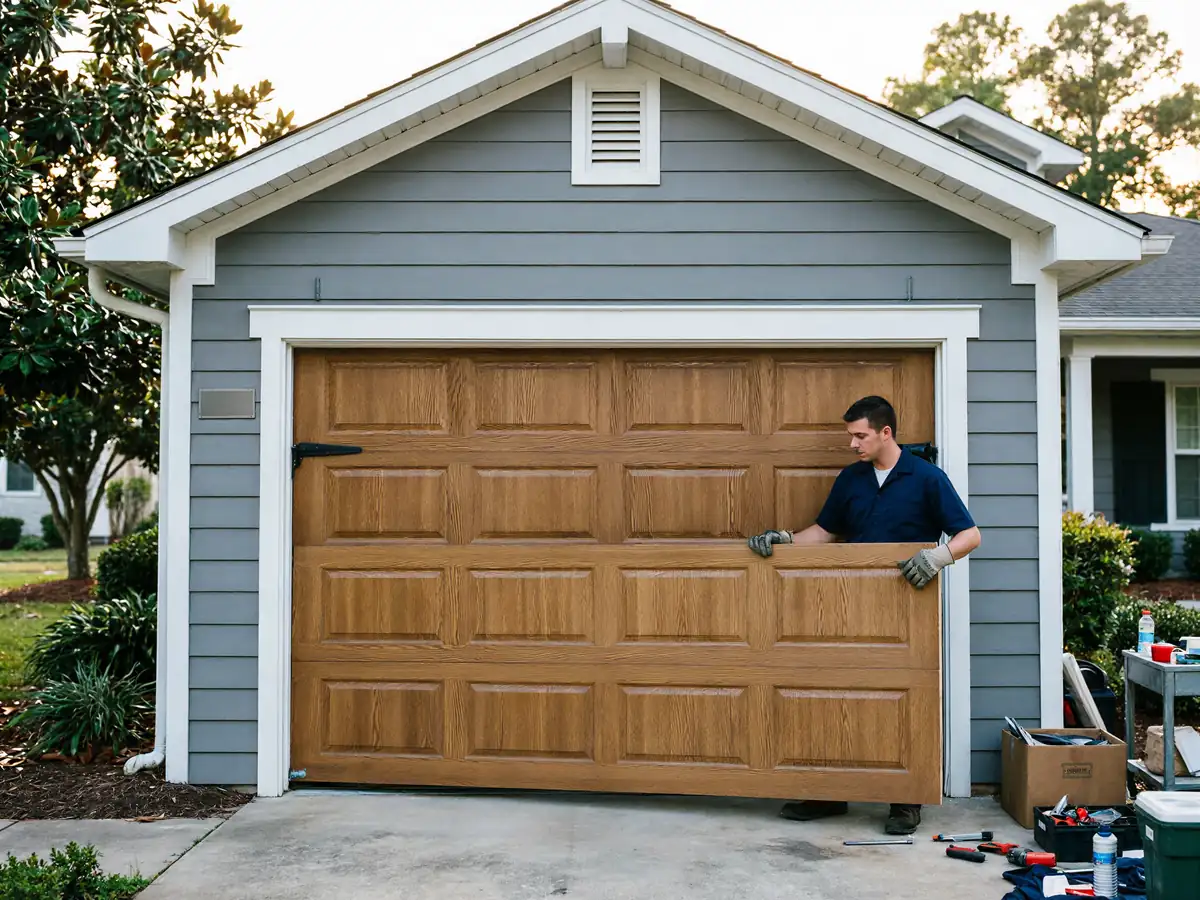
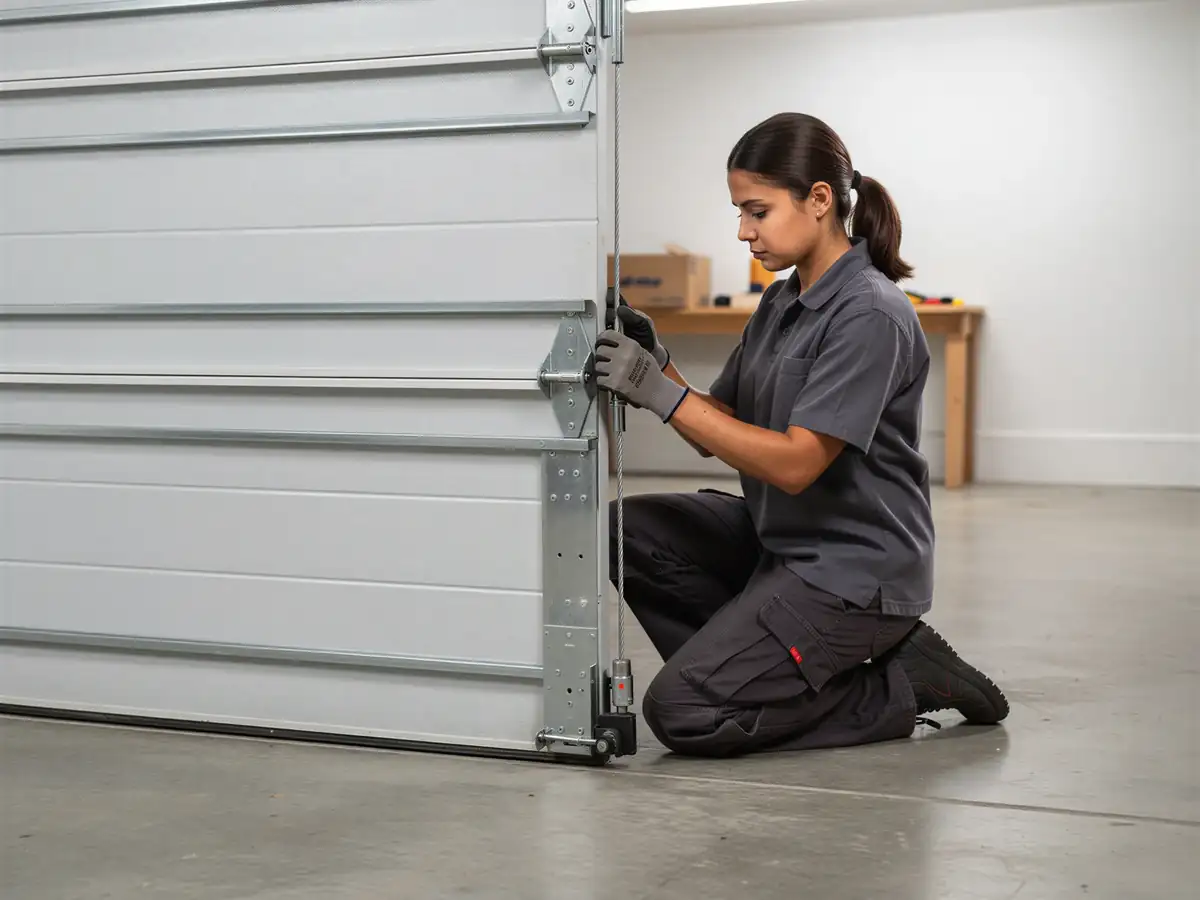
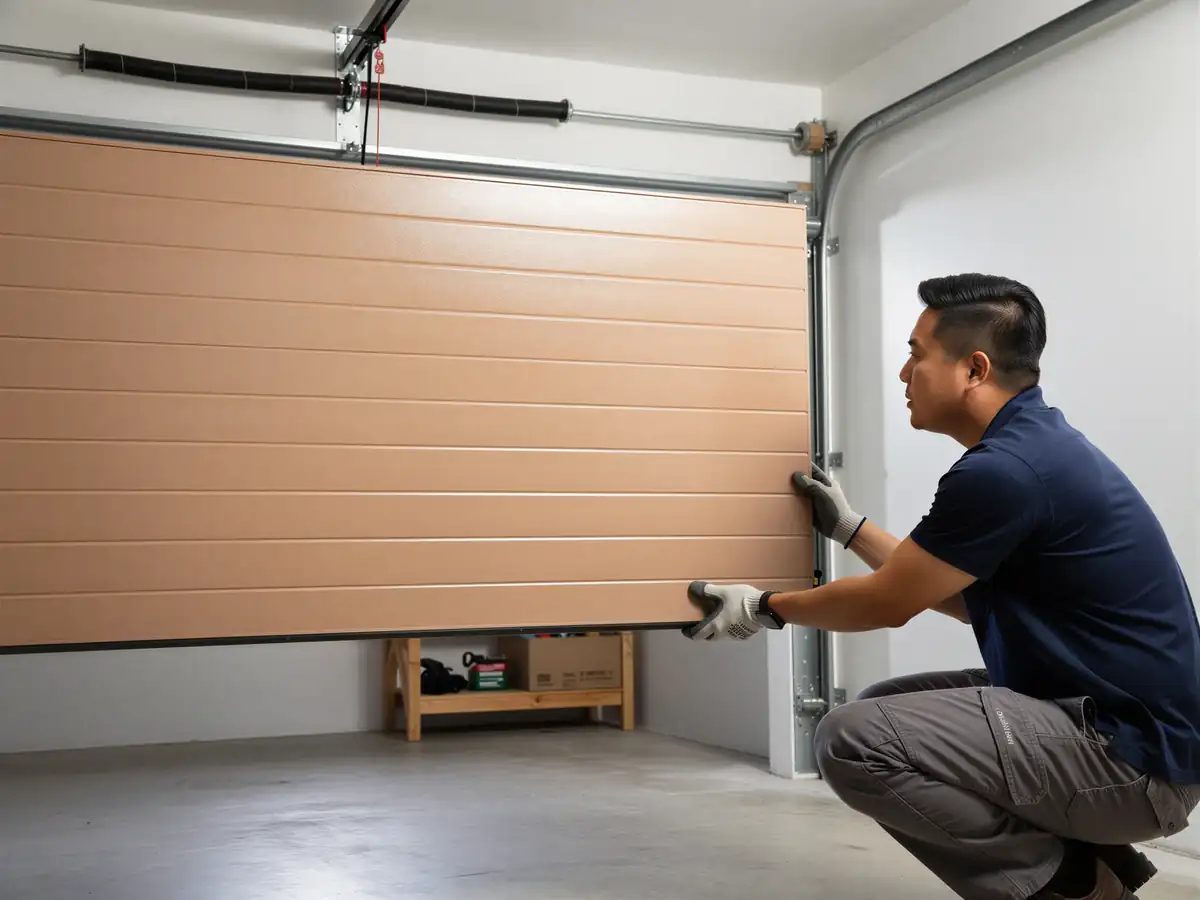
Once we're on site, a standard torsion spring swap on a double door runs under two hours including testing the balance afterward
An opener board swap, if the part is one we carry, is usually faster than the spring job. What slows a visit down out here isn't the work - it's confirming the right part before the drive, since a wrong guess means a second trip across those seventeen miles instead of one.