What the Repair Takes
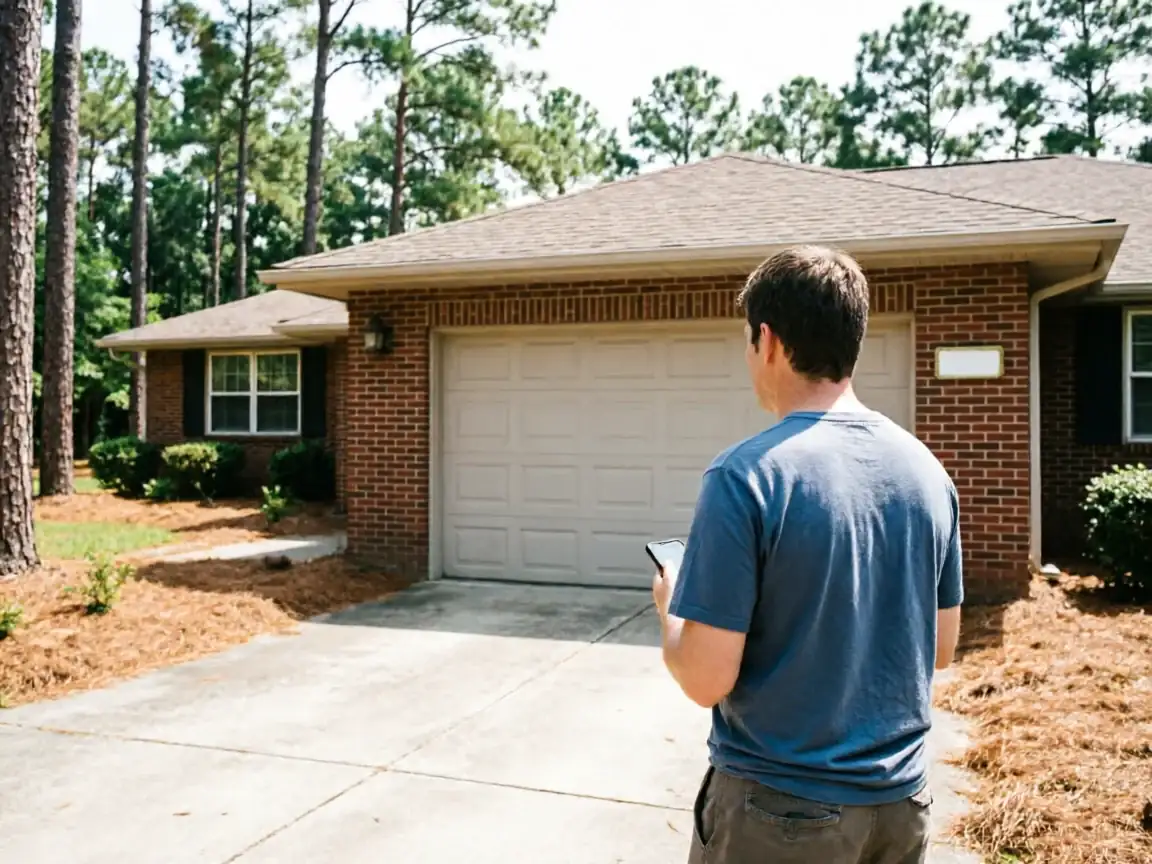
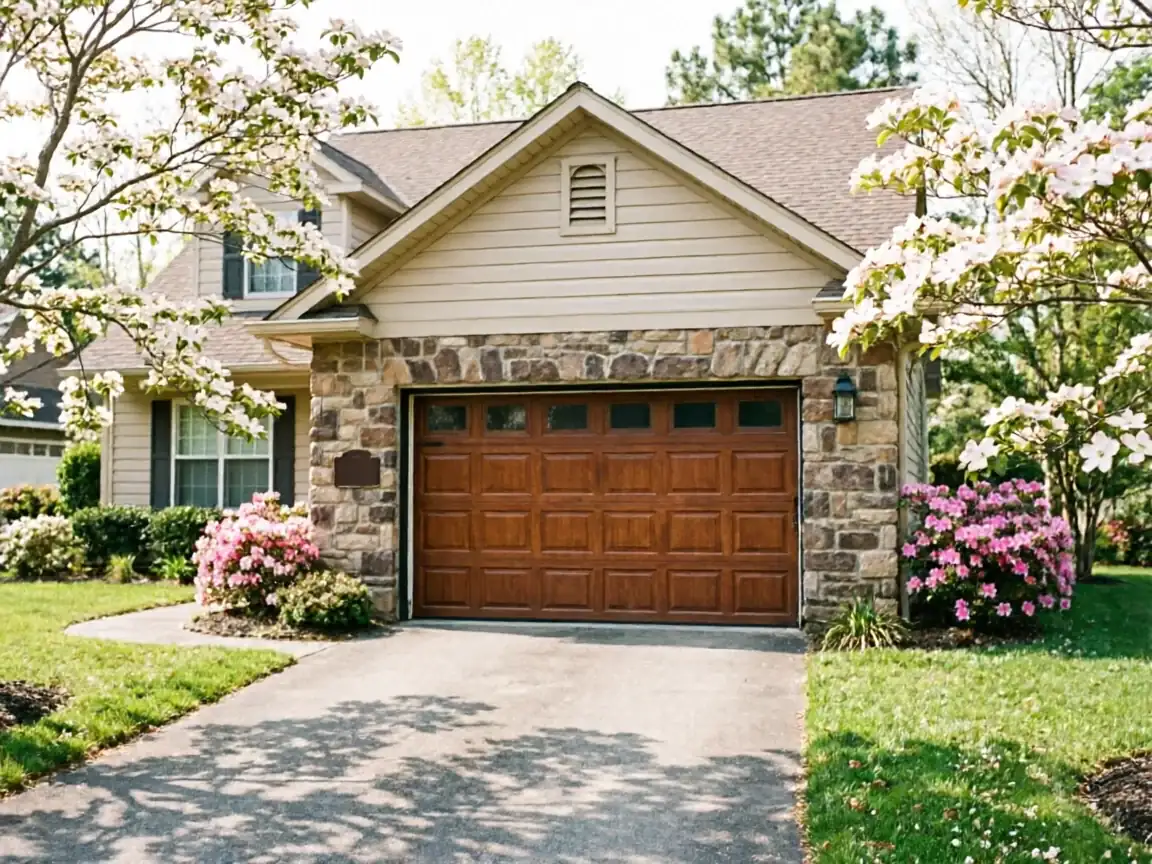
Most houses in Half Moon went up around 1988
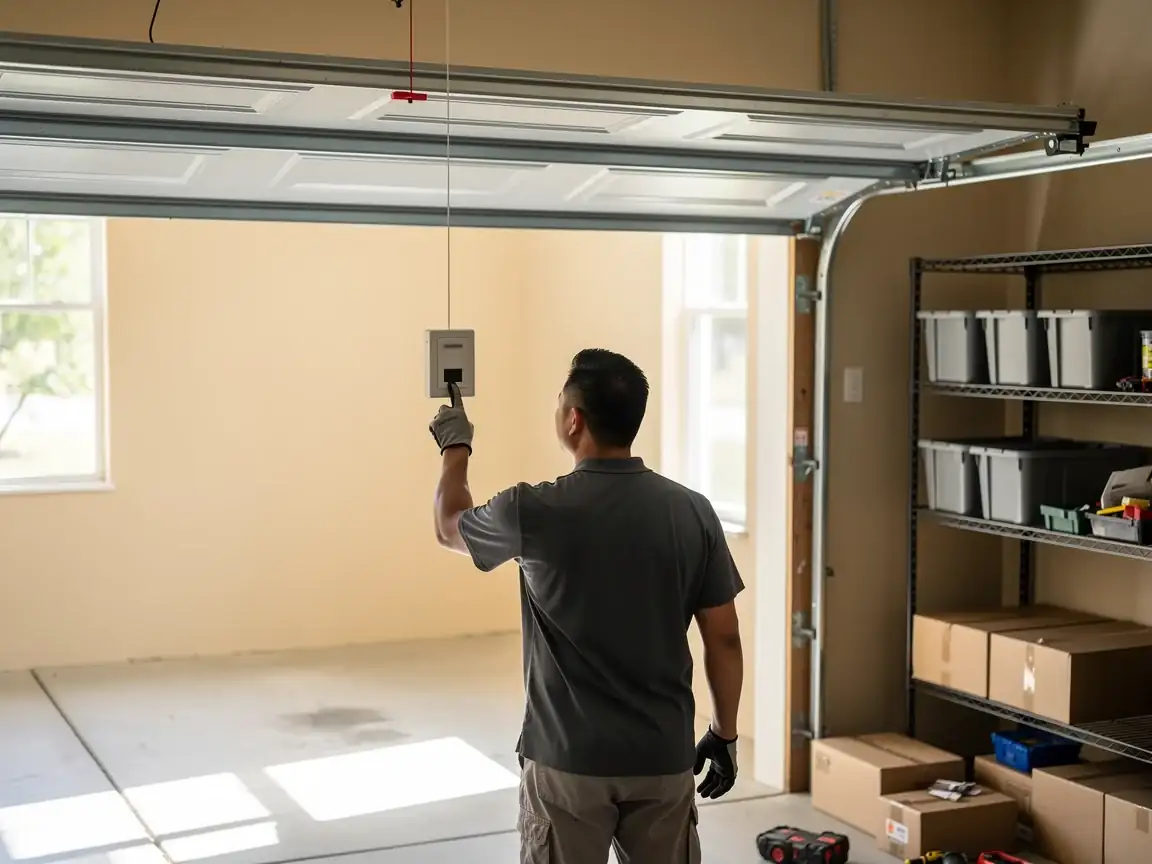
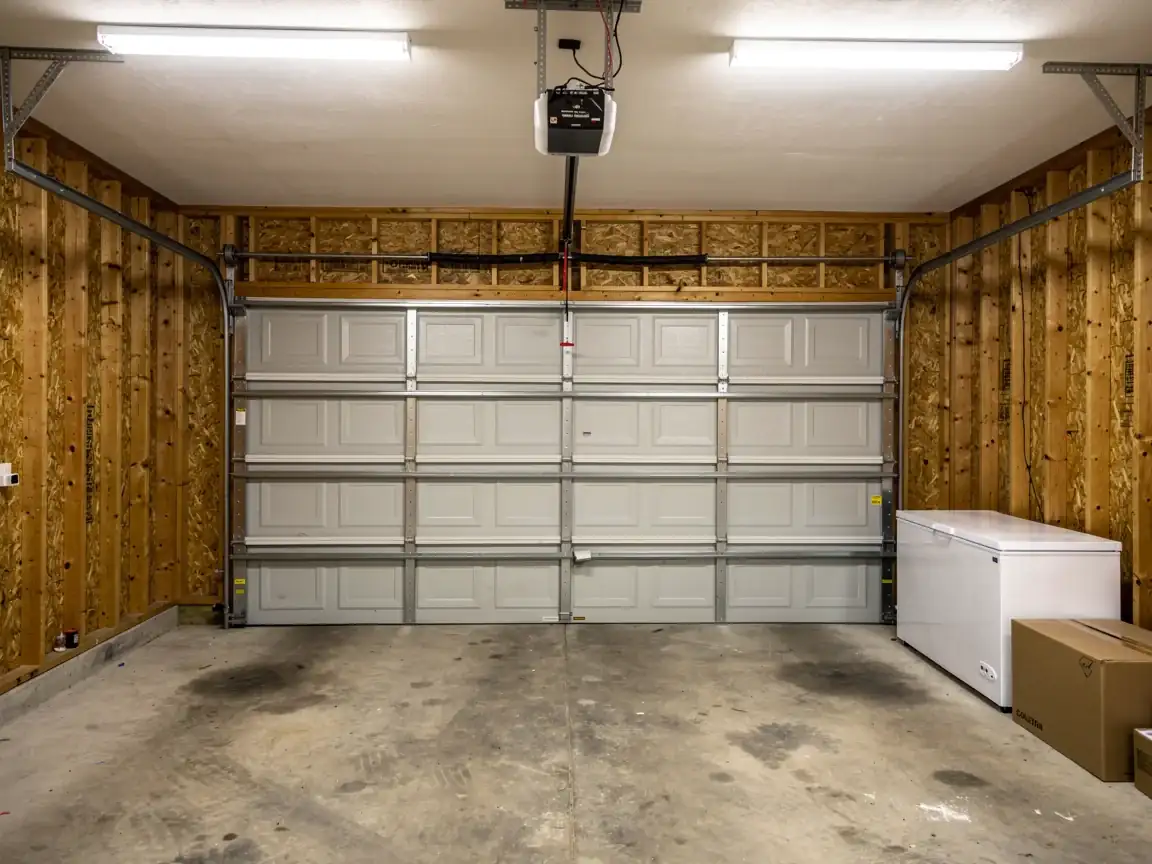
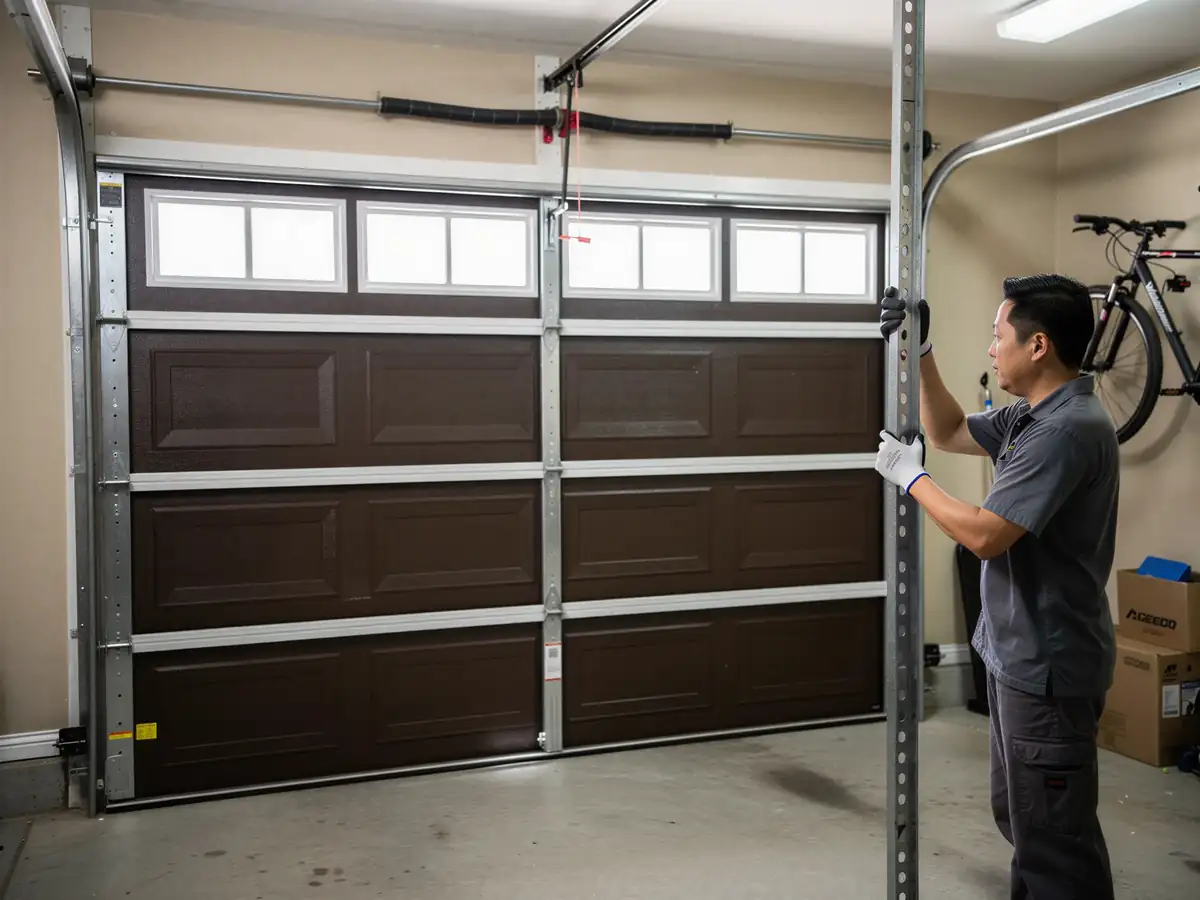
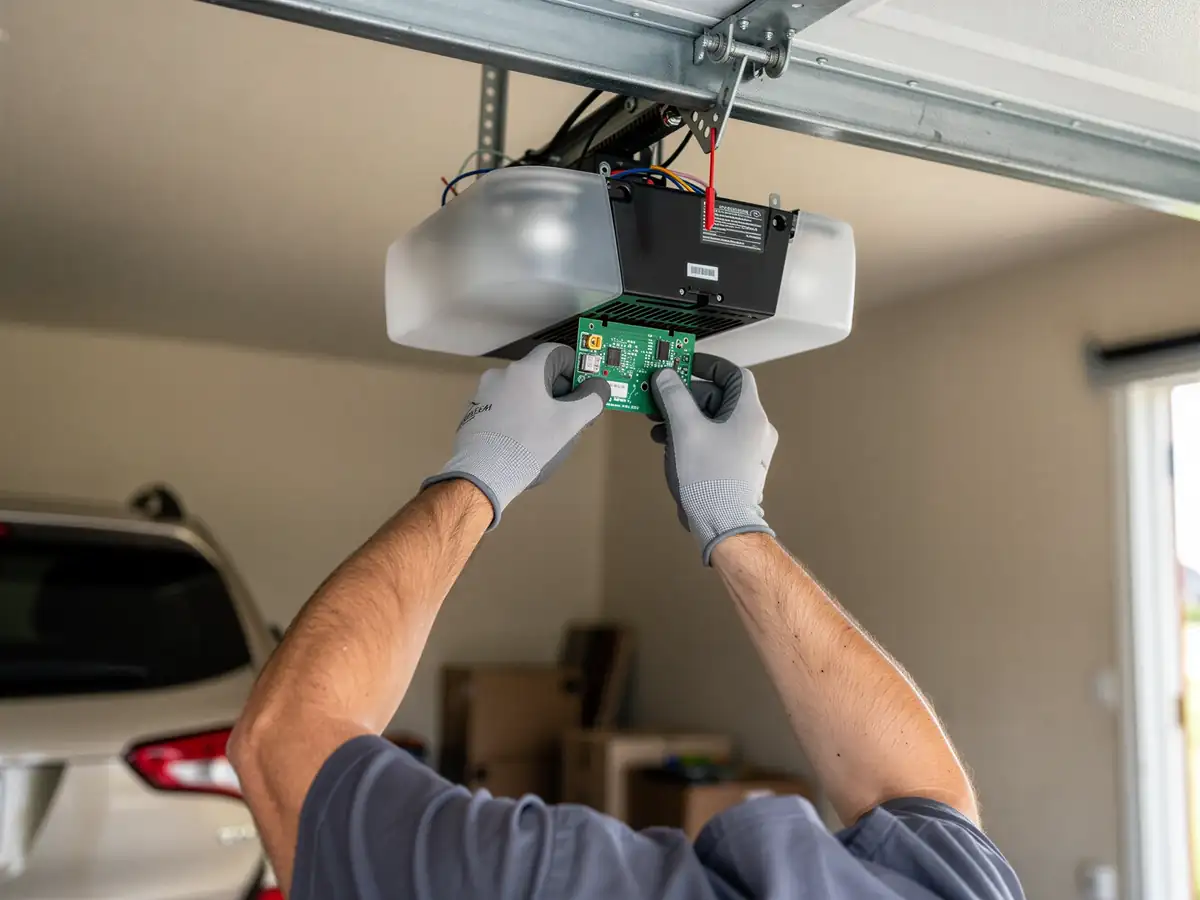
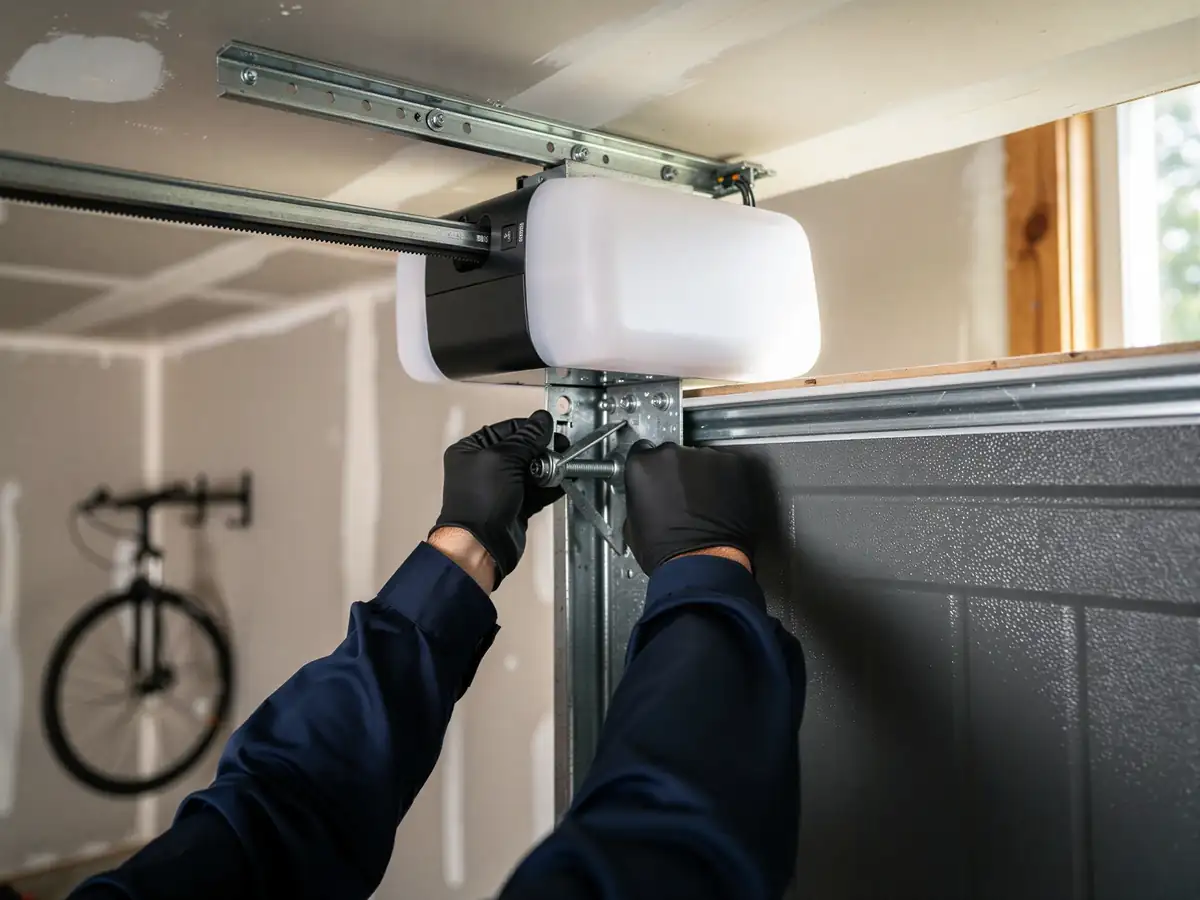
A handful of years ahead of the 1993 median for the wider area we cover out of Jacksonville. That matters for an opener install because a lot of these garages still carry their original chain-drive unit on a standard 7-foot rail, bolted to framing that was never set up for a belt drive or a jackshaft mount. Swapping the opener means pulling the old chain-drive carriage, checking the header bracket for rot or rust, and running new wiring to the wall control since a lot of 1988-era garages only had a single switch, no keypad.
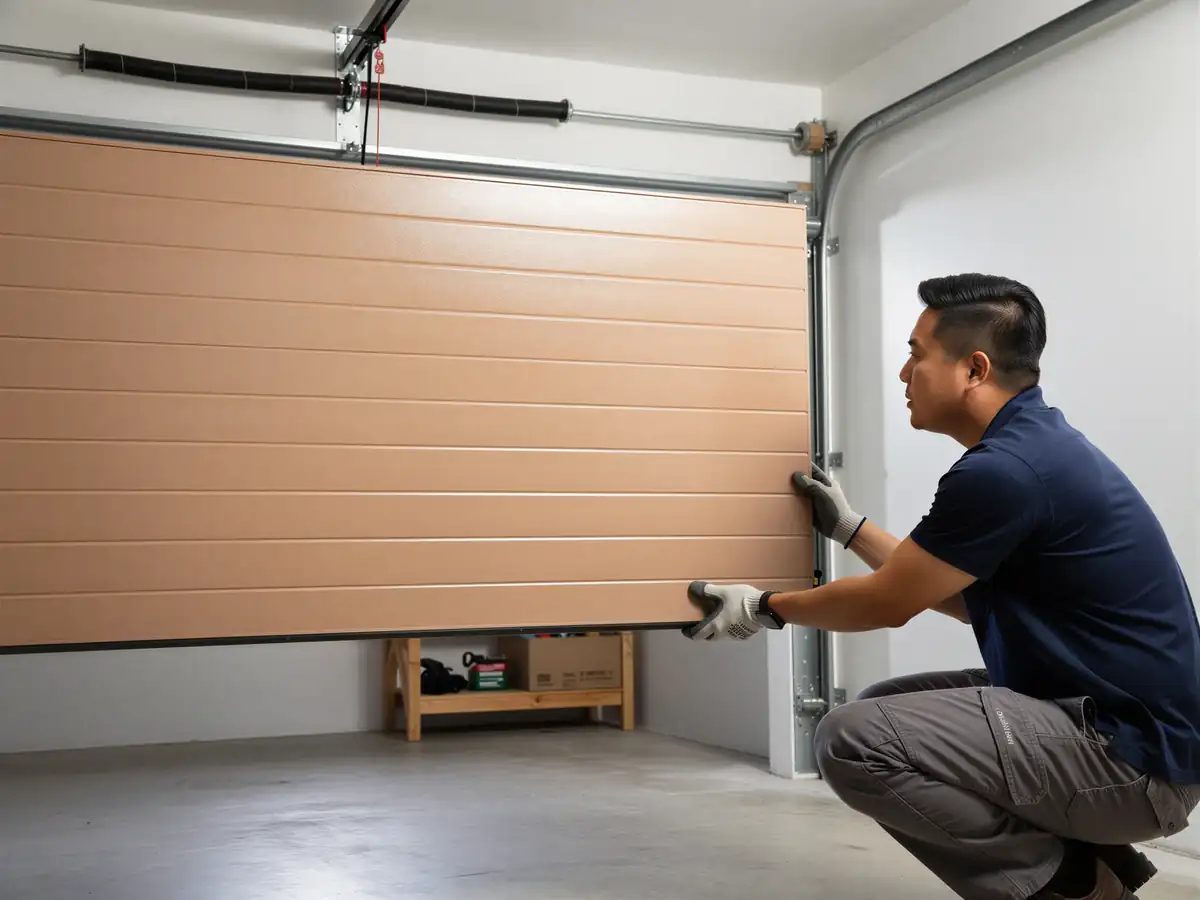
We also check the door itself before we hang anything new
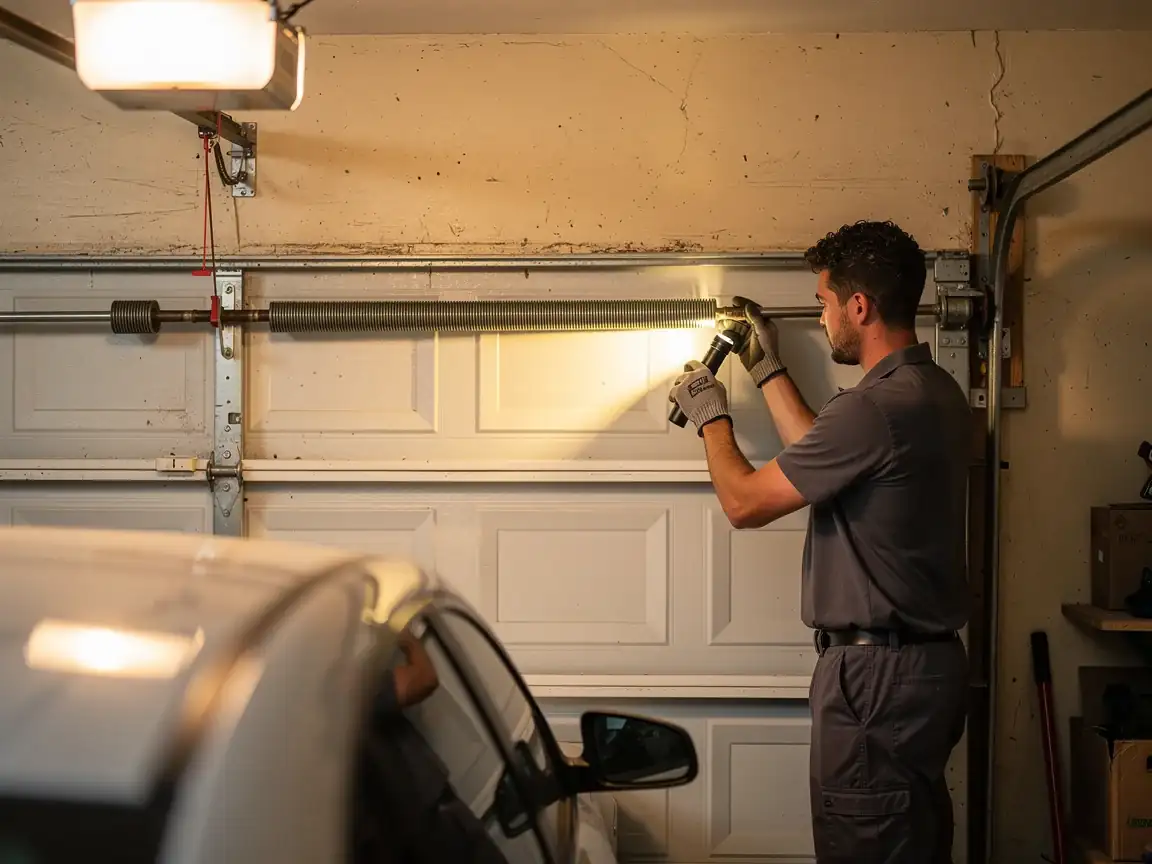
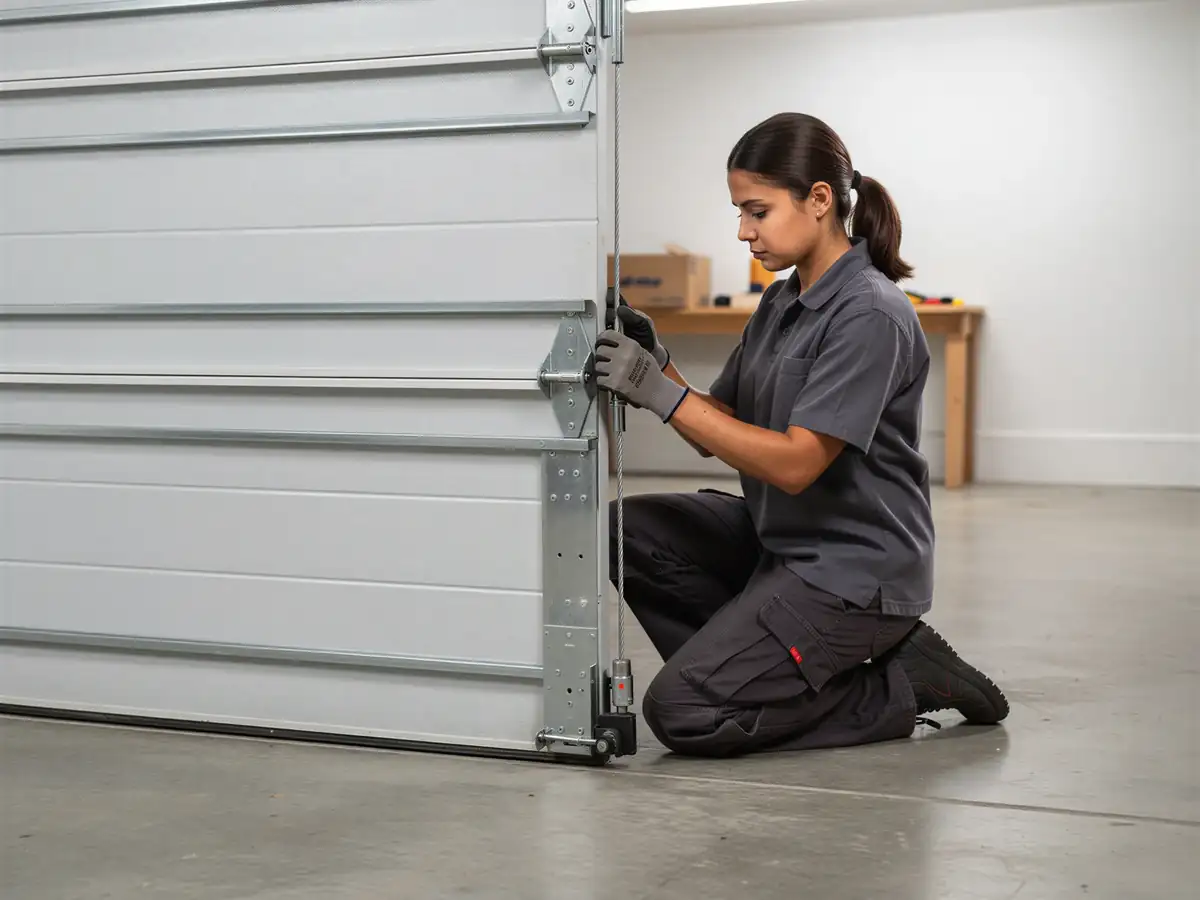
An opener is only as good as the springs and track it's lifting, and on a door this age the torsion spring may already be tired even if the opener just failed. If the spring is original, we'll flag it, because installing a new opener on a worn-out spring just shifts the failure point.
One limit worth saying plainly
If the existing rail or mounting bracket is bent or the header isn't square, that's extra labor beyond a straight swap, and we won't know until we're looking at it in person.
What It Costs
We're not going to put a flat number on this page, because what it costs depends on things we can't see from here: whether your door is a single or double, whether the old opener's wiring is reusable, whether the rail needs replacing along with the motor head, and how far the unit sits from your electrical panel. A single lightweight door with accessible wiring is a different job than a double door with a logic board that's fried and a run of new conduit needed.
What we can say is that the age of the house plays into it more than people expect. A garage built in 1988 often has less headroom clearance and older bracket spacing than anything built after 2000, so a newer opener sometimes needs an extension kit or a different mounting plate just to clear the door track - that's additional parts, not just labor.
The honest answer is we price it after we see the door, the rail, and the wiring in your garage, not off a phone description. If you want a number, the fastest path is getting someone out to look, which costs nothing to ask for.
What Causes It Around Here
With a median build year of 1988, a good share of Half Moon's openers are now past 30 years old, and chain-drive units from that era weren't built with the circuit boards or safety reversing sensors that are standard now. When one of these finally quits, it's usually the gear set stripped from decades of lifting a heavier original steel door, or a logic board that's corroded from years of humidity swings.
The cold-moderate climate here plays a role too. Garages aren't heated, so the opener's board and gears go through repeated temperature swings between a humid summer and a cold front coming through in winter. That cycling is hard on soldered connections and on old capacitors, and it's a common reason a unit that worked fine one week won't respond the next.
We also see openers fail because the door behind them was never rebalanced as the springs aged - the motor keeps straining to lift a door it was never meant to carry alone, and eventually the gear or the drive mechanism gives out. That's not really an opener problem at the root, it's a spring problem wearing out the opener faster than it should.
Parts We Carry
For a house built in the late 1980s, you've usually got a choice between a chain-drive replacement (loudest, cheapest, and the most forgiving of an older rail), a belt-drive (quieter, needs a straighter rail), or a screw-drive unit if the original mounting geometry doesn't suit a belt
Given the cold-moderate climate here, we lean toward units with a battery backup option, since a dead opener during a winter power outage means a door you can't open from inside without the manual release.
We carry standard residential openers in these drive types along with the wall controls, keypads, and safety sensor pairs that go with them
What we don't stock is every proprietary remote or rolling-code receiver made for every opener brand ever sold - if your current wall unit is something unusual from the late 80s, we may need to swap the whole control setup rather than match it piece for piece.
That's the one limitation worth knowing up front
Matching old to new isn't always possible, and sometimes the cleanest fix is a full opener and control swap rather than patching in a single part.
How to Book
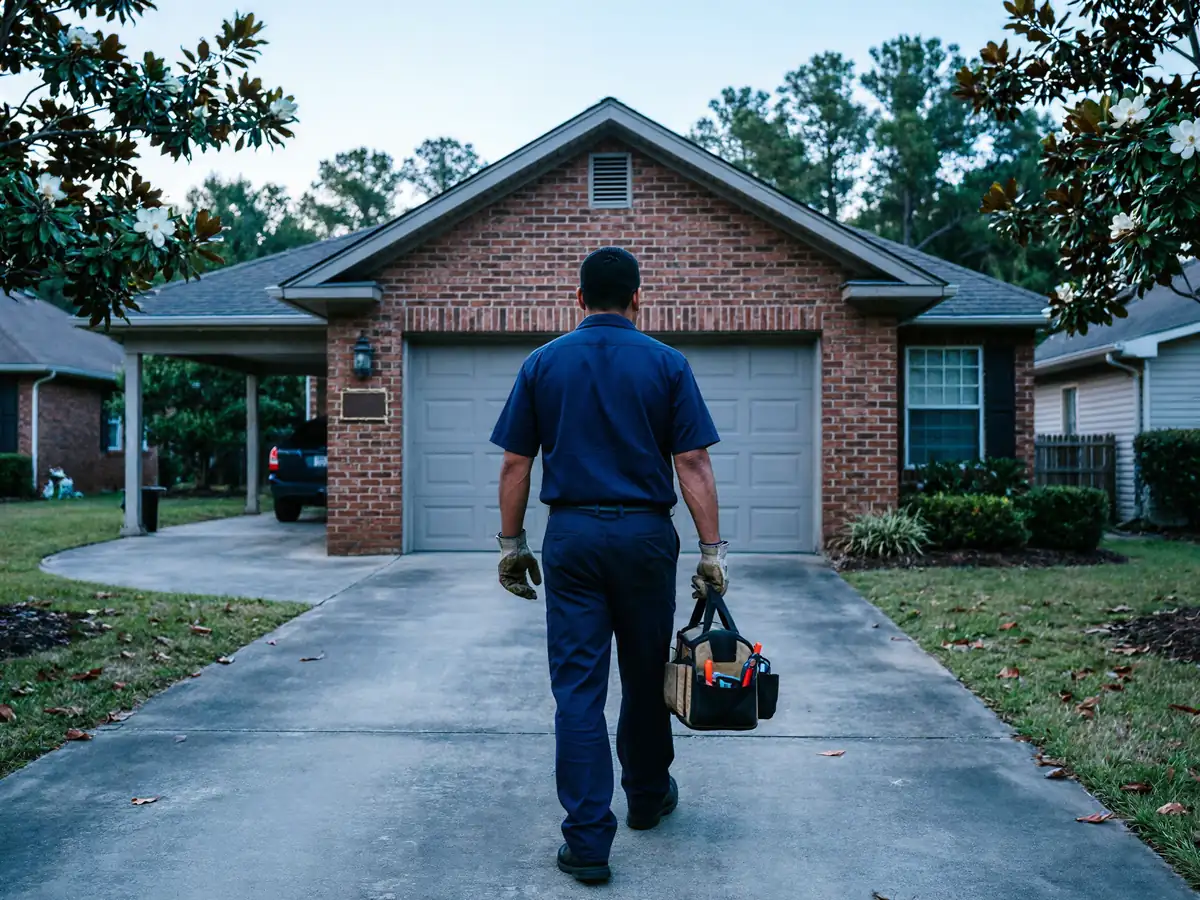
We cover Half Moon from Jacksonville, about 8 miles out, so there's a short drive involved rather than a local branch sitting in town. That's true for the opener install job the same as it is for repairs - see our Half Moon garage door repair page if what you're actually dealing with is a broken spring or a door off track rather than a dead opener.
If you're in Jacksonville itself rather than Half Moon, the install details differ slightly given the different housing stock, so check the Jacksonville opener installation page instead.
To book, the most useful thing you can tell us up front is the age of your garage, whether the opener is dead or just acting up, and whether you've got a single or double door. That lets us bring the right opener type and rail length on the first trip instead of a second one.