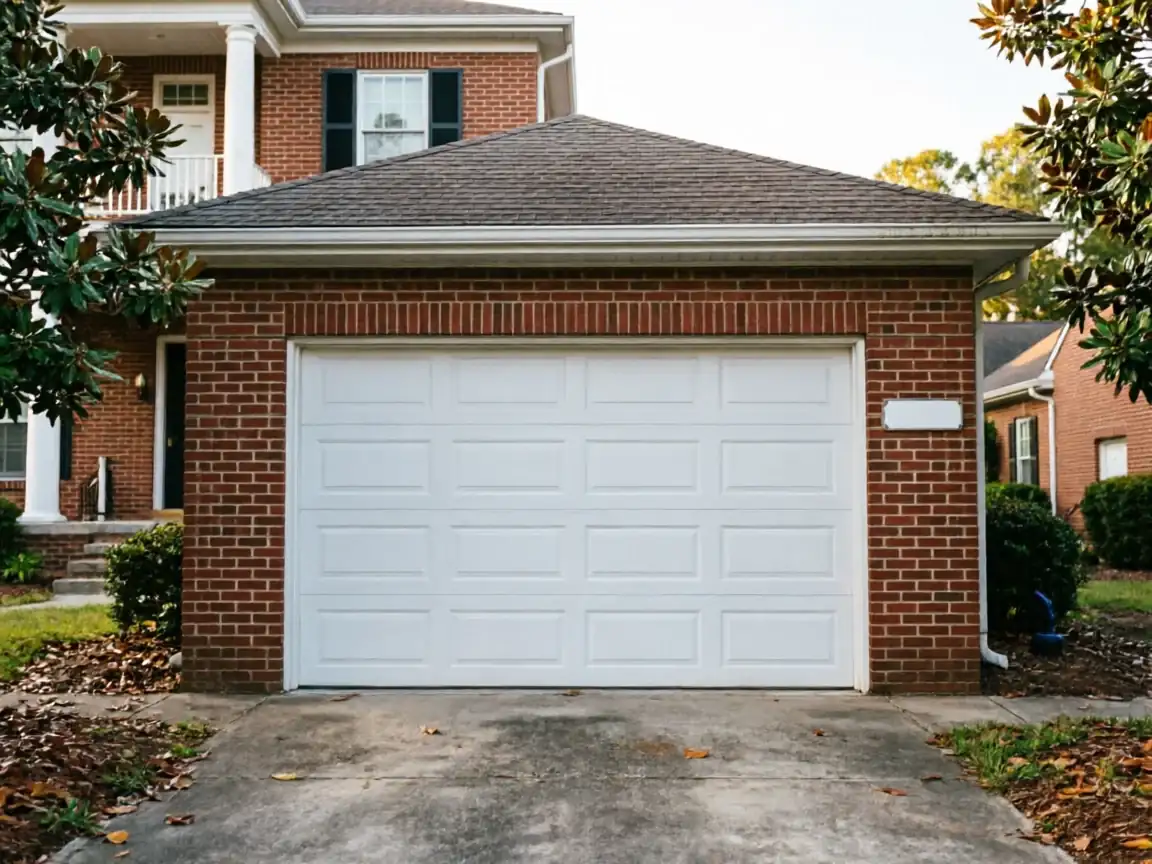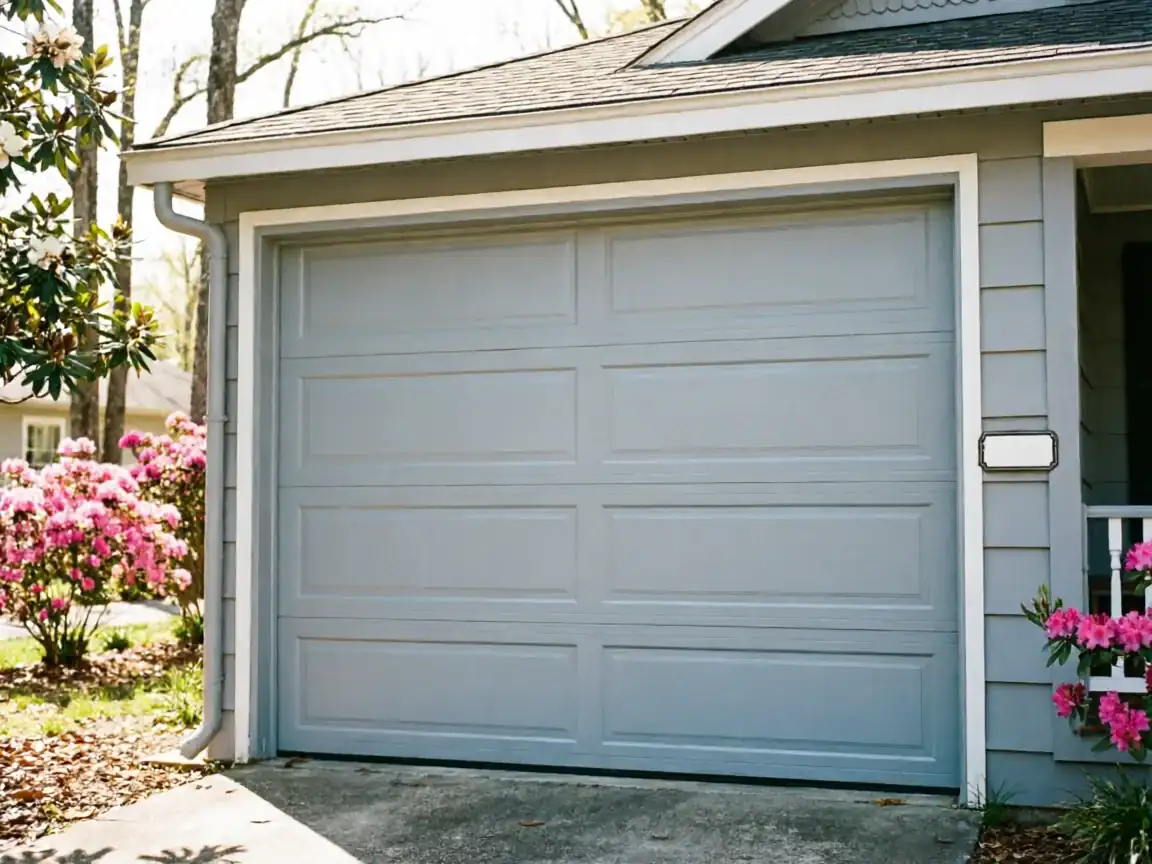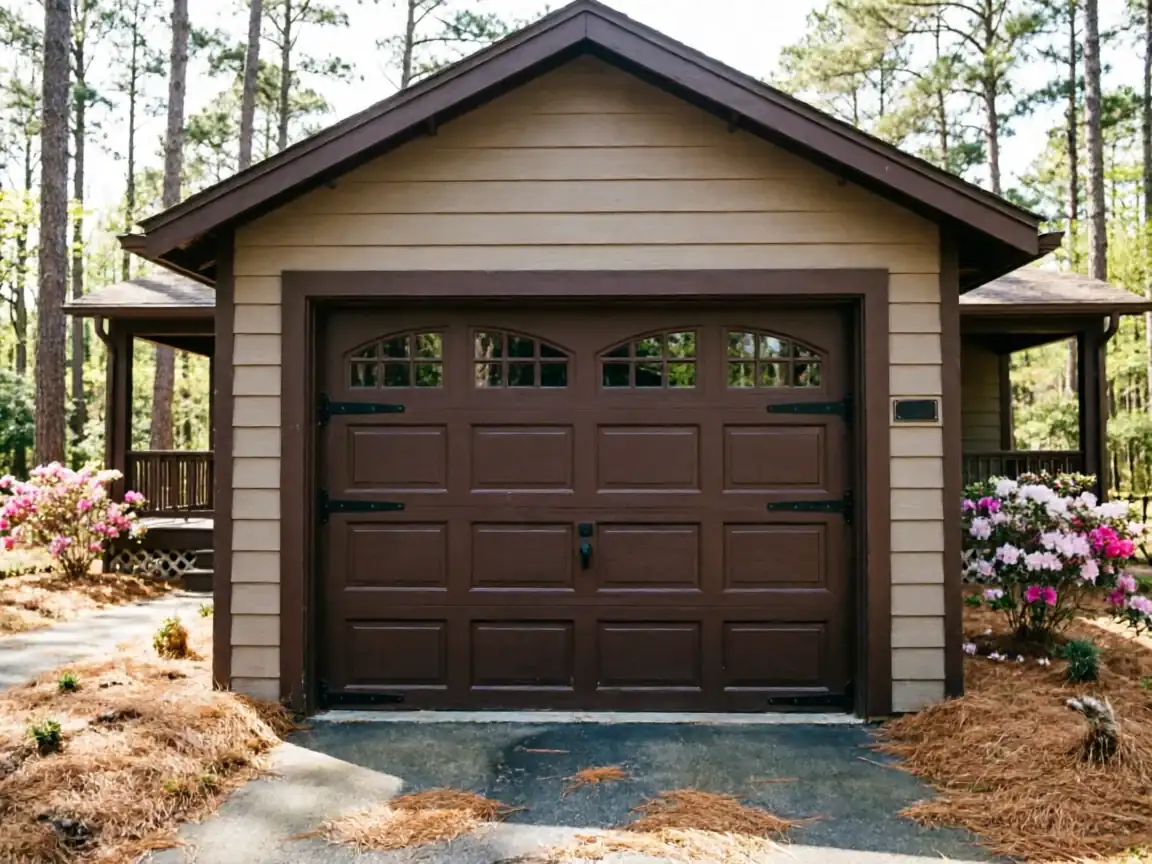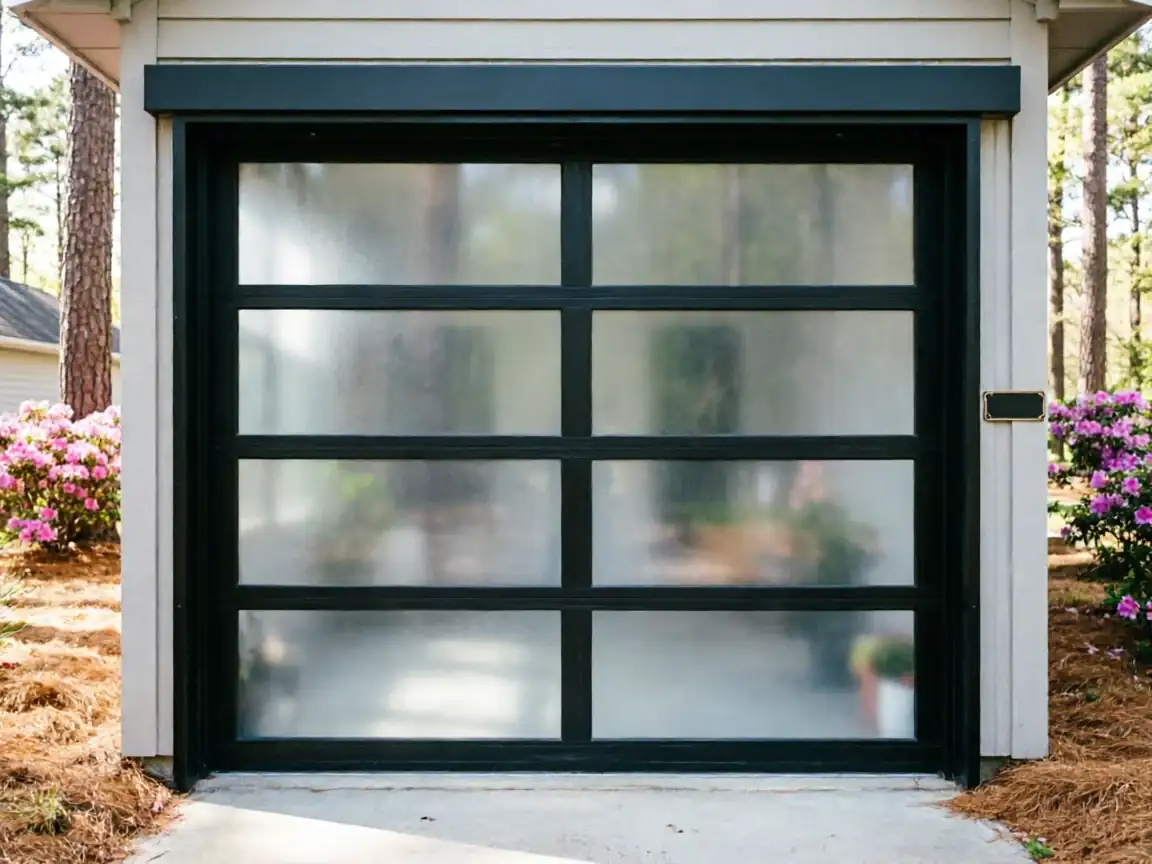
Where This Job Goes Sideways
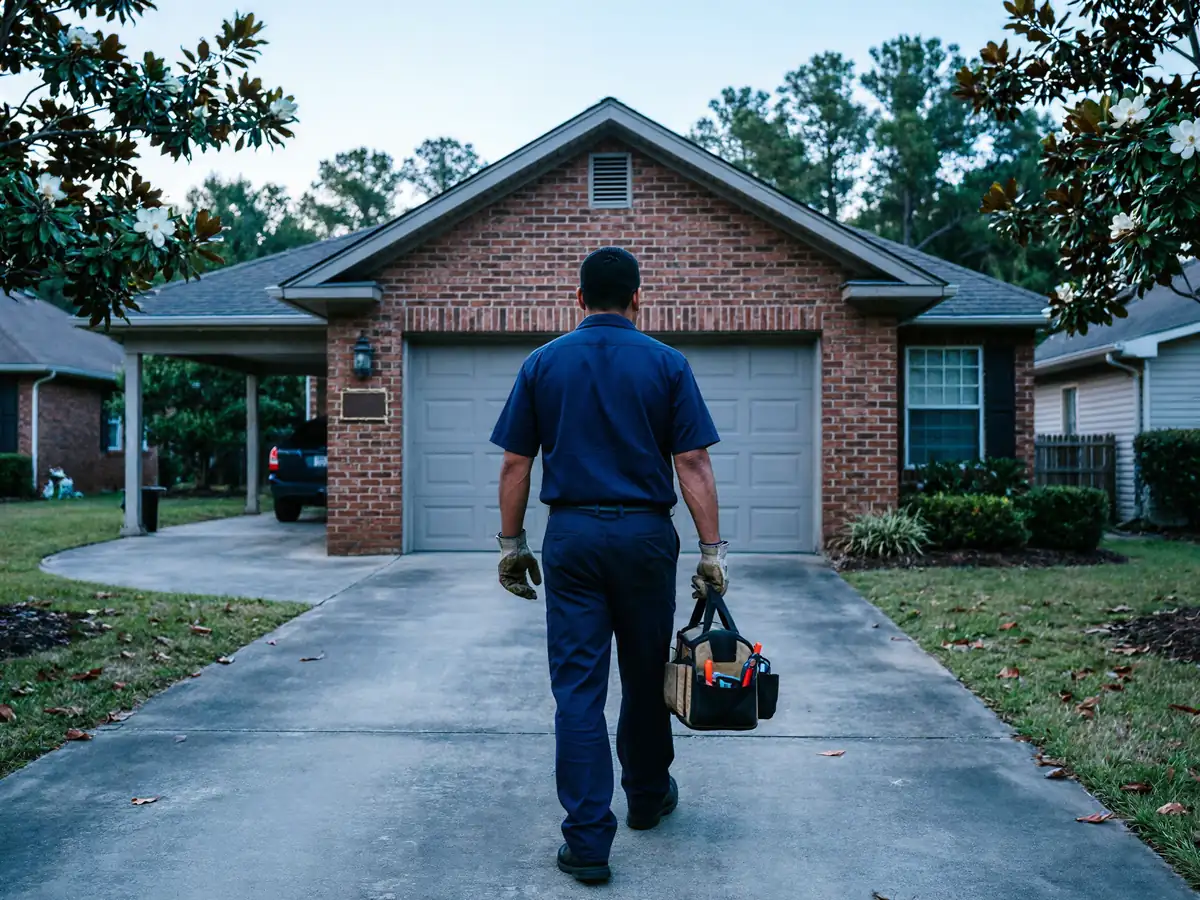
Most of the calls we take from Holly Ridge aren't about worn-out doors
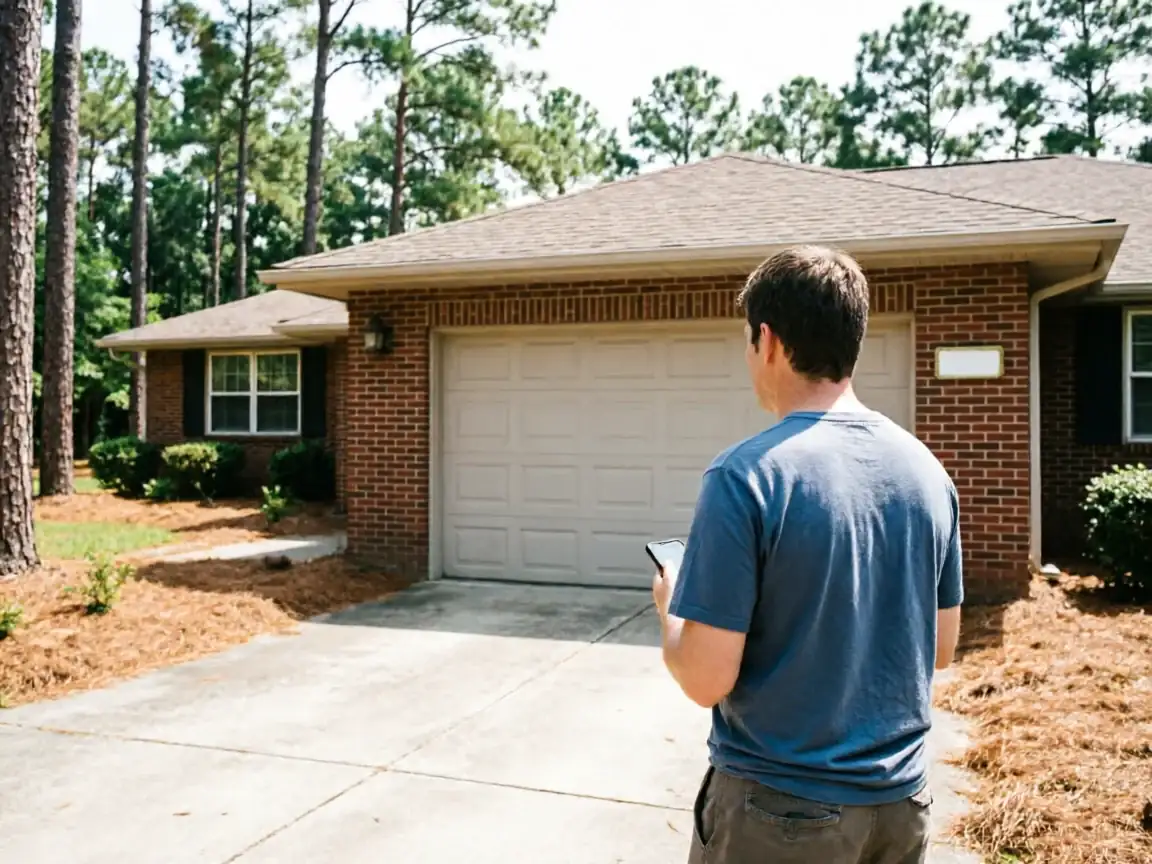
The median home here was built around 2013, which means the garage door and opener are usually the original builder-grade unit, not something patched together over thirty years. That changes what actually breaks.
The common failure is the opener itself
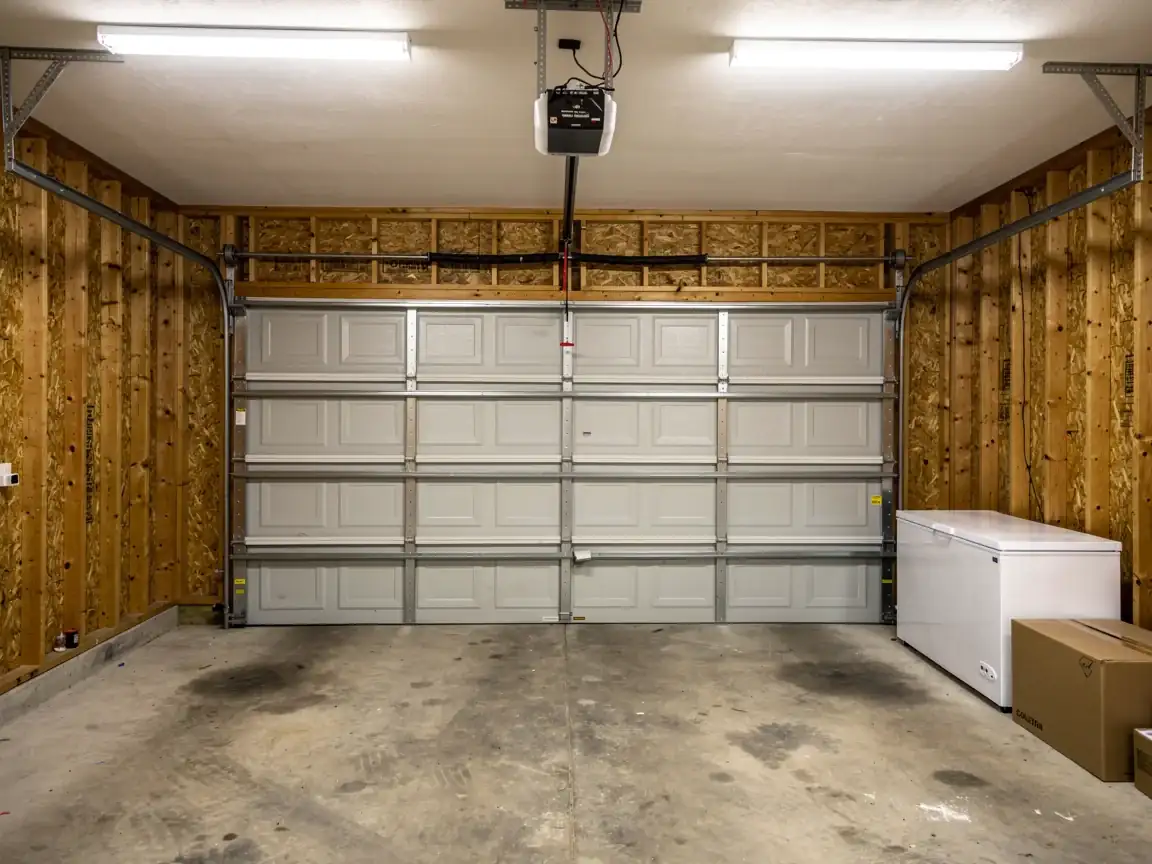
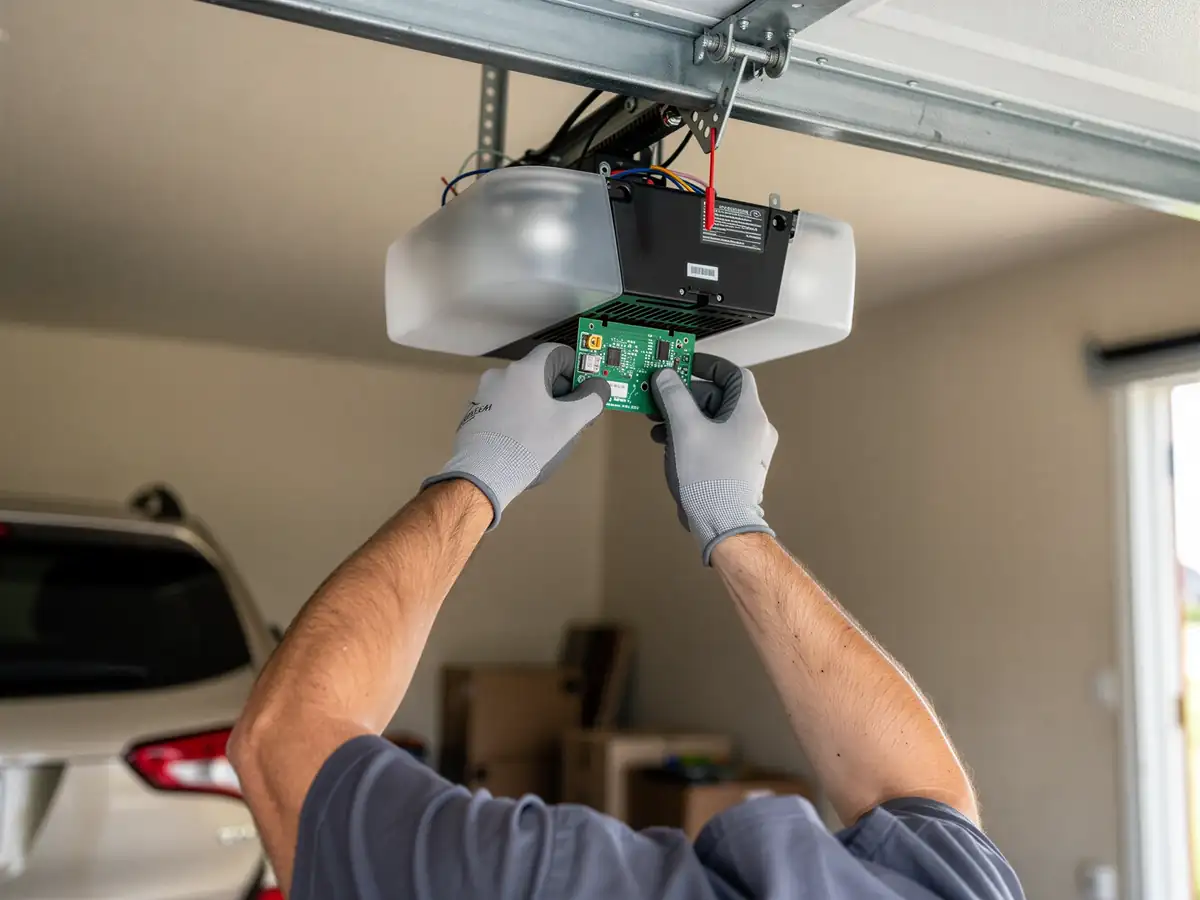
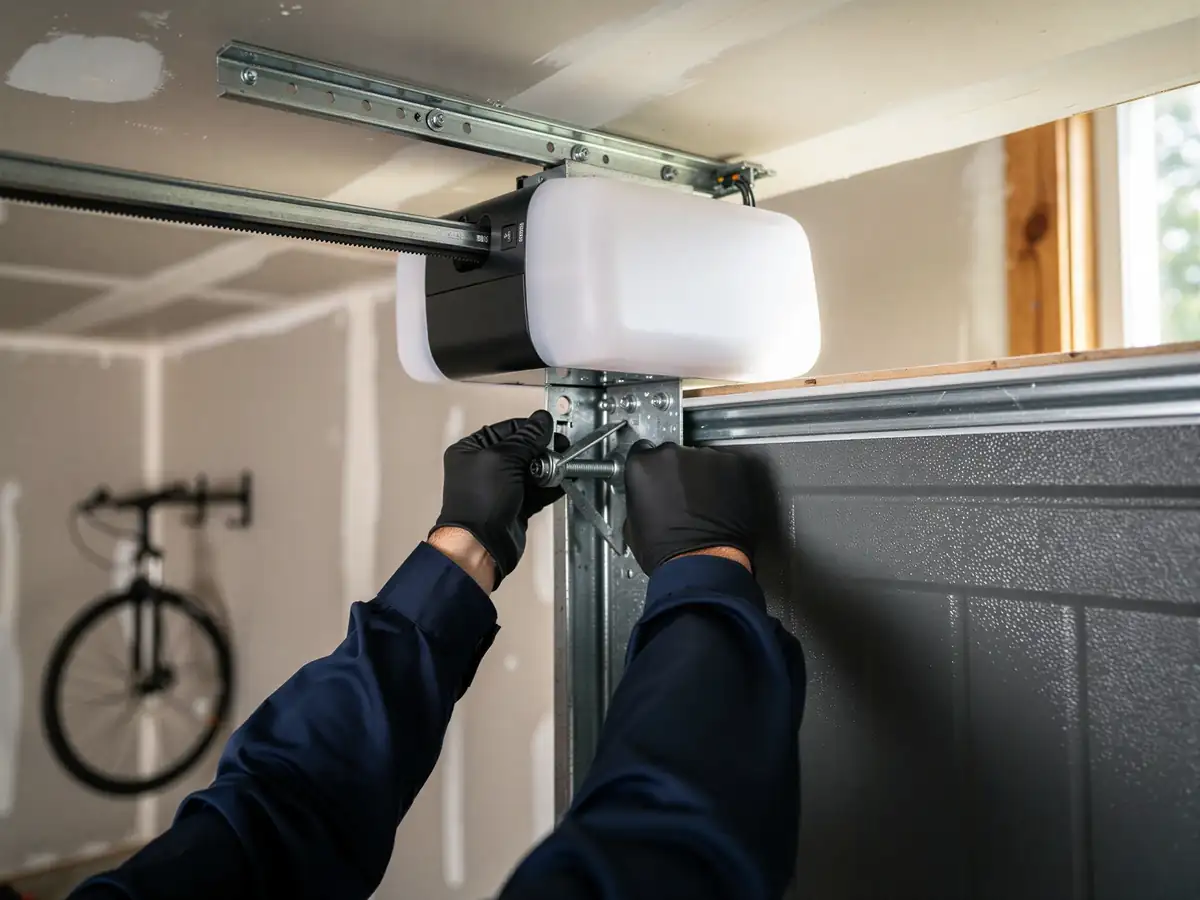
Specifically the plastic drive gear inside the motor housing that builder-spec openers use to keep costs down. Those gears are rated for a certain number of cycles and they strip quietly, so the door starts reversing halfway up or the opener runs but the door doesn't move. We also see a lot of safety-sensor misalignment, since newer subdivisions mean more landscaping work near the sensor brackets, and a bumped sensor eye throws the whole system into a false-obstruction loop.
What you mostly won't find in Holly Ridge
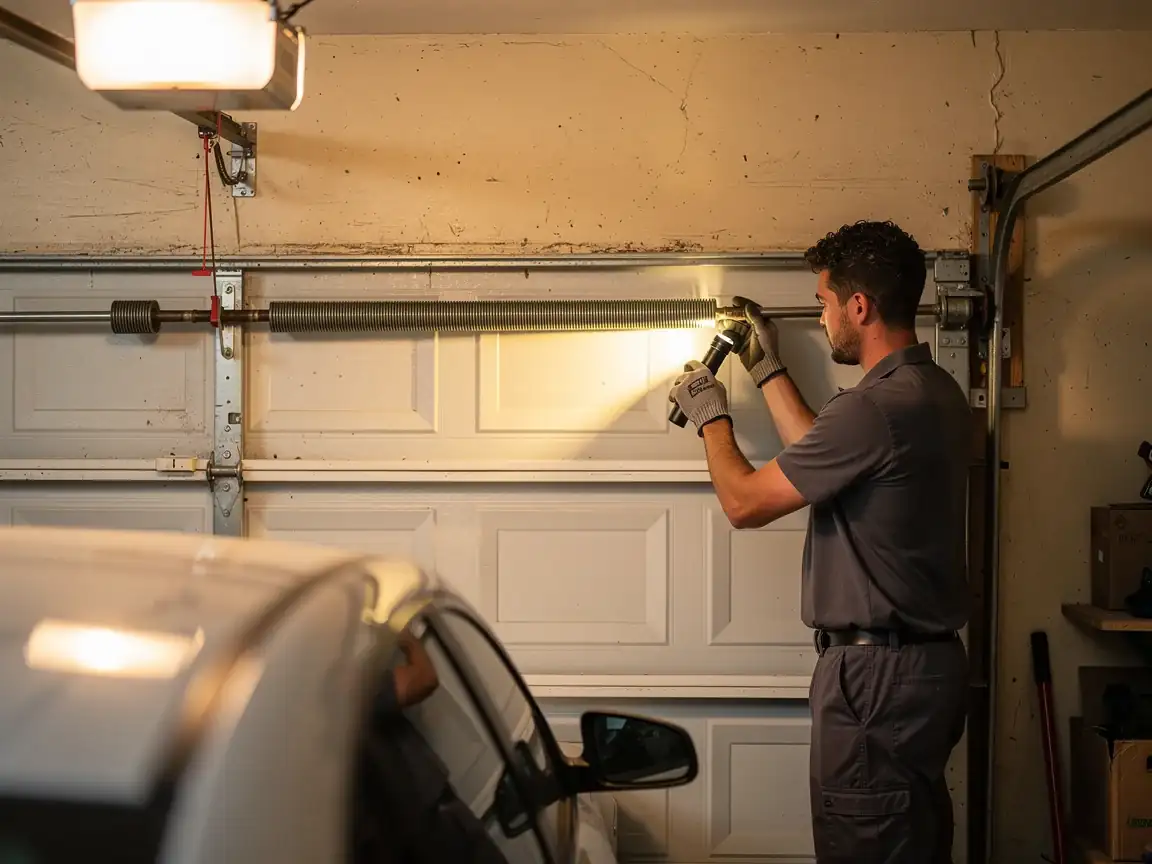
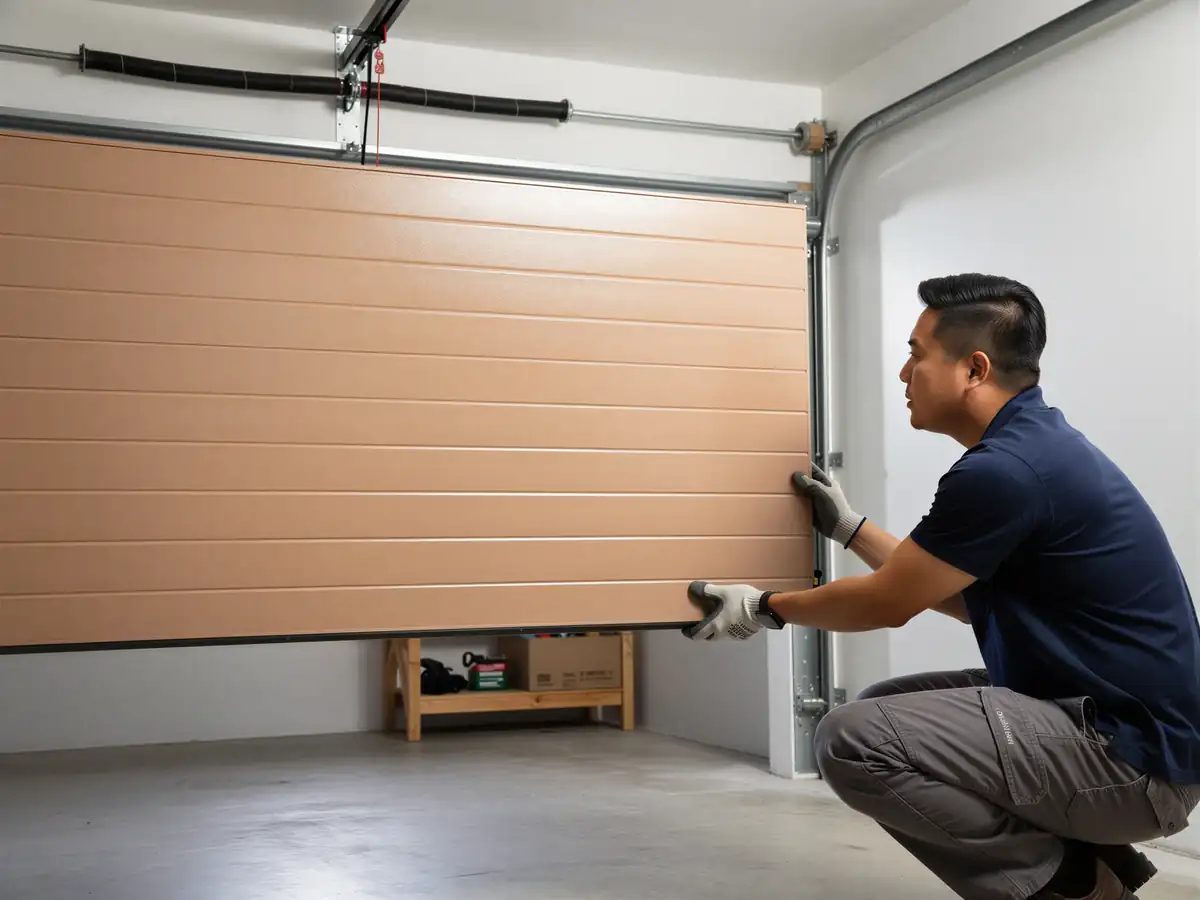
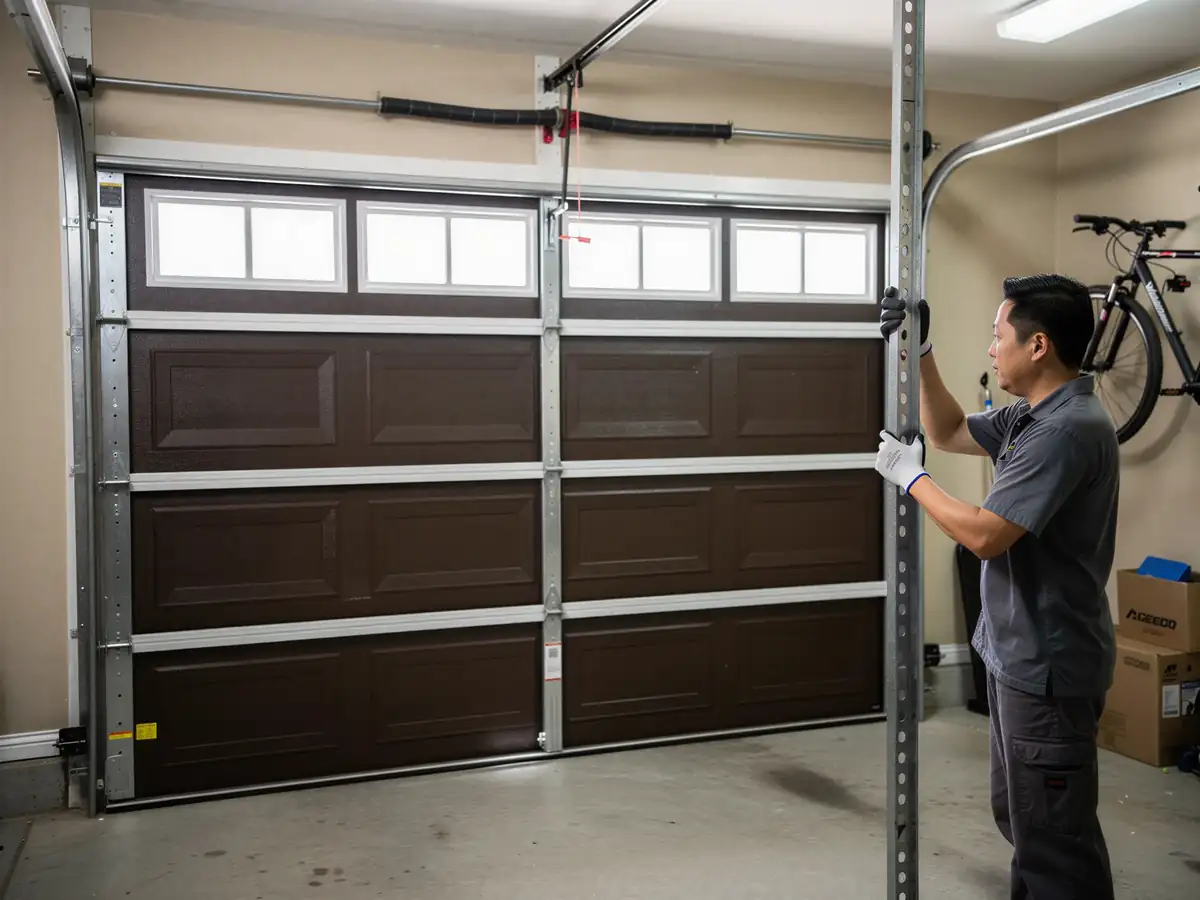
Original torsion springs on their last legs from age, or doors sagging from decades of weather exposure. The housing stock just isn't old enough for that to be the dominant problem yet. We still check springs on every call, but the fault usually starts at the opener head or the sensor wiring, not the spring system. We make the drive from Jacksonville for these calls, about 19 miles out, so a clear description of what the door is doing before we arrive saves time on-site.
- 19 miles
The DIY Question
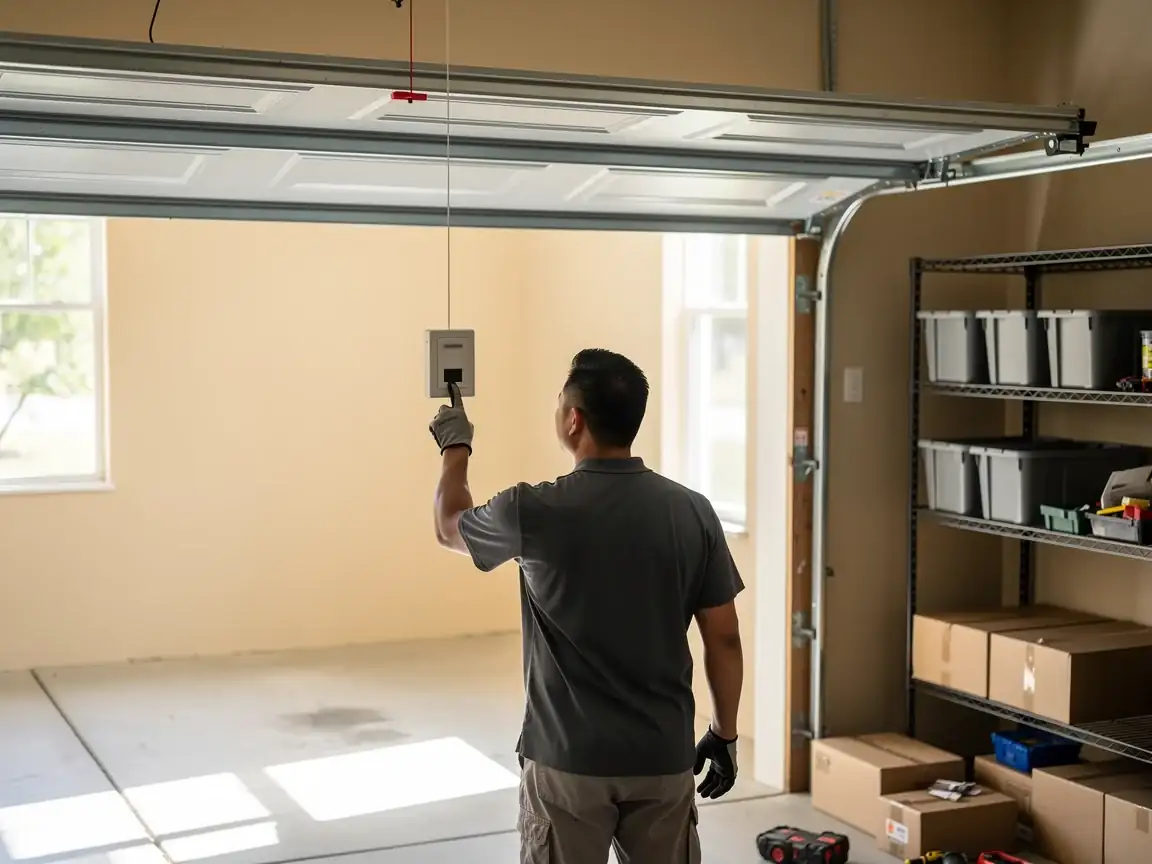
There's a short list of things worth checking yourself before calling anyone. Look at the two safety sensors near the floor on each side of the track - if either light is dim, blinking, or dark, straighten the bracket and clear anything blocking the beam. Check the wall button and the remote battery. If the opener motor runs but the door doesn't budge, look for a disconnected or worn drive gear, which you can sometimes hear as a grinding sound with no corresponding door movement - that's a strong sign of the stripped-gear issue common in these builder-grade units.
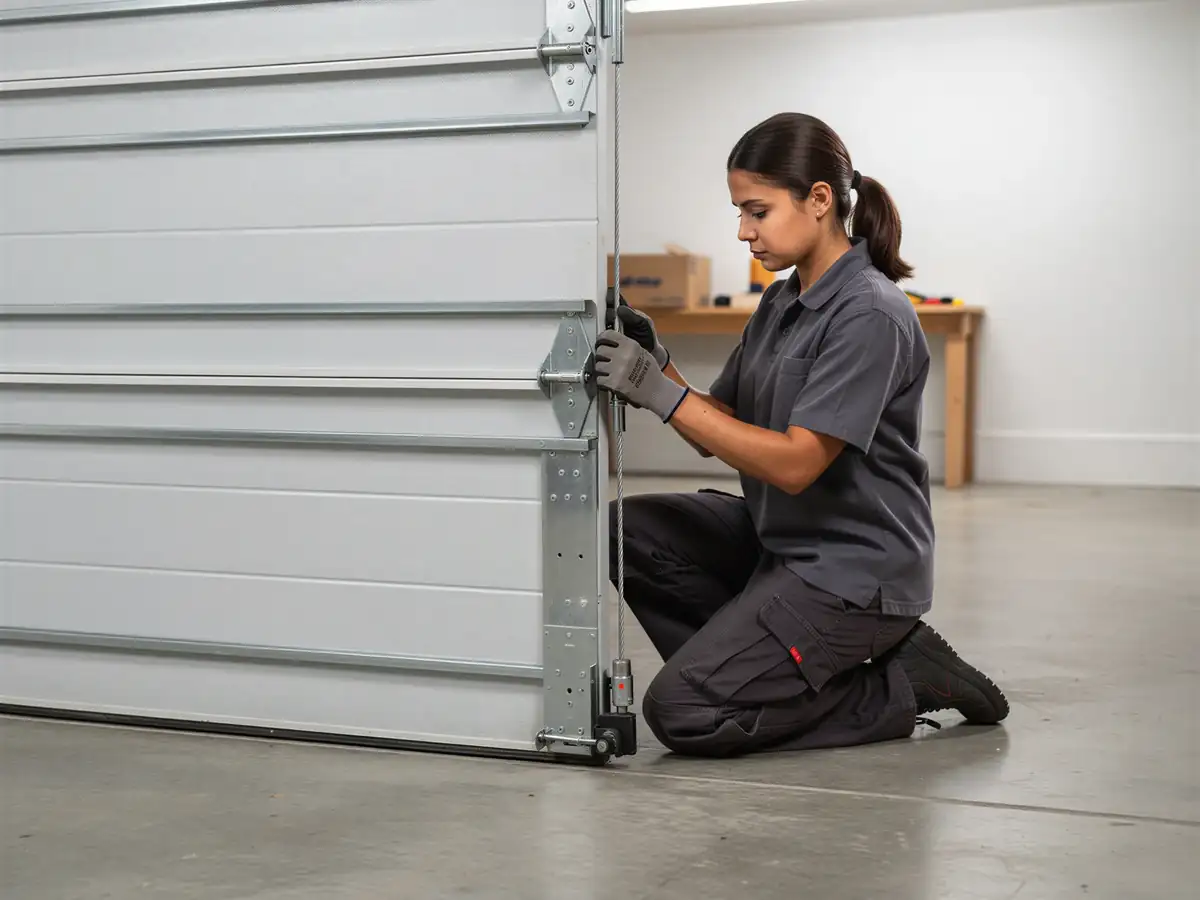
What you shouldn't touch: the torsion spring above the door, or anything involving the cable drums. That's true everywhere, not just here, but it's worth repeating because a spring under tension doesn't care how new your house is.
Honest limitation: if the opener is the original 2013-era builder unit and the main circuit board has failed, we may not carry an exact replacement board on the truck for every discontinued model. In those cases, full opener replacement is often faster and more reliable than hunting down a matching part, and we'll tell you that straight instead of ordering something that may not arrive quickly.
What It Costs
We don't post flat prices here because the opener gear repair, a sensor realignment, and a full opener swap are three very different jobs with different parts involved, and guessing a number before seeing the unit does nobody any favors. What we can tell you is how we think about it for a neighborhood like this one: with median household income in the Holly Ridge area running well above the wider service area, replacement is often a reasonable option rather than a last resort when an opener is past its useful cycle count, instead of chasing a cheaper patch that might fail again in a year.
For older opener models, especially ones original to a 2013-built house, parts availability can affect the repair-versus-replace math too - a ten-year-old motor housing isn't always serviceable with current drive components, and that nudges some jobs toward replacement sooner than the symptom alone would suggest. We'll walk you through the actual numbers for your specific door and opener before any work starts, not after.
What Causes It Around Here
The climate here falls in a moderate-cold band rather than the harsher freeze cycles you'd get further inland
Which is part of why we don't see much spring failure from extreme cold snaps the way colder regions do. What we do see is humidity and temperature swings working on the plastic and rubber components - weatherstripping along the bottom of the door and the gaskets inside opener housings age faster under repeated damp-to-dry cycling than under steady cold.
Because most Holly Ridge homes are part of the same building wave from the 1980s through the early 2010s across this part of the service area
A lot of the openers installed here share the same handful of builder-spec models, which means when one fails from age, we often know exactly which part is going to go next on it. That's useful information when we're troubleshooting over the phone before the truck even leaves Jacksonville.
Track misalignment from minor settling is another factor in newer construction
Slabs and foundations are still shifting slightly in homes under fifteen years old, and a door that binds or rubs on one side often traces back to that rather than to worn-out hardware.