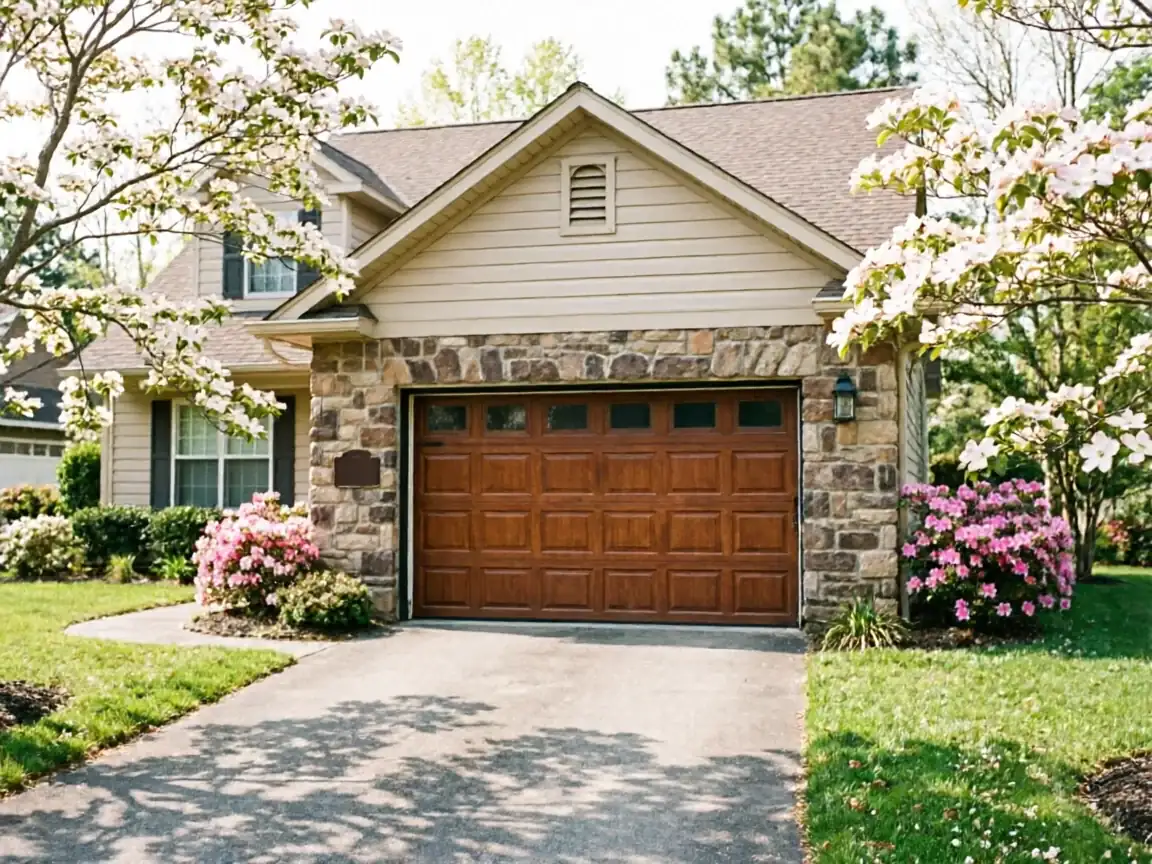
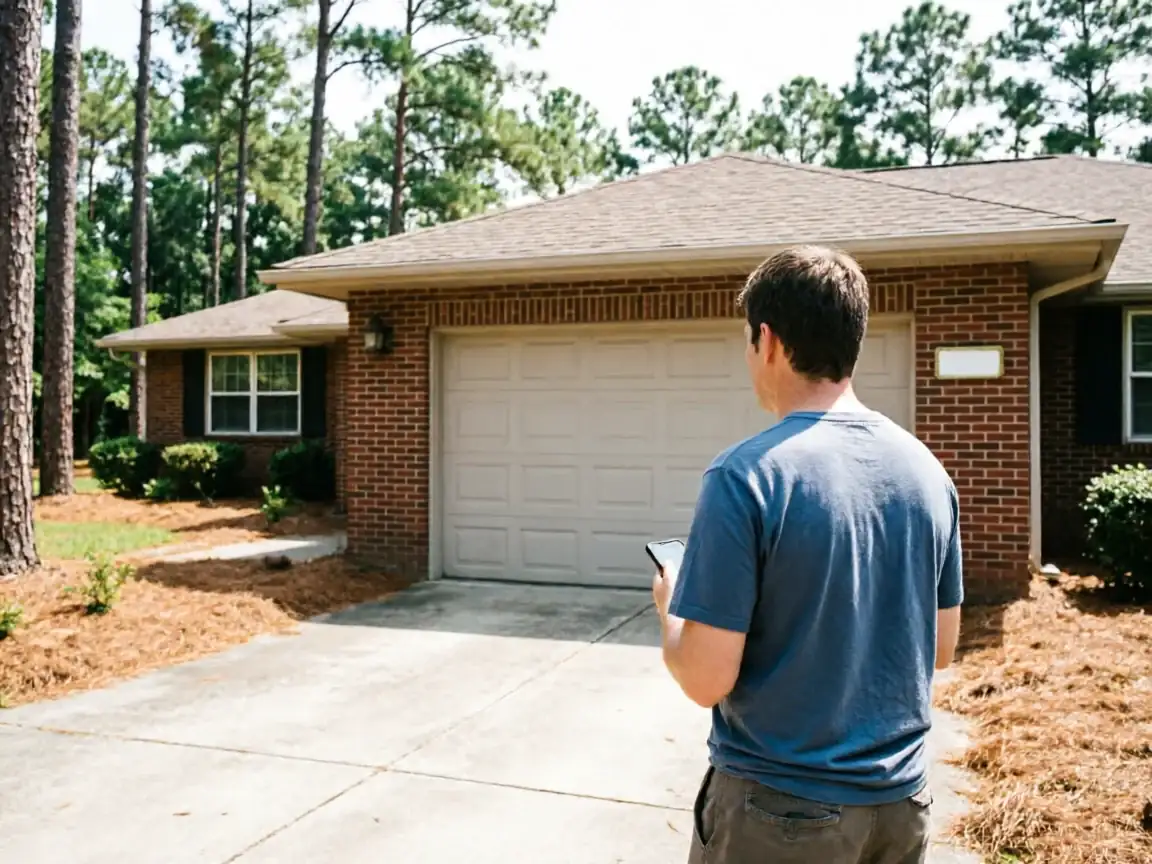
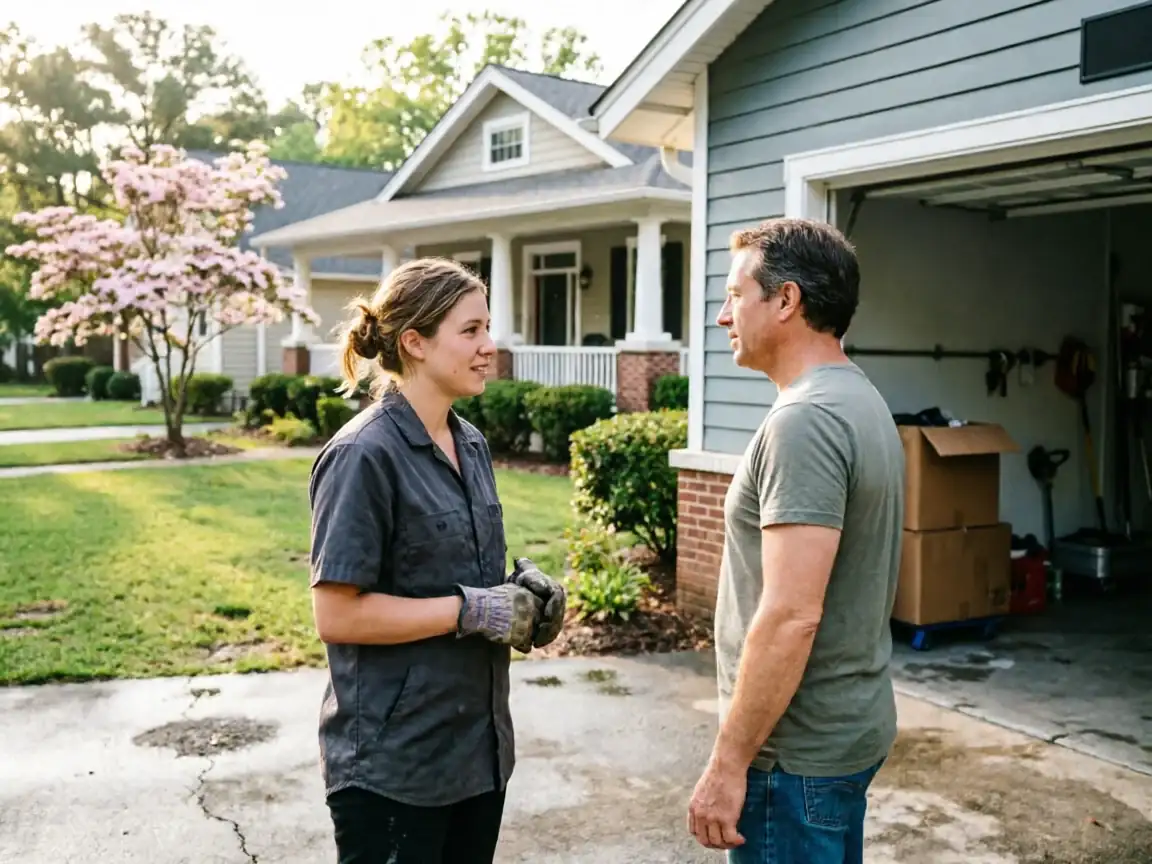
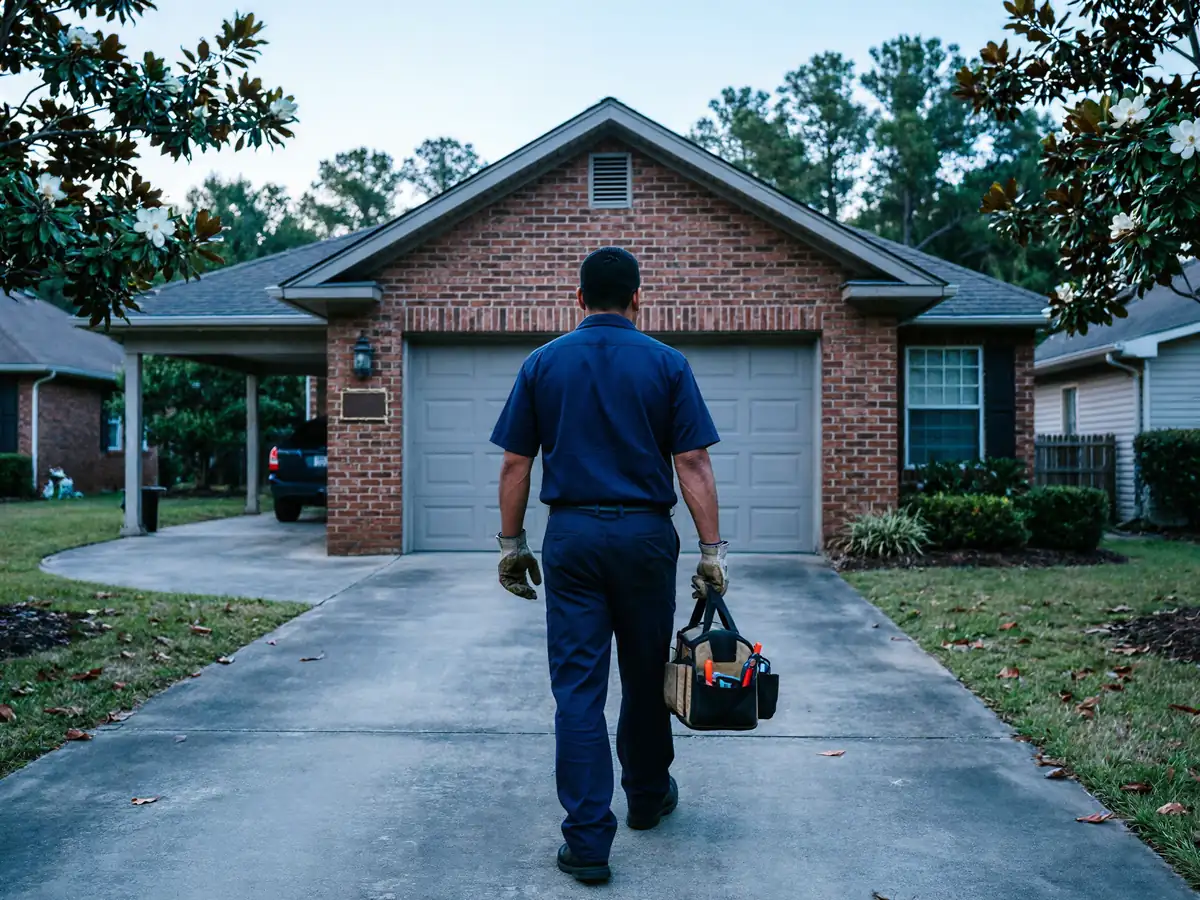
Garage door repair and tune-ups for Holly Ridge, NC homes built mostly after 2000. We come from Jacksonville, 19 miles out, and know what fails first on newer stock.
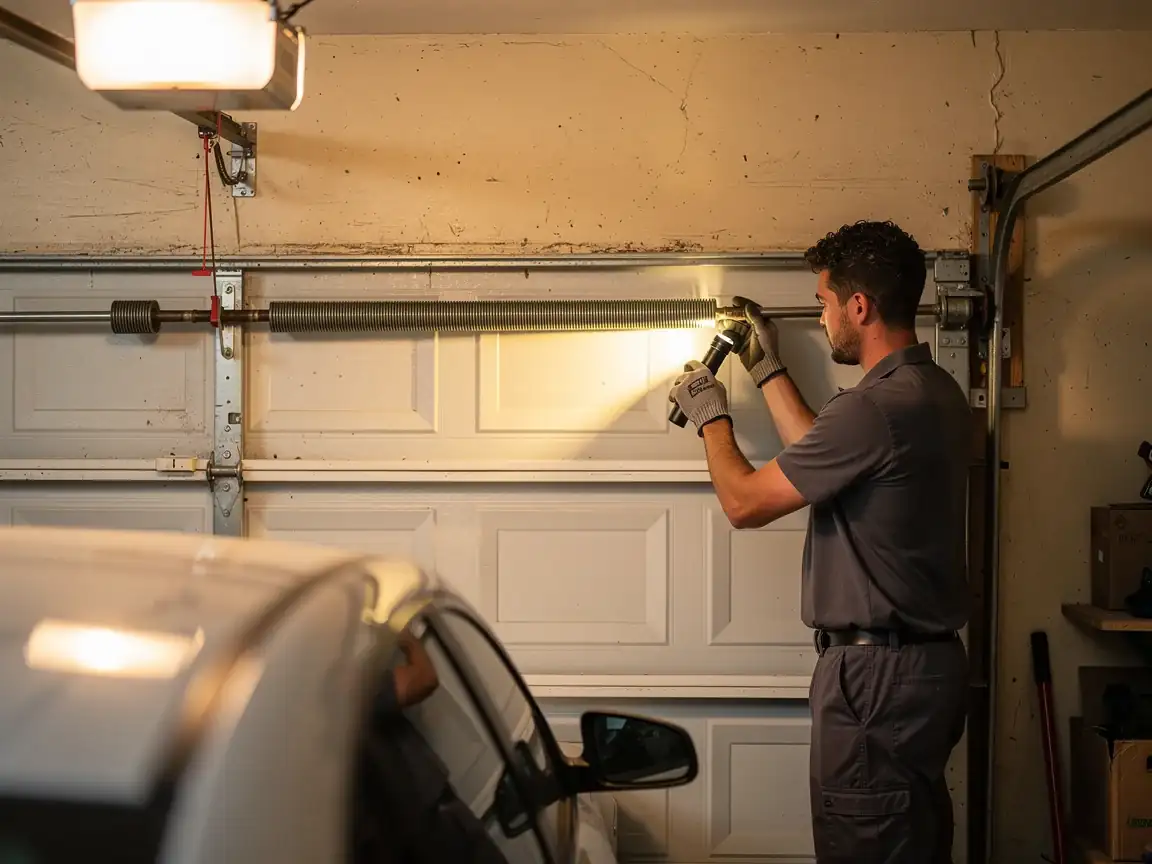
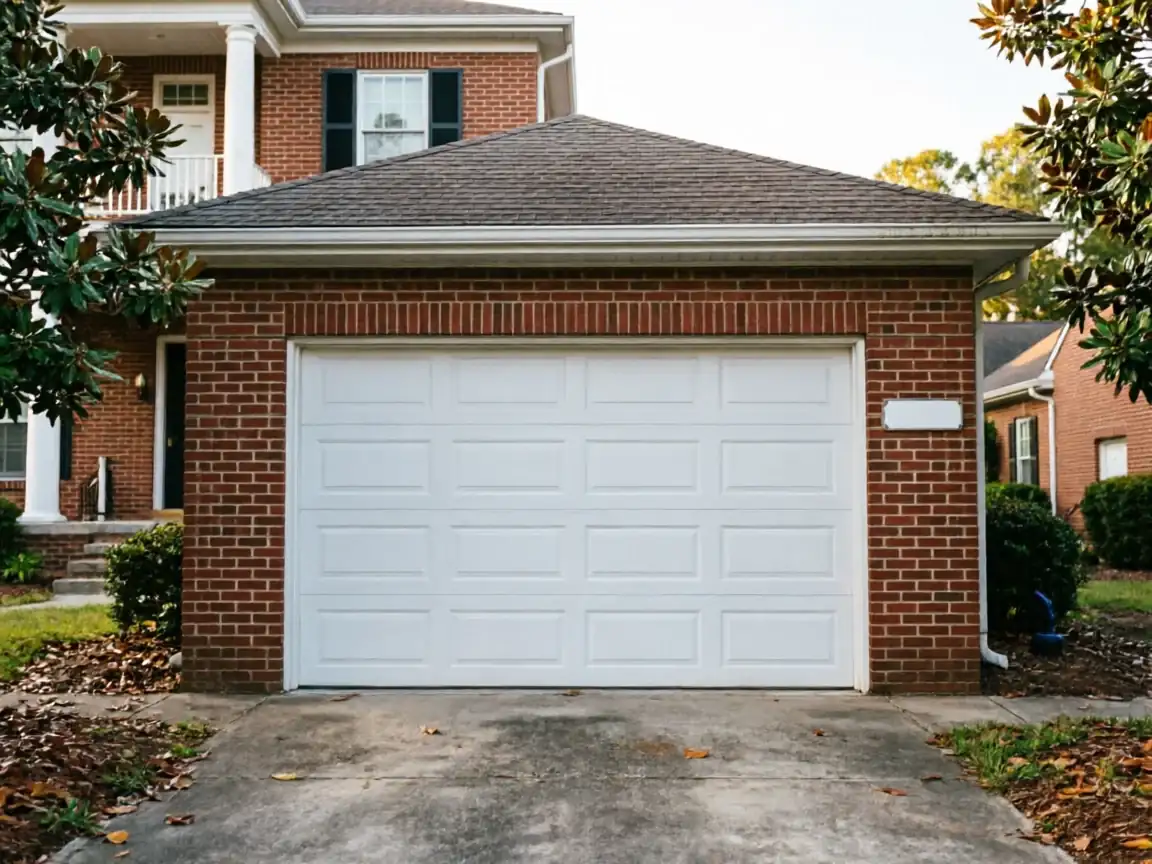
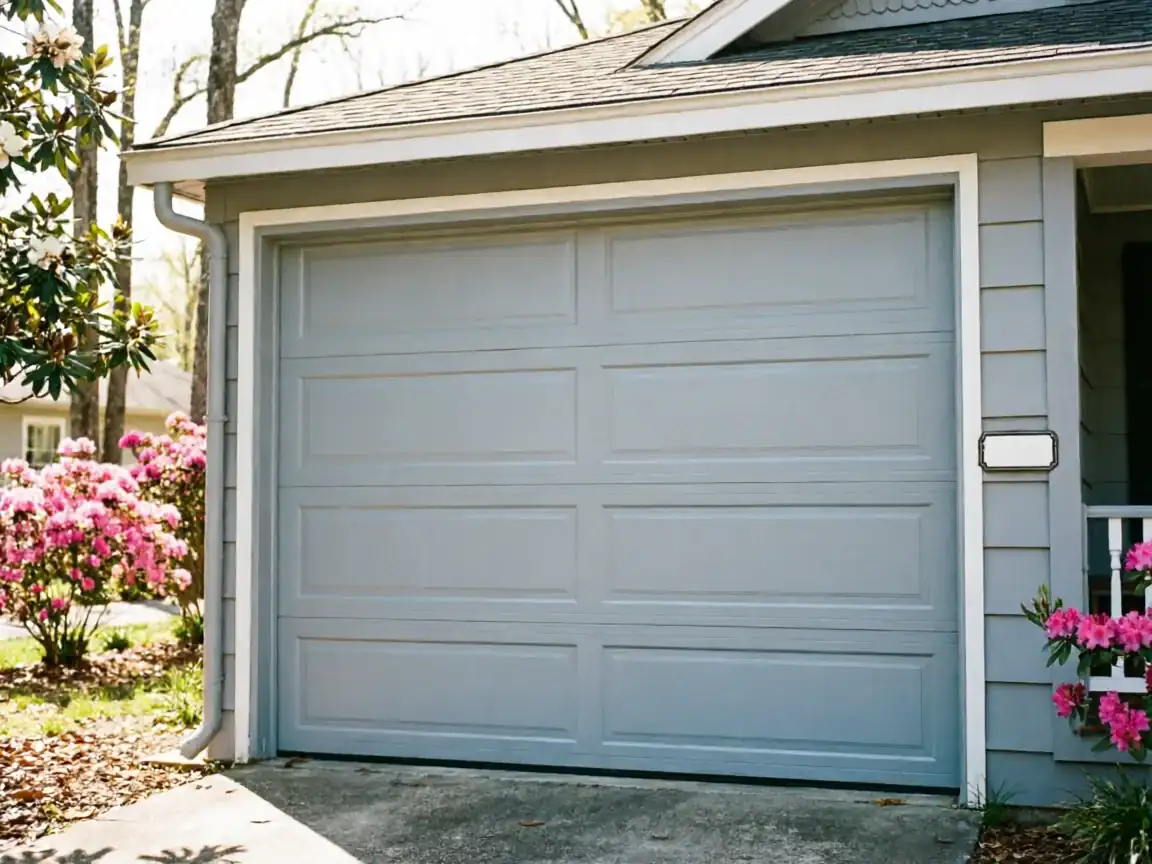
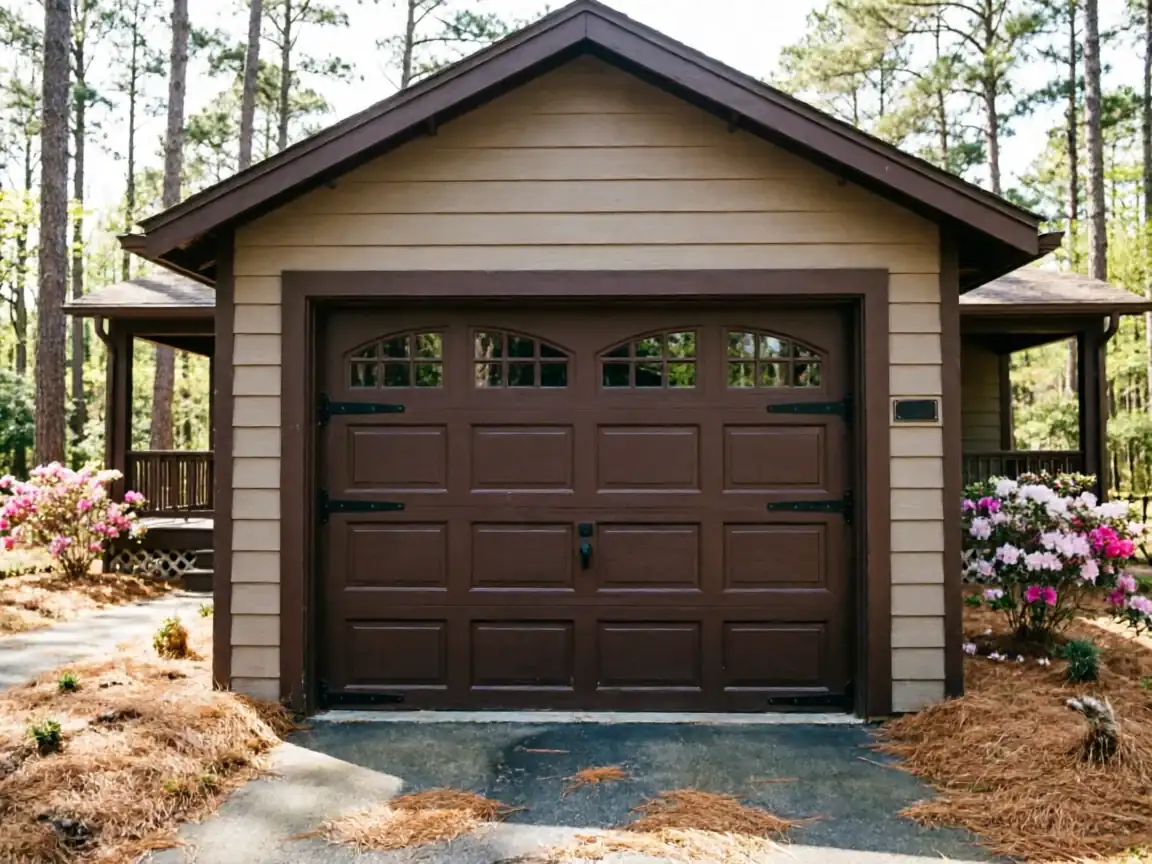
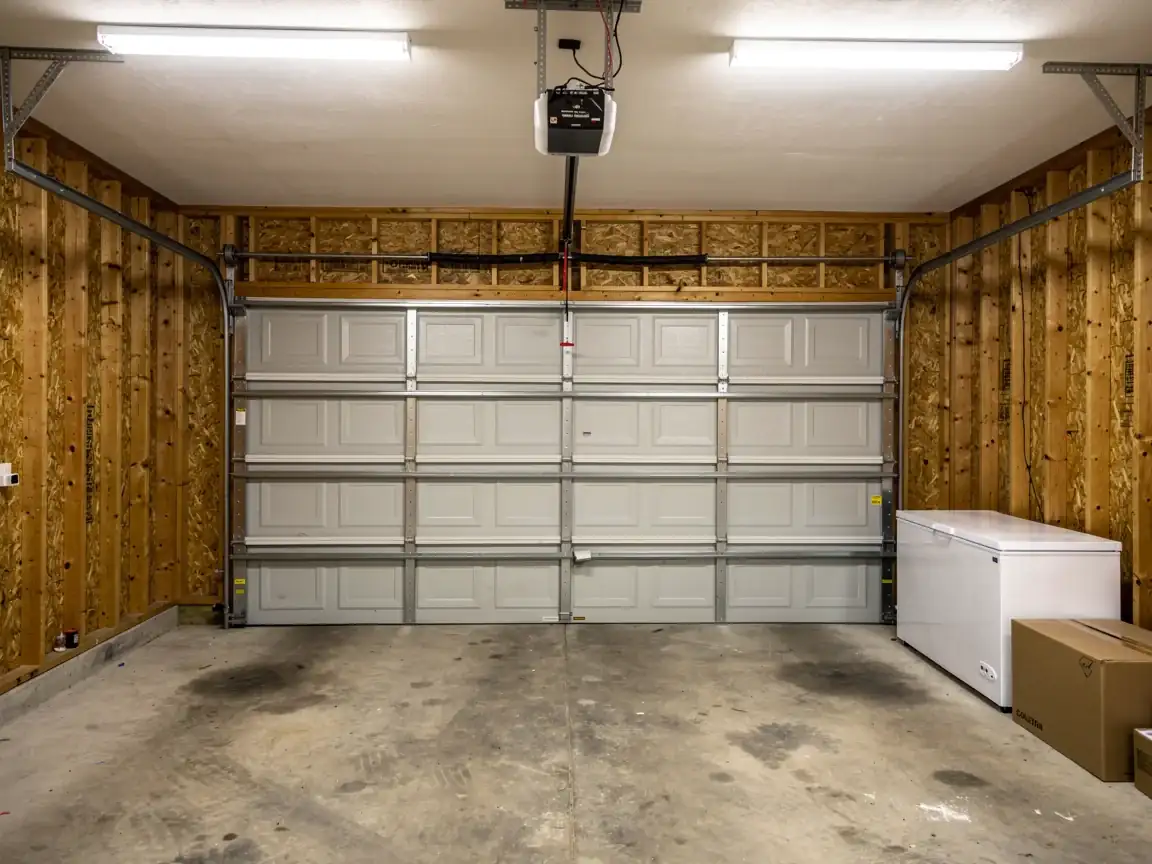
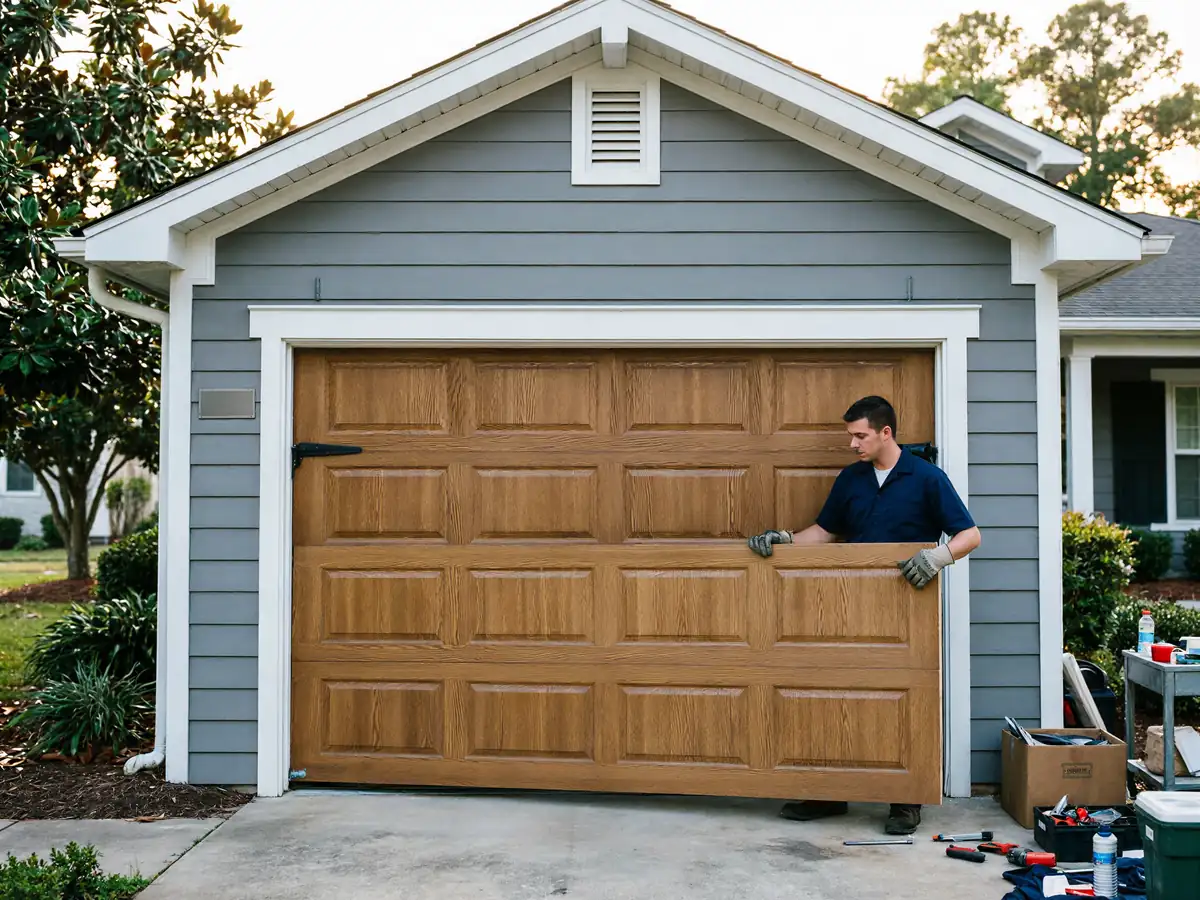
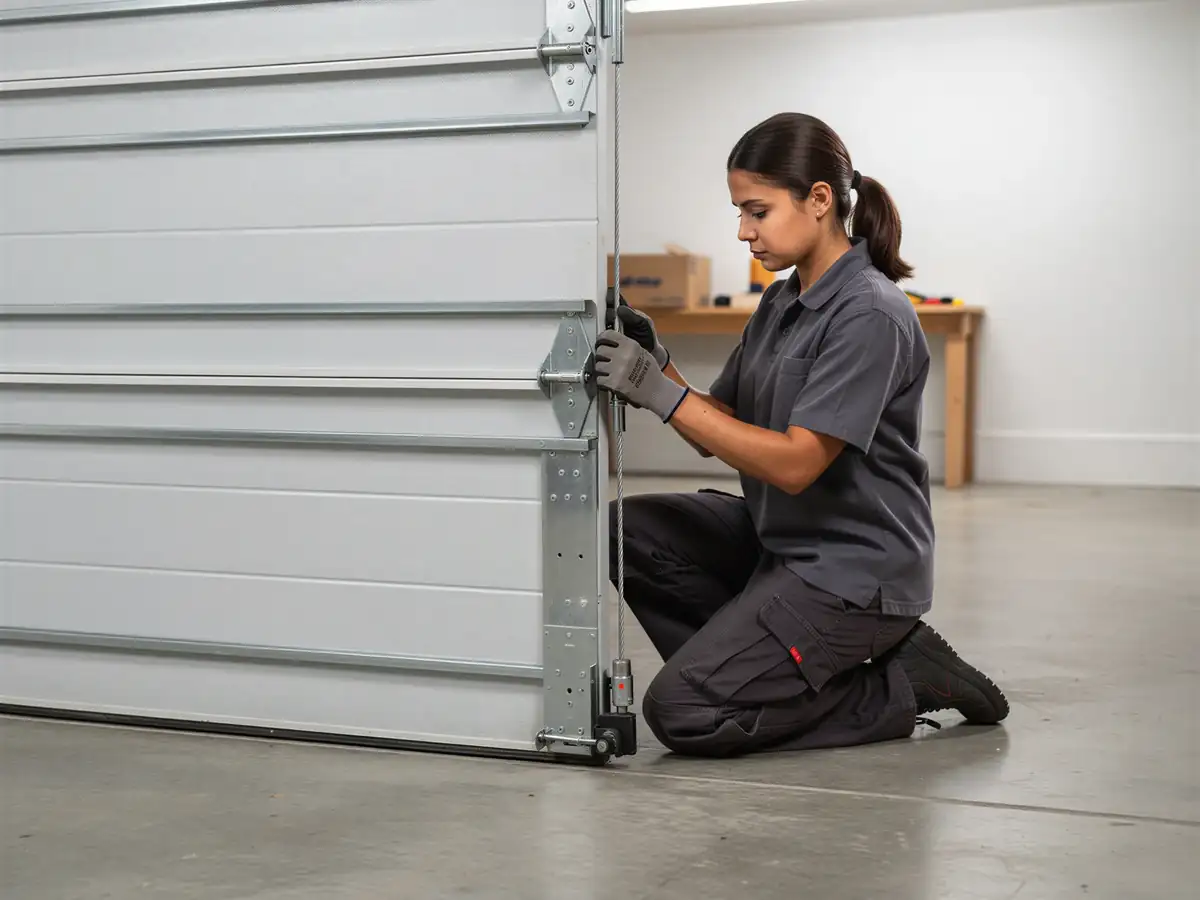
Most of the garage doors we see out in Holly Ridge came in with houses built well after 2000, with a good chunk going up as recently as the early 2010s. That changes what we expect to find versus the older neighborhoods closer to Jacksonville, where doors from the 1980s and 90s are still common. Out here, the spring is often still the one the builder put on, because the house hasn't hit its second spring cycle yet. A torsion spring rated for 7,000 to 10,000 cycles starts to fail right around the 7-to-12-year mark on a door that opens twice a day, which lines up with a lot of Holly Ridge garages right now. The opener logic board and the photo-eye sensors are usually original too - nobody replaces those until they stop working, and a sensor that's slightly out of alignment from a decade of settling will throw intermittent faults that look like something else entirely. The job goes sideways when a homeowner assumes new-ish house means new-ish hardware is fine, and keeps running a door on a spring that's one cold morning away from snapping under load. We check cycle count and spring wear before we touch anything else.
The DIY Question
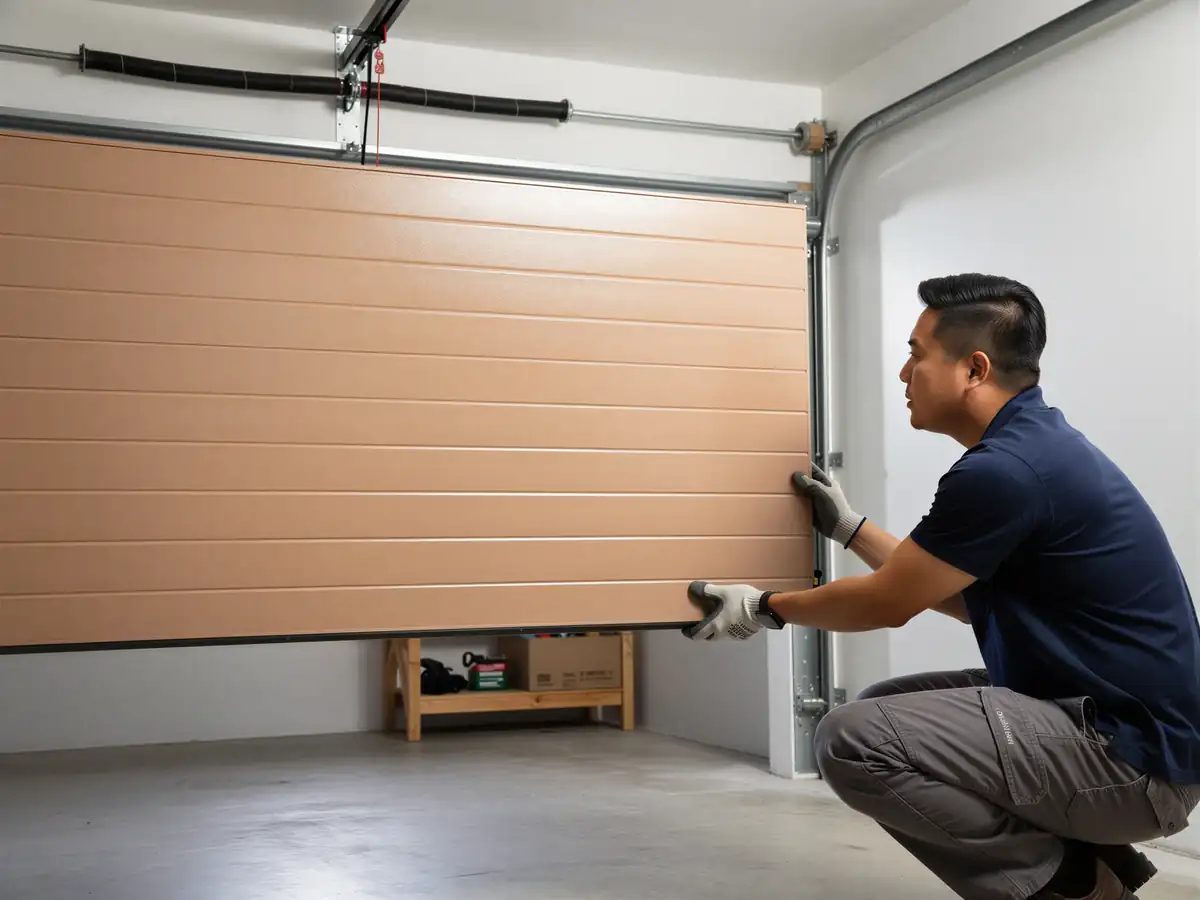
A homeowner in a newer build can safely handle a few things themselves: lubricating hinges and rollers, tightening loose bolts on the track brackets, clearing debris from the photo-eye sensors, and testing the auto-reverse by placing a 2x4 under the door. Those don't require specialty tools and won't hurt anything if done carefully. What we don't recommend touching yourself is the torsion spring or anything on the high-tension side of the system - on a double garage door that spring is under enough force to cause serious injury if it lets go while you're working on it, and that risk doesn't change whether the house is from 1985 or 2013. We also don't recommend reprogramming or rewiring the opener's safety circuit yourself; those systems are there because a door coming down on something or someone is the actual failure mode everyone's trying to prevent. If your door is still within its builder-installed hardware and running fine, routine upkeep is reasonable DIY territory. Once something's grinding, sagging on one side, or the spring looks stretched or gapped, that's a call, not a project.
What It Costs
We don't post flat prices here because spring size, opener model, and what's actually failed change the number, and guessing at a figure for a house we haven't seen does nobody favors. What we can tell you is what drives cost in Holly Ridge specifically: because the housing stock skews newer, we're often replacing original builder-grade springs and openers rather than patching decades-old parts, which usually means fewer surprise compatibility issues than on an older door with mismatched replacement parts from past repairs. That can keep a job simpler and faster to quote once we're on site. We travel from Jacksonville to reach Holly Ridge, about 19 miles out, so get in touch and we'll give you a number based on the actual door, not a guess.
What Causes It Around Here
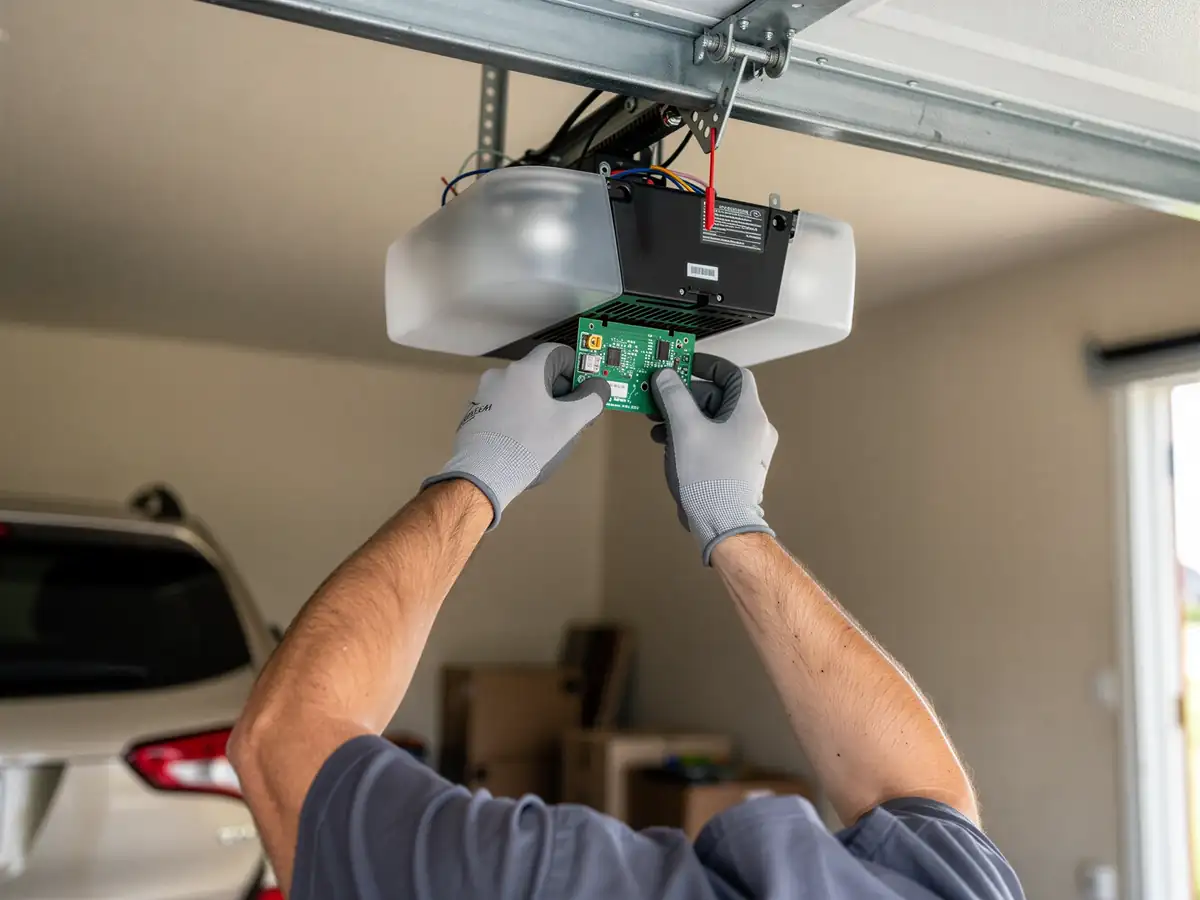
The coastal climate here runs cold-moderate rather than the harsher freeze-thaw cycles you'd see further inland, but humidity and salt air still take a toll on unprotected hardware - galvanized coating on springs and tracks holds up, but exposed fasteners and non-coated cable ends corrode faster than they would in a drier climate. On the newer builds common in Holly Ridge, the more frequent failure point is actually the opener itself: builder-installed units are often a baseline model, and after a decade of coastal humidity the circuit board or the motor capacitor is usually what gives out first, not the door panels. We also see springs that were undersized for the door weight at installation, which shows up as an opener straining or the door feeling heavy to lift by hand well before the warranty-era parts would normally wear out. One honest limit: if a part needs to be special-ordered for an older opener model, that can add a few days to the job - we'll tell you upfront if that's the case rather than guess at a timeline.
How it works
From “it’s stuck” to “it’s fixed”
01
Tell us what’s wrong
Describe the symptom - won’t open, loud bang, opener runs but the door won’t move.
02
On-site diagnosis
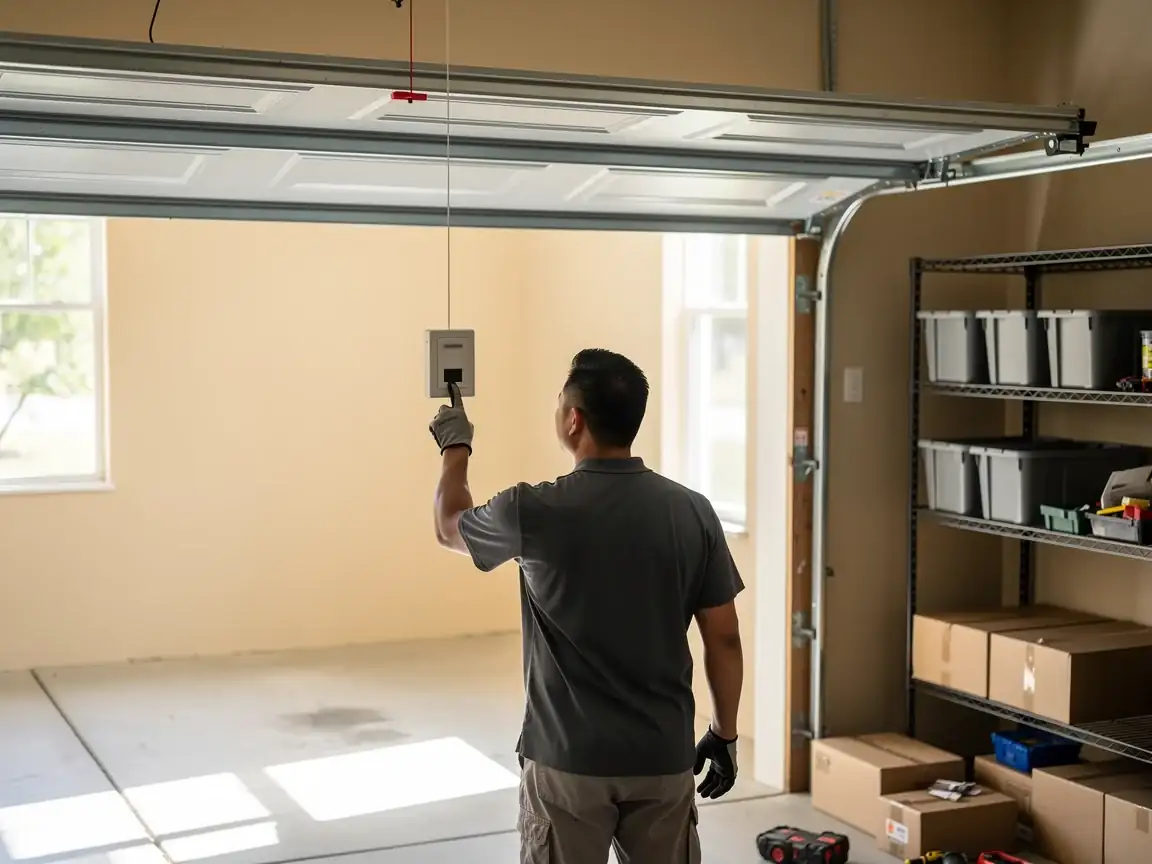
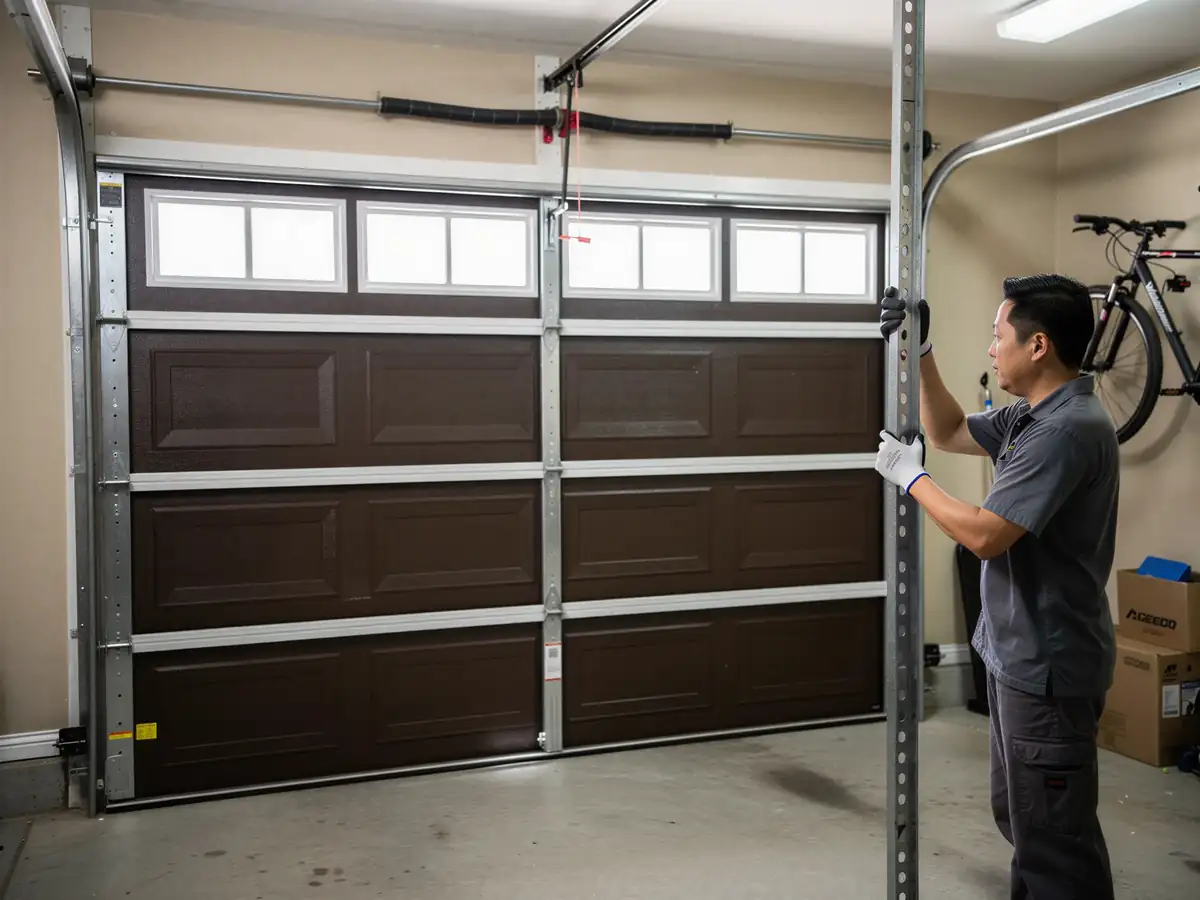
A technician tests the door under power and by hand and finds what actually failed.
03
Clear, up-front plan
You get the fix that’s needed and what drives the cost - before any work starts.
04
Repaired & tested
The repair is done, the door is set true and tested, and the work area left clean.
Not sure which repair your door needs in Jacksonville, NC? Describe what it’s doing - every job starts with a diagnosis.
Is my garage door hardware still original if my house was built around 2010?
Probably, yes. Most homeowners don't touch the spring, opener, or sensors unless something breaks, so if your Holly Ridge house went up in the 2000s or early 2010s, there's a good chance the original spring is nearing the end of its rated cycle life right now.
Do you have a branch in Holly Ridge?
No, we run out of Jacksonville and travel to Holly Ridge for service calls, about 19 miles. We don't keep a local depot here, so quote and scheduling happens the same way as any call outside Jacksonville proper.
Why is my opener failing but the door itself still looks fine?
On newer-build homes like a lot of what's in Holly Ridge, the opener's circuit board and motor often wear out before the door hardware does, especially with coastal humidity in the mix. The door panels and track can look brand new while the opener's electronics are the actual problem.
Ready to get your garage door sorted?
Tell us what it’s doing and where you are in Jacksonville - we’ll take it from there.