Parts We Carry
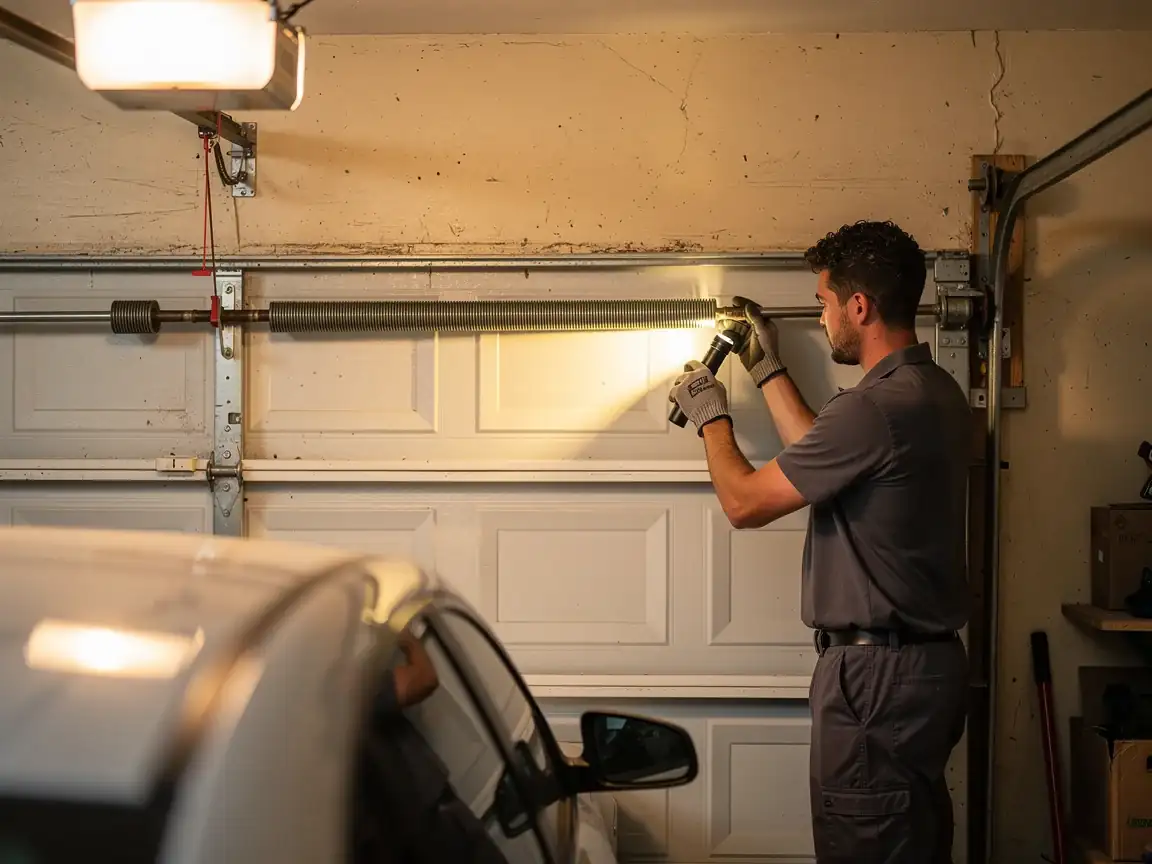
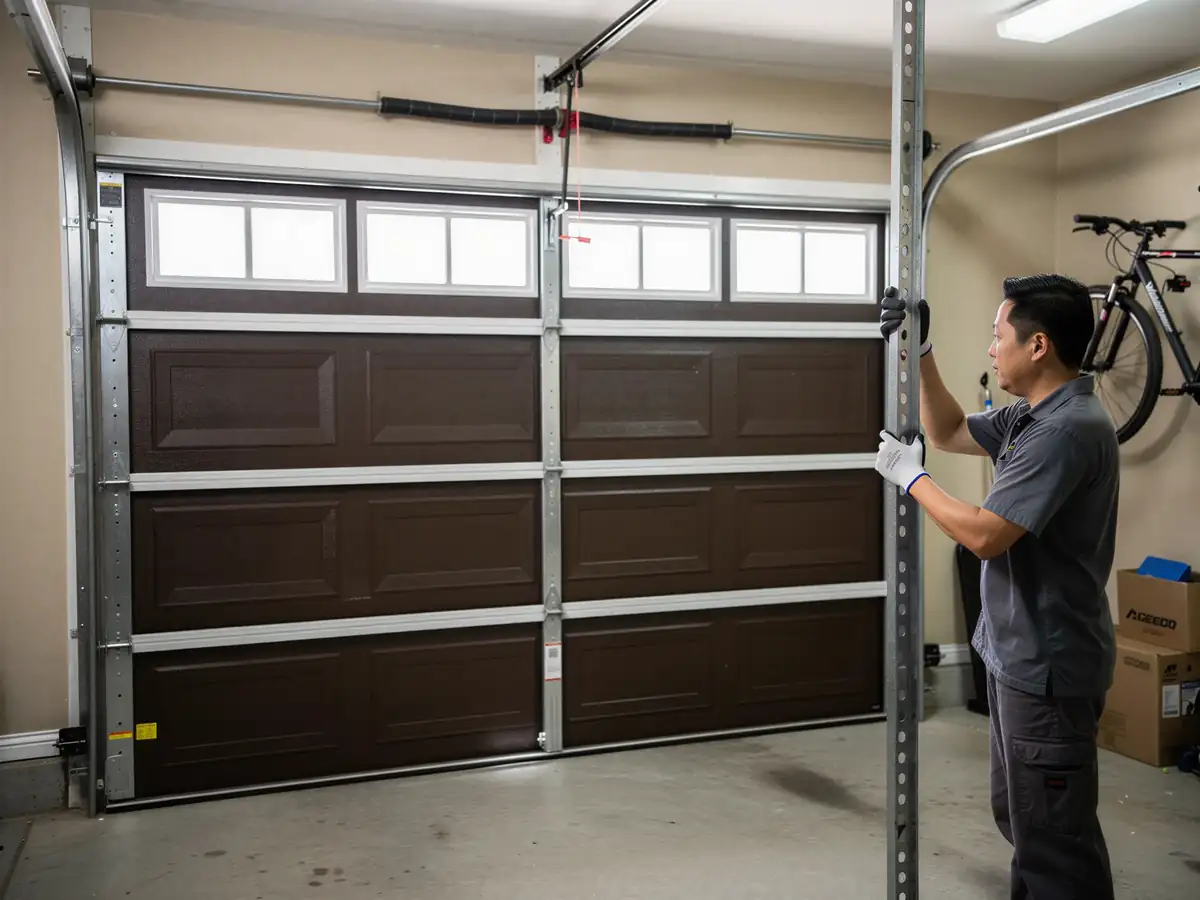
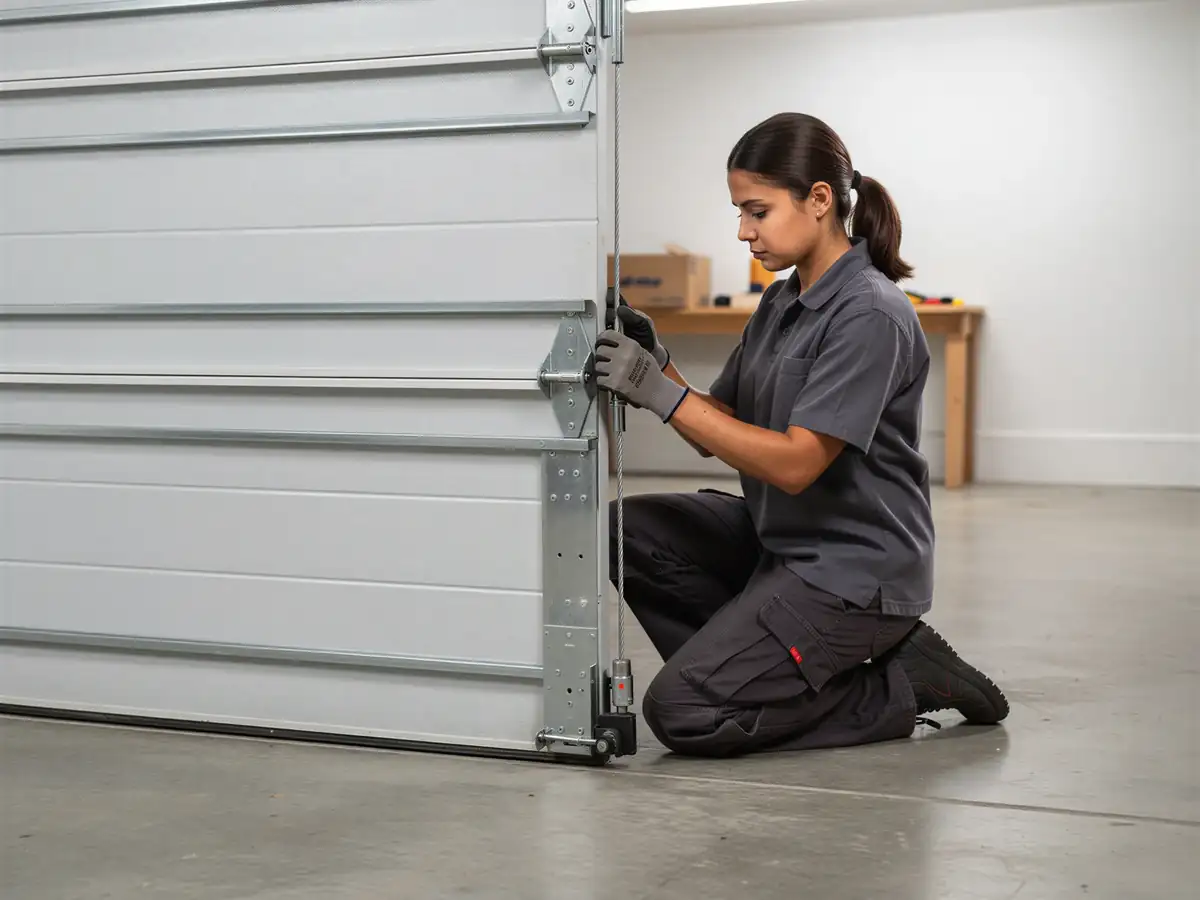
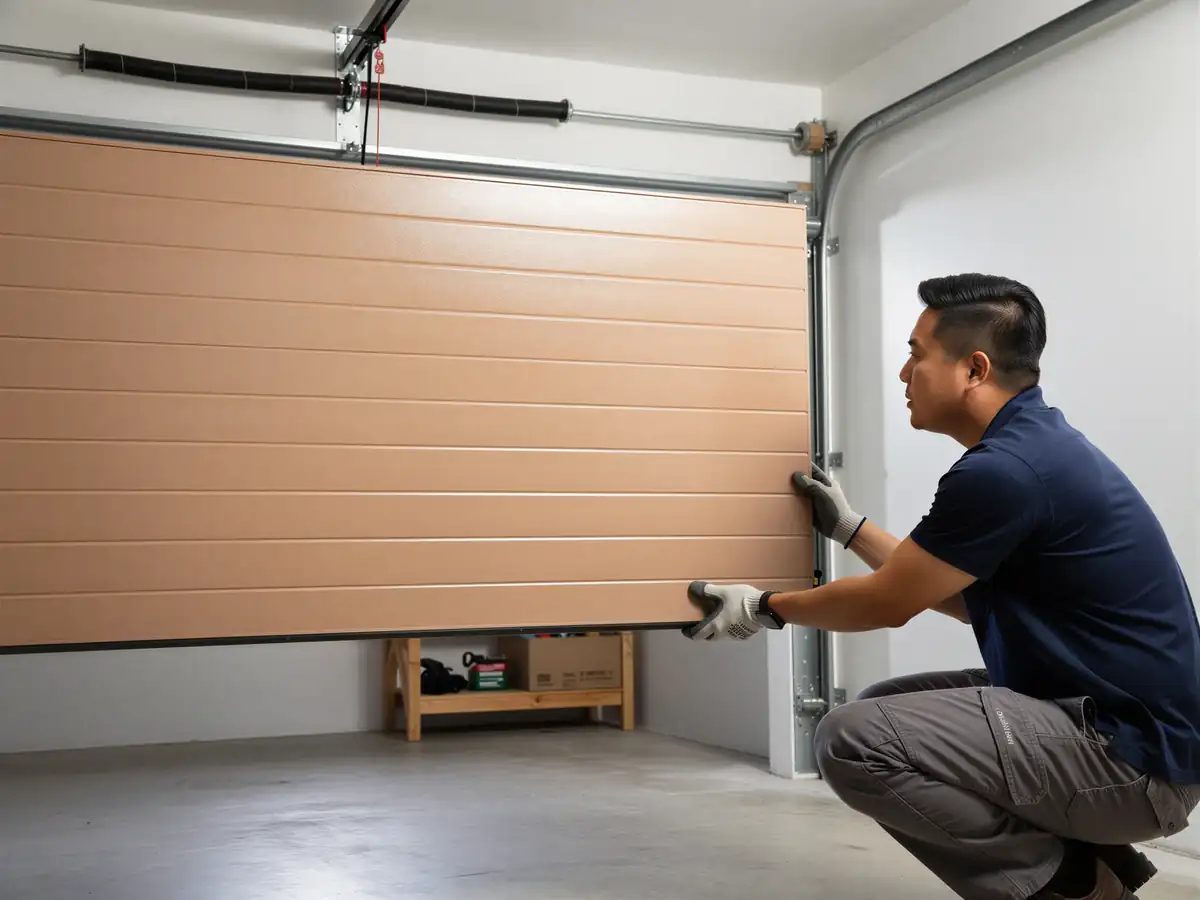
On a door built around 1980, the parts that fail first are usually the torsion spring, the end bearings, and the steel rollers - all of them metal-on-metal components that have had four decades to wear down or rust. We stock standard torsion springs sized for residential double and single doors, along with nylon rollers to replace the original steel ones, which tend to be the noisiest part of an older door by the time we get the call. Weatherstripping is another common swap here - the cold-moderate climate this area sits in means freeze-thaw cycles work on rubber seals every winter, and a cracked bottom seal lets in more than just cold air. We also carry standard cable and hinge sets sized to fit the track widths common on homes from this era. What we don't stock is anything proprietary to a specific opener brand's older gearbox assemblies - those often have to be special-ordered, and we'll tell you upfront if that's the case rather than let a job sit half-finished.
How to Book
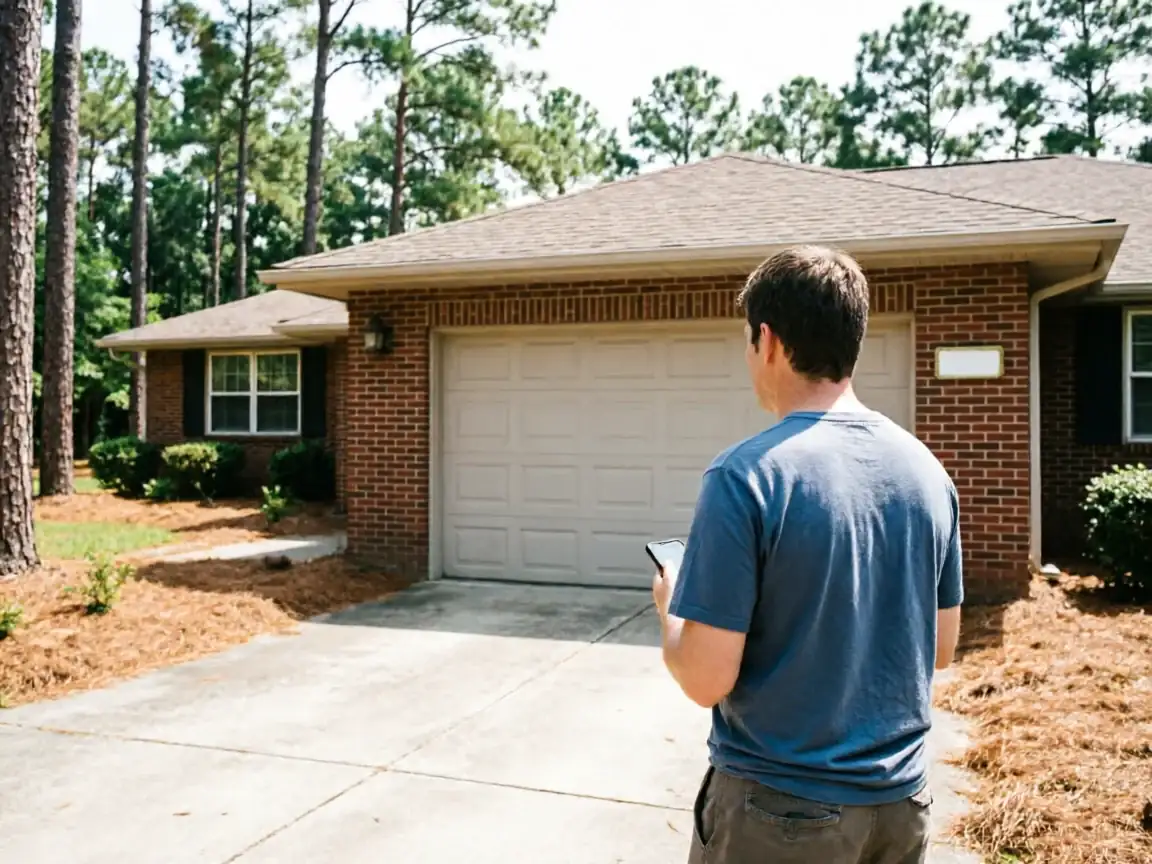
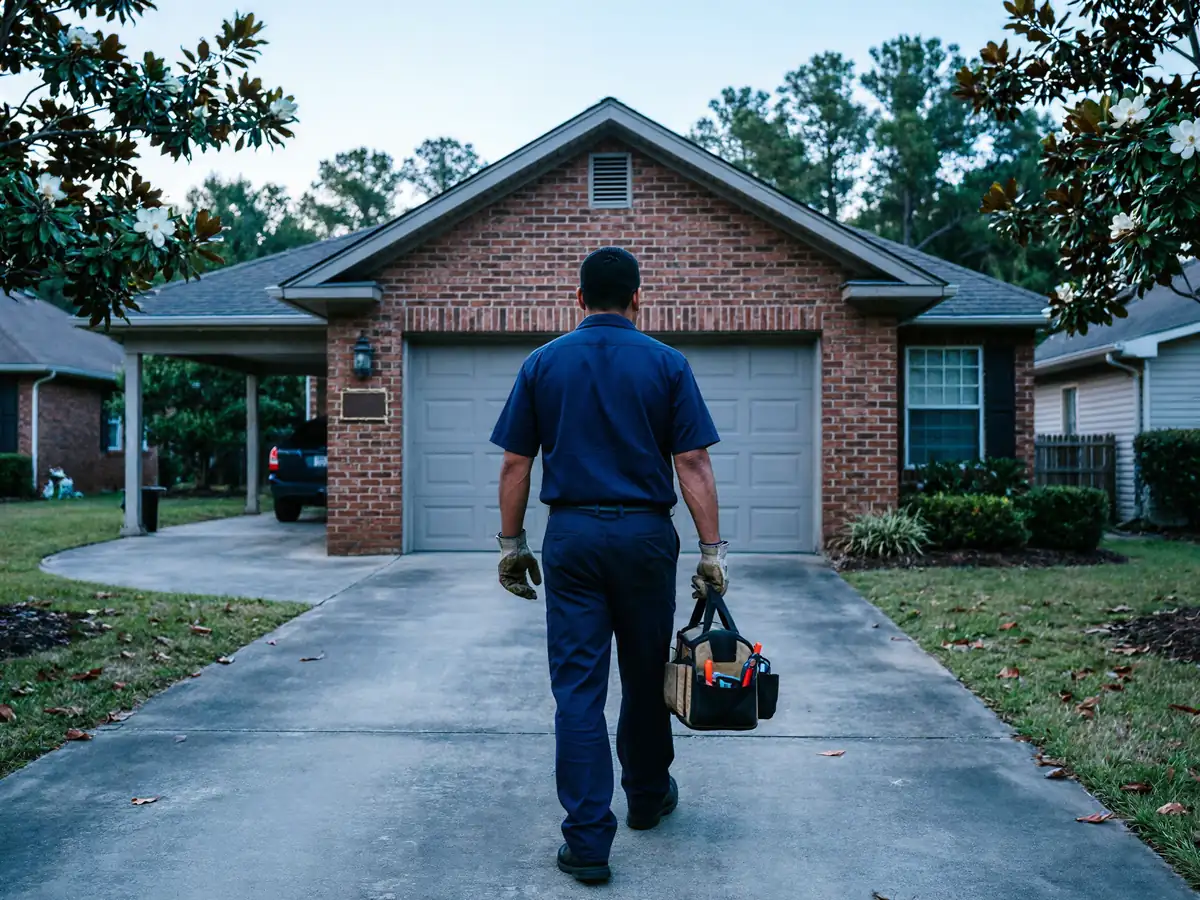
We run out of Jacksonville and cover Pumpkin Center as part of our regular route - it's about 4 miles out, so getting a truck to your door isn't the issue. Call our Jacksonville number, tell us the door's age and what it's doing (grinding, sagging, slow to close), and we'll get you on the schedule. If you know your door dates to around 1980, like a lot of homes out this way, mention that too - it tells us what hardware to bring instead of guessing on-site. We don't maintain a separate branch or drop-off point in Pumpkin Center itself; every job here starts with a truck leaving Jacksonville, so booking ahead instead of expecting a same-day walk-in works better for everyone. For full repair work beyond a tune-up, see our Pumpkin Center repair page below.
The DIY Question
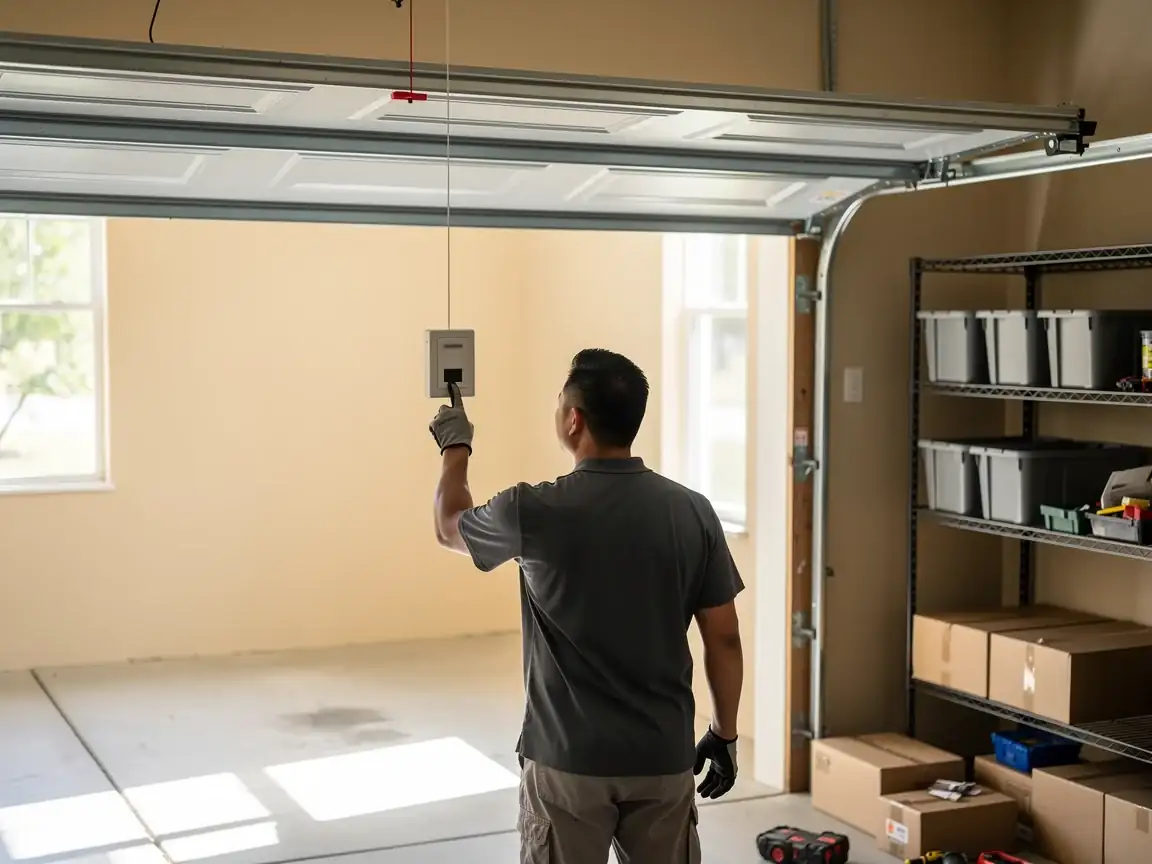
Lubricating hinges and rollers with a garage-door-specific spray, and wiping down tracks, is something any homeowner can do every few months, and it's worth doing between our visits. What we don't recommend you touch is the torsion spring - the ones common on doors from this era store enough tension to cause a serious injury if the winding cone slips, and that's true whether the door is brand new or pushing 45 years old. Checking the auto-reverse safety feature is also worth doing yourself: place a block of wood in the door's path and make sure it reverses on contact. If it doesn't, that's not a maintenance issue, that's a safety call. For anything involving the spring, cables, or the bottom bracket on an older door, it's worth having someone look at it who knows what four decades of Carolina winters does to galvanized steel.