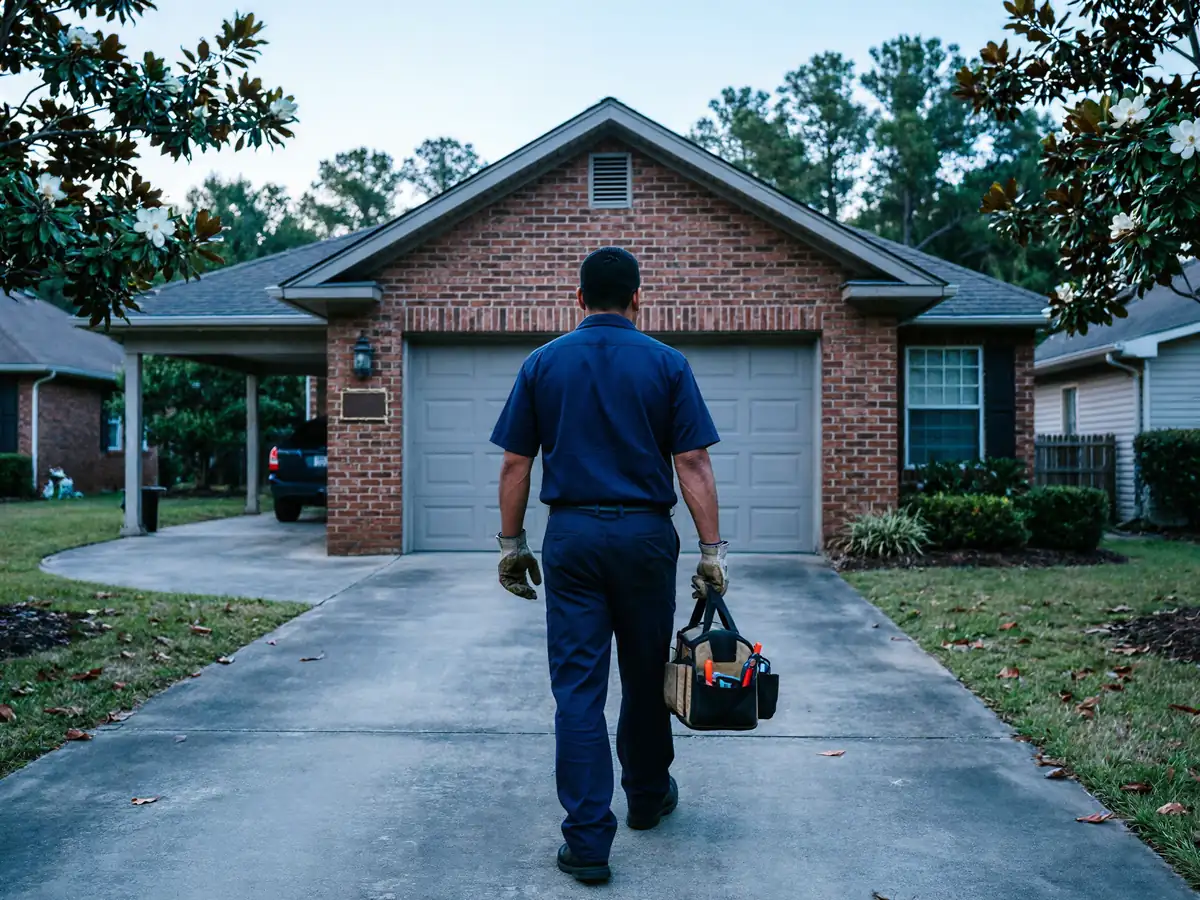
Parts We Carry
Most of the trouble calls we get out this way involve doors and openers from the same stretch of years
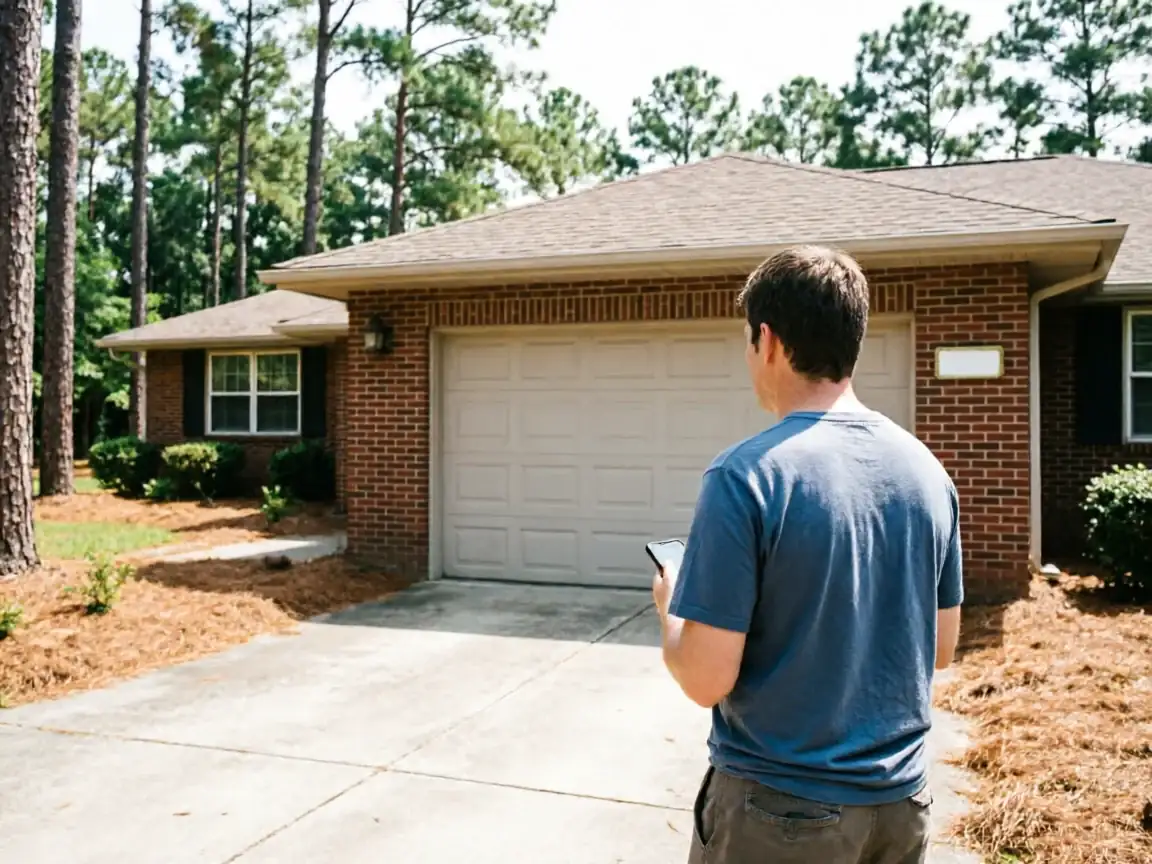
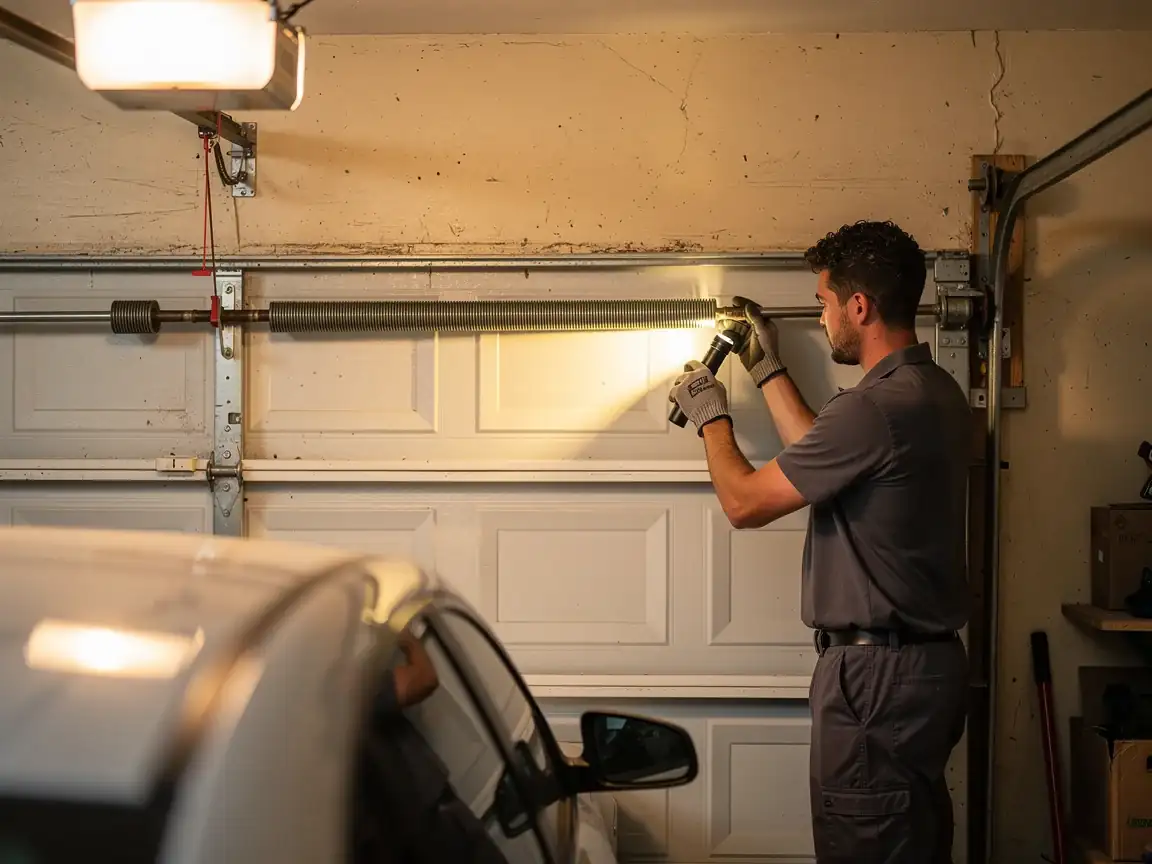
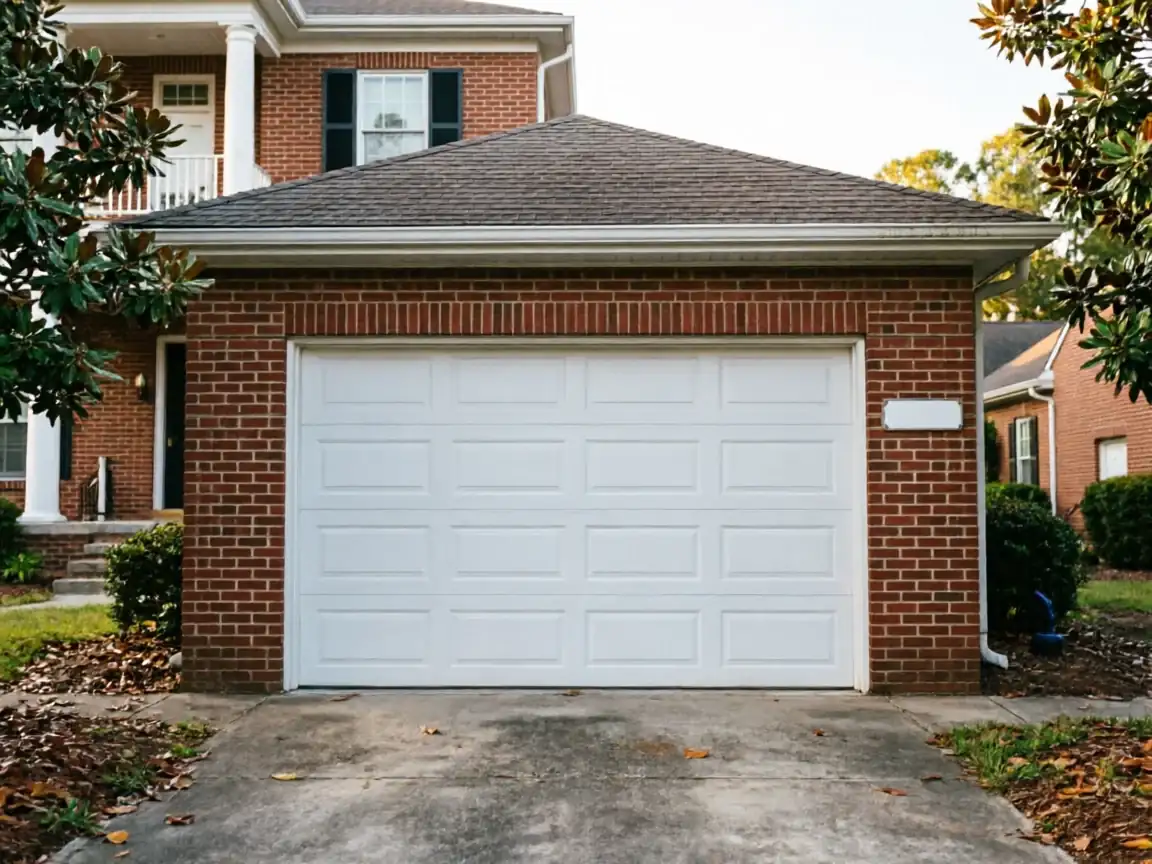
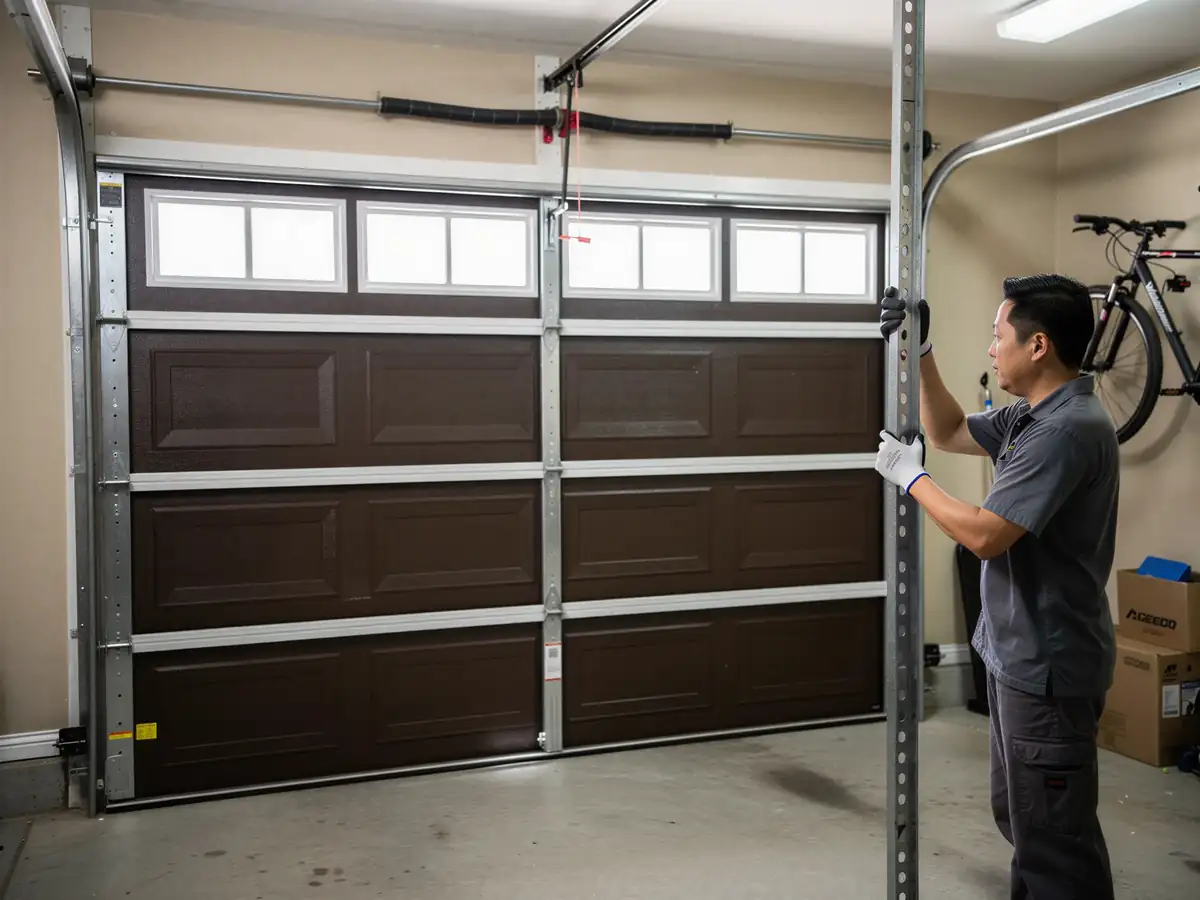
Houses here were mostly built around 1987, which puts the original garage door and opener squarely in the late-80s to early-90s window. That means steel sectional doors with the old-style extension springs mounted along the horizontal tracks, not the torsion bars you see on newer construction, and chain-drive openers that have usually had one or two logic boards swapped already by now.
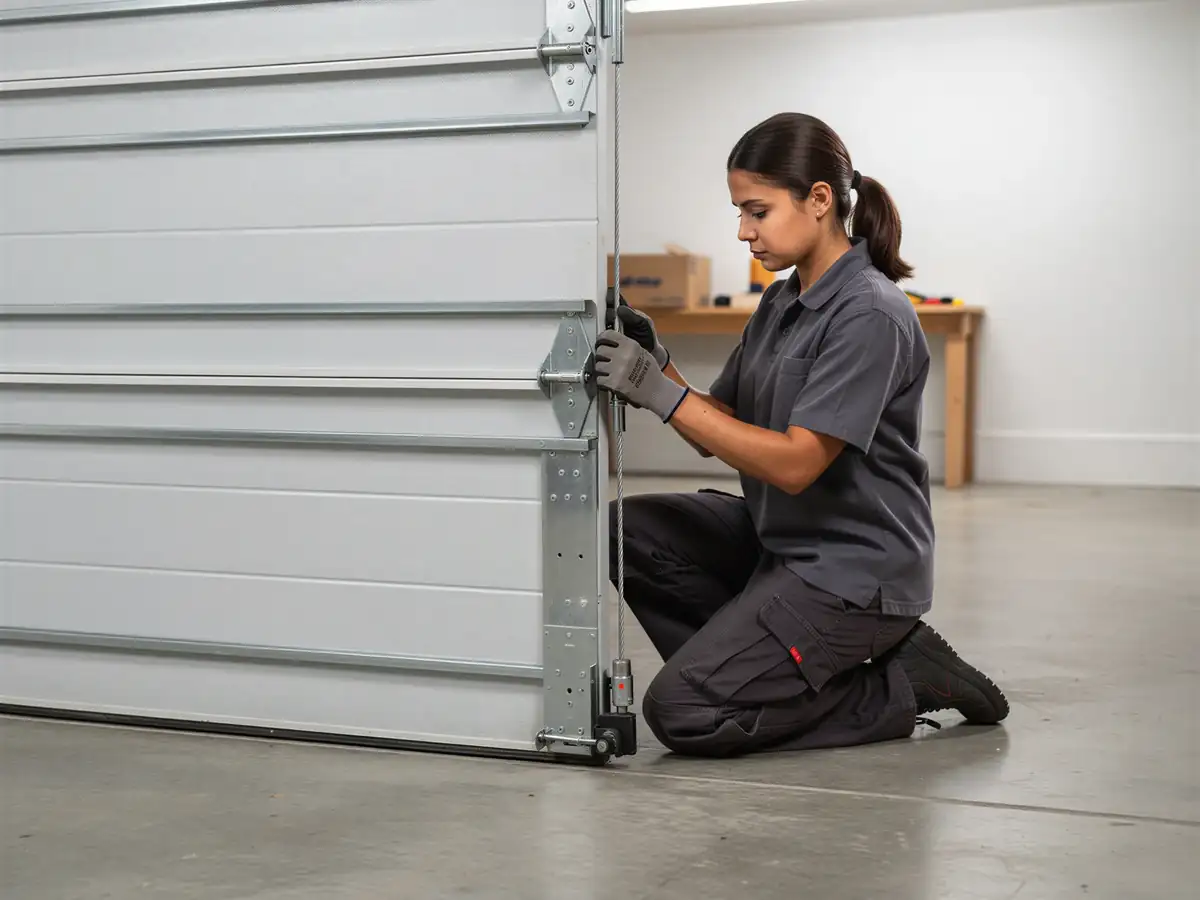
We keep extension spring sets in the common lengths for that door width
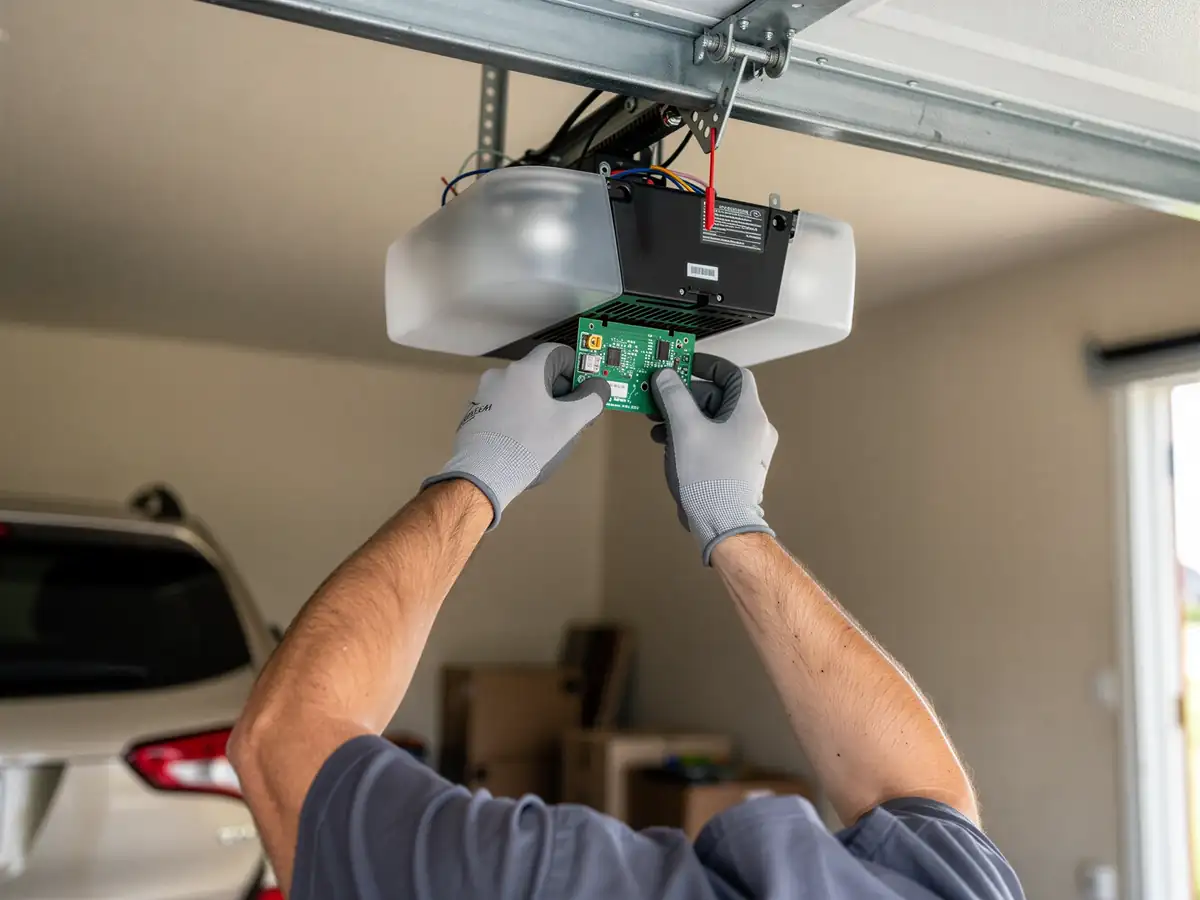
The roller and hinge hardware that wears out on a 30-plus-year-old door, and replacement logic boards and drive gears for the chain-drive openers that were standard in that era. What we don't stock on the truck is anything custom - a door that's been resized, a track bent out of factory spec, or an opener model that stopped getting parts made for it years ago. If your unit falls into one of those, we tell you on the spot rather than make you wait on a part that isn't coming.
Steel doesn't hold up the same after three decades of salt air this close to the coast
So a fair number of these jobs end up being about rust at the bottom panel seam as much as the moving parts.
Time on the Job
A straightforward spring or roller swap on one of these older sectional doors runs about what it would anywhere - the work itself isn't harder because the door is from 1987. What changes is the diagnostic step. On a door this age we spend more time checking the track alignment and the panel seams before touching the springs, because thirty-plus years of opening and closing has usually shifted something slightly out of true, and a spring replacement on a misaligned track just fails again in a few months.
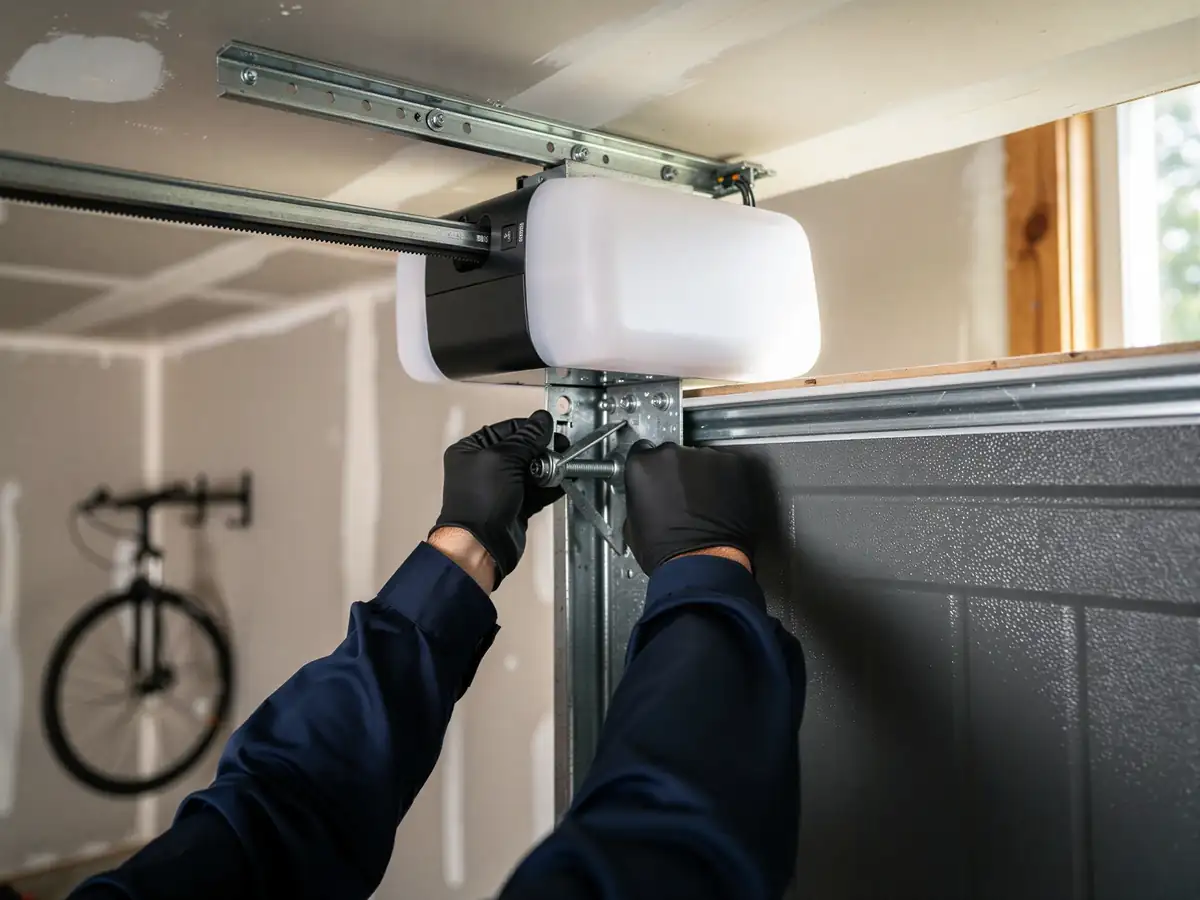
Opener work takes longer here too, not because the repair is complicated but because locating a compatible part for a chain-drive unit from that generation sometimes means we're matching gear pitch and shaft size by hand rather than pulling a current catalog part. We'd rather take the extra ten minutes with a tape measure than install something that grinds.
We're coming from Jacksonville, about 12 miles out, so factor that drive time into when we can get there - we don't keep a crew stationed in Sneads Ferry, and we're not going to pretend otherwise.
Where This Job Goes Sideways
The failure we see most in this neighborhood isn't the spring itself - it's what the spring was doing to a track that's already slightly bent from three decades of use. Someone calls about a door that won't open, we find a snapped extension spring, and under it a track that's pulled away from the wall just enough that the rollers were binding before the spring ever gave out. Replace the spring alone and the new one dies early too.
The other pattern is rust at the bottom corners of steel panels. Coastal moisture works into the seams on an older door faster than it does inland, and by the time a homeowner notices the door dragging, the bottom panel is often soft enough that patching it is a waste of a service call - the panel needs replacing, not the hinge.
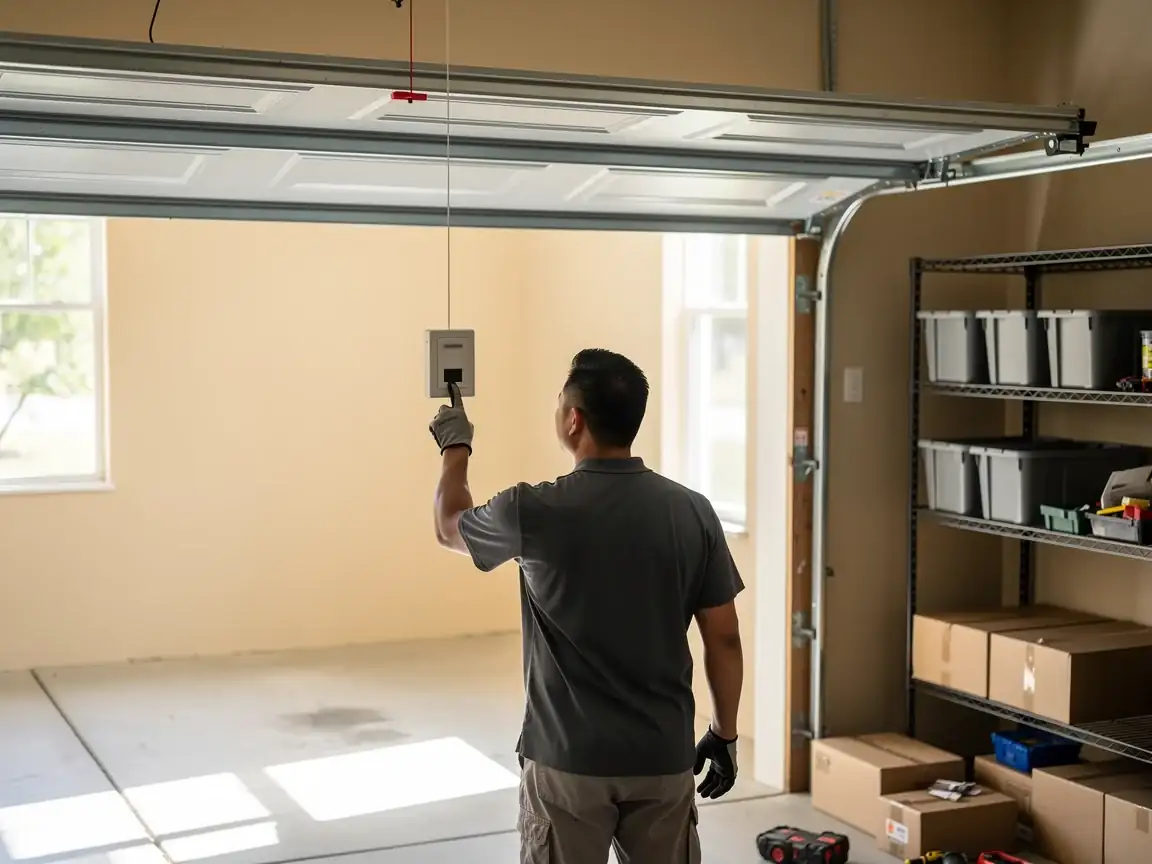
We also run into openers where the wall button or safety sensors have been rewired at some point by a previous owner, and the fix isn't the part that's obviously broken but tracing back what someone did to the wiring years ago.
What the Repair Takes
For a spring or roller job, we need clear access to the inside of the door and about 20 minutes to confirm the track is true before we touch anything
If it's not, that gets fixed first, because a new spring on a bent track is a repeat visit waiting to happen. For an opener repair, we need to know the make and model if you have it, since matching a 1990s chain-drive gear set goes faster with that in hand instead of us guessing from the driveway.
- 20 minutes
On panel replacement, lead time is the honest limitation here
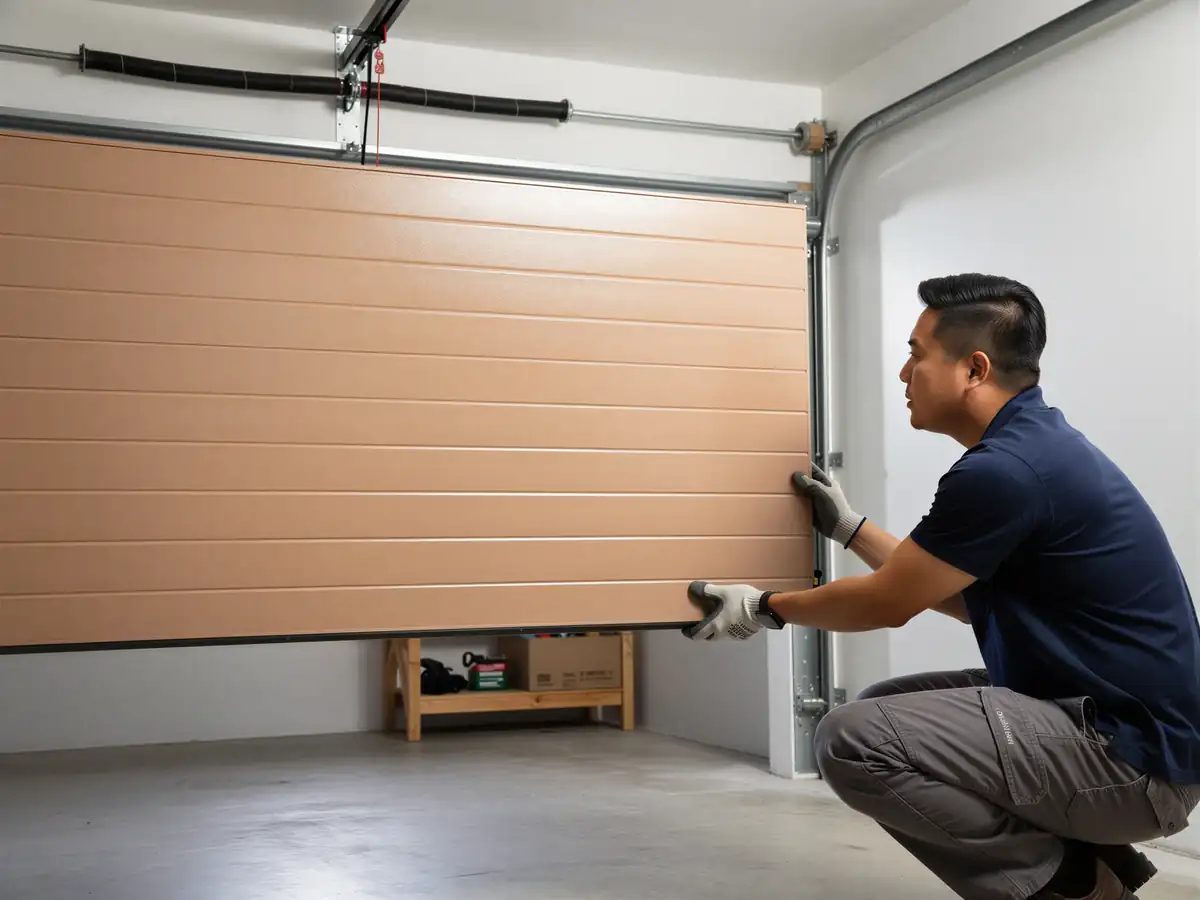
A bottom panel for a 1980s-era sectional door isn't something every supplier carries off the shelf, and if yours is rusted through we may be ordering the part before we can finish the job, which means a second trip. We'll tell you that up front rather than promise a same-visit fix we can't back up.
Winters here aren't severe
But the region sits in a cold-moderate climate band, so cable and spring tension do shift a little with temperature swings - not dramatically, but enough that a door adjusted in summer heat sometimes needs a tweak once the weather turns.
What It Costs
We don't post flat prices here because the two jobs we run into most in Sneads Ferry - track realignment paired with a spring swap, and rusted panel replacement - land at pretty different numbers, and quoting one price for both would be misleading either way. What we can tell you is that median household income in this area runs around $59,783, noticeably below Jacksonville's broader service-area figure, and we price the work the same regardless of which side of that line a house falls on.
The real cost driver on these older doors is usually whether the track needs straightening before the spring goes in, and whether a panel is cosmetic-rust or structural-rust. We'll look at both before quoting anything, and we won't sell you a spring replacement if the panel underneath is the actual problem.
The DIY Question
Swapping rollers or hinges on a door this age is reasonable for someone comfortable with hand tools - it's the same job it's always been, and the parts are simple. Springs are a different story, especially on the extension-spring setups common in this housing stock, because they're under load and mounted differently than the torsion springs most online tutorials assume you're working with. We'd rather you call for that one.
We won't pretend every job needs a truck, though. If your door is sticking only in humid weather and nothing's broken, that's often a track lubrication issue you can handle yourself before it becomes a repair call at all.