What the Repair Takes
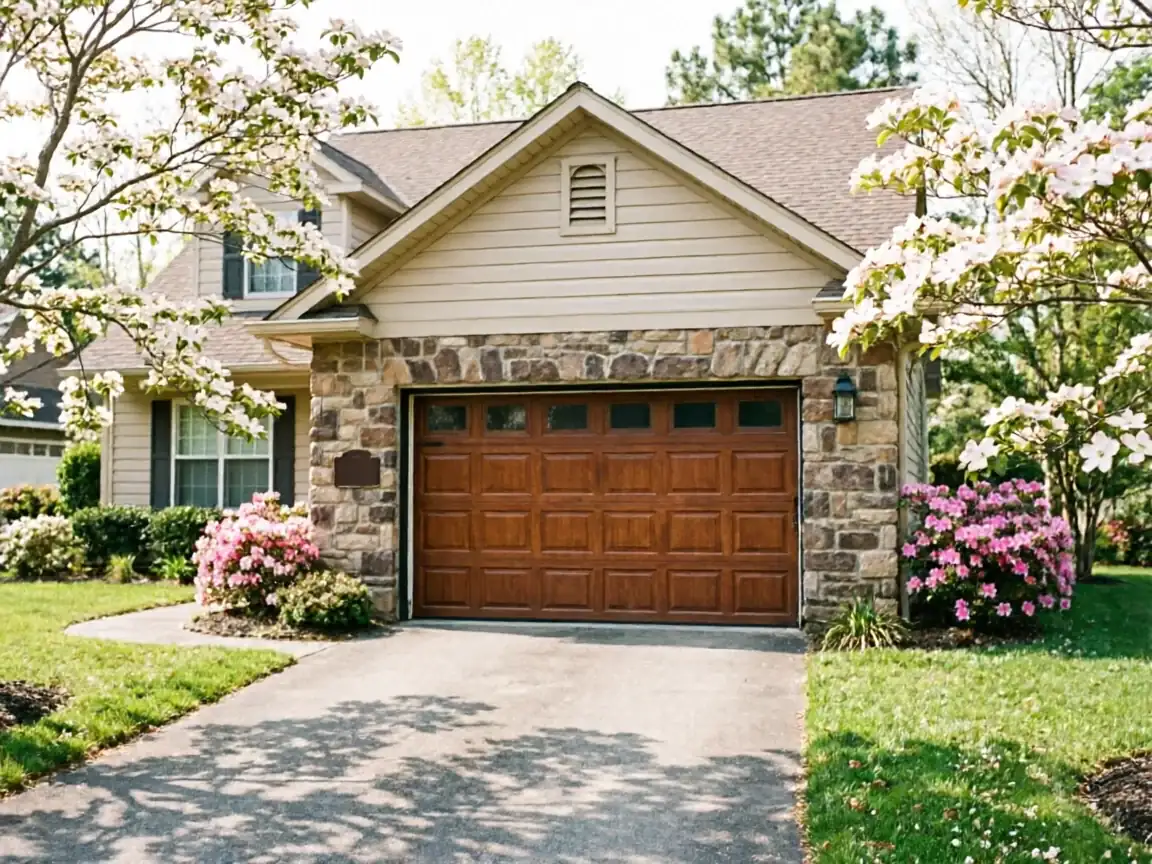
Most houses in Piney Green went up through the 1980s and into the early 2010s
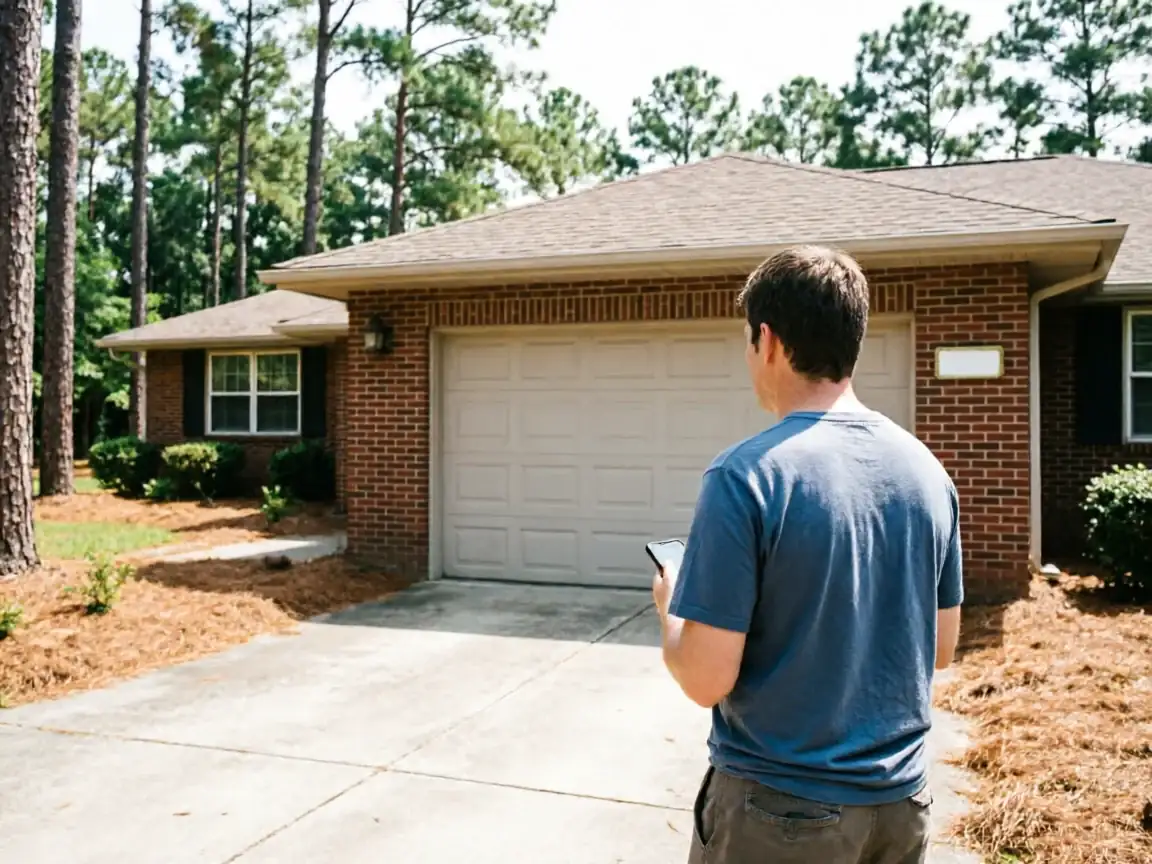
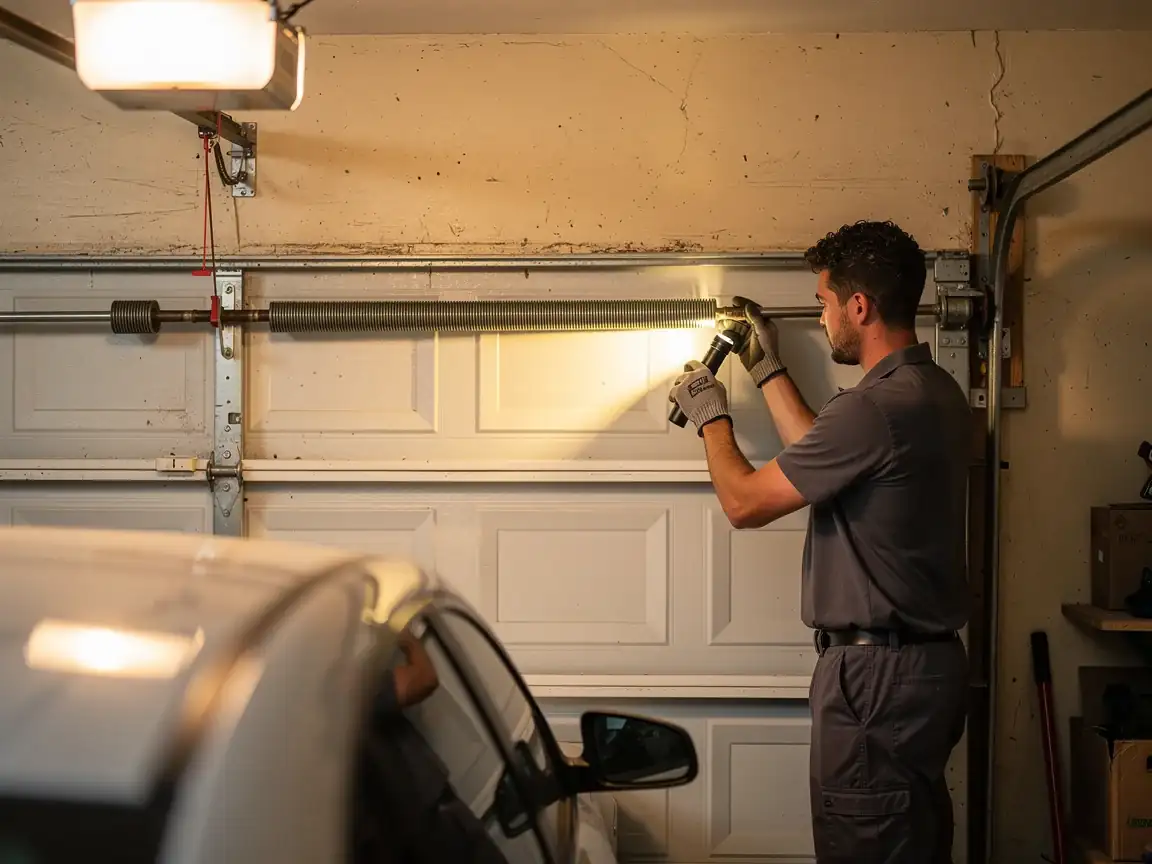
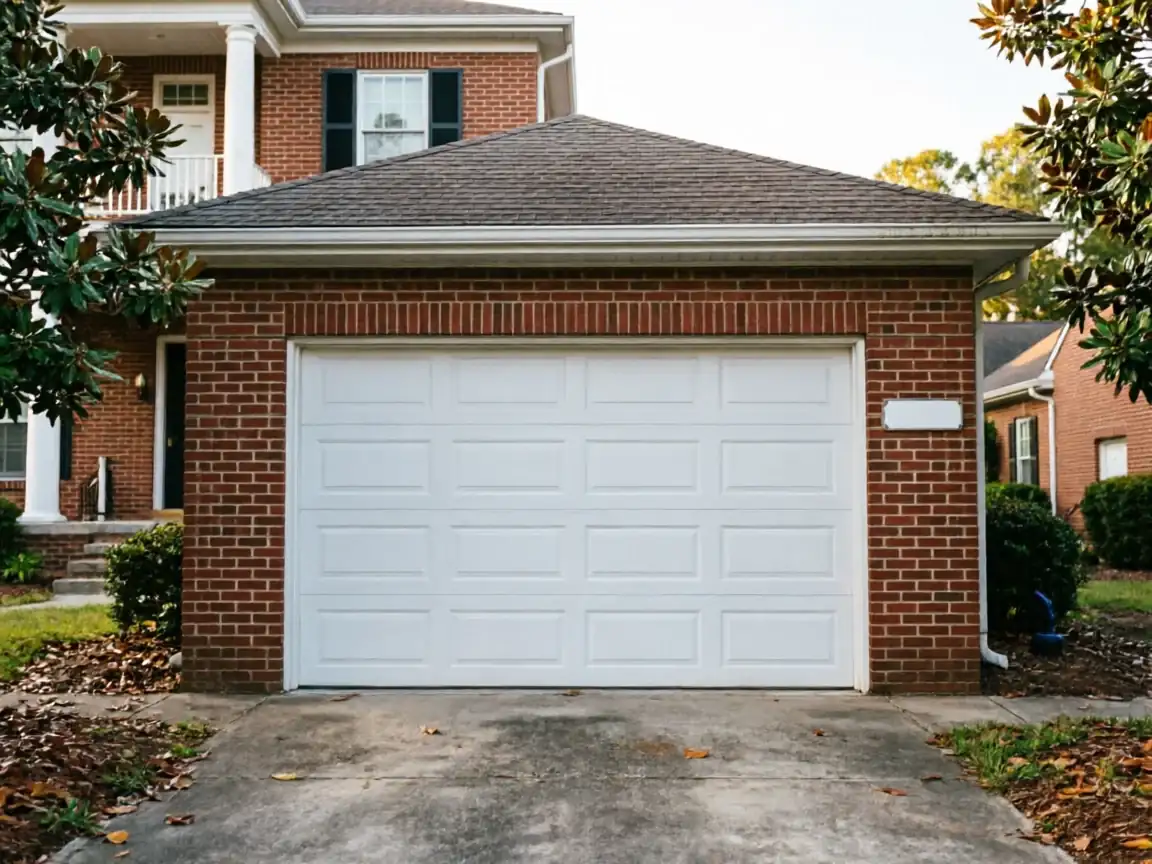
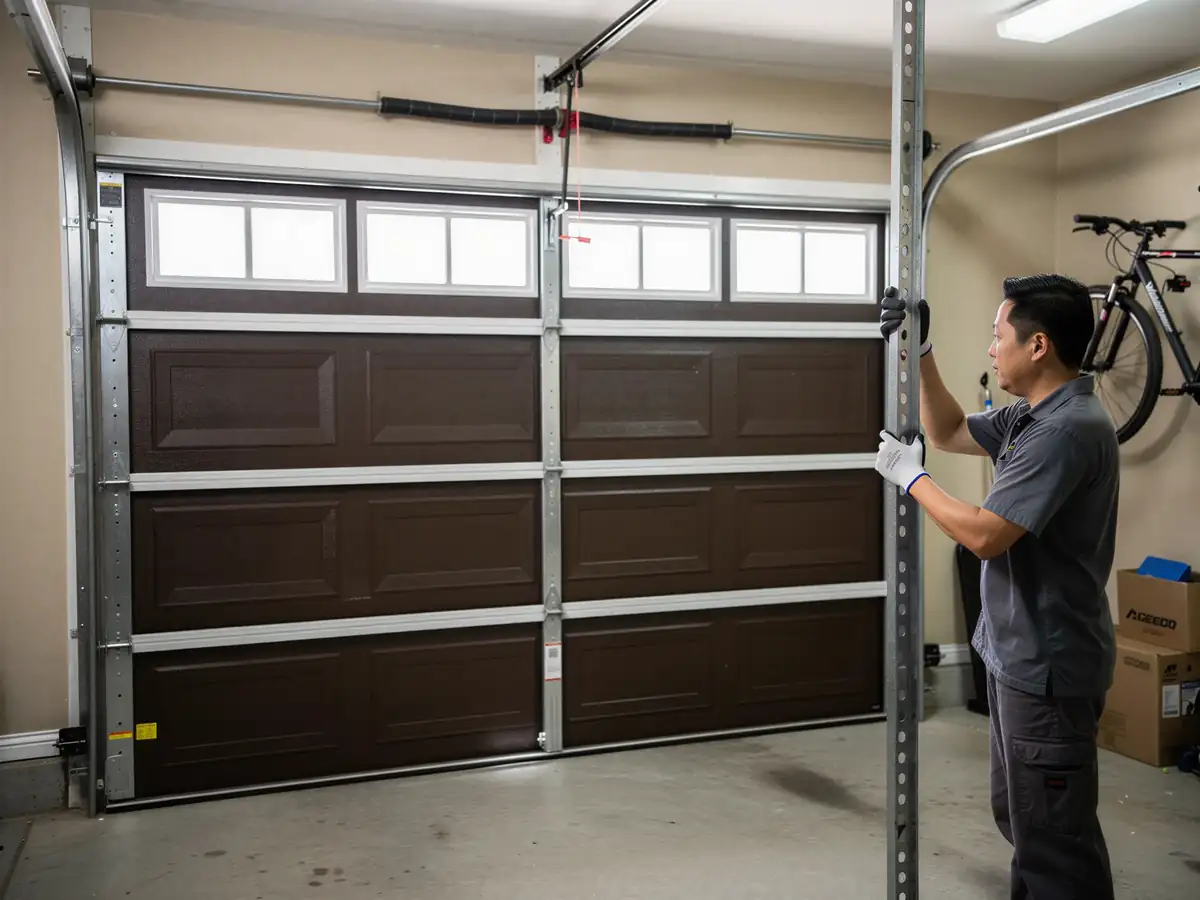
With the bulk of the stock dating to right around 1993. That matters for cable work because it tells us what's hanging on the drum before we even open the truck door. Sectional doors on torsion springs were standard by the early 90s, which means the lift cables are usually the thin galvanized aircraft cable wound around a cable drum at each end of the torsion shaft, not the older extension-spring setup with cables running down the side tracks to a pulley near the floor.
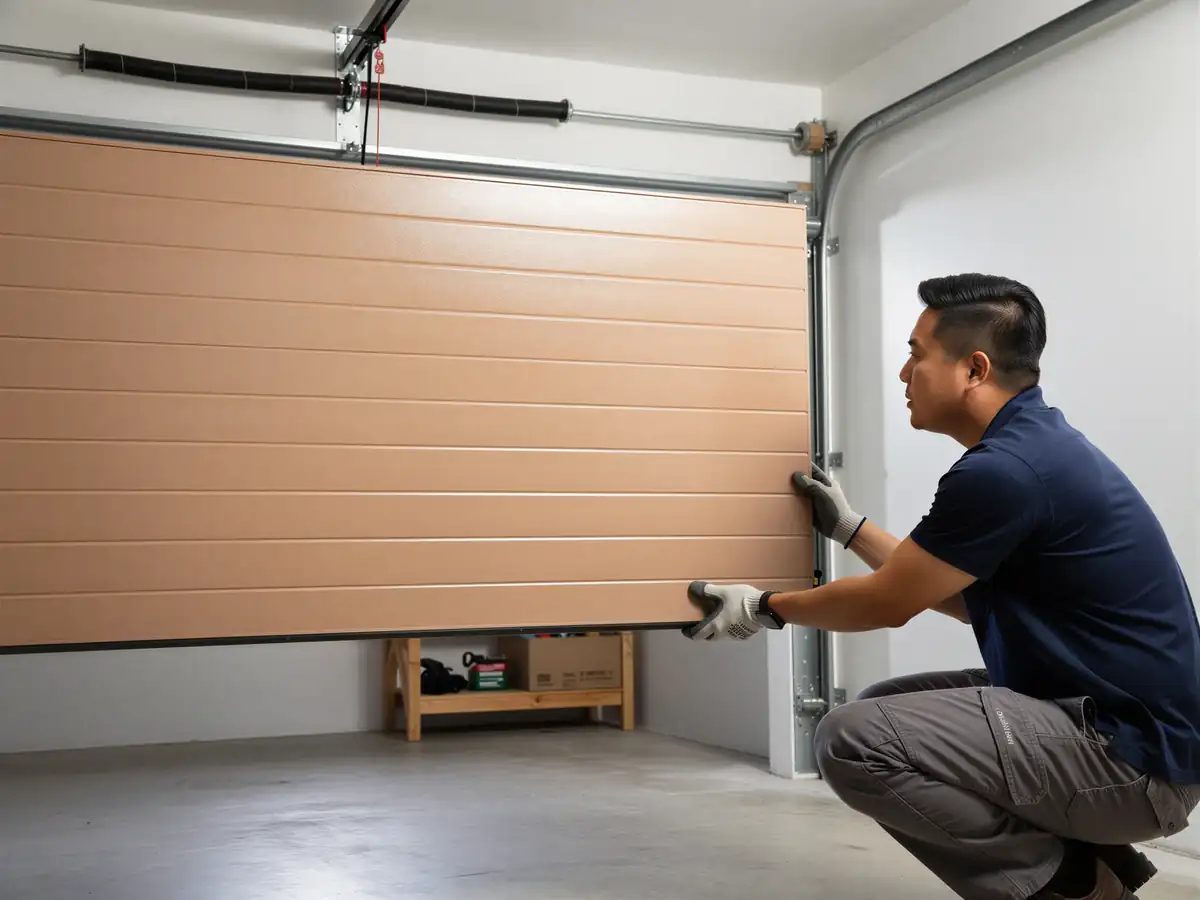
A cable repair on this era of door means pulling the old spring tension off safely
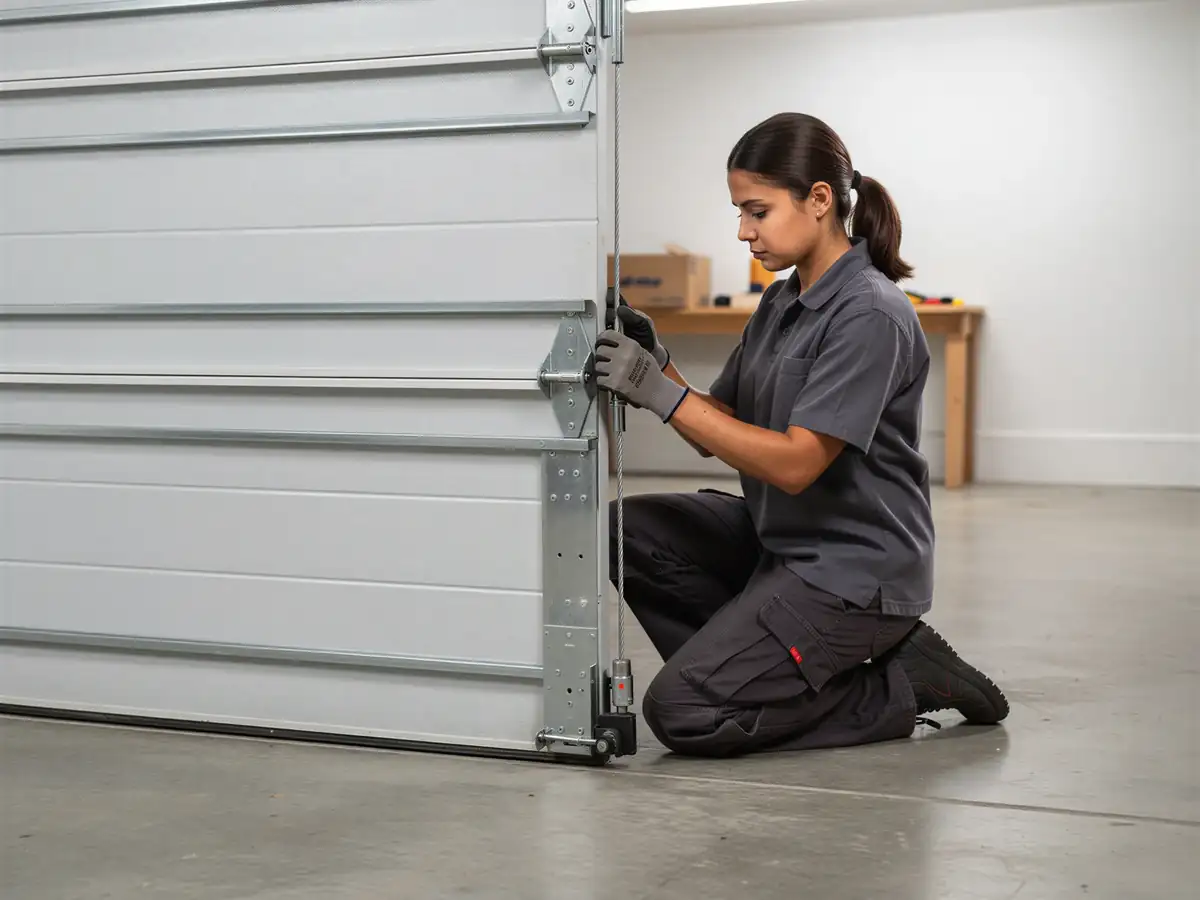
Unwinding the frayed or snapped cable from the drum, and running new cable sized to match the drum groove and the door's weight. If the drum itself is pitted or the shaft is bent, that's a different job and we'll say so before we start. We carry standard-gauge cable for torsion setups because that's what most of this area has. If your house has an older extension-spring door, we bring different hardware - just tell us when you call so the right parts are on the truck.
How to Book
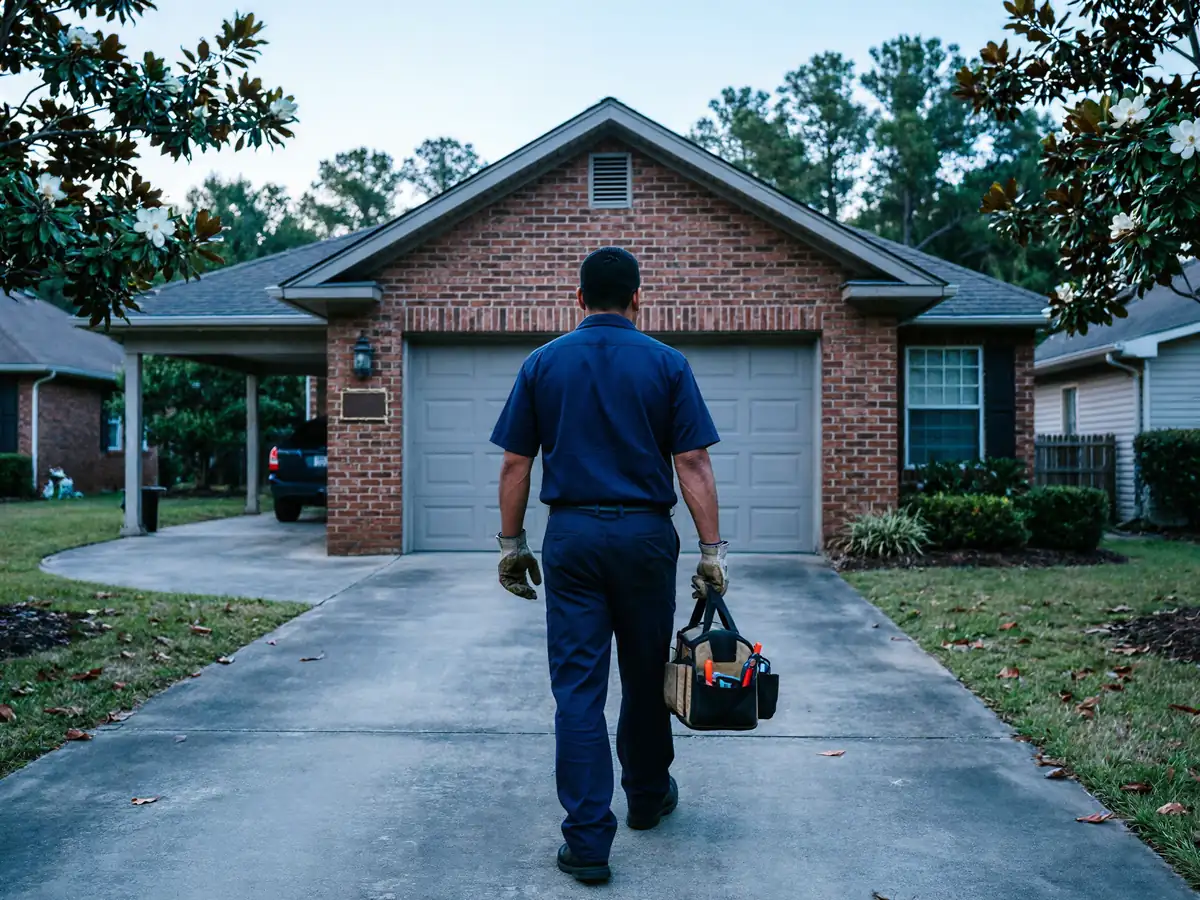
We cover Piney Green from Jacksonville, about 6 miles out, so there's no local branch to call - just the same crew and the same truck making the drive. Call or use the booking link below and tell us the door type (single or double), whether it's lifting unevenly or stuck, and roughly how old the opener and springs are if you know. That lets us load the right drum size and cable gauge before we leave.
We don't quote a fixed arrival window here because we're routing from Jacksonville and traffic on a given day changes that. What we will do is call ahead before we're close, so you're not waiting around the garage all afternoon. If the door is fully down and won't move at all, say so when you book - that changes how we prioritize the stop.
What Causes It Around Here
The 1980s and 1990s builds that make up most of Piney Green came standard with galvanized lift cables rated for a particular door weight and spring count. Thirty-plus years later, that's the cable failing from plain fatigue - the strands fraying where they wrap the drum, or a kink from a door that's been run slightly off-track for months without anyone noticing.
The climate here is cold-moderate, not the deep freeze and thaw cycle of a mountain town, but there's still enough seasonal temperature swing to stiffen cable and grease over a winter and make a worn cable snap on a cold morning rather than a mild one. We also see cables go on doors where a spring broke first and nobody caught it - the cable takes the full door weight with no spring assist and fails fast. If your door's been noisy or dropping unevenly for weeks, that's usually the warning sign before a full snap.
What You Are Seeing
A snapped lift cable usually shows up as one corner of the door hanging lower than the other
Or the door refusing to move past a few inches before the opener strains and stops. Sometimes you'll find the loose cable coiled on the garage floor near the track. A cable that's fraying but not broken yet sounds different - a faint grinding or ticking as the drum turns, worse near the top or bottom of the travel.
Don't try to force the door up by hand or run the opener repeatedly once you notice either symptom
A torsion spring under tension with a failing cable is dangerous to work around, and running the opener against a jammed door strains the gears for no benefit. Block the door where it sits, keep the area clear, and call.
The DIY Question
We'll say this plainly: don't do a torsion cable repair yourself. The spring on the other end of that shaft is holding enough force to break fingers or worse if it releases wrong, and winding bars aren't something you want to learn on your own door. This isn't us protecting a job - it's the actual reason garage door techs exist as a trade.
What you can safely do is the diagnosis. Look at the cable where it wraps the drum, check whether both sides of the door are level, and note if the opener is straining or silent. That information helps us bring the right parts the first trip instead of a second one. Past that, leave the spring and cable assembly alone until we're there.
Time on the Job
A straight cable replacement on a torsion door, once we're on site, usually runs under an hour - unwind the spring tension, swap both cables as a pair even if only one broke, rewind to the correct tension, and test the balance. We replace cables in pairs because a mismatched old-and-new cable under the same spring tension wears unevenly and comes back to fail again within a year.
If the drums are worn or the shaft's bent from the failure, that adds time and parts we may not have loaded on the first trip - we'll tell you on site rather than guess. For most Piney Green homes with the standard 1990s-era torsion setup, it's a one-visit fix.