What the Repair Takes
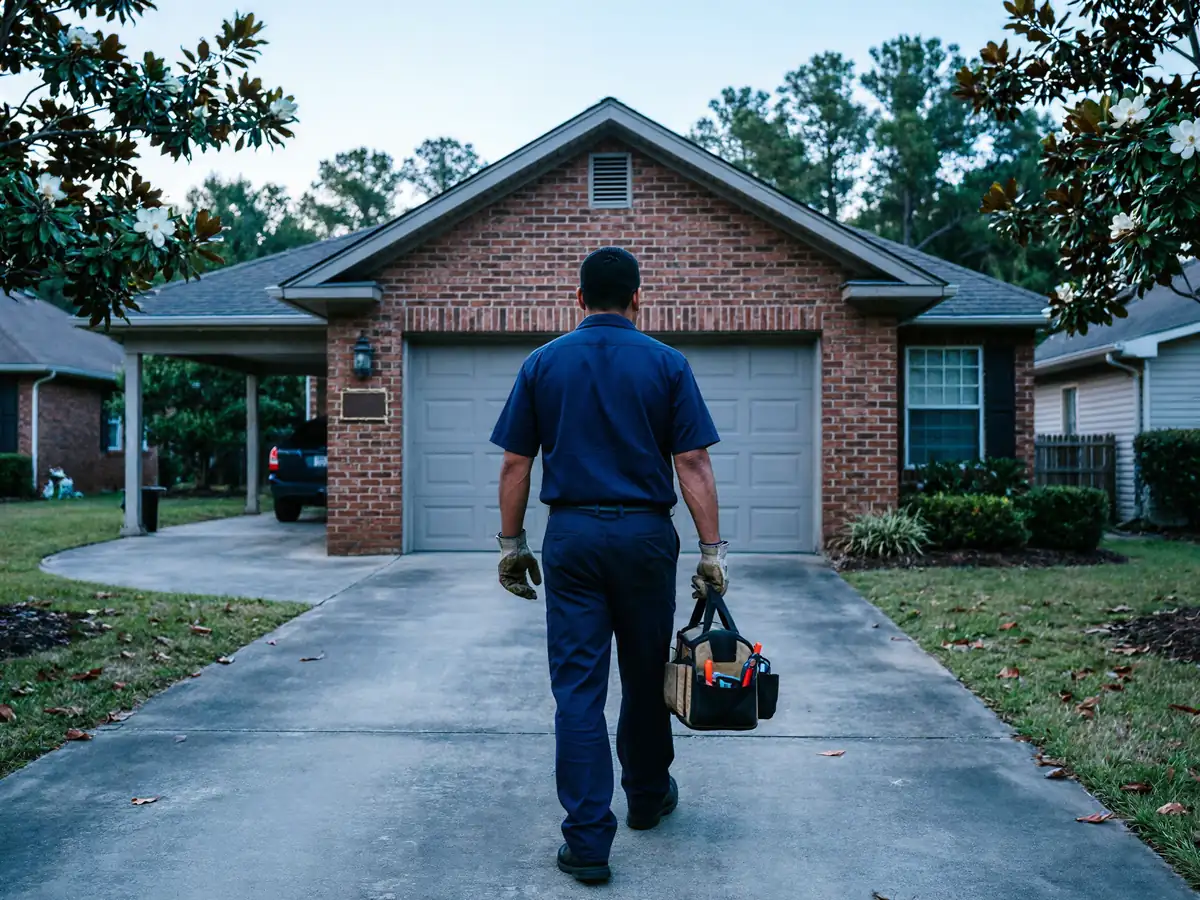
Piney Green sits six miles out from our Jacksonville shop
Which matters more than people think when a door is stuck open at 6 a.m. That drive is short enough that a broken spring or a dead opener doesn't turn into an all-day wait, but it's still a real drive - the truck has to be loaded with the right torsion spring size and the right opener logic board before it leaves, not after.
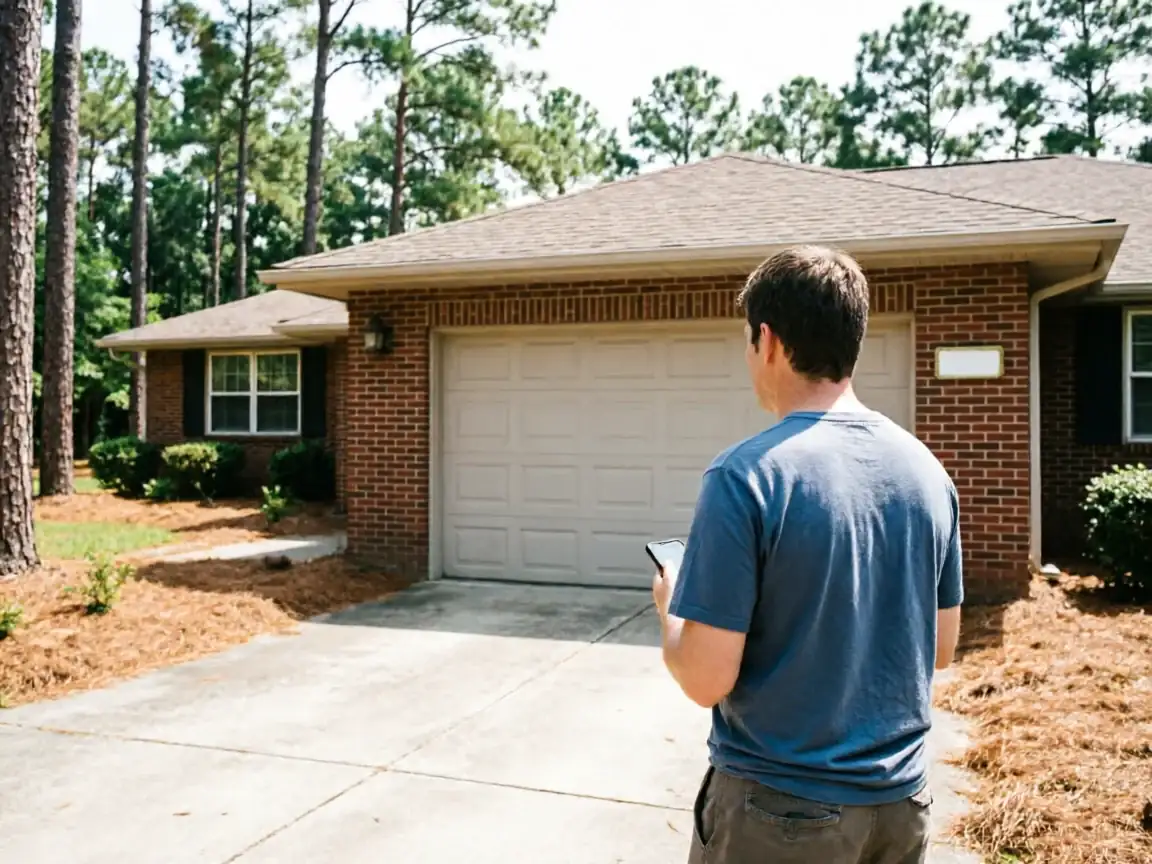
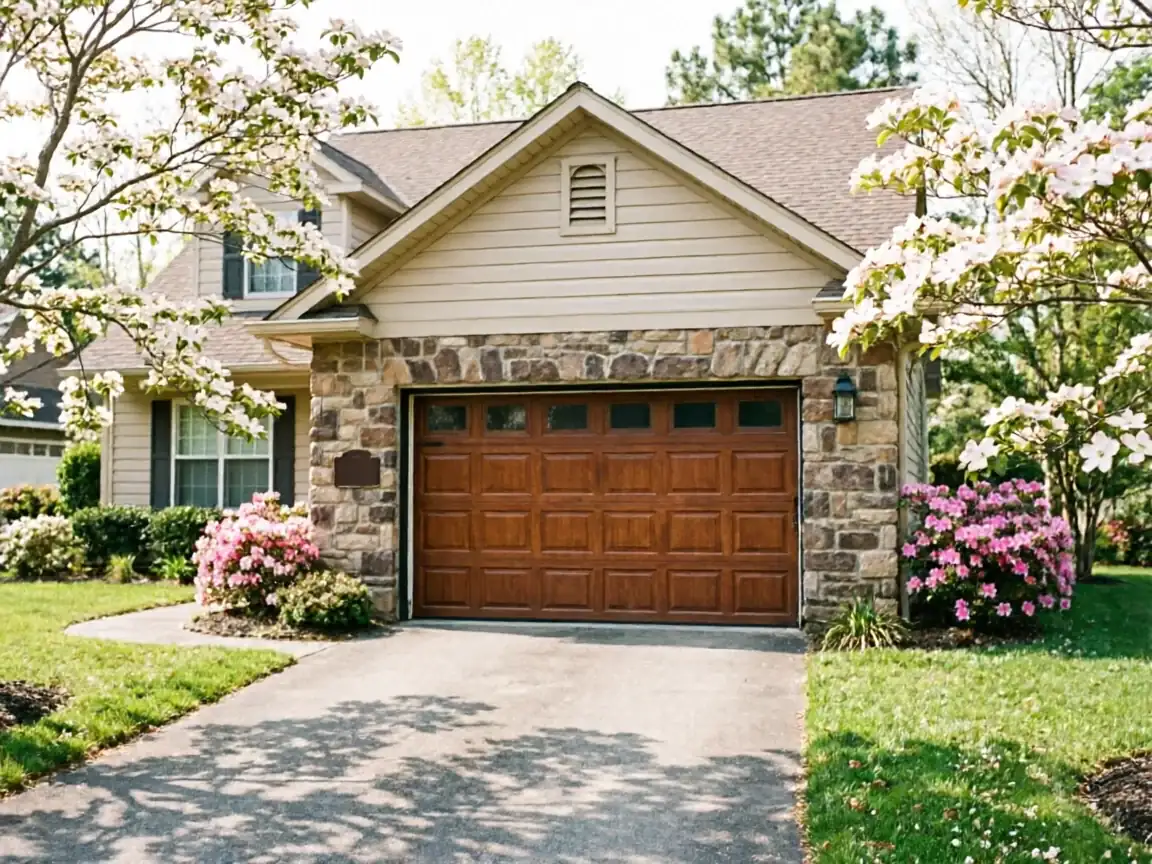
Most of what we see out here comes from houses built in the 1980s through the early 2000s
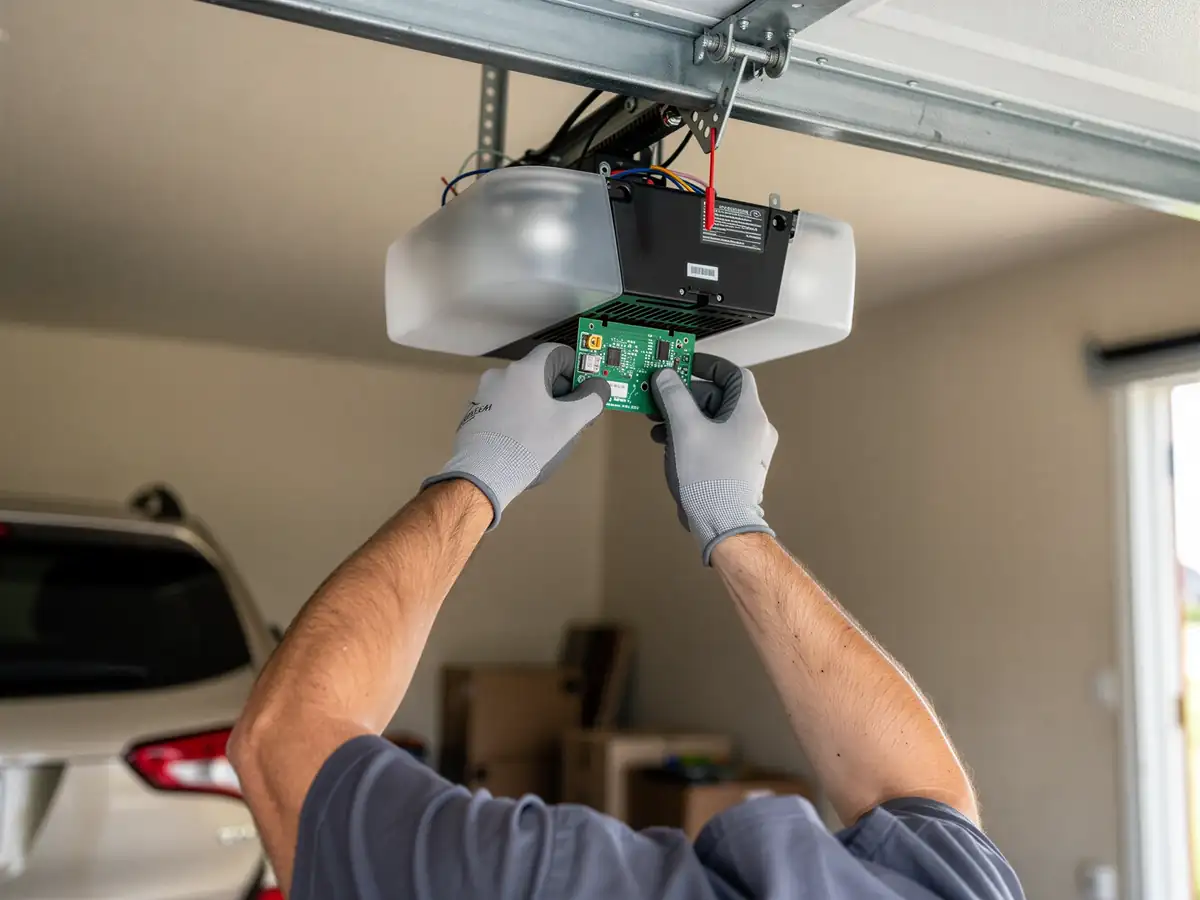
With the median sitting around 1993. That means extension and torsion spring setups that were standard for that era, steel panel doors starting to show rust at the bottom corners, and openers in the 10-20 year range where the circuit board, not the motor, is usually the actual failure. The repair itself is the same skill set as anywhere, but knowing what's likely to be installed before we get there means fewer trips back to the truck for a part we didn't bring the first time.
- 20 year
How to Book
Call it in. Tell us the door won't move, is stuck halfway, or came off track, and whether the car is trapped inside or outside - that one detail changes what we load before we drive the six miles from the shop. We don't have a branch in Piney Green itself, so every call here is dispatched from Jacksonville, which is why the details you give on the phone do the work of saving time on the road.
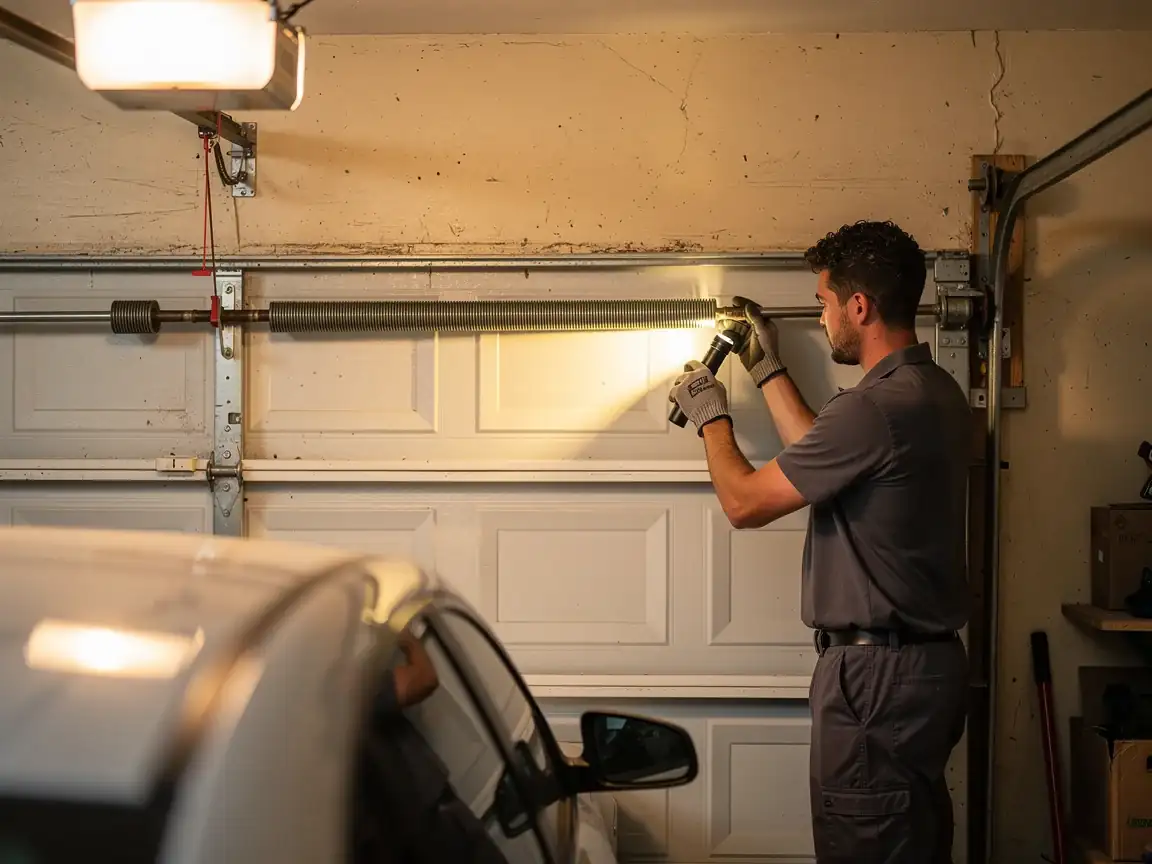
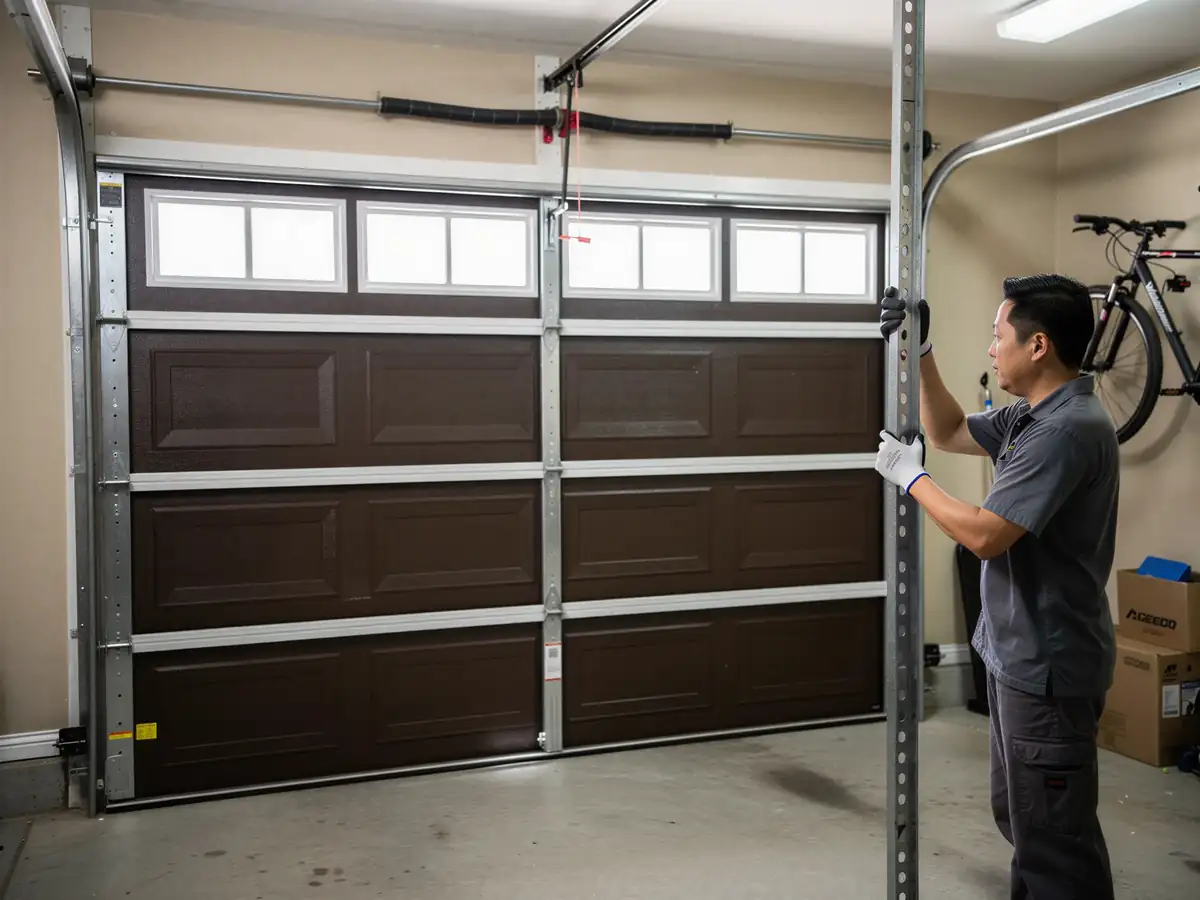
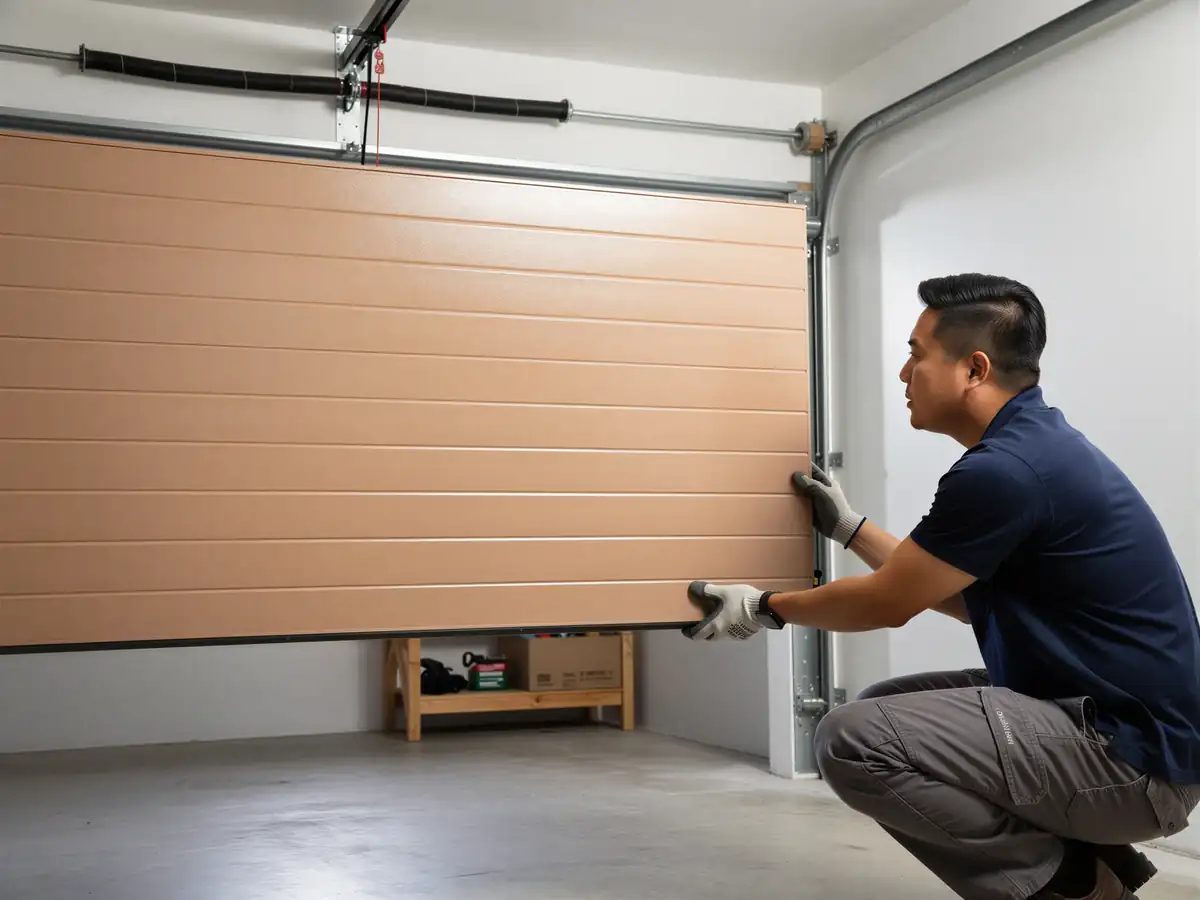
If you can, check whether the springs are the kind wound tight above the door (torsion, mounted on a horizontal bar) or the kind stretched along the tracks (extension, mounted on the sides). You don't need to know which one failed, just which kind is up there. It helps us bring the right one. See the full Piney Green repair page for what a typical visit covers, or the main Jacksonville emergency page if this isn't the only door issue you're dealing with.
What Causes It Around Here
With most housing in this part of the service area going up between the early 1980s and the early 2010s, median year 1993, the failure pattern leans toward age-related wear rather than storm damage. Torsion springs rated for 10,000 cycles start failing right around the 7-9 year mark if they were never upgraded, and a lot of these doors are on their second or third spring without anyone tracking it.
The climate band here is cold-moderate, which doesn't mean brutal winters, but it does mean enough freeze-thaw swing through the year to stiffen grease in old rollers and make a marginal spring finally let go on a cold morning. We don't see the wind-load damage you'd get near the coast - Piney Green isn't on the water - but we do see nylon rollers that have gone brittle and cracked from twenty-some years of temperature swing, which is a slower, quieter failure than a snapped cable.
What You Are Seeing
A door that won't budge and makes a loud bang first is almost always a broken torsion spring
Don't force the opener, it'll just strain the motor against dead weight. A door that moves a few inches then stops is often a broken cable or a sensor misaligned at the bottom of the track, not the spring at all. A door that runs off one side of the track usually means a roller has come apart or a hinge has sheared, common once a steel door passes the 15-year mark, which lines up with a lot of the stock built here around 1993.
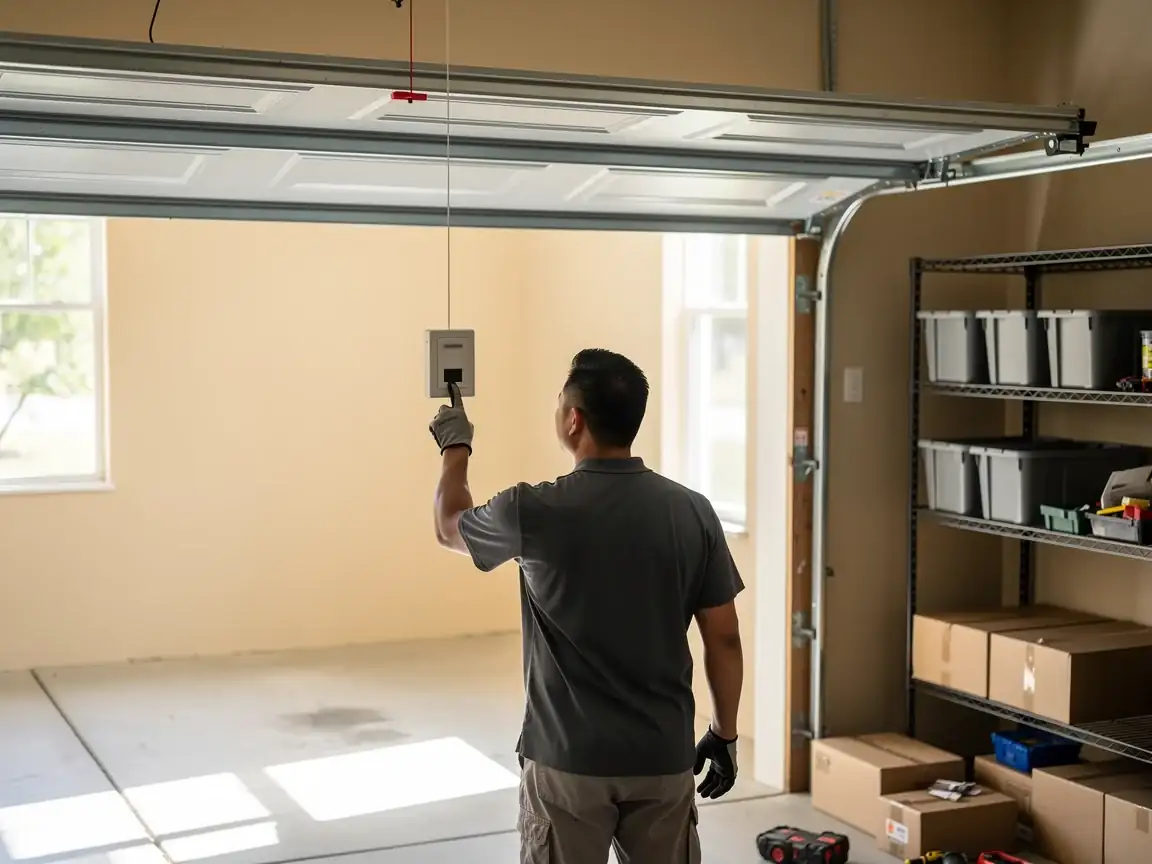
If the opener light blinks but the door doesn't move, that's the board reading a safety fault, not a dead motor
Check the sensors for anything blocking them before assuming the worst. None of this requires guessing at your address or your neighborhood; the symptom itself usually tells us which part failed.
The DIY Question
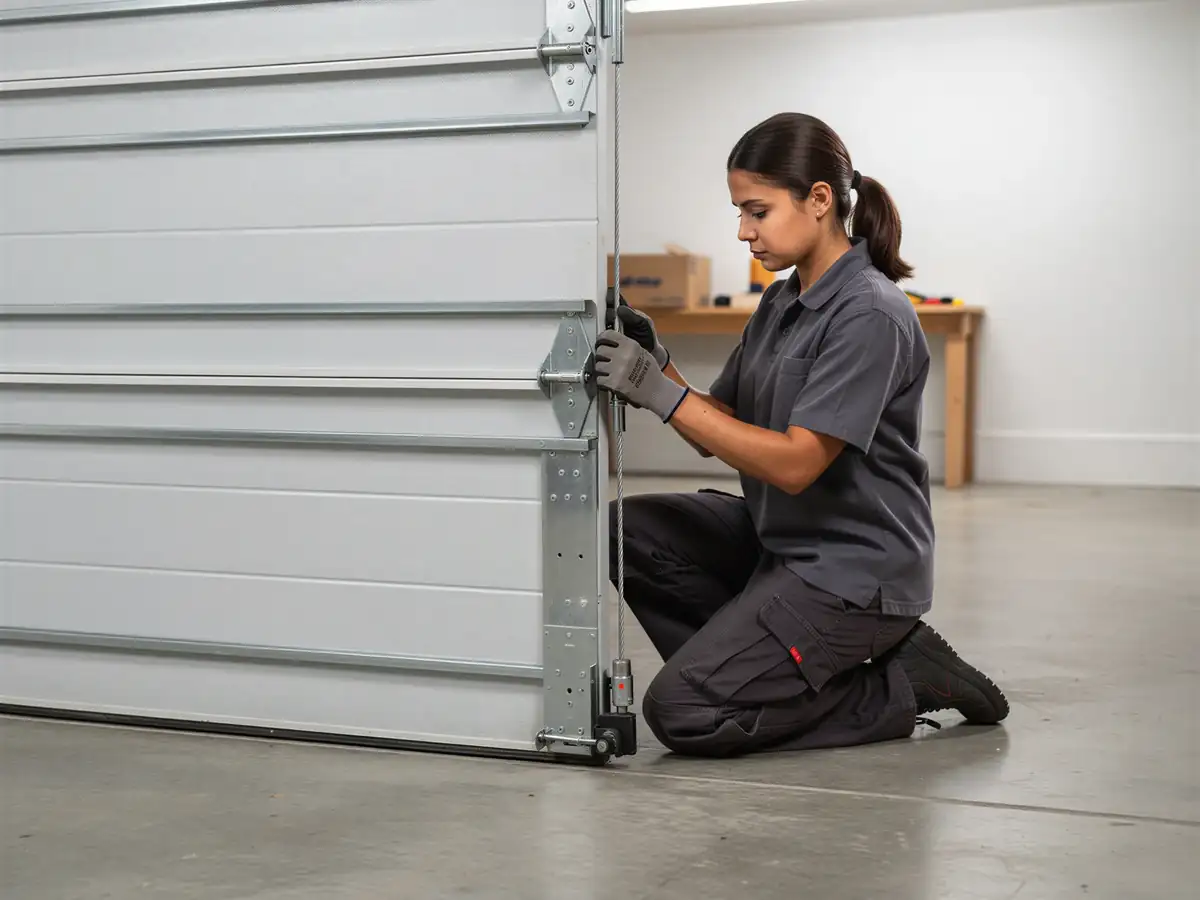
Don't touch a wound torsion spring. It's under enough tension to break a hand or worse, and no amount of online video makes that safe without the right bars and a second set of hands. Swapping a broken bottom roller once the door is manually supported is reasonable for someone comfortable with tools. Replacing a frayed cable is not - it's connected to the same spring tension.
One honest limit: if your opener is original to a house built in the early 90s, the logic board sometimes just isn't worth chasing parts for anymore. At that point we'll tell you replacement makes more sense than a repair, even if that's not the call that pays us the most. We'd rather say that up front than have you pay twice.
Time on the Job
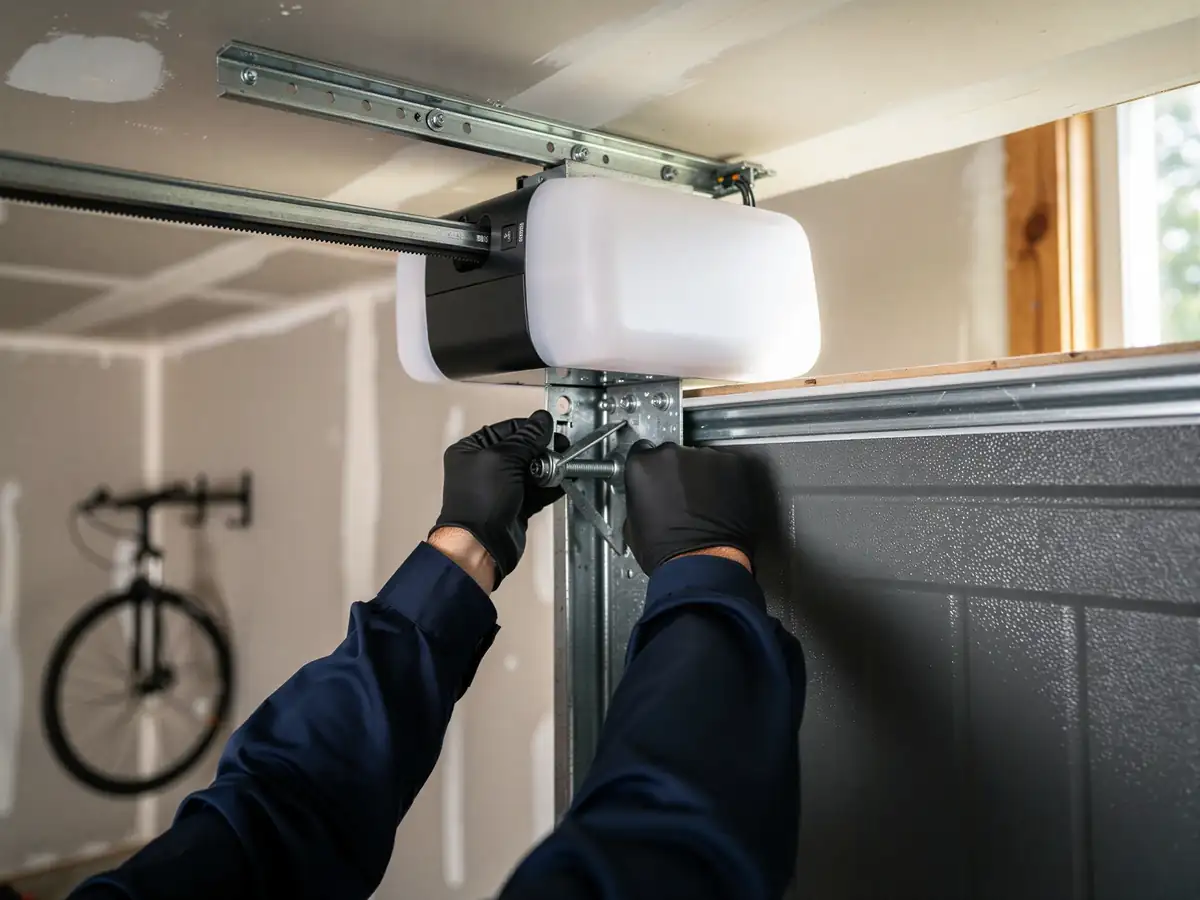
A straightforward torsion spring swap usually runs under an hour once we're on site. A full opener replacement or a door with bent track takes longer, closer to two hours, especially on the older steel doors still common through this part of the service area. We don't pad the estimate - if the job is a simple roller or cable fix, it gets billed like one.
The six-mile run from Jacksonville adds a little to the front end of the call compared to jobs closer to the shop, but it's not enough distance to change how we schedule the day. What changes the clock more is parts: if your door needs a size or type of spring we don't carry stock of that particular setup, that's a return trip, not a same-visit fix.