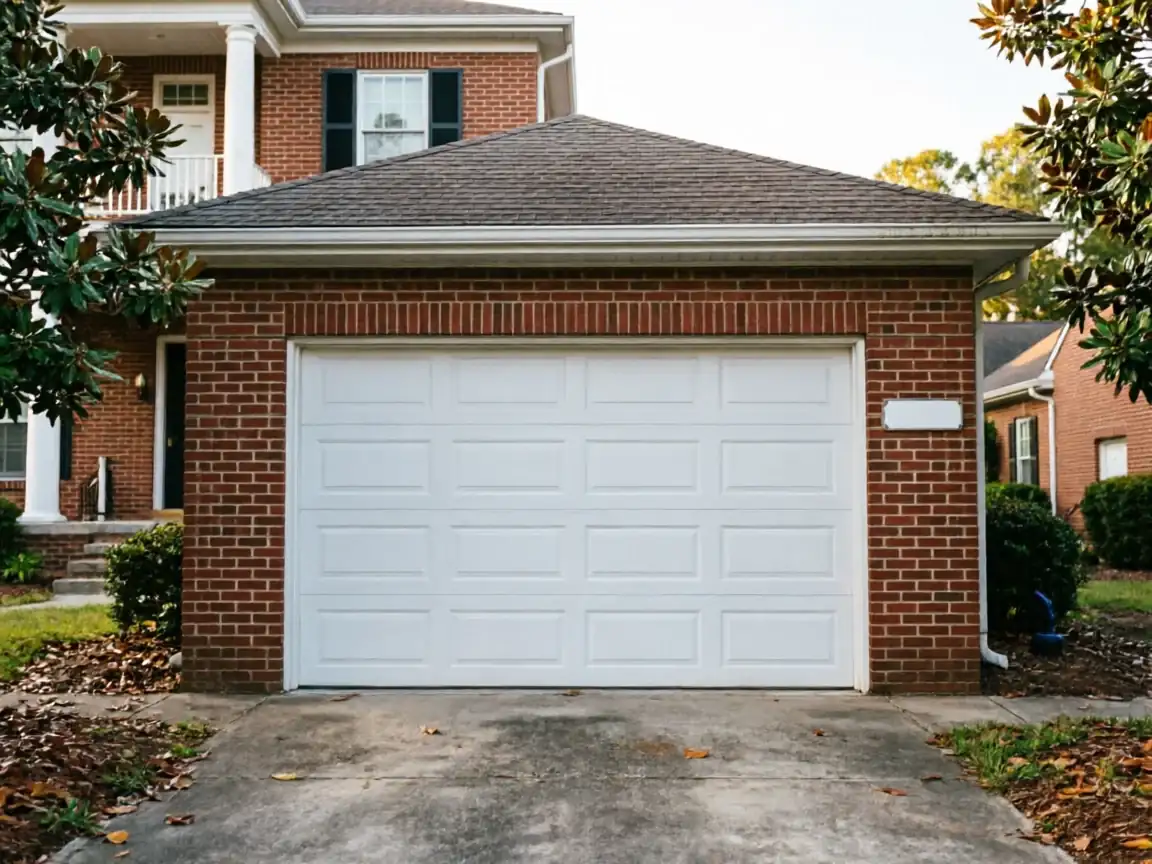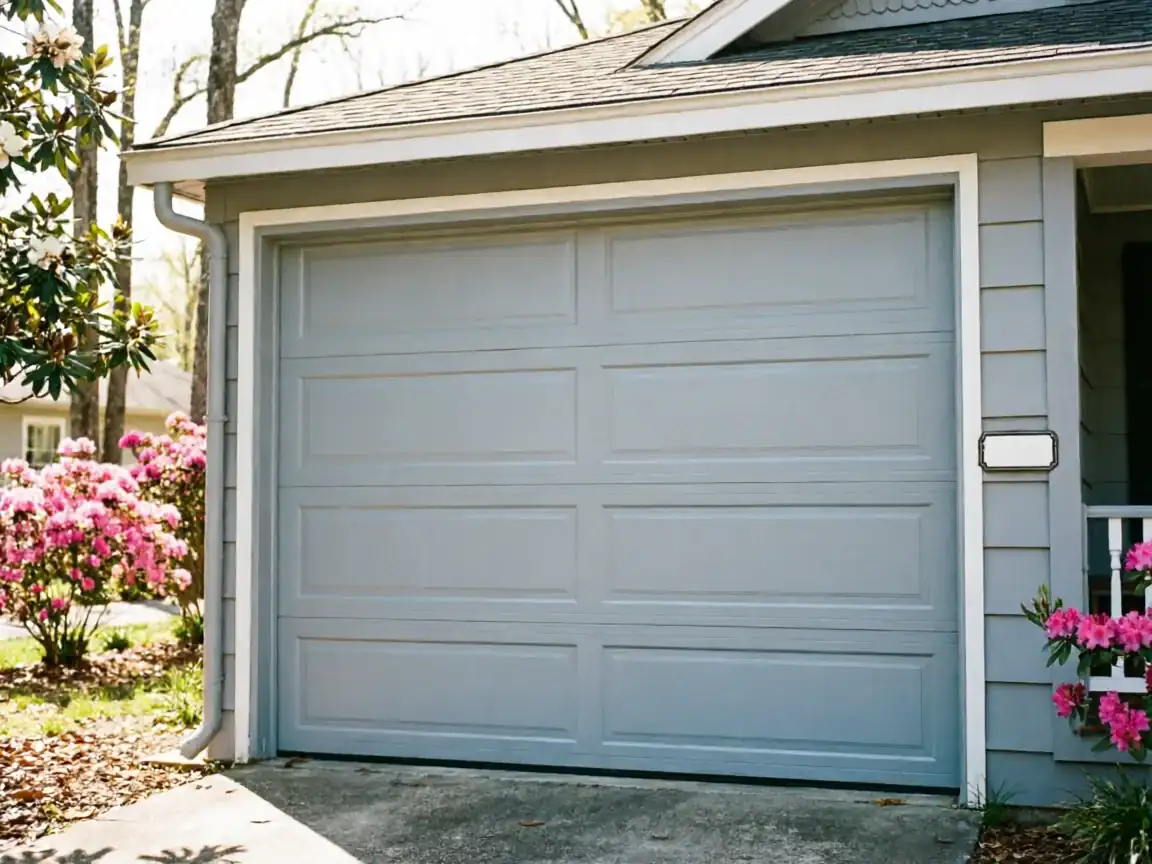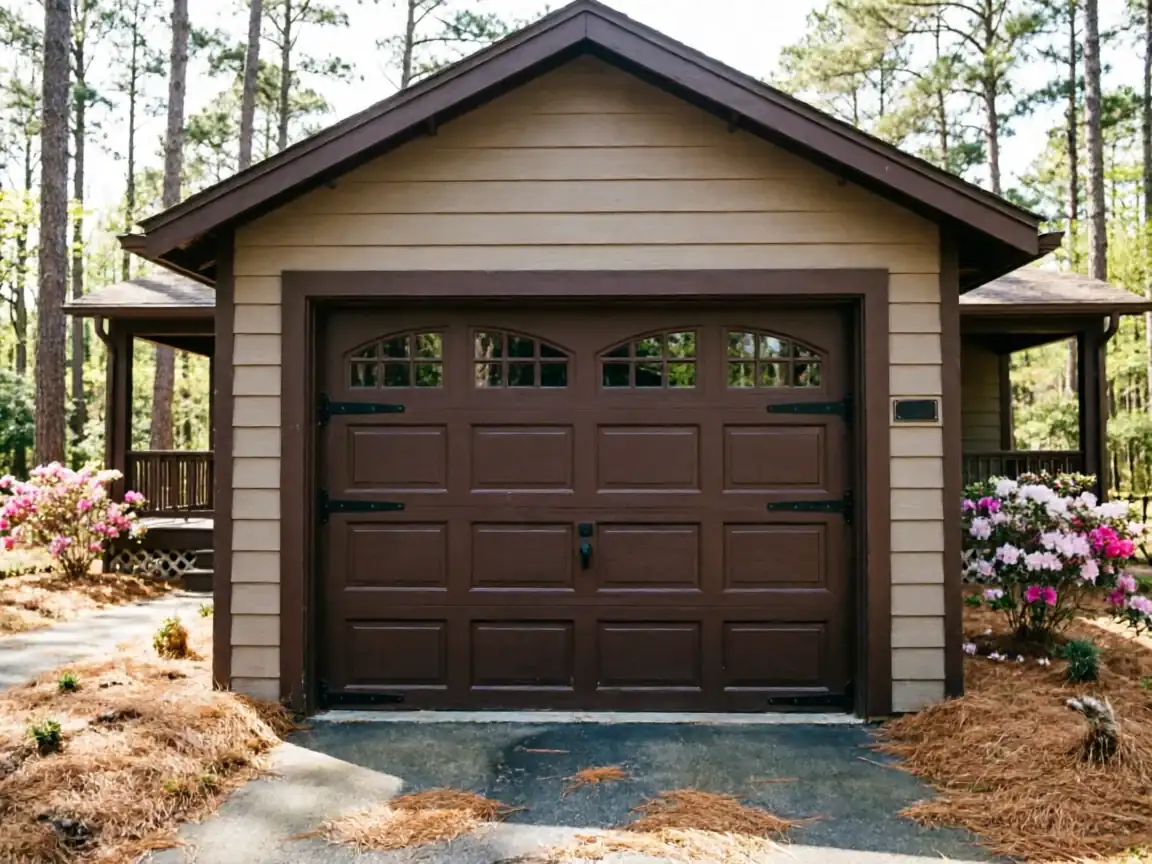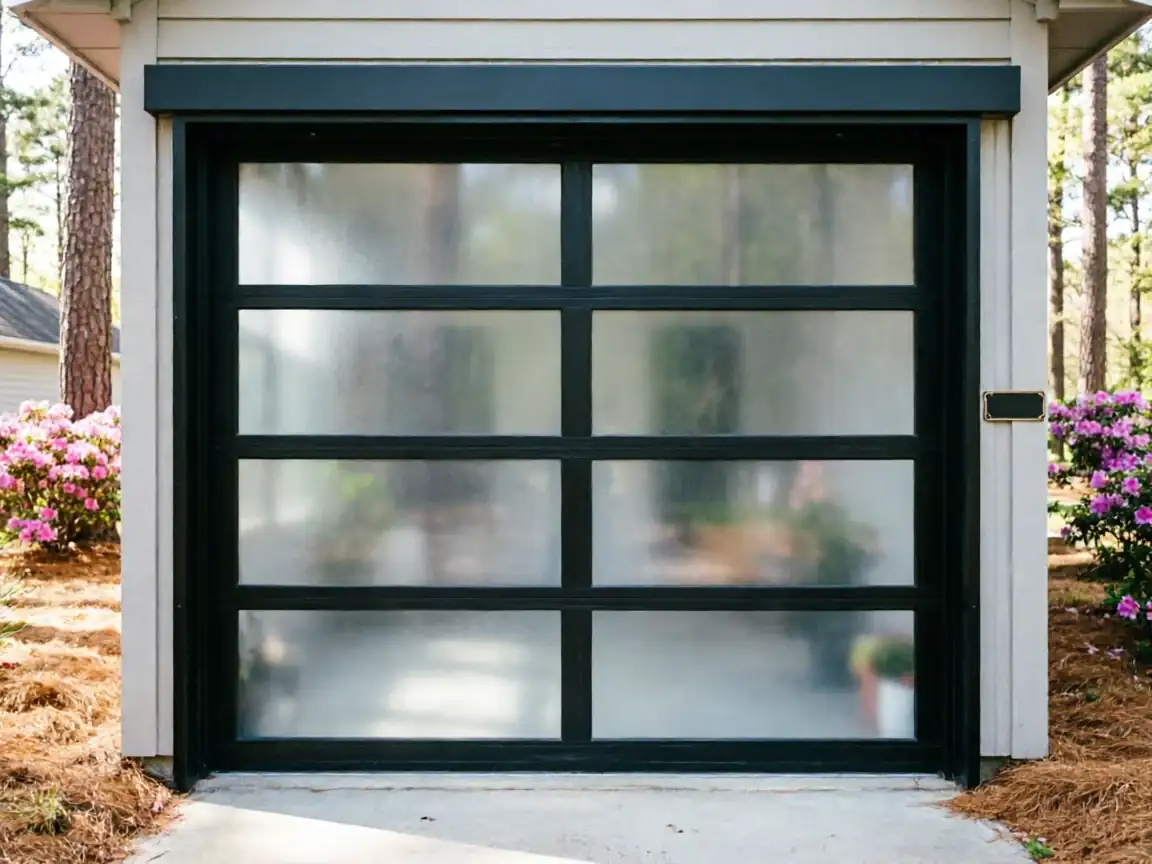
What the Repair Takes
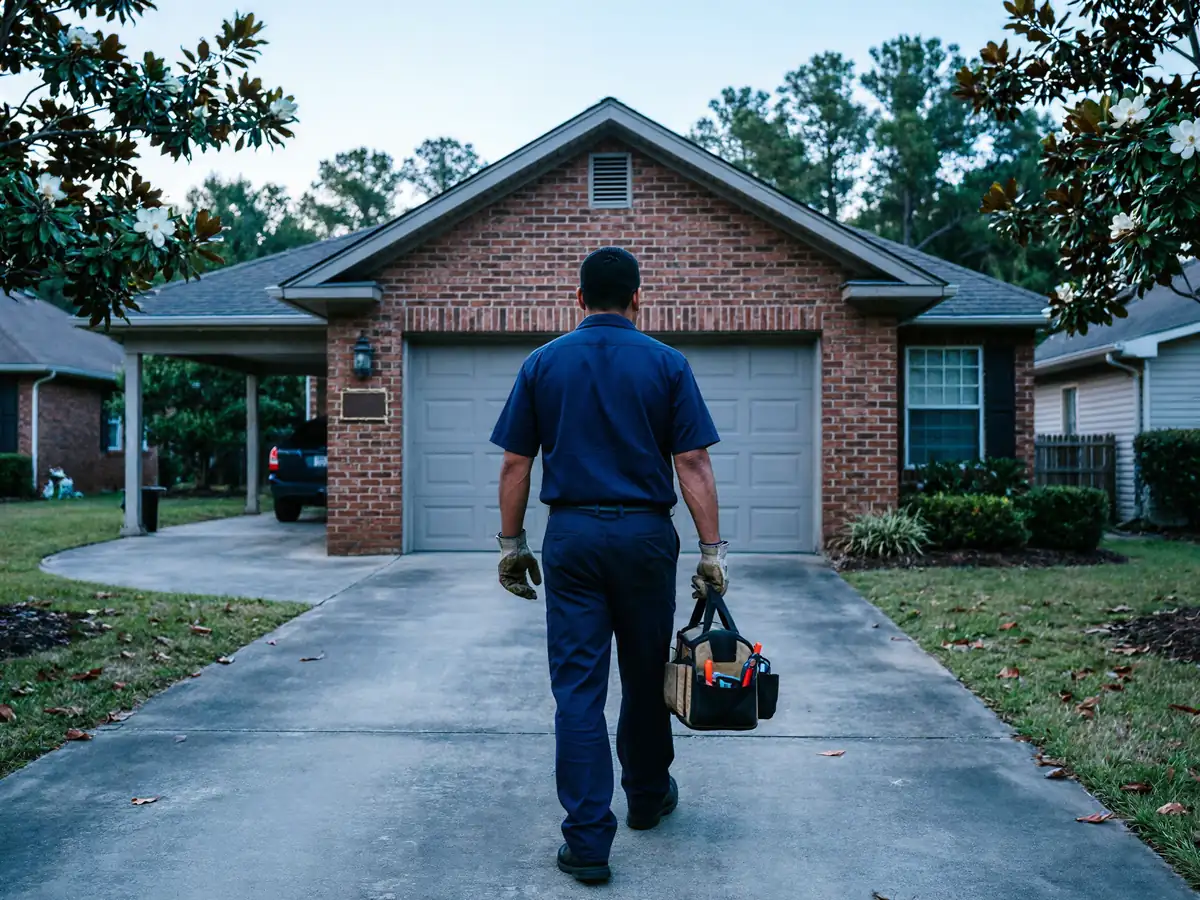
Most of the calls we get from Piney Green aren't about a brand-new door gone wrong
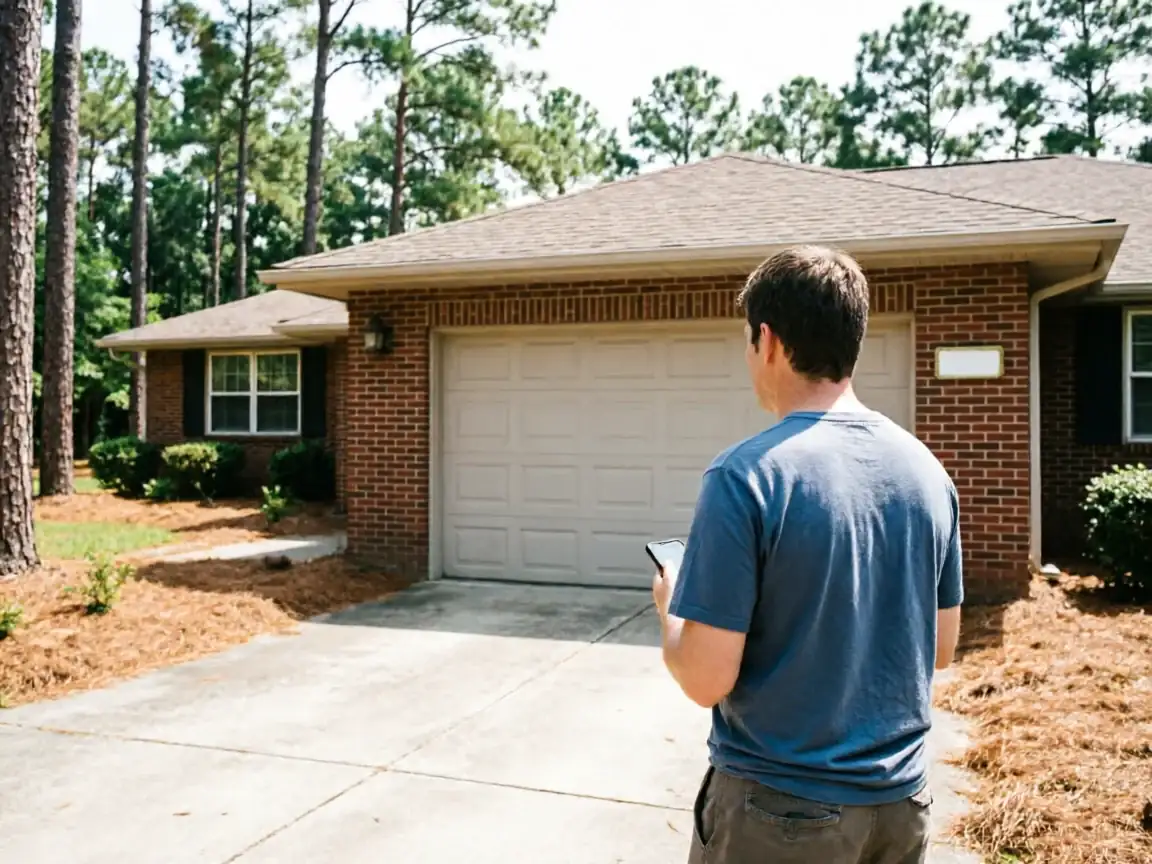
They're about a door that's been doing its job quietly for twenty-plus years and finally hit its limit. The median house out here was built around 1993, which puts a lot of garage doors right at the edge of their service life - steel panels that have held up fine, but openers and spring systems from that era that were never built to run another two decades.
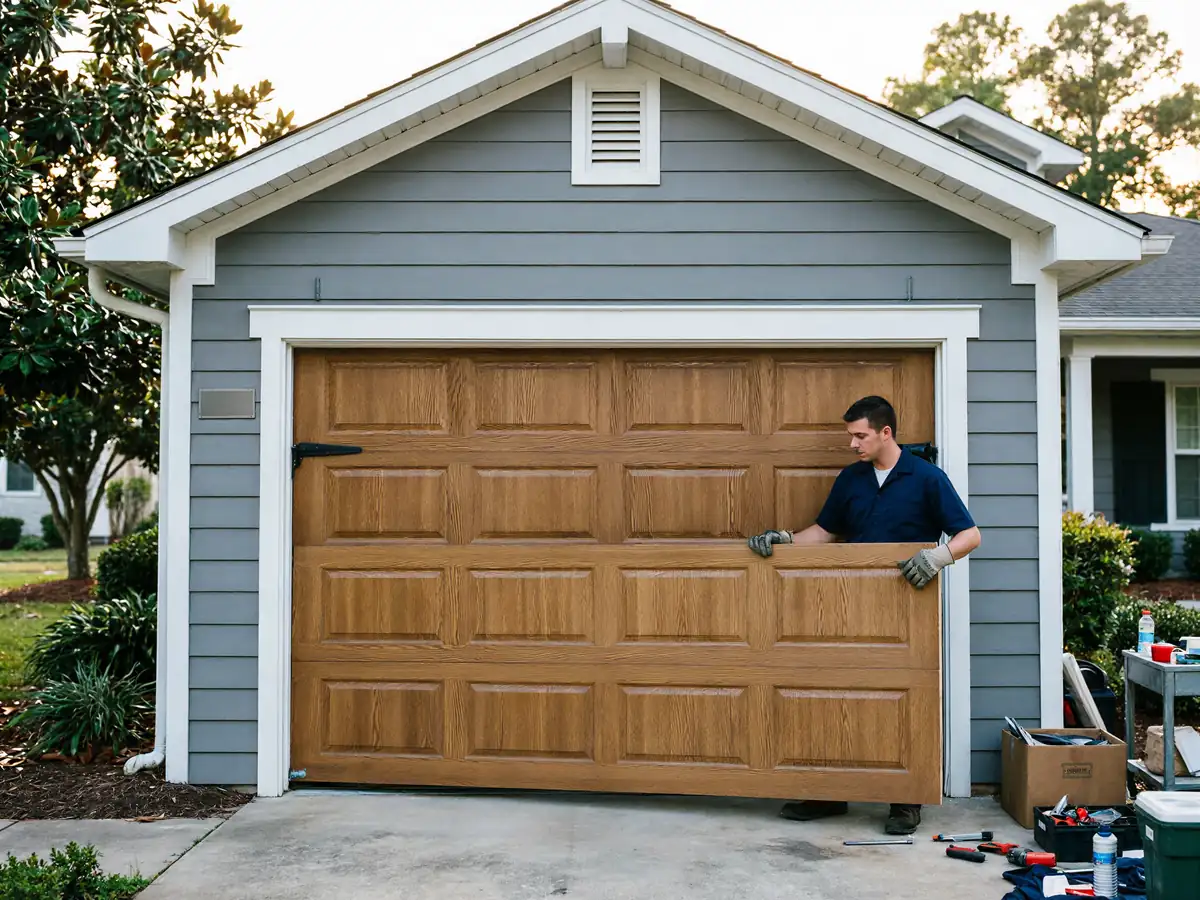
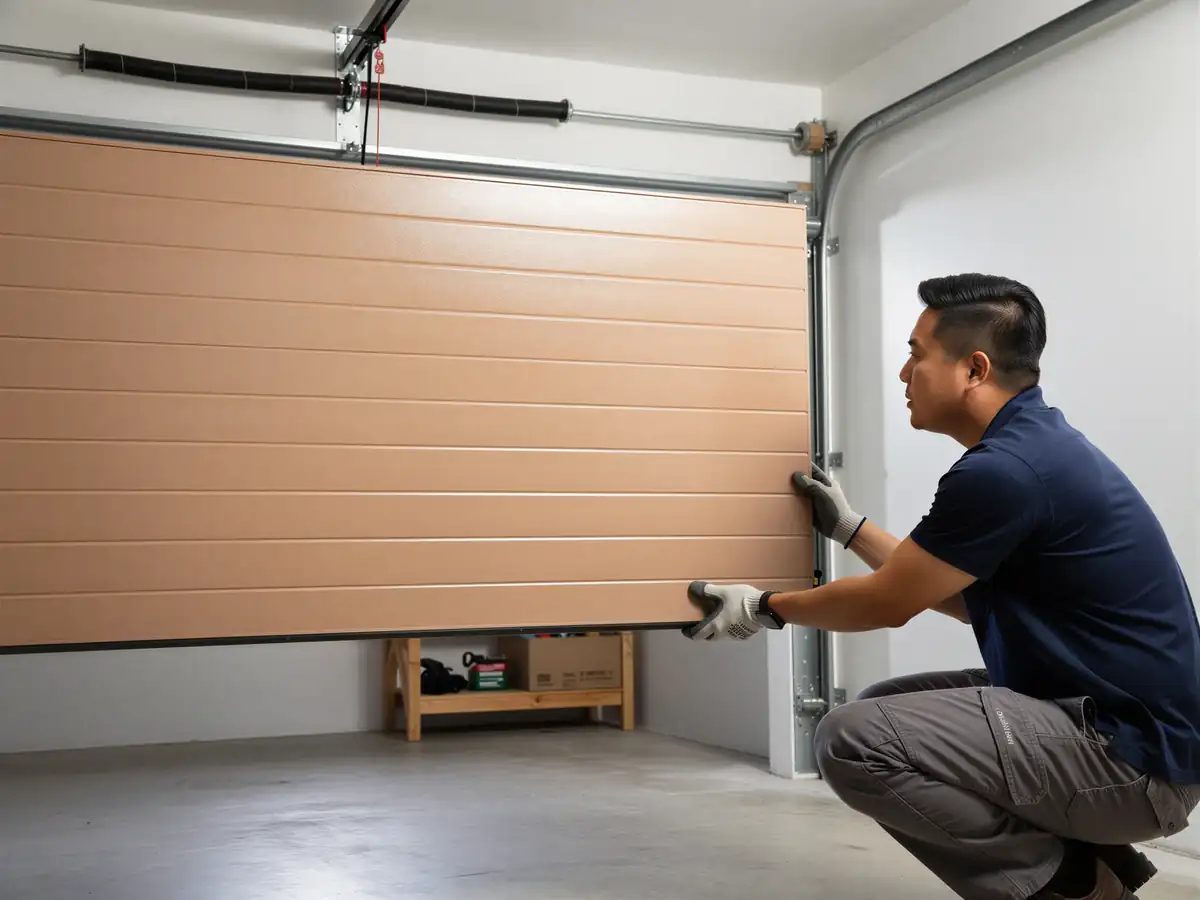
A repair on one of these doors usually means more than tightening a bolt
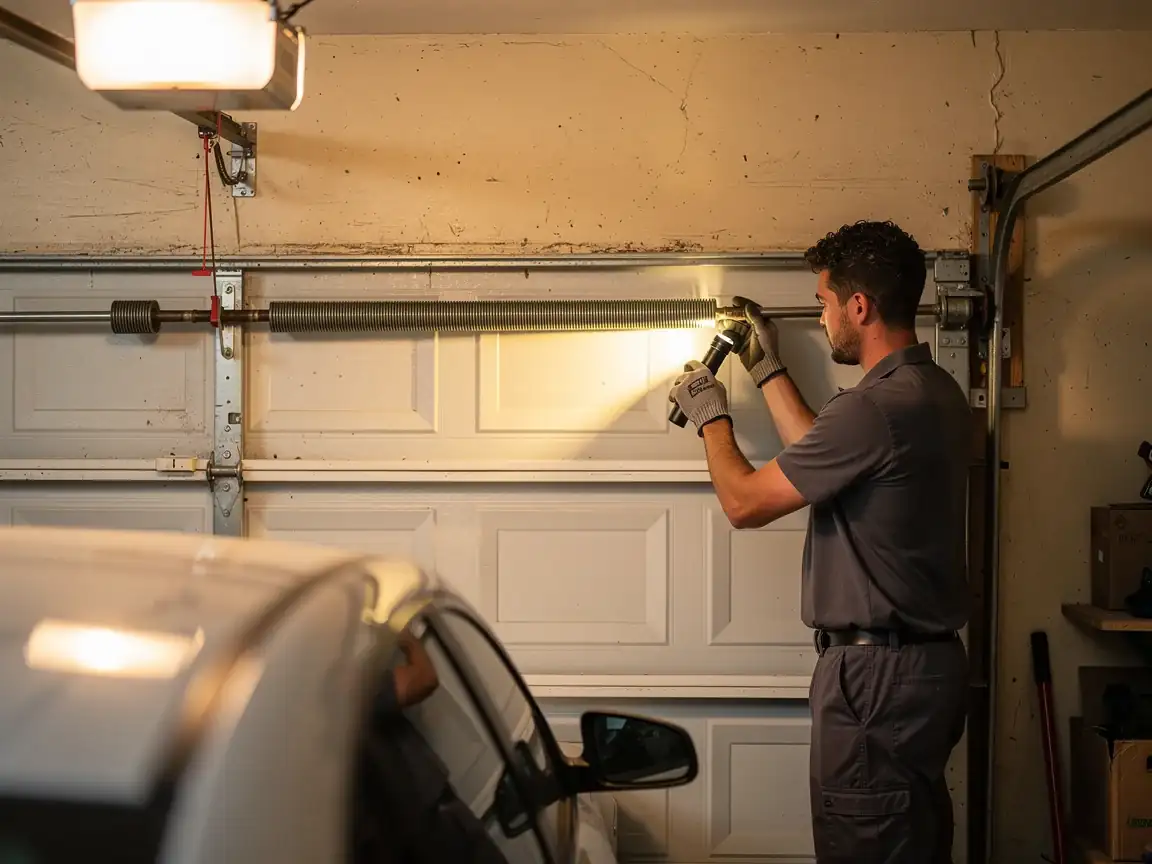
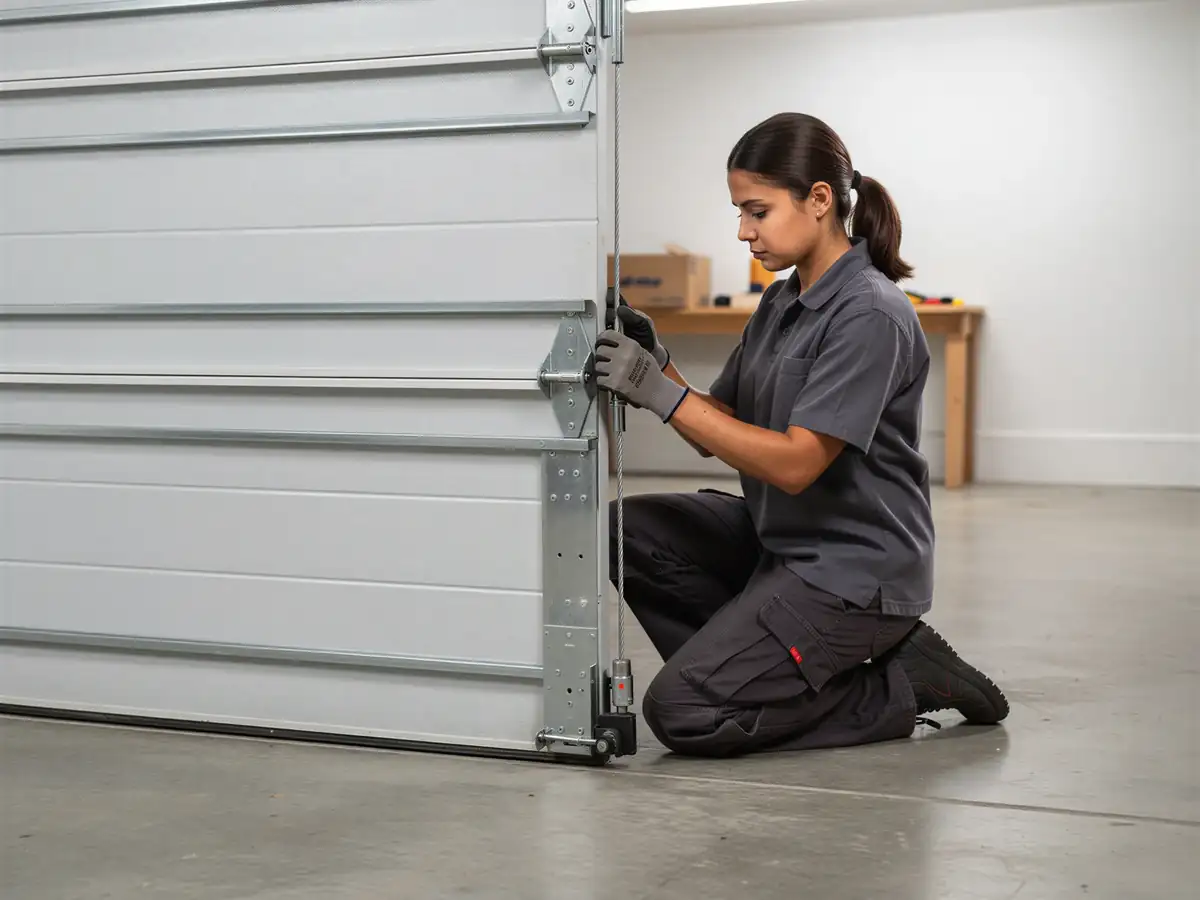
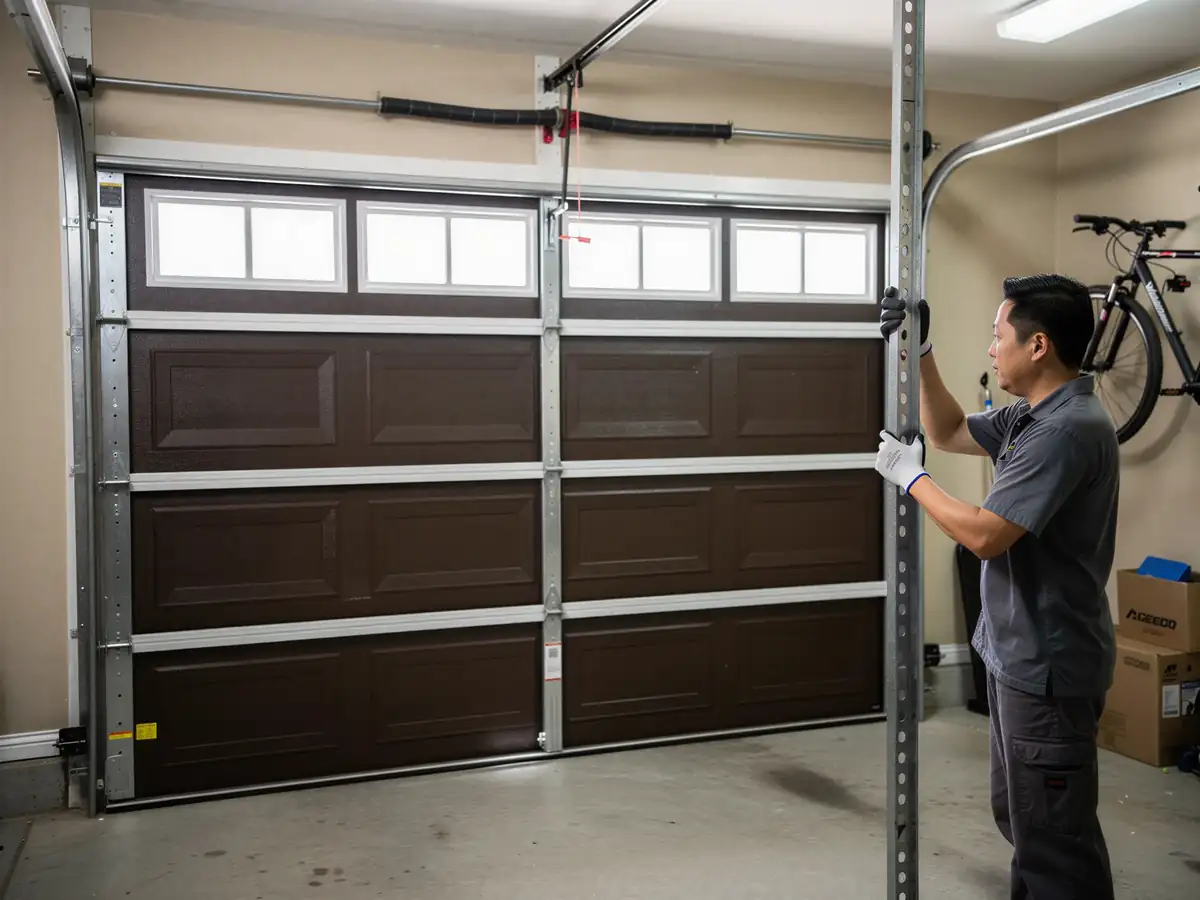
If the door still has its original extension springs instead of a torsion bar, that's a sign of the build period, and extension springs wear out harder and faster than torsion setups. We check the springs, the cable condition, the track alignment, and the opener's drive mechanism before we say what's actually wrong, because on a door this age, the symptom you called about is rarely the only thing failing.
We carry the parts that fit this generation of door on the truck
We're not guessing and reordering twice. But if a door's hardware is discontinued or a panel's been bent past a clean patch, we'll tell you straight rather than force a repair that won't hold.
How to Book
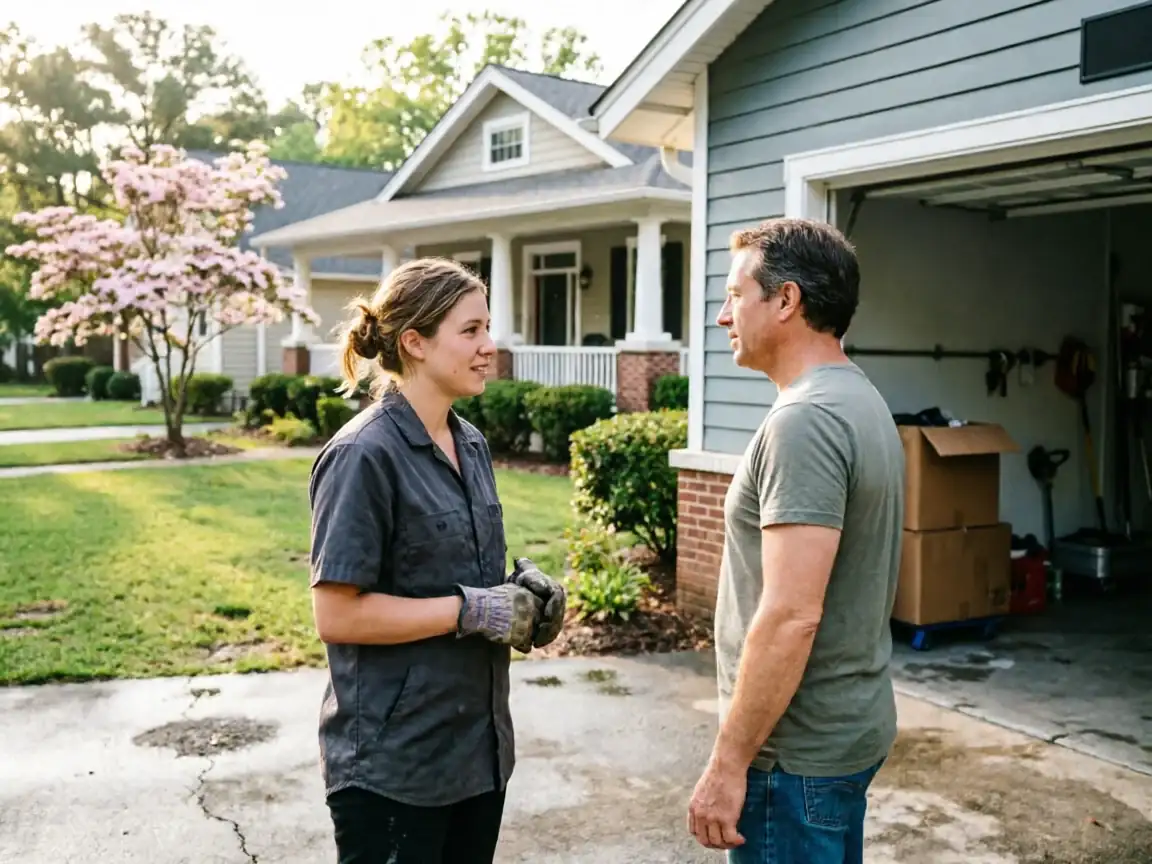
We cover Piney Green from our shop in Jacksonville, about 6 miles south. There's no separate branch out here, so when you call, you're talking to the same crew that handles the rest of the service area - we just drive the extra few minutes to get to you.
Tell us the door's age if you know it (anything built in the early-to-mid 90s range is useful to know before we load the truck), what it's doing or not doing, and whether it's a single or double door. That lets us bring the right spring size and opener parts on the first trip instead of a second one.
We don't publish a fixed response window for Piney Green specifically - distance and the day's job list both play into it - but reaching us starts with a phone call, same as anywhere else we cover.
What Causes It Around Here
The housing stock here clusters tight around 1993, built out during a stretch when builders in this part of the county were putting up a lot of similar single-family homes at once. That means a lot of doors, openers, and track hardware installed within a few years of each other - and a lot of them failing within a few years of each other too, now that they're past the thirty-year mark.
The other factor is the climate band this area sits in - a cold-moderate zone, not brutal, but enough freeze-thaw swing over a winter to work on steel panel seams and loosen fasteners that were torqued down once in 1993 and never touched again. Humidity swings do the same thing to nylon rollers, which get brittle and start cracking at the edges well before most homeowners notice the noise they're making.
We don't see a lot of fire or storm damage calls out here - it's mostly wear, not a dramatic event. That's actually good news: slow failure gives you warning signs before something snaps.
What You Are Seeing
If your door groans or jerks partway through its cycle
That's usually a spring losing tension, not the opener. The opener motor works harder to compensate, which is why people often blame it first.
A door that opens fine but won't close all the way
Or reverses right before it touches the floor, points to a safety sensor or a track that's gone slightly out of alignment - common on doors this age because the brackets have loosened bit by bit since 1993 rather than all at once.
Grinding or popping from the spring area means stop using the door and call
A spring under tension that lets go can do real damage, and on an extension-spring setup especially, there's no safety cable backing it up the way newer torsion systems have.
The DIY Question
Replacing a roller or tightening hardware you can reach safely is fine to do yourself. Springs are not. An extension spring under tension - which is what a lot of Piney Green's 1990s-era doors still have - can cause real injury if it releases while you're working near it, and we'd rather lose the job than have that call come back to us as an ER visit.
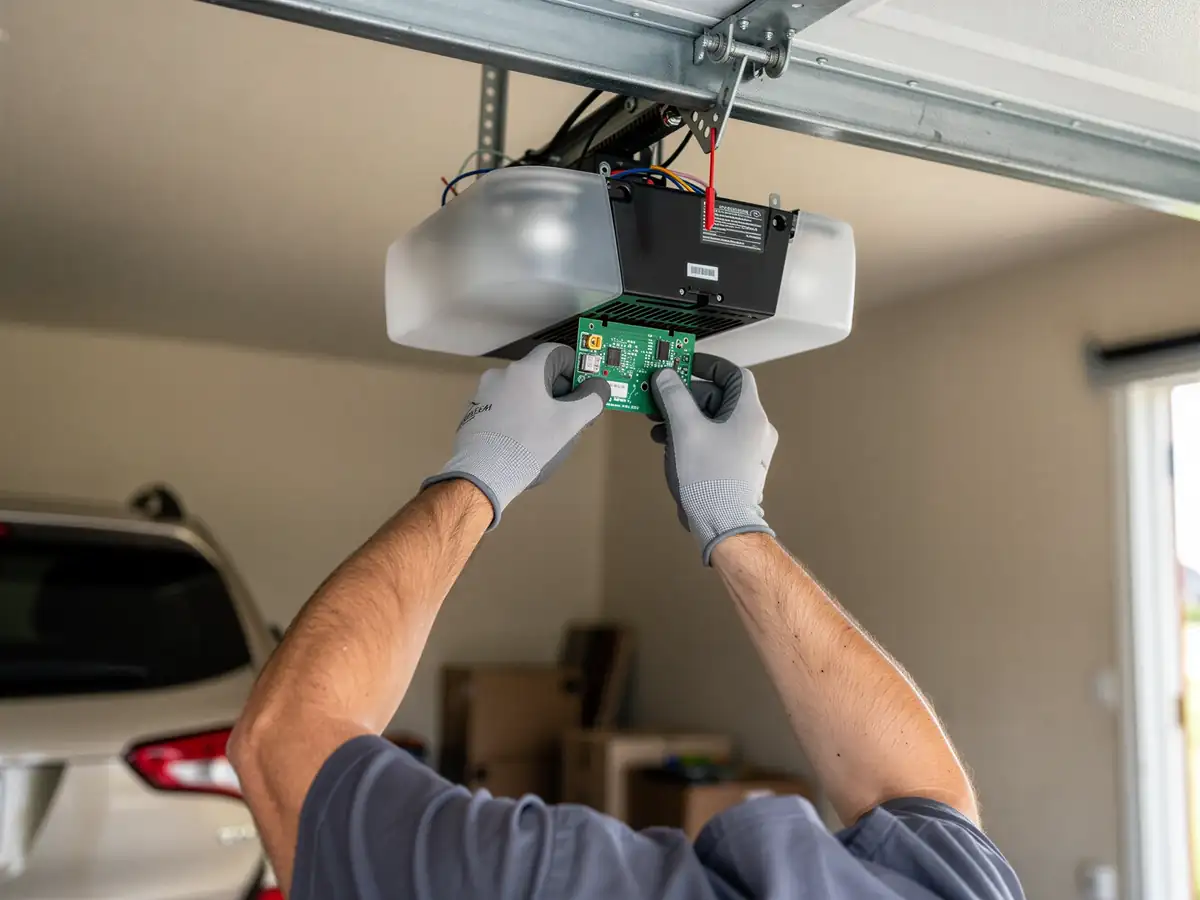
Opener logic boards are another one to leave alone if the unit is original to the house. Parts for openers from the early 90s are getting harder to source, and sometimes the honest answer is that replacing the opener costs less than chasing down a board for a unit that age. We'll tell you when that's the case instead of running up a bill trying to save it.
Time on the Job
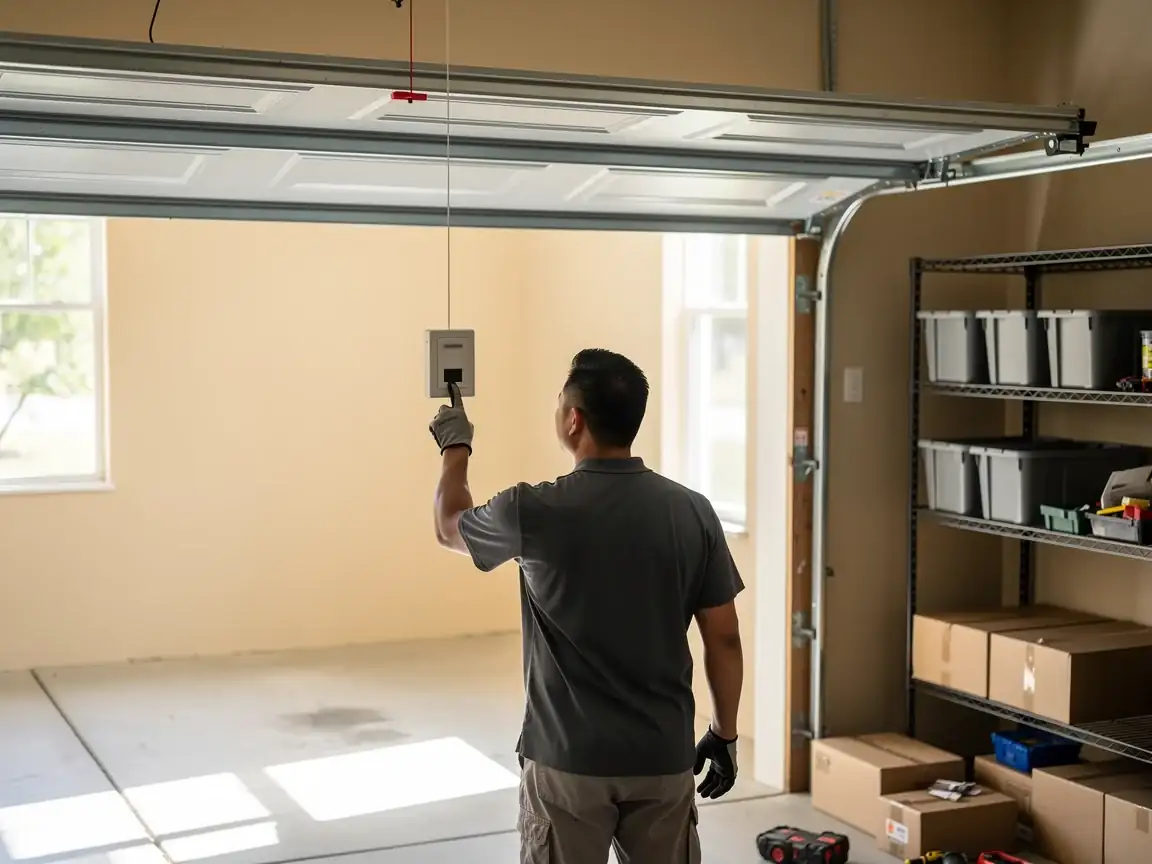
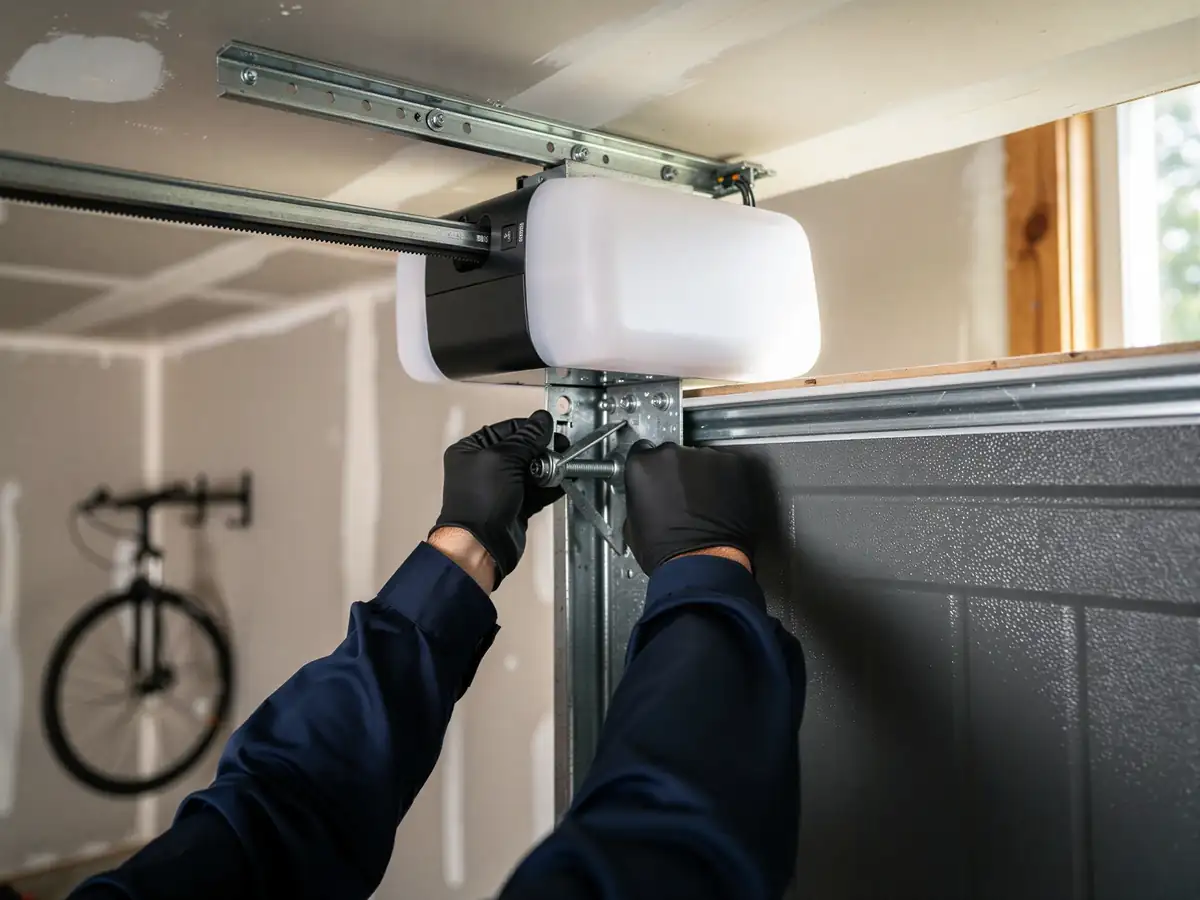
A straightforward spring or roller repair on one of these doors usually takes under an hour once we're on site. Opener replacement runs longer, closer to half the day's slot, mostly because we're also checking the track and hardware while we're in there - no point swapping the opener and leaving a thirty-year-old track to cause the next call.
We don't quote a flat time for every job sight unseen. A door that's had one issue deferred for years sometimes has two or three smaller ones stacked underneath it, and we'd rather find that out and tell you up front than surprise you with a second trip.