What the Repair Takes
Piney Green runs about 5,097 households
Which is a smaller slice of the service area than you'd think given how much new building has happened nearby. Most of those houses are owner-occupied and went up between 1980 and 2013, with the median build year landing right around 1993. That matters for maintenance because a door installed in the early '90s is now thirty-some years into its working life, and the torsion spring on it was never meant to run that long without a look.
- 5,097 households
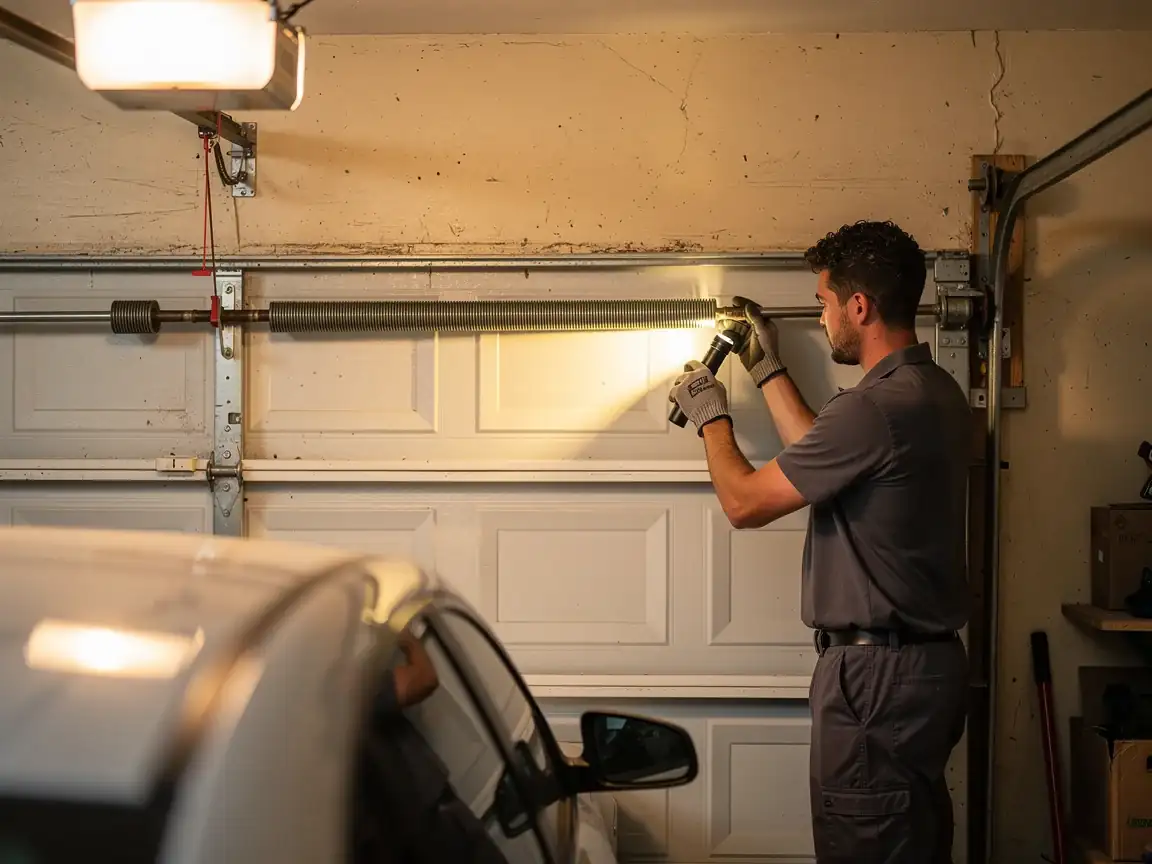
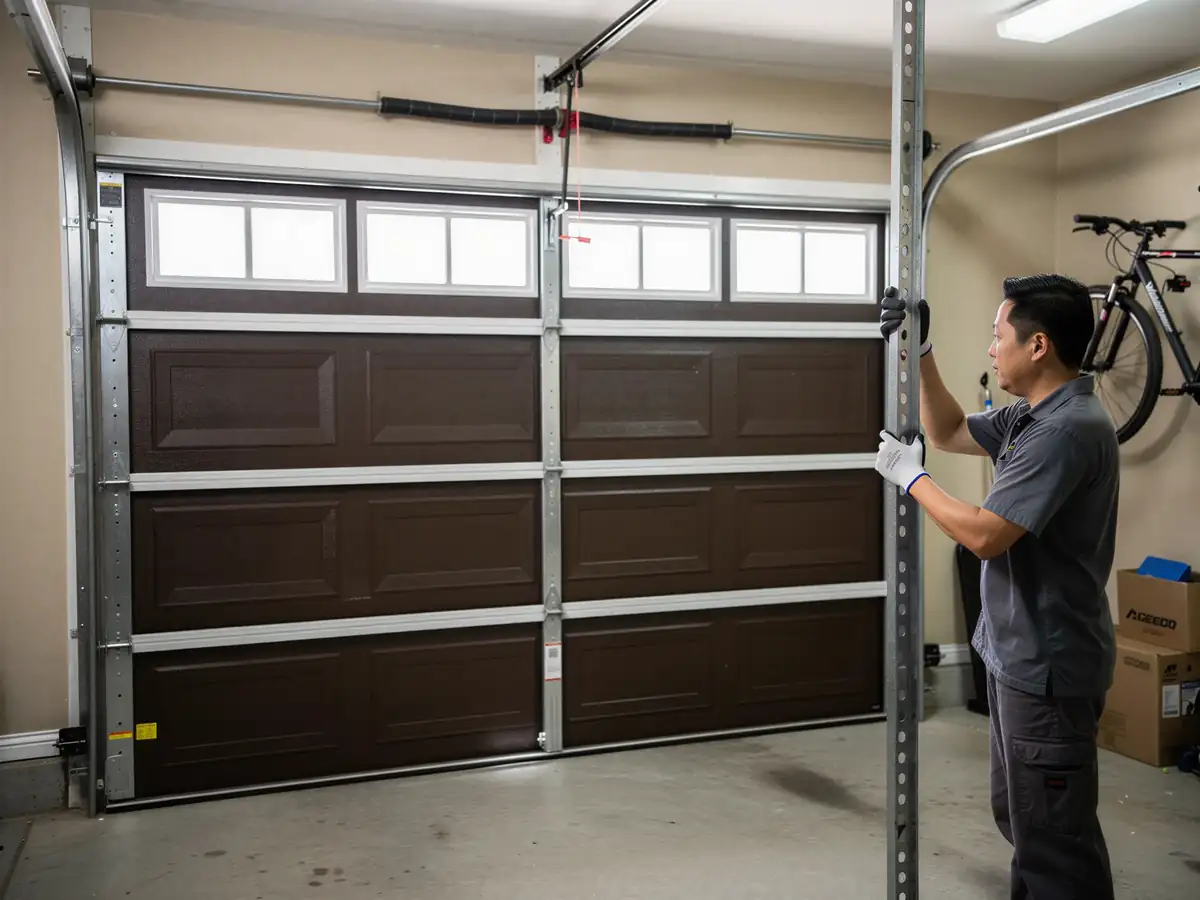
A maintenance visit on a house this age usually means checking spring tension
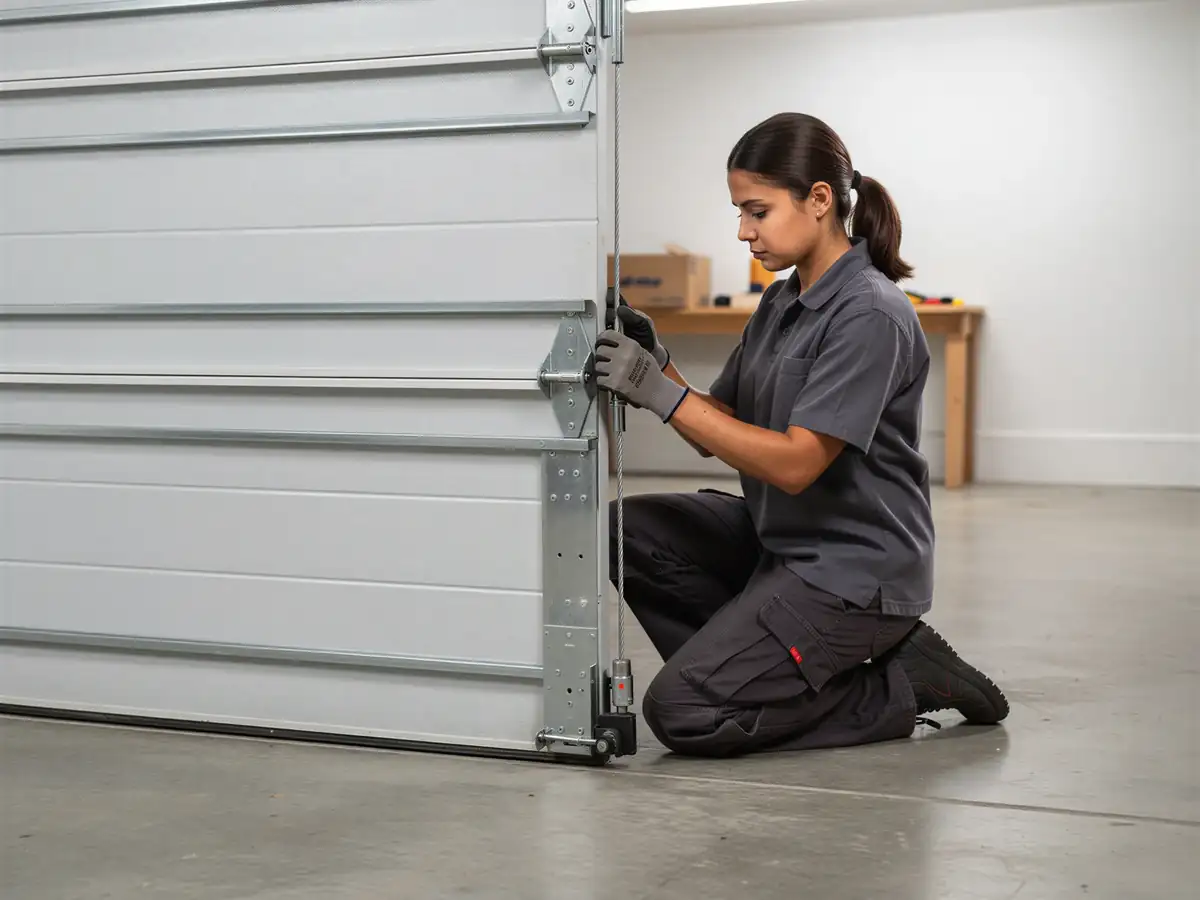
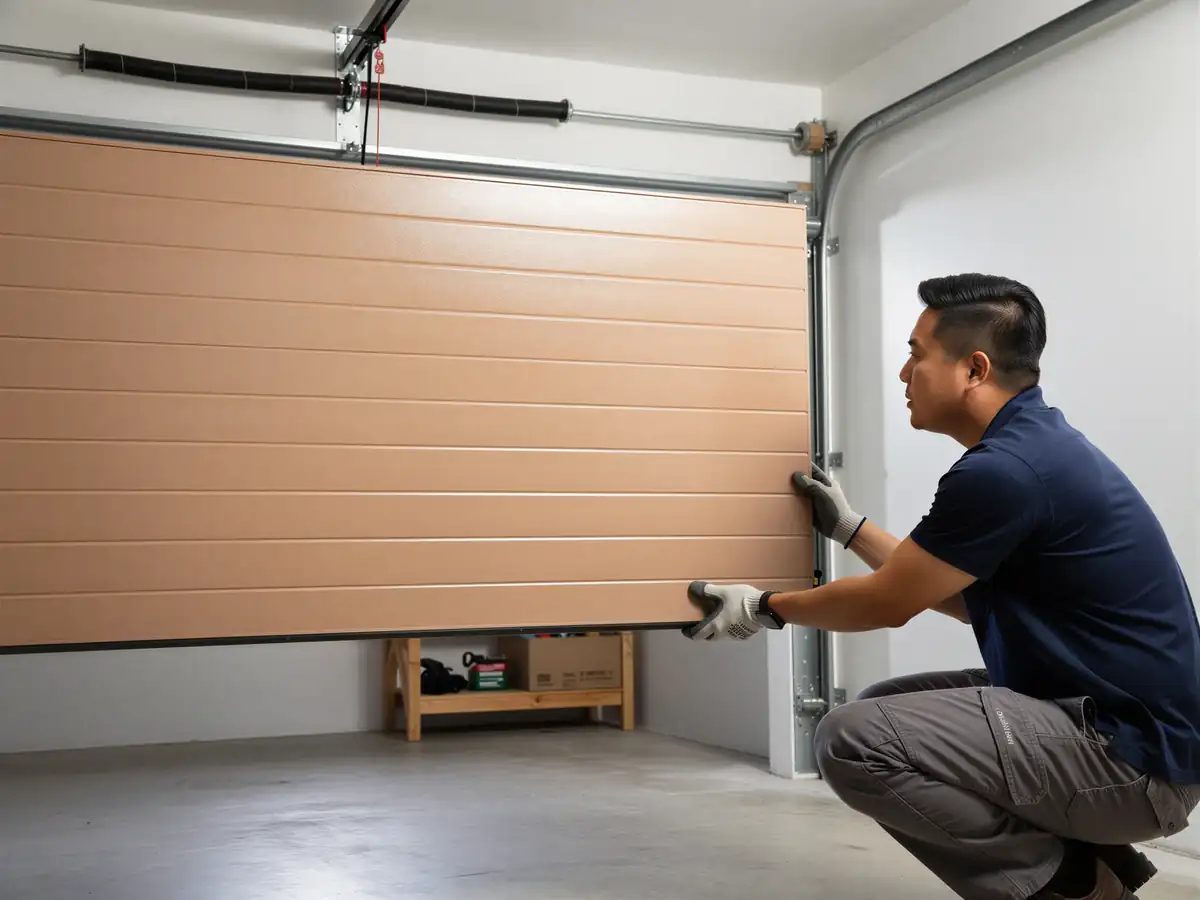
Pulling and regreasing the rollers, inspecting the cable for fraying where it wraps the drum, and making sure the track hasn't walked out of alignment from years of the door settling into its opening. On a double door from that era, the hardware is often original, which means the spring wire gauge and the drum size are whatever the builder spec'd in 1993 - not always what's on the shelf today. We check that before anything gets adjusted, because forcing a mismatched part onto older hardware causes more trips than it saves.
The work itself isn't dramatic
It's the kind of thing that keeps a 30-year-old door from becoming a replacement job five years early.
How to Book
Piney Green sits close enough to Jacksonville - about 6 miles - that fitting a maintenance call in with other work in the area isn't a problem. We don't run a separate branch out here; the truck comes from Jacksonville, so booking is the same process as anywhere else in the service area.
If you're not sure whether what you're dealing with is a tune-up or an actual repair - a door that's sticking versus a spring that's audibly failing - the repair page has more on what we look for when something's actually broken rather than just due for service. You can see that at /piney-green-garage-door-repair/.
For straight maintenance, give us the age of the door if you know it and whether it's ever had the springs replaced. On a house built in the early '90s, that one detail changes what we bring on the truck. We'd rather show up with the right springs the first time than make you wait on a second trip because the original hardware was a size nobody expected.
We also handle the broader Jacksonville-area maintenance work the same way - more on that general service at /garage-door-maintenance-jacksonville-nc.
What Causes It Around Here
The climate band here is cold moderate - not the brutal freeze-thaw of further north, but enough seasonal swing that steel panels expand and contract, and torsion springs that sit unused all summer tighten up differently once the cold sets in. On a door from the early '90s, that cycle has repeated thirty-plus times, and metal fatigue doesn't announce itself until the spring snaps.
Most of what we see on calls out this way isn't storm damage or impact - it's slow wear. Rollers that were steel or cheap nylon to begin with, grinding in the track for years because nobody regreased them. Cables that frayed a strand at a time where they loop the drum, invisible until the day they let go. On houses built in this same stretch - 1980 through 2013, median right at 1993 - we're mostly dealing with original hardware that outlived its warranty a long time ago and is just now showing it.
Humidity plays a part too. A garage that isn't climate controlled holds moisture, and moisture plus old grease turns into the gummy buildup that makes an opener strain to lift a door that should move easy. None of this is unique to one house - it's just what thirty years of weather does to a torsion spring and a set of rollers nobody's touched.
What You Are Seeing
If the door groans or jerks partway up, that's usually a roller that's worn flat on one side
Not the opener struggling. Flat-spotted rollers are common on doors this age because the original ones were rarely top-grade to start with.
A door that slams the last foot of travel instead of settling is a spring tension problem
The spring has lost lift over the years and the opener is doing more of the work than it's rated for. Left alone, that usually ends with the spring breaking outright, often loudly enough to bring you running to the garage.
Cables with visible fraying near the bottom bracket or the drum are a sign of age more than abuse
Thirty years of travel wears a cable the same way it wears a brake cable on a car. We don't wait on those; a cable that lets go mid-cycle can drop a door fast.
If the track has gaps between it and the roller
Or you can see daylight where the door meets the frame on one side, the track has likely shifted out of alignment - common in houses that have settled over three decades. None of these are emergencies by themselves, but they're all symptoms of hardware that's reaching the end of what regular maintenance can keep ahead of.
The DIY Question
Lubricating hinges and rollers with the right garage door lubricant is something any owner can do, and it's worth doing twice a year on a door this old. So is wiping down the tracks and checking that the bottom seal hasn't cracked.
What we don't recommend doing yourself is anything involving the torsion spring. On a door built around 1993, the spring is under significant stored tension, and the winding cones that hold that tension are original parts that can fail without warning when disturbed. We've seen people get hurt adjusting springs that looked fine right up until they didn't.
Here's the honest limitation: if your door's hardware is original to a house built in the early '90s, we may not have an exact match for every part on the truck. Some springs and drums from that era aren't common stock anymore, and if a part needs ordering, that adds a day or two to the job. We'll tell you up front if that's the case rather than installing something close enough and hoping.
If your door is sticking, binding, or making noise, call before you reach for a wrench. A ten-minute inspection is cheaper than a trip to urgent care.
Time on the Job
A standard maintenance visit covers the whole system - springs, cables, rollers, track alignment, opener force settings, and the weatherstripping on the bottom panel. On a door from the early '90s, we usually spend extra time on the rollers and cable, since those are the parts most likely to be original and most likely to be the reason you called.
We don't quote a fixed number of minutes, because a door that's been maintained regularly takes less time than one that hasn't been touched in a decade. What we can say is that being 6 miles from Jacksonville means getting here doesn't eat into the time we spend actually working on the door - the visit is about the hardware, not the drive.
If we find something beyond routine wear - a spring close to failing, a cable that's more than cosmetically frayed - we'll walk you through it on the spot rather than leaving you guessing until a follow-up call. On a house this age, catching that kind of thing during a routine visit is usually what keeps it from turning into an after-hours call six months later.